
Quick Answer: Which Pick Holder is Right for Your Practice Routine?
Finding the right guitar pick holder depends on your practice environment, your instrument’s finish, and how quickly you need to grab a replacement during a song. For beginners, maintaining practice momentum is essential, and stopping to hunt for a dropped pick can break your focus.
There is no single “best” pick holder, but rather a correct choice for your specific setup:
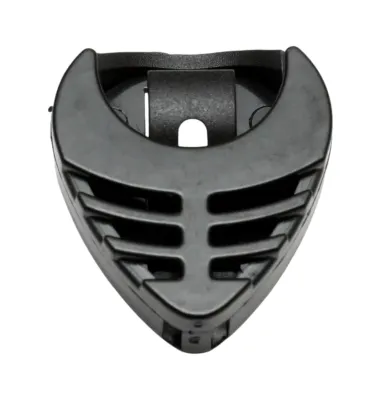
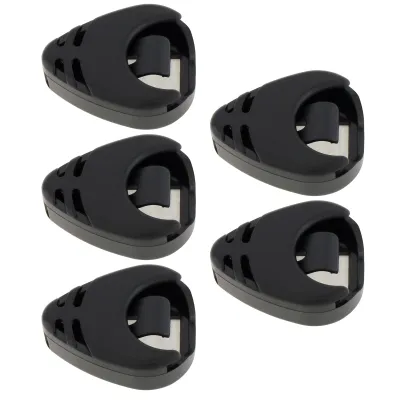
- Adhesive holders offer the fastest access and are best if your guitar has a plastic pickguard to mount them on.
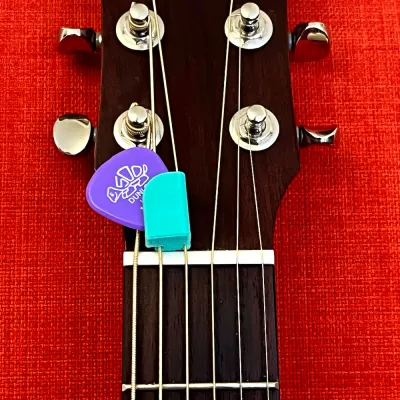
- Clip-on holders attach to the headstock or strings, keeping adhesives away from your guitar's body entirely.
- Cases and wallets are ideal for desktop practice, allowing you to store and organize a large variety of pick thicknesses.
- Necklace holders suit active, standing players who want their picks to travel with them, independent of the instrument.
Ultimately, beginners should prioritize ease of access to avoid interrupting their practice flow, while ensuring the holder does not damage their guitar.
Products mentioned in this guide

![[High Cost-Performance] Showcase 28 Picks Storage Box Display Case Large- Portable Guitar Pick Holder](https://img.lazcdn.com/g/p/226168ca77361cf1d66b6a5426b3cf2f.jpg_400x400q80.jpg_.webp)
Prices are valid at publication and may change. Please refer to the product page for the latest price.
4 Key Factors to Evaluate Before Buying
To choose the right holder, you need to look at how you practice and the physical characteristics of your instrument. Evaluating these four core criteria will help you avoid buying a holder that sits unused in your gig bag.

Accessibility and Flow As a beginner, your muscle memory is still developing. When a pick slips from your fingers, you want to grab another one instantly without looking down or changing your playing posture. A holder that requires two hands to open or is positioned too far from your strumming hand can disrupt your rhythm and halt your practice session.
Guitar Finish Safety Guitars are finished with different types of protective coatings, and some are highly sensitive to external materials. Modern polyurethane and polyester finishes are tough, but delicate nitrocellulose lacquers—often found on vintage or high-end instruments—can react chemically with adhesives, plastics, or rubber pads. Understanding where and how a holder mounts is critical to preserving your guitar’s appearance.
Capacity and Organization Beginners often experiment with various pick gauges, from thin nylon picks for strumming to thick celluloid picks for single-note flatpicking. Some holders only accommodate one or two picks of a specific thickness, while others can hold dozens of different shapes and sizes. Consider whether you need a quick-access dispenser for your current favorite pick or a comprehensive storage solution for your entire collection.
Portability and Independence Think about where you will be playing. If you primarily practice at home in a dedicated space, a stationary desktop case works perfectly. However, if you travel to weekly guitar lessons, jam at a friend’s house, or commute with your instrument, you will need a holder that either stays securely attached to your guitar or fits comfortably in your pocket or gig bag without spilling its contents.
Adhesive Holders: Fast Access but Watch the Guitar Finish
Adhesive pick holders are among the most common accessories found on both electric and acoustic guitars. Typically constructed from molded plastic or flexible silicone, these compact holders feature a spring-loaded chamber or a simple slot that holds several picks under tension. They are backed by a peel-and-stick adhesive strip that allows you to mount the unit directly onto the guitar’s surface.
The primary advantage of an adhesive holder is its unmatched convenience. By placing it on the upper bout of your guitar or just above the pickguard, you keep a supply of fresh picks within inches of your strumming hand. If you drop a pick mid-song, you can slide a new one out with a quick, downward swipe of your thumb, keeping your playing interruption to a fraction of a second.
However, the convenience of adhesive backing comes with significant risks to your instrument’s finish. Standard adhesives can leave behind a stubborn, sticky residue when removed, which can be difficult to clean without using harsh solvents. More importantly, chemical compounds in adhesives can permanently discolor or soften delicate finishes, particularly satin, matte, or vintage-style nitrocellulose lacquers.
To protect your instrument, always check your guitar manufacturer’s care instructions before applying any adhesive. The safest practice for beginners is to avoid sticking these holders directly onto the wooden body of the guitar. Instead, mount the holder onto the plastic pickguard, where the adhesive cannot contact the wood, or place it on the back of the headstock. This simple adjustment gives you all the speed benefits of an adhesive holder while eliminating the risk of permanent finish damage.
Clip-On Holders: Safe for the Body, Mounted on the Headstock
If you want to keep your guitar’s body completely free of adhesives and accessories, clip-on pick holders offer an excellent alternative. These holders generally use mechanical tension, rubberized clamps, or spring-loaded clips to attach to areas of the guitar that do not affect the acoustic projection or body finish. The most common designs clip directly onto the headstock between the tuning pegs or slide onto the strings just above the nut.
The greatest benefit of a clip-on holder is its non-invasive design. Because they do not rely on chemical glues, you can install, adjust, or remove them in seconds without leaving any trace of residue. This makes them exceptionally safe for all types of guitar finishes, including delicate acoustics and vintage electrics. Additionally, keeping your picks on the headstock keeps them highly visible and out of the way of your strumming arm.
However, clip-on holders do have a few trade-offs that beginners should consider. Reaching up to the headstock to grab a replacement pick takes slightly longer than reaching to the guitar body, which can make mid-song transitions a bit more challenging. Furthermore, if a clip-on holder is poorly positioned, it can press against your tuning machines, potentially affecting your guitar’s tuning stability. Some soundhole-mounted clips are also available for acoustic guitars, but these can sometimes interfere with the vibration of the soundboard or scratch the delicate rosette if not fitted carefully.
Before purchasing a clip-on holder, perform a quick verification check. Measure the thickness of your guitar’s headstock and examine the spacing between your tuning pegs to ensure the clip will fit securely without crowding the hardware. Reading the manufacturer’s compatibility notes will help you avoid buying a clip that is too narrow or too loose for your specific instrument.
Pick Cases and Wallets: High Capacity and Total Protection
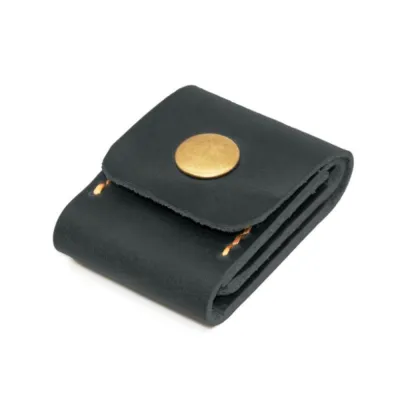
Unlike body-mounted or headstock-mounted options, pick cases and wallets are standalone storage solutions designed to protect and organize your gear. These products come in several popular formats, including zippered leather pouches, pocket-sized metal “click-clack” tins, and hard plastic cases that can be attached to a keychain or slipped into a gig bag pocket.
The main strength of a case or wallet is its high storage capacity and organizational capability. When you are starting out, you will likely buy variety packs containing picks of different materials, shapes, and thicknesses to discover what feels best in your hands. A multi-pocket leather wallet allows you to categorize your picks systematically—keeping your thin nylon picks separate from your heavy celluloid ones—so you can quickly find the exact tool you need for a specific practice exercise.
Because these holders do not attach to the instrument itself, they pose absolutely zero risk to your guitar’s finish. They also protect your picks from environmental factors like high humidity, which can warp or degrade certain natural materials over time. Your picks remain clean, flat, and dry inside a dedicated case.
The obvious downside is that cases do not offer quick, one-handed access while you are actively playing. If you drop a pick, you must stop practicing, set your guitar down, open the case, select a replacement, and reposition your hands on the instrument. For this reason, cases and wallets are best suited for beginners who practice at a desk, table, or music stand where they can keep the open case within arm’s reach.
Pick Necklaces: Hands-Free Access for Standing Players
Pick necklaces represent a unique, wearable category of holders that keep your picks on your person rather than on your guitar. These designs typically feature a pendant made of silicone, leather, or metal suspended from a cord or chain worn around your neck. The pendant has a secure slot or pocket designed to hold one or two standard-sized picks.
For beginners who prefer to practice standing up or who plan to participate in group jam sessions and music school performances, a necklace holder offers several distinct advantages. It is entirely independent of the guitar, meaning you can swap between an acoustic, an electric, or even a borrowed instrument without needing to transfer your pick holder. It also ensures that your favorite picks are always with you, even when your guitar is packed away in its case.
However, wearable holders are not without their practical limitations. If you lean forward while playing, a heavy metal pendant can swing outward and strike the top of your guitar, potentially scratching the finish or creating unwanted knocking sounds through your pickups. Additionally, pulling a pick from a necklace requires you to reach up to your chest, which can feel awkward and slow compared to grabbing a pick from the guitar body or headstock.
If you choose a necklace holder, opt for a design made of soft, non-abrasive materials like silicone or leather to minimize the risk of scratching your guitar if the pendant swings. This option is highly practical for mobile players, but sitting players may find it less convenient than a simple desktop case or headstock clip.
At-a-Glance Comparison of Pick Holder Types
To help you synthesize these options, the table below compares the four primary pick holder types across the essential decision factors we have discussed.
| Holder Type | Accessibility Speed | Guitar Finish Risk | Capacity | Best Suited For |
|---|---|---|---|---|
| Adhesive | Extremely Fast | High on bare wood; Low on plastic pickguards | Low (1–5 picks) | Seated players with pickguard-equipped guitars |
| Clip-On | Moderate | None (mounted on headstock or strings) | Low to Moderate (2–6 picks) | Players wanting zero adhesive residue and clean guitar bodies |
| Case / Wallet | Slow | None (standalone storage) | High (10–50+ picks) | Desk practice, pick collectors, and organizing multiple gauges |
| Necklace | Moderate to Slow | None (unless heavy pendant swings against wood) | Very Low (1–2 picks) | Standing players, performers, and those who share instruments |
The Beginner's Decision Framework: Which Type Should You Get?
Choosing the right pick holder comes down to matching the accessory to your current guitar model and your daily practice habits. Use this simple framework to guide your decision:
Choose an Adhesive Holder if: You play an electric or acoustic guitar that features a sturdy, plastic pickguard, and you want the fastest possible access to a replacement pick. If you find yourself dropping picks frequently during fast strumming practice, the immediate proximity of an adhesive holder on your pickguard will keep your practice sessions fluid and frustration-free.
Choose a Clip-On Holder if: You own a delicate acoustic guitar, particularly one with a satin or nitrocellulose finish, and you want to keep the body completely free of adhesives. A clip-on holder mounted on the headstock keeps your picks safe, organized, and easily accessible without risking any chemical reactions or sticky residue on your instrument’s wood.
Choose a Case or Wallet if: You practice primarily at a desk, use a music stand, and are actively experimenting with a wide range of pick materials, shapes, and thicknesses. A dedicated wallet or tin keeps your growing collection organized, prevents your picks from getting lost in your room, and protects them from dust and humidity.
Choose a Necklace if: You prefer to practice standing up with a guitar strap, move around frequently, or travel to different locations for lessons and jam sessions. A wearable holder keeps your picks securely on your body, making them universally compatible with any guitar you happen to pick up.
When you are ready to make a purchase, consider visiting local music shops in Singapore, such as the music retail clusters in Peninsula Plaza or Bras Basah Complex. Physically testing a holder allows you to check the grip tension of clip-ons and the slot tightness of adhesive models with your preferred pick thickness. This hands-on step ensures your chosen holder will perform reliably during your practice sessions.
Frequently Asked Questions (FAQ)
Will an adhesive pick holder ruin my acoustic guitar's finish?
It depends heavily on the type of finish on your guitar and where you apply the holder. Modern polyurethane finishes are highly durable, but vintage-style nitrocellulose lacquers, satin finishes, and bare wood are highly susceptible to chemical reactions with adhesives. To prevent damage, always check your guitar manufacturer’s care guidelines first. If you choose to use an adhesive holder, apply it strictly to the plastic pickguard or the back of the headstock rather than directly onto the wooden body of the instrument. This ensures you can remove the holder later without leaving permanent marks or lifting the finish.
How tight should the grip be on a pick holder?
A high-quality pick holder should strike a balance between security and ease of release. The grip must be tight enough to hold your picks securely in place when the guitar is tilted, carried, or placed on a stand, preventing them from falling out on their own. However, the slot should be loose enough that you can easily slide a pick out with two fingers using minimal force. When testing a holder, use the exact pick thickness you play with most often, as a holder that grips a thin 0.46mm nylon pick perfectly might pinch a heavy 1.5mm acrylic pick too tightly.
Can I make my own DIY pick holder safely?
While many players use household items like double-sided tape, blue tack, or folded cardboard to create DIY pick holders, doing so carries risks for your instrument. Standard household adhesives are not formulated for musical instruments and can leave stubborn, gummy residues or chemically react with your guitar’s finish over time. If you want to protect your guitar, it is highly recommended to stick to purpose-built, commercially available pick holders. These commercial accessories are designed specifically with instrument-safe materials and tension levels, ensuring your guitar remains undamaged while keeping your picks organized.
Community discussion
Share your experience or ask a question. Comments are reviewed before publication.