
Choosing the right cello strings is one of the most impactful decisions a cellist can make to shape their instrument’s voice and response. The three primary core materials—gut, steel, and synthetic—each offer a distinct combination of tonal warmth, projection, physical resistance, and environmental stability. While gut strings provide exceptional complexity and historical authenticity, steel strings deliver brilliant clarity and reliable durability, and synthetic strings offer a balanced middle ground that mimics the warmth of gut with the stability of modern technology. Finding the ideal setup requires balancing your musical repertoire, playing environment, budget, and the physical characteristics of your specific cello.
Understanding the Core Differences in Tone and Playability
To evaluate how each string material fundamentally shapes your cello’s sound, it is essential to understand their physical construction and acoustic properties. Gut strings, the historical standard, are crafted from sheep intestine and often wound with metals like silver or aluminum. They produce a deeply complex, warm tone rich in organic overtones that modern materials struggle to replicate fully. The bow response of gut is highly sensitive and nuanced, requiring a precise combination of speed and pressure. This sensitivity allows for incredible expressive range, but it also means the strings are less forgiving of technical inconsistencies, occasionally producing a “cracked” or airy sound if the bow stroke is not precisely executed.
Steel strings utilize a solid, stranded, or braided steel wire core, typically wound with chrome, tungsten, or titanium. This construction results in a bright, focused, and highly direct sound with powerful projection. Steel strings are favored for their immediate bow response; they speak almost instantly when the bow contacts the string, making fast passages and crisp articulations much easier to execute. The tone tends to be more linear and uniform across the dynamic range, which provides excellent clarity in large performance spaces but can sometimes lack the complex color palette of organic cores.
Products mentioned in this guide
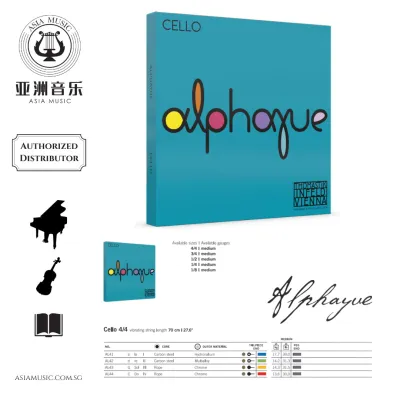


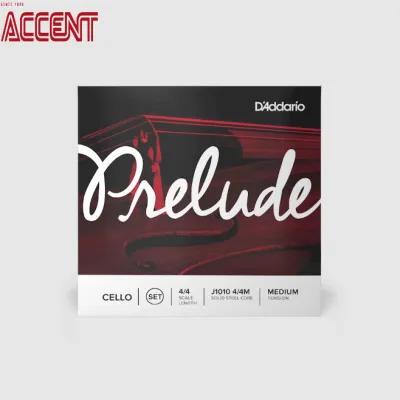

Prices are valid at publication and may change. Please refer to the product page for the latest price.
Synthetic core strings were introduced to bridge the gap between the warmth of gut and the reliability of steel. Made from high-tech polymers such as nylon or composite materials, these strings are wound with various metals to achieve specific tonal balances. Synthetic strings offer a rich, colorful sound profile with warm overtones reminiscent of gut, combined with a clear focus and reliable projection that approaches the performance of steel. Their bow response is balanced and forgiving, making them highly versatile for players who want an expressive, warm tone without the temperamental physical response of pure gut.
Evaluating Stability, Maintenance, and Environmental Sensitivity
The physical stability of your cello strings is heavily influenced by their core material and the environment in which you practice and perform. Gut strings are highly hygroscopic, meaning they readily absorb and release moisture from the surrounding air. In tropical climates like Singapore’s, where high outdoor humidity contrasts sharply with dry, air-conditioned indoor spaces, gut strings are subject to constant expansion and contraction. This environmental sensitivity causes frequent slipping in pitch, requiring constant tuning and making them highly challenging to manage during long rehearsals or outdoor performances.

Steel and synthetic strings offer highly reliable environmental stability. Steel cores are virtually unaffected by humidity and temperature changes, holding their pitch exceptionally well under almost any conditions. Synthetic core strings are also highly resistant to moisture, making them an excellent choice for players who want a warm, gut-like tone but need reliable tuning stability in humid or variable climates. Once broken in, synthetic strings require minimal adjustment throughout a playing session.
The break-in period and overall lifespan also vary significantly across these materials. Steel strings settle almost immediately, often reaching stable pitch within a few hours of installation, and they can maintain their structural integrity for a year or more, though their tone will gradually lose its brilliance. Synthetic strings typically require two to three days to stretch and stabilize, offering a moderate lifespan of several months before the core loses its elasticity. Gut strings require the longest break-in period, often taking up to a week of constant playing and retuning to settle, and they have the shortest lifespan, as the organic core is prone to fraying and unraveling under the friction of the bow and sweat from the player’s fingers.
Routine care is essential to preserve the integrity of all string types. After every playing session, you should gently wipe down the strings with a dry, clean microfiber cloth to remove accumulated rosin dust and finger oils. Rosin buildup can deaden the vibrations of the string, while sweat can accelerate the corrosion of the metal windings. For gut strings, players must also regularly inspect the length of the string for any signs of fraying, particularly near the bridge and nut, to prevent sudden breakage.
Comparing Price Ranges and Value for Different Playing Levels
When budgeting for cello strings, players will find distinct price tiers that reflect the manufacturing complexity and materials used. In Singapore, entry-level steel strings designed for students and school ensembles typically range from S$80 to S$150 per set, offering a highly durable and cost-effective option. Premium steel sets, which often feature advanced braided cores and tungsten windings on the lower strings, can range from S$200 to over S$400, reflecting the high cost of raw materials and specialized manufacturing processes.
Synthetic core strings generally occupy the mid-to-high price range, with standard sets costing between S$150 and S$350. These strings offer excellent value for intermediate and advanced students, as well as amateur players, who want to upgrade their instrument’s tone without committing to the high maintenance and cost of gut. Gut strings are consistently the most expensive option, with high-quality sets often exceeding S$300 to S$500, making them a significant ongoing financial investment given their shorter lifespan and frequent replacement needs.
It is crucial to understand that a higher price tag does not automatically guarantee a suitable fit for your playing level or musical goals. For beginners, the immediate response, clear pitch definition, and exceptional tuning stability of a budget-friendly steel set are far more beneficial than the complex, highly sensitive overtones of an expensive gut set. Advanced players must carefully weigh the tonal benefits of premium materials against their replacement frequency, as professional-grade strings will need to be replaced more often to maintain peak performance and tonal brilliance.
How to Match String Materials to Your Playing Style and Repertoire
Selecting the right string material requires a thoughtful evaluation of your musical genre, ensemble role, and personal playing technique. For cellists specializing in Baroque, Classical, or historically informed performance, gut strings are often the standard choice. They provide the authentic, earthy texture, lower tension, and warm, intimate projection required to execute period-specific bowing techniques and blend seamlessly with other historical instruments.
Modern classical cellists, orchestral musicians, and soloists performing standard romantic or contemporary repertoire typically benefit most from steel or synthetic strings. Steel strings offer the power, brilliance, and projection needed to carry over a modern symphony orchestra, making them highly effective for solo concertos. Synthetic strings, on the other hand, provide the warmth and color required for expressive chamber music and solo recitals where a more intimate, nuanced sound is desired.
For folk, jazz, pop, or contemporary playing, steel strings are almost universally preferred. Their bright tone, long sustain, and quick response make them ideal for fast-paced fiddle tunes, while their physical durability and compatibility with magnetic pickups or piezo transducers make them the practical choice for amplified performances on both acoustic and electric cellos.
Many professional cellists choose to mix different string materials to create a customized setup that balances their instrument’s natural acoustic properties. A very common hybrid configuration involves using synthetic core strings for the lower G and C strings to achieve a warm, rich, and complex bass, combined with steel core strings for the upper D and A strings to ensure a bright, clear, and highly responsive treble. This approach allows players to smooth out tonal transitions across the fingerboard and address specific weaknesses in their cello’s voice, such as a muddy low end or a harsh, nasal upper register.
Frequently Asked Questions (FAQ)
Can I mix different string brands and materials on my cello?
Yes, mixing different string brands and materials is a highly common and effective practice used by cellists of all levels to optimize their instrument’s sound. However, when creating a custom setup, you must pay close attention to string tension and tonal balance. Mixing strings with drastically different tensions can put uneven pressure on the cello’s top plate and bridge, potentially affecting the instrument’s structural health and overall projection. It is generally recommended to combine strings of medium tension across different brands. If you are unsure how a specific combination will affect your cello, consulting a professional luthier can help you find a balanced setup that enhances your instrument’s natural voice without risking damage.
Do I need to change my cello setup when switching from steel to gut strings?
Yes, transitioning from steel to gut strings almost always requires physical adjustments to your cello’s setup. Gut strings are significantly thicker than steel strings of the same pitch, which means they may not fit properly into the existing grooves on the nut and bridge. Forcing a thick gut string into a narrow slot can pinch the string, causing it to break prematurely or dampening its vibrations. Additionally, the lower tension of gut strings may require a slightly higher bridge height to prevent string buzz against the fingerboard, and the soundpost may need adjustment to optimize the instrument’s resonance under the reduced downward pressure. A professional luthier should perform these adjustments to ensure your cello is properly set up for the new material.
Community discussion
Share your experience or ask a question. Comments are reviewed before publication.