
Choosing the right material for your guzheng nails directly shapes your instrument’s tone, volume, and responsiveness. While standard options focus purely on acoustic properties, the rising popularity of decorative glitter finishes has left many players wondering if these aesthetics come at the cost of performance. Fortunately, a glitter finish does not inherently hinder playability, provided the string-contact edge remains completely smooth, polished, and free of textured coatings.
To make an informed choice, you must evaluate both the base material of the nail and the quality of any decorative application. Understanding how different materials interact with the strings, and how a surface coating alters physical dynamics, ensures you select accessories that support your technique rather than hinder it.
Comparing Base Materials for Guzheng Nails
The base material of your guzheng nails acts as the primary medium of sound transfer between your fingers and the strings. Manufacturers commonly utilize acrylic, resin, nylon, and various plastics, each offering a distinct acoustic profile and tactile response.
Products mentioned in this guide
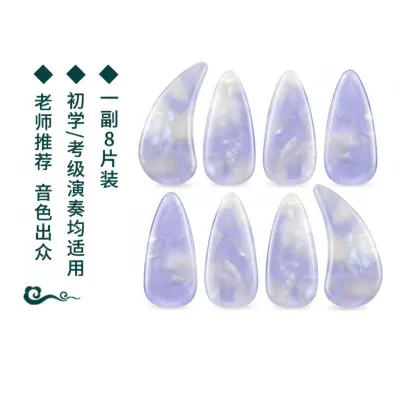
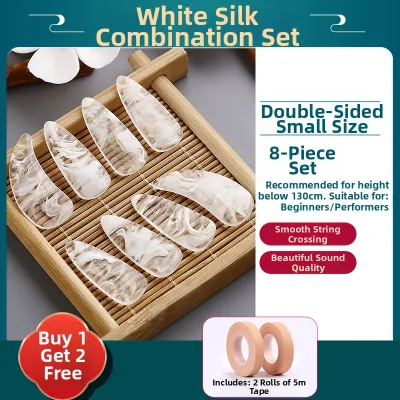
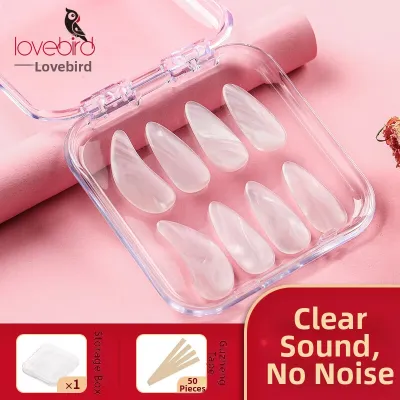
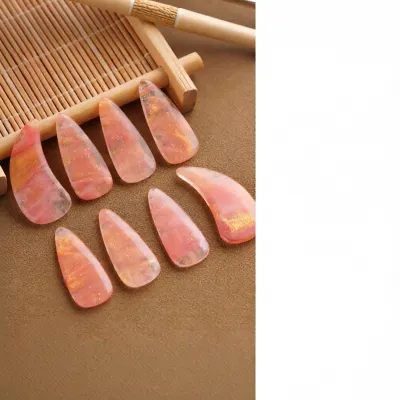
Prices are valid at publication and may change. Please refer to the product page for the latest price.
Acrylic, or polymethyl methacrylate, is highly favored for its density and hardness. When an acrylic nail strikes a string, it produces a bright, clear, and highly resonant tone with excellent projection. This makes acrylic an excellent choice for modern compositions that require rapid, articulate note definition and high volume. While a basic set of polymer picks might cost under S$10, investing S$15 to S$30 in a well-finished acrylic set ensures smoother edges and better acoustic resonance.
Resin materials generally offer a warmer, rounder sound profile. Because resin can be formulated with varying degrees of density, these nails often mimic the mellow attack of traditional organic materials. They provide a smoother, more forgiving tone that blends beautifully in classical ensembles, though they may lack the piercing clarity of hard acrylics.
Nylon and basic plastics represent the more flexible and durable end of the spectrum. While highly resistant to cracking, these materials tend to produce a slightly muted or duller tone. This dampening effect can actually be a practical advantage for quiet home practice sessions, especially when playing in high-density residential estates in Singapore where sound travel must be minimized.
When selecting your base material, look past vague marketing terms like “professional grade” and focus on verifiable physical specifications such as thickness, weight, and edge finishing. Harder materials provide superior volume and crispness but transmit more impact vibration back to your finger joints. Softer materials offer greater physical comfort during extended practice sessions at the expense of maximum acoustic projection.
Evaluating the Impact of Glitter Finishes on Playability
Glitter guzheng nails add a vibrant, personalized touch to your performance, but their impact on playability depends entirely on how the decorative elements are applied. High-quality decorative nails isolate the glitter layer away from the areas that interact with the instrument.

The most critical factor is whether the glitter is applied to the back of the nail or embedded within the front playing surface. Premium designs feature glitter encapsulated deep within a smooth resin layer or applied strictly to the outer, non-contact side. This design ensures the playing tip remains perfectly smooth, preserving the natural glide of the nail across the strings.
If the glitter is poorly sealed or applied directly to the string-contact edge, the rough, abrasive texture will dramatically increase friction. This surface roughness creates unwanted scratching noises during plucking and can severely disrupt smooth sliding techniques like glissandos. Over time, an abrasive edge will also cause premature wear on the nylon winding of your guzheng strings.
Weight distribution is another subtle but important consideration. Thick layers of decorative resin or heavy glitter encapsulation can slightly increase the overall weight of each nail. While a fraction of a gram seems negligible, even minor weight imbalances can alter the natural bounce of your fingers, leading to subtle muscle fatigue during rapid, intricate passages.
Additionally, you must verify the durability of the decorative coating before playing. Low-quality glitter finishes can chip or flake under the high tension of vigorous playing. These tiny, reflective particles can fall into the soundboard or cling to the strings, dampening their vibration and requiring tedious cleanup.
Matching Thickness and Fit to Your Playing Style
Even the highest-quality material and finish will fail to perform if the physical dimensions of the nail do not match your hand anatomy. Selecting the correct size and thickness is essential for maintaining control and preventing physical strain.
Begin by measuring your finger joints to select the appropriate nail length and curvature. The nail should cover your fingertip comfortably without extending too far past the joint or digging into your cuticles. The curved thumb nail requires particularly precise alignment to facilitate clean upward and downward plucking angles without slipping.
Thickness options typically range from 1.5mm to 3.0mm, presenting a clear trade-off between tone and flexibility. Thicker nails offer robust tone and durability, ideal for powerful, expressive playing, but they require more finger strength. Thinner nails provide greater flexibility and tactile feedback, making them excellent for beginners or fast, light passages, though they may wear down faster.
When opting for decorative or glitter nails, pay close attention to how the extra thickness affects your adhesive tape. Uneven resin pours or bulky decorative backings can prevent the adhesive tape from wrapping securely around the nail. If the tape cannot grip a flat, uniform surface, the nail may wobble or shift mid-performance.
To accommodate slightly bulkier decorative nails, adjust your taping technique rather than simply pulling the tape tighter. Over-tightening the tape to compensate for an uneven nail surface can restrict blood circulation in your fingertips. This leads to numbness, coldness, and a significant loss of tactile control during play.
Maintaining Coated and Standard Guzheng Nails
Proper maintenance preserves both the acoustic performance of your nails and the visual appeal of their decorative finishes. Implementing a simple care routine prevents premature degradation and ensures consistent playability.
After every practice session, use a soft, dry microfiber cloth to wipe away finger oils, sweat, and adhesive residue. If the nails require a deeper clean, use a damp cloth with mild, highly diluted soap. Never use harsh chemical solvents, alcohol, or acetone-based nail polish removers, as these substances can dissolve glitter adhesives, strip protective topcoats, or permanently cloud clear acrylic and resin.
Store your nails in a dedicated, compartmentalized accessory case rather than letting them loose in your instrument bag. Allowing the nails to rub against one another can scratch the polished playing edges, chip delicate glitter finishes, or bend the tips. In Singapore’s humid climate, keeping a small silica gel pack in your storage case also helps prevent adhesive breakdown on pre-taped sets.
Develop the habit of inspecting your nails before each use. Run your fingertip along the playing edge to check for microscopic chips, delamination of the glitter layer, or rough spots. Any imperfection along this edge will catch on the strings, producing a harsh tone and accelerating string wear.
Recognize when a decorative nail has reached the end of its useful life. If the playing tip is deeply grooved, the resin has cracked, or the glitter coating is flaking near the contact point, replace the nail. Continuing to play with damaged accessories compromises your technique and risks damaging your instrument’s strings.
Frequently Asked Questions (FAQ)
Can I apply my own glitter or nail polish to standard guzheng nails?
Yes, you can customize standard nails, but you must keep the playing tip completely clear. Apply polish or glitter only to the outer, non-playing face. Use a high-quality, non-tacky topcoat and allow it to cure fully so it does not transfer to your instrument. Avoid using acetone-based polishes on cheap plastics, as they can melt or weaken the base material.
Do professional or exam-grade guzheng nails come with glitter finishes?
Generally, formal graded examinations and classical competitions prioritize a traditional, understated aesthetic and a highly standardized, pure tone. While glitter nails are perfect for casual practice, modern fusion performances, or personal enjoyment, it is wise to check the specific guidelines of your examination board (such as the Teng Academy or other local music institutions in Singapore) before using highly decorative accessories in an exam room.
Community discussion
Share your experience or ask a question. Comments are reviewed before publication.