
Choosing the right material for your guzheng nails—also known as finger picks or plectrums—is one of the most direct ways to shape your instrument’s voice and improve your playing comfort. The ideal choice depends on your current playing level, your tonal preferences, and your budget. While beginners often benefit from forgiving, highly durable materials like nylon or standard acrylic, intermediate and advanced players frequently turn to high-density synthetic alternatives that replicate the warmth and responsiveness of traditional materials. By understanding how different materials interact with the guzheng’s steel and nylon-wound strings, you can select a set of picks that enhances your technique and delivers the exact acoustic character you desire.
How Pick Material Shapes Your Guzheng Tone and Touch
The physical interaction between the guzheng nail and the string is a study in acoustic energy transfer. When you pluck a string, the pick acts as a direct extension of your finger, translating the kinetic energy of your hand movement into vibrational energy. The density, hardness, and surface friction of the material you choose determine how this energy is transferred, directly shaping the attack, brightness, and warmth of the resulting sound.
Harder, denser materials initiate a rapid, clean transfer of energy. This results in a sharp, bright “attack”—the initial sound heard the instant the pick contacts and releases the string. This high-velocity transfer highlights the upper harmonics of the string, producing a brilliant, articulate tone that easily projects across a room. Conversely, softer or more flexible materials absorb a portion of the initial impact energy, slowing down the release. This dampening effect reduces the high-frequency transient sounds, yielding a rounder, warmer, and more muted tone that emphasizes the fundamental pitch of the string.
Products mentioned in this guide

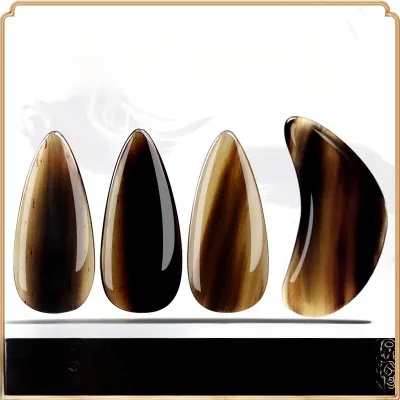

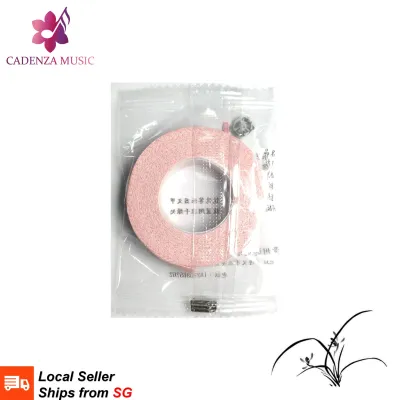
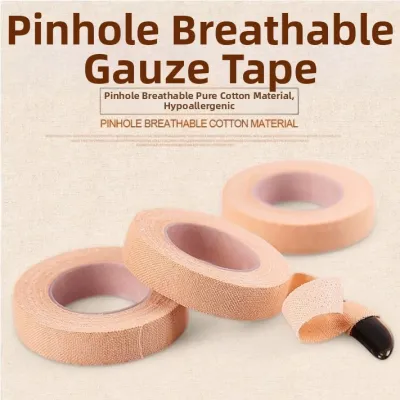
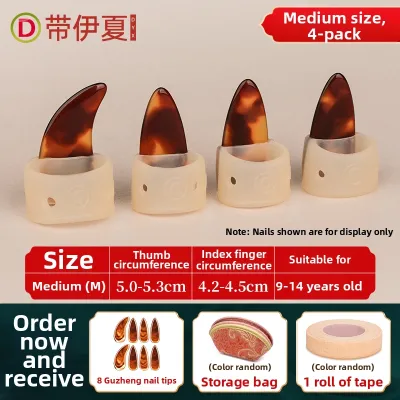
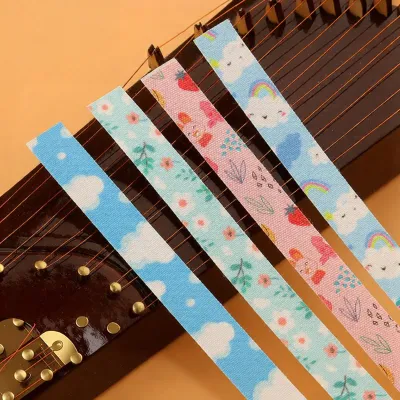
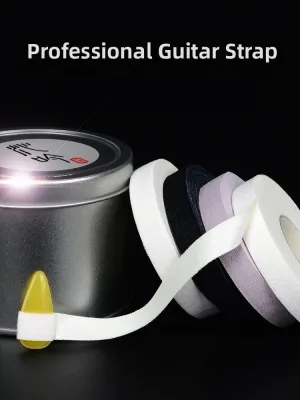
Prices are valid at publication and may change. Please refer to the product page for the latest price.
Beyond the acoustic output, material properties dictate the tactile feedback, or “touch,” that travels back through the pick to your fingertips. A stiff, unyielding pick provides immediate resistance, allowing you to feel the exact tension of the string. This level of feedback is crucial for executing precise dynamics and fast, complex ornamentation. A more flexible pick, on the other hand, bends slightly under pressure, cushioning the impact. While this makes playing feel smoother and less fatiguing for developing hands, it can obscure the fine tactile sensations needed for advanced control.
Comparing the Sound and Feel of Common Guzheng Nails and Materials
Selecting the right guzheng nails requires weighing the unique acoustic profiles, physical durability, and practical limitations of several distinct materials. While historical players favored natural organic substances, modern manufacturing has introduced a wide array of synthetic polymers designed to meet diverse musical demands.

Genuine Tortoiseshell vs. Modern Synthetic Alternatives
For centuries, genuine tortoiseshell—specifically harvested from the hawksbill sea turtle—was considered the gold standard for guzheng picks. Its unique cellular structure offers a perfect balance of high density, natural elasticity, and a subtle surface texture that grips the string slightly before release, producing an unmatched warm, full-bodied, and deeply resonant tone. However, the hawksbill turtle is an endangered species, and the international trade of new tortoiseshell is strictly prohibited under the Convention on International Trade in Endangered Species of Wild Fauna and Flora (CITES). Purchasing or importing new, genuine tortoiseshell picks is illegal in Singapore and most jurisdictions worldwide.
In response to these essential conservation laws, manufacturers have developed high-quality synthetic alternatives. Modern specialized celluloid, high-density polymers, and advanced acrylic composites are engineered specifically to mimic the molecular weight and organic feel of natural shell. High-end synthetic tortoiseshell picks deliver a remarkably similar warm, rounded tone with minimal string scratching noise, making them highly favored by professional performers.
These premium synthetic alternatives do carry a higher price tag, often ranging from S$30 to S$80 or more for a complete set, compared to basic plastic options. Additionally, because they are formulated to replicate the organic properties of natural shell, some high-density synthetics can be relatively brittle. They may chip or crack if dropped onto hard tiled floors or subjected to excessive bending. When shopping for these premium options, always purchase from reputable instrument makers or specialized music shops to verify that the materials are legally compliant, high-quality synthetics rather than cheap, mislabeled plastics.
Nylon Picks for Warmth and Flexibility
Nylon is a highly resilient, semi-flexible thermoplastic that serves as an excellent entry point for many guzheng players. Because nylon has a lower density and higher elasticity than acrylic or resin, it absorbs a significant portion of the high-frequency vibration when striking the string. This physical property results in a distinctly warm, mellow, and soft tone, with a noticeable reduction in the harsh “clicking” or “scratching” noises that often plague players who are still refining their hand angles.
The inherent flexibility of nylon makes these picks incredibly forgiving. When a beginner’s hand shape is inconsistent or the angle of attack is slightly off, a nylon pick will bend slightly to accommodate the error rather than catching abruptly on the string. This flexibility reduces the physical shock transmitted to the finger joints, making long practice sessions much more comfortable for muscles and tendons that are not yet accustomed to the rigors of playing.
However, this forgiving nature comes with clear performance trade-offs. Nylon picks lack the rigidity required for sharp, crisp articulation and high-volume projection. When attempting fast-paced, highly percussive modern repertoire or complex tremolos (saozhi), nylon picks can feel sluggish, failing to rebound quickly enough off the strings. The resulting sound can lack definition, with individual notes blending together into a muddy acoustic profile.
Resin and Acrylic Picks for Brightness and Durability
Resin and acrylic (often referred to as polymethyl methacrylate or PMMA) represent the most widely used materials for modern guzheng nails. These materials are characterized by their high surface hardness, rigid structure, and exceptional optical clarity. When an acrylic pick strikes a steel or nylon-wound guzheng string, it transfers energy with minimal loss, producing a bright, crisp, and highly articulate tone.
The primary advantage of acrylic and resin picks is their outstanding projection and note separation. Every pluck yields a clean, defined sound, which is essential for modern guzheng compositions that feature rapid tempo changes, complex polyphony, and dramatic dynamic shifts. Furthermore, these materials are incredibly durable, highly resistant to scratching, and completely impervious to moisture. They are also highly affordable, with standard sets widely available at music stores in Singapore for around S$5 to S$15, making them highly accessible.
The main challenge of using hard resin or acrylic is the lack of physical forgiveness. Because the material does not flex, any error in your plucking angle will be immediately translated into a harsh, metallic screech or an unpleasant scratching noise against the wound strings. Achieving a warm, rounded tone with acrylic picks requires a highly disciplined technique, specifically a precise 45-degree angle of attack and a relaxed, controlled release of the finger joint.
Matching Nail Materials to Your Skill Level and Repertoire
To choose the best material for your guzheng nails, you should align the physical properties of the picks with your current technical proficiency and the specific musical styles you are studying.
Beginners (First 1–2 Years of Study) For those who are building foundational hand shapes, learning basic plucking techniques like tuo, pi, and mo, and developing finger strength, standard acrylic or nylon picks are highly recommended. Nylon picks are exceptionally forgiving of improper plucking angles and help minimize frustrating string noise, allowing you to focus on rhythm and hand posture. Standard acrylic picks, on the other hand, are excellent for learning how to produce a clear, strong tone without having to press too hard. Both materials are highly cost-effective, meaning you can easily replace them as you experiment with different sizes and shapes.
Intermediate Players (Grade 3–6) As your hand posture stabilizes and you begin learning more complex techniques such as rapid tremolo (yaozhi) and double-note plucking, you will require greater precision and tonal control. At this stage, transitioning to thicker, high-grade acrylics or entry-level synthetic tortoiseshell alternatives is ideal. These materials offer the rigidity needed for fast, responsive tremolos while allowing you to practice drawing out a warmer, more nuanced tone through subtle adjustments in your finger pressure and attack angle.
Advanced and Professional Players (Grade 7 and Above) Advanced musicians typically maintain a collection of different guzheng nails to match the specific demands of their repertoire.
- For Traditional Repertoire: When performing regional styles (such as Henan, Chaozhou, or Shandong school pieces) that rely heavily on deep, expressive left-hand pitch bendings (yin, rou, hua, chan) and require a warm, singing, vocal-like tone, high-density synthetic tortoiseshell or premium celluloid picks are the preferred choice.
- For Modern Concertos: When tackling contemporary, fast-tempo concertos that demand explosive volume, percussive strikes, and rapid-fire note clarity across the entire register, specialized ultra-hard resins or high-density acrylic picks are indispensable.
Ultimately, while these guidelines provide a structured starting point, personal ergonomics and tonal preferences should guide your final decision. Every player’s hand anatomy, skin sensitivity, and instrument setup are unique, so testing different materials over several weeks of practice is highly encouraged.
Beyond Material: How Thickness and Fit Affect Playability
While material chemistry dictates the fundamental tone, the physical dimensions and structural design of your guzheng nails are equally critical to your overall playability and hand health.
Thickness and Edge Beveling The thickness of a guzheng pick directly influences its flexibility and volume potential. Thinner picks (typically around 1.5 mm to 1.8 mm) offer greater agility and a lighter feel, making them popular for rapid, delicate tremolo techniques. However, they can sound thin or tinny on the bass strings. Thicker picks (ranging from 2.0 mm to 2.5 mm or more) provide the mechanical leverage needed to drive the heavy bass strings of the guzheng, producing a much louder, fuller, and more robust sound. Additionally, the edge of the pick must be smoothly beveled; a sharp, unpolished edge will create a harsh, scraping sound, while a well-rounded, polished bevel allows the pick to glide effortlessly off the string.
Curvature and Ergonomic Fit Guzheng nails are not completely flat; they feature an inner curvature designed to cup the natural contour of your fingertip. A pick with a curvature that matches your finger shape ensures that the pick remains stable and secure when wrapped with specialized cotton adhesive tape. If the inner curve is too flat, the pick will wobble or slip during fast passages, forcing you to wrap the tape uncomfortably tight, which can restrict blood circulation and lead to joint strain. Conversely, if the curve is too steep, it will pinch the sides of your fingers, causing pain during extended play.
When purchasing guzheng nails, always refer to the manufacturer’s sizing charts, which typically categorize picks by length (Small, Medium, Large) and width. If standard commercial sizes do not provide a comfortable fit, consider exploring adjustable or custom-molded options that can be gently warmed and shaped to match your unique fingertip anatomy perfectly.
Daily Care and Maintenance for Long-Lasting Guzheng Nails
Proper maintenance of your guzheng nails preserves their acoustic properties, ensures a clean contact surface with the strings, and significantly extends their lifespan.
Post-Play Cleaning Routine Every time you play, your picks accumulate a mixture of natural skin oils, perspiration, fine dust, and adhesive residue from the cotton finger tape. Over time, this buildup creates a sticky, dull film on the surface of the pick, which increases friction against the strings and introduces a muddy, scraping sound to your tone. After each practice session, take a moment to gently wipe down your picks using a dry or slightly damp microfiber cloth. For stubborn tape adhesive residue, a tiny drop of mild dish soap on a damp cloth can be used, but ensure you wipe the pick completely dry immediately afterward.
Safe Storage Practices Never toss your guzheng nails loosely into your instrument case or accessory bag, where they can rub against metal tuning keys or other hard objects. This can scratch the polished plucking edges, creating microscopic grooves that ruin the tone. Instead, store your picks in a dedicated, padded pick case. Many cases feature individual slots or soft foam inserts that keep the picks separated and protected from physical impact.
Environmental Safety and Material Protection Synthetic polymers, celluloid, and resins are highly sensitive to extreme environmental conditions. In humid and tropical climates like Singapore, leaving your picks in enclosed, hot spaces—such as inside a car parked in direct sunlight—can cause the materials to warp, discolor, or become brittle.
- Warning: Never use harsh chemical solvents (such as acetone, nail polish remover, or high-concentration rubbing alcohol) to clean your picks, as these chemicals can dissolve or severely degrade celluloid and acrylic materials.
- Warning: Avoid soaking your picks in hot water, exposing them to open flames, or leaving them on hot surfaces, as extreme heat will permanently warp their carefully calibrated curvature.
Frequently Asked Questions (FAQ)
How often should I replace my guzheng finger picks?
The lifespan of your guzheng nails depends on your playing frequency, the hardness of the material, and your technique. You should inspect your picks regularly for physical signs of wear. Look closely at the plucking tip and edges; if you notice deep grooves worn into the material, chipped edges, or a rough, jagged texture, it is time for a replacement. Playing with worn picks introduces a harsh scratching noise and can damage the protective nylon winding on your guzheng strings. While minor surface scratches can sometimes be gently buffed out using an ultra-fine nail polishing block, deep structural wear or cracks require a brand-new set to restore optimal tone and response.
Can I use the same guzheng nails for both left and right hands?
While some entry-level, completely flat picks are symmetrical and can technically be worn on either hand, most high-quality guzheng nails are ergonomically designed for a specific hand. The picks for your right hand are typically contoured with a specific angle and curvature to match the natural inward plucking motion of the right hand’s fingers. The thumb pick, in particular, features a distinct, dramatic curve (often angled at 45 degrees) to allow the thumb to strike the strings horizontally. Left-hand picks, when used for executing left-hand accompaniment or dual-handed melodies, are mirrored to accommodate the opposite striking angle. Always check the manufacturer’s packaging to ensure you are wearing the correct left- or right-hand set, as forcing an incorrectly angled pick onto your finger will severely compromise your technique, tone, and physical comfort.
Community discussion
Share your experience or ask a question. Comments are reviewed before publication.