
Choosing the right guzheng string is one of the most critical decisions affecting your instrument’s voice, playability, and longevity. The strings serve as the primary medium of vibration, translating your physical touch into the rich, resonant tones characteristic of this traditional Chinese zither. Modern guzheng strings primarily fall into three categories: nylon-wound steel, pure nylon, and traditional silk. Each material offers a distinct acoustic profile, ranging from the bright, clear projection of steel-core strings to the warm, intimate whisper of silk. Understanding these material differences allows you to tailor your instrument to your specific playing style, skill level, and musical repertoire.
Understanding Guzheng String Materials and Their Sound Profiles
To make an informed decision, you must first understand how different string constructions produce their unique acoustic properties. The materials used in a string dictate its density, elasticity, and vibrational frequency, directly shaping the overall character of your instrument’s sound.
Nylon-Wound Steel Strings
Nylon-wound steel strings are the contemporary standard for the vast majority of modern 21-string guzhengs. These strings feature a high-carbon steel core wrapped in a protective layer of nylon thread. This hybrid construction combines the structural strength and high tension of metal with the smoother, softer tactile feel of synthetic materials. Acoustically, nylon-wound steel strings are associated with a bright, highly resonant, and loud tone. They offer excellent sustain and projection, making them ideal for large performance venues. However, the exact tonal brightness is not uniform; it depends heavily on the manufacturer’s specific winding thickness and core gauge. Thicker cores generally yield a deeper, more robust tone, while thinner cores produce a sharper, more piercing treble.
Products mentioned in this guide
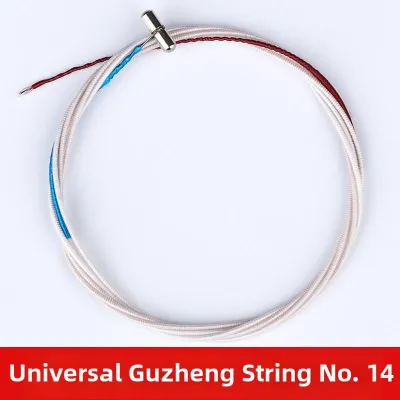



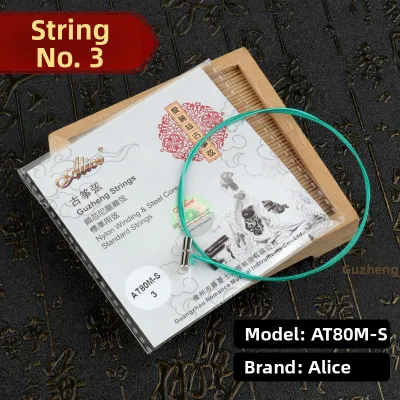
Prices are valid at publication and may change. Please refer to the product page for the latest price.
Pure Nylon Strings
Pure nylon strings contain no metal core, relying entirely on synthetic polymers for their structural integrity. These strings produce a significantly warmer, softer, and more muted tonal quality compared to their steel-core counterparts. Because nylon is inherently more elastic and less dense than steel, it dampens high-frequency overtones, resulting in a mellower sound with shorter sustain. This acoustic profile is highly valued by players seeking a traditional, introspective atmosphere, as it minimizes the sharp metallic “click” often associated with modern steel strings. Pure nylon strings are frequently chosen for intimate parlor performances or specific regional styles that prioritize subtle tonal shading over raw volume.
Silk Strings
Silk strings represent the historical foundation of the guzheng, used for centuries before the advent of metal and synthetic materials. Made from twisted strands of natural silk, these strings produce an incredibly subtle, warm, and earthy tone. They have very low projection and a highly delicate resonance, requiring a quiet environment to be fully appreciated. Silk strings also have lower physical durability and are highly sensitive to environmental changes. Today, they are rarely used for daily practice or modern compositions. Instead, they are primarily reserved for historically informed performances, antique instruments, or specialized academic research.
Reading Product Labels
When shopping for a guzheng string, it is essential to read product labels carefully rather than relying solely on vague marketing terms like “professional grade” or “soloist quality.” Verify the actual material composition, core type, and winding specifications listed on the packaging or online product description. Look for details such as the specific steel alloy used for the core, the density of the nylon wrapping, and the gauge measurements of individual strings. Reputable manufacturers will provide clear technical specifications, allowing you to choose a set that matches your desired tension and tonal profile.
How String Materials Affect Playing Technique and Expression
The physical properties of your chosen string material do more than shape your tone; they directly influence how the instrument responds to your hands. Your left-hand ornaments, right-hand plucking dynamics, and overall physical endurance are all deeply affected by the strings you install.

Tension and Finger Resistance
Steel-core strings require significantly higher tension to reach standard pitch compared to pure nylon or silk. This higher tension translates into greater physical resistance when you press the strings. For the left hand, which executes pitch alterations behind the bridges, steel-core strings demand substantial finger strength and can accelerate player fatigue during long practice sessions. Pure nylon and silk strings, having lower tension, offer much less resistance. While this makes them physically easier to press, it also requires a highly refined touch to avoid accidentally over-pressing and pushing the notes out of tune.
Vibrato and Pitch Bending
Left-hand techniques such as vibrato (chan yin) and deep pitch bending (nao ya) rely on the elasticity and stiffness of the string. The high stiffness of steel-core strings means that even small, subtle movements of the left hand will produce clear, immediate pitch modifications. However, achieving a deep, dramatic pitch bend requires a forceful downward press. Conversely, the high elasticity of pure nylon allows for a wider physical range of movement with less effort. When exploring different string sets, you should test how different gauges respond to your left-hand pressure to find a balance that allows for expressive pitch control without straining your joints.
Plectrum Interaction
The interaction between your plectrums (fingerpicks) and the string surface determines the initial attack and articulation of each note. When plucking nylon-wound steel strings with standard tortoiseshell or synthetic plastic picks, the nylon wrapping dampens the harsh, metallic impact of the pick against the steel core, providing a clean, defined attack with minimal surface noise. Pure nylon and silk strings have a softer, more yielding surface texture. Plucking these materials produces a rounder, warmer initiation of sound, though it may lack the sharp, crisp articulation required for rapid, modern passages.
Adapting Your Technique
Switching to a different string material requires a conscious adjustment period for your playing technique. If you are transitioning from nylon-wound steel to pure nylon, you will need to lighten your left-hand pressure to prevent excessive pitch deviation, while simultaneously adjusting your right-hand plucking angle to draw out sufficient volume. Conversely, moving to steel-core strings will require you to build up finger stamina and apply more deliberate, grounded force during plucking and pressing. Practicing slow, focused scales immediately after a string change is an effective way to recalibrate your muscle memory.
Matching Strings to Your Guzheng, Skill Level, and Repertoire
Selecting the right strings involves balancing your personal playing goals with the physical capabilities of your instrument. A mismatched setup can hinder your learning progress or, in worst-case scenarios, damage your guzheng.
Beginners vs. Advanced Players
For beginners and standard learners, nylon-wound steel strings are almost universally recommended. Their high durability, exceptional tuning stability, and clear acoustic feedback make them highly forgiving for novice players who are still developing their tuning skills and finger strength. They are also less likely to snap during accidental over-tuning. Advanced players, however, often seek greater tonal nuance and may choose to explore pure nylon or specialized light-gauge wound strings. These advanced options allow experienced players to execute delicate, traditional ornamentations with greater expressive control, even if they require more frequent tuning and maintenance.
Repertoire Considerations
Your choice of music should heavily influence your string selection. Modern guzheng compositions, characterized by rapid-fire plucking, complex percussion-like techniques, and wide dynamic ranges, benefit immensely from the projection, bright clarity, and fast response of nylon-wound steel strings. On the other hand, traditional regional repertoires—such as the Chaozhou, Hakka, or Shandong schools—rely heavily on deep, expressive left-hand pitch bendings and subtle slides. These classical styles often find their best expression on pure nylon or low-tension wound strings, which emphasize the warm, vocal-like qualities of the instrument over sheer volume.
Instrument Compatibility
Before purchasing and installing a new set of strings, you must verify your instrument’s physical compatibility. Guzhengs are engineered to withstand specific tension limits based on their soundboard thickness, internal bracing, and bridge heights. Installing high-tension modern steel strings on an older, traditional 16-string guzheng, or a lightweight travel instrument, can cause severe structural damage, including warping of the soundboard or collapsing of the bridge support areas. Conversely, putting low-tension nylon strings on a heavy, modern concert guzheng may result in a dull, under-driven sound because the strings lack the energy required to properly vibrate the thick soundboard.
Verification Steps
If you are considering switching to a string material or gauge that differs significantly from your instrument’s original factory setup, take the following precautionary steps:
- Consult the Manual: Check your guzheng's original user manual or documentation for specific string tension and gauge recommendations.
- Contact the Manufacturer: Reach out directly to the manufacturer or an authorized distributor to ask if your specific model can safely accommodate alternative string types.
- Seek Professional Advice: If manufacturer information is unavailable, consult a professional guzheng luthier or an experienced instructor before proceeding with the installation.
Caring for Guzheng Strings in High-Humidity Environments
In tropical, high-humidity regions like Singapore, string maintenance is a constant challenge. Excess moisture in the air accelerates the degradation of both metal and synthetic materials, making proactive care essential to preserving your instrument’s tone and preventing premature string breakage.
Preventing Rust on Steel-Core Strings
Singapore’s relative humidity, which frequently exceeds 80 percent, poses a severe threat to steel-core strings. Sweat and natural oils from your fingers deposit moisture and salts onto the strings during play, accelerating the formation of rust beneath the nylon winding. To prevent this, adopt a strict post-play cleaning routine:
- Wipe Down Immediately: After every playing session, use a dry, clean, lint-free microfiber cloth to thoroughly wipe down each string, removing sweat, skin oils, and dust.
- Use Moisture Absorbers: Keep silica gel packets or specialized instrument dehumidifiers inside your guzheng case when the instrument is stored.
- Control Room Humidity: If possible, store and play your guzheng in an air-conditioned room or a space equipped with an electric dehumidifier to maintain a stable relative humidity level between 40 and 60 percent.
Caring for Nylon and Silk
While pure nylon and silk strings do not rust, they are highly susceptible to other environmental stressors. Extreme temperature fluctuations and direct sunlight can cause synthetic polymers to degrade, lose their elasticity, or become brittle, leading to sudden snapping. Silk strings are particularly reactive to humidity changes, expanding and contracting rapidly, which causes severe tuning instability. Always store your instrument away from direct sunlight, open windows, and direct airflow from air conditioning vents.
Identifying Wear and Tear
Strings do not need to snap to warrant replacement. Regularly inspect your guzheng strings for the following observable signs of wear:
- Fraying Winding: The protective nylon thread wrapping begins to unravel, particularly in the right-hand plucking area or where the string contacts the bridge.
- Discoloration and Rust: Brown or green spots appear beneath the nylon winding, indicating that the inner steel core is corroding.
- Bridge Flattening: The string develops a visible flat spot or indentation at the point where it rests on the wooden bridge.
- Tonal Degradation: The string produces a dull, muddy, or "dead" sound with significantly reduced sustain.
- Tuning Instability: The string struggles to hold its pitch, requiring constant adjustment even during short playing sessions.
Safe Cleaning Boundaries
When cleaning your guzheng strings, never use liquid chemical cleaners, rust removers, furniture polish, or excessive water. These substances can easily seep through the string windings and penetrate the soundboard, causing the wood to swell, warp, or crack. They can also chemically degrade the synthetic nylon wrapping. Stick exclusively to dry, non-abrasive cleaning tools, and consult a professional technician if your instrument requires deep cleaning.
Frequently Asked Questions (FAQ)
Can I mix different string materials on the same guzheng?
While it is technically possible to mix string materials, doing so is generally not recommended for standard setups. Mixing materials—such as using steel-core strings for the lower register and pure nylon for the treble—creates highly uneven tension across the soundboard. This uneven stress can warp the soundboard over time and cause the bridges to slip. Furthermore, it results in inconsistent tonal transitions and volume levels as you play across different octaves. Always consult your instrument’s manufacturer before attempting a mixed-material setup.
How often should I replace my guzheng strings?
There is no fixed expiration date for guzheng strings, as lifespan depends on playing frequency, environmental humidity, and maintenance habits. For casual players practicing a few hours a week, a set of nylon-wound steel strings typically lasts between 6 to 12 months before tonal quality noticeably declines. Highly active players or those living in humid conditions without climate control may need to replace their strings every 3 to 6 months. Always replace a string immediately if you observe visible rust, frayed winding, or persistent tuning instability.
Do I need to adjust the bridges when switching string materials?
Yes, switching to a string material with a different tension, thickness, or elasticity will alter the physical forces acting on the soundboard, which often necessitates adjusting the bridge positions. Because different materials require different amounts of tension to reach the same pitch, your existing bridge placement may no longer yield accurate intonation. When installing new string types, make small, incremental adjustments to the bridge positions while checking the pitch with a digital tuner. If the bridges feel unstable, slide easily, or if you notice any unusual flexing in the soundboard, stop immediately and consult a qualified guzheng technician.
Community discussion
Share your experience or ask a question. Comments are reviewed before publication.