
Choosing the right cello case is a balance between physical protection, daily portability, and budget. The ideal choice depends heavily on how you travel with your instrument, its monetary or sentimental value, and the environmental conditions it will face.
Quick Answer: Which Cello Case Fits Your Transport Needs?
Selecting between a rigid shell and a padded fabric bag is not merely about price; it is a decision that directly impacts the lifespan and structural integrity of your instrument. A cello is a delicate wooden acoustic chamber under immense string tension, making it highly vulnerable to physical impacts and atmospheric shifts. Your choice should align with your daily routine, transit methods, and storage realities.
Choose a hard case if:
Products mentioned in this guide
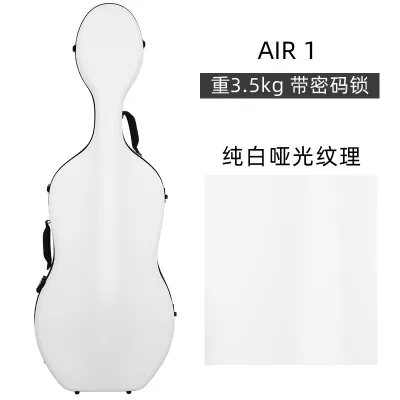
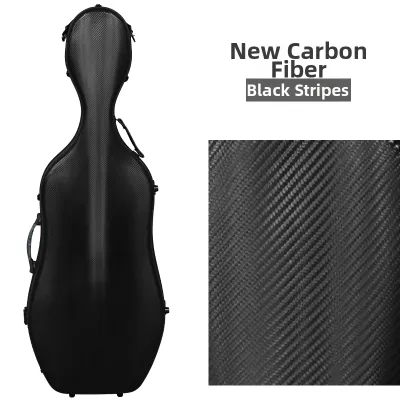
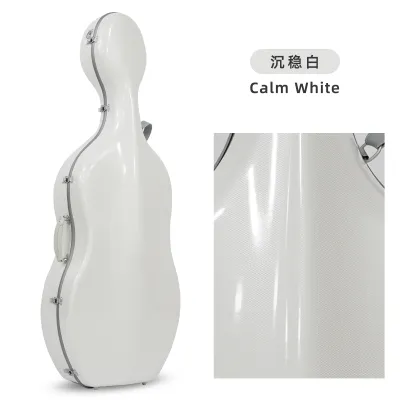

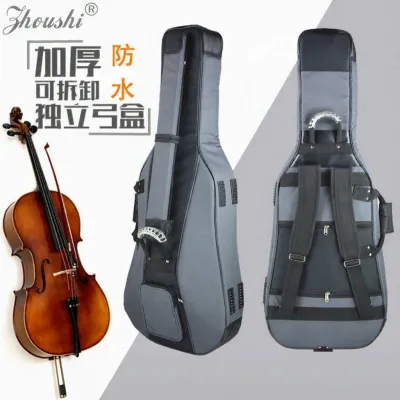
Prices are valid at publication and may change. Please refer to the product page for the latest price.
- You frequently travel by private car, taxi, or airplane, where the instrument is prone to shifting or being stacked under other luggage.
- You own a high-value, professional, or antique instrument that requires absolute crush resistance and structural defense.
- You require strict climate buffering to protect the wood from rapid humidity and temperature fluctuations.
- You need the convenience of standing the case upright during storage or rehearsal breaks.
Choose a soft gig bag if:
- You primarily commute via public transport, such as buses or the MRT, where navigating tight turnstiles and crowded carriages requires a lightweight, body-conforming profile.
- You walk long distances or climb stairs frequently and need to carry the instrument comfortably on your back.
- You are on a limited budget or are housing a durable, student-grade instrument in a highly controlled indoor environment.
- Your storage space is constrained, requiring a case that can be folded or compressed slightly when empty.
Verify first if:
- You plan to travel by air. You must check specific airline cabin baggage policies, as some carriers require purchasing an extra seat for cellos, while others have strict dimensional limits.
- You live in a highly humid environment. You need to verify the quality of the case's weather seals or ensure you have compatible internal climate accessories, such as silica gel packs or specialized humidifiers.
Protection and Climate Buffering: Rigid Shell vs. Padded Fabric
The primary duty of any cello case is to safeguard the instrument from external forces that could crack the wood, warp the neck, or damage the delicate bridge and soundpost. These two case styles handle physical and environmental hazards in fundamentally different ways.

Crush and Impact Resistance
Hard cases are engineered to act as an external skeleton. Typically constructed from fiberglass, carbon fiber, or molded plastics like ABS and polycarbonate, these rigid shells are designed to deflect direct impacts. When a hard case experiences a blow, the rigid outer wall absorbs and distributes the force across its entire surface, keeping the interior chamber intact. This structural integrity is vital if the case is accidentally stepped on, tipped over, or compressed under heavy suitcases in a car boot.
In contrast, soft gig bags rely entirely on layers of high-density foam padding (usually ranging from 10mm to 30mm in thickness) wrapped in a durable fabric exterior. While this padding is excellent at absorbing minor bumps, preventing surface scratches, and dampening low-level vibrations, it offers virtually no crush resistance. If a heavy object falls onto a soft bag, or if the bag is compressed in a packed vehicle, the force is transmitted directly through the foam to the spruce top, bridge, or neck scroll of the cello, often resulting in catastrophic cracks or joint separation.
Puncture and Drop Protection
The outer shell of a hard case provides a formidable defense against sharp objects and severe drops. A fall from a standing position can generate immense kinetic energy; a hard case’s rigid structure and internal suspension system (usually consisting of padded blocks and straps that hold the cello suspended away from the outer walls) prevent the instrument from colliding with the interior shell.
Soft gig bags are vulnerable to punctures from sharp corners, metal railings, or tools. Furthermore, if a cello in a soft bag drops from an upright position, the impact is absorbed directly by the bottom block of the instrument. Even thick foam cannot fully dissipate the energy of a vertical drop, which can split the ribs or loosen the endpin assembly.
Climate and Humidity Buffering
Wooden musical instruments are highly hygroscopic, meaning they absorb and release moisture in response to the surrounding air. Rapid shifts in relative humidity cause wood to expand and contract, which can lead to open seams, cracked tops, and warped fingerboards.
Hard cases generally offer superior climate buffering. Quality hard cases feature tight overlapping rims or rubber gaskets that create a semi-airtight seal when latched. This seal slows down the rate of air exchange, protecting the cello from sudden atmospheric shifts when moving between different environments.
Soft gig bags are constructed from woven fabrics like nylon or polyester. Even with water-resistant coatings, these fabrics are breathable and allow ambient moisture to pass through relatively quickly. This makes the instrument inside highly susceptible to rapid humidity changes.
Local Context: Managing Tropical Humidity
In a tropical, high-humidity environment like Singapore, managing moisture is a constant challenge. Cellists frequently transition from hot, humid outdoor air to highly air-conditioned, dry recital halls or teaching studios. This rapid cycling is particularly dangerous for wooden instruments.
When using a hard case, verify if it features a high-quality weather seal to minimize moisture ingress. For soft gig bags, check if the interior features a moisture-resistant lining. Regardless of which case type you choose, always consult your instrument manufacturer’s care instructions or a professional luthier before introducing climate accessories. It is highly recommended to monitor the interior conditions with a small digital hygrometer and utilize appropriate humidity control packs or silica gel inserts to maintain a stable environment.
Weight and Portability: Navigating Daily Commutes and Stairs
While protection is paramount, you must also consider the physical effort required to transport your cello on a daily basis. The weight and carrying design of your case directly affect your physical comfort and energy levels.
Weight Discrepancy
An empty cello case can vary significantly in weight, and this specification is crucial because it directly adds to the total load on your shoulders or arms.
- Soft Gig Bags: These are exceptionally lightweight, typically weighing between 1.5 kg and 3 kg. This minimal weight makes them highly manageable for younger students, petite players, or anyone who must carry their instrument for extended periods.
- Hard Cases: The weight of a hard case depends heavily on its construction materials. Standard fiberglass cases can weigh anywhere from 4.5 kg to over 6 kg empty. When you add the weight of a standard cello (approximately 3.5 to 4.5 kg), the total package can easily exceed 10 kg. Premium carbon fiber cases are much lighter, often weighing between 2.5 kg and 3.5 kg, but they represent a substantial financial investment.
Always check the exact empty weight specification of any case model you are considering to ensure you can safely and comfortably manage the combined load.
Carrying Mechanisms
Soft gig bags are designed with active mobility in mind. They almost always feature integrated, heavily padded backpack straps, chest clips, and ergonomic grab handles. This backpack-style carry distributes the weight evenly across both shoulders, keeping your hands completely free. This design is incredibly advantageous when navigating crowded public transport, walking through busy MRT stations, passing through turnstiles, or climbing staircases.
Hard cases offer different transport configurations. While many modern hard cases include attachable backpack straps, their rigid, wide profile can make backpacking feel cumbersome and top-heavy. To offset this, many hard cases are equipped with built-in wheels and pull handles. While wheels are incredibly convenient on smooth, flat surfaces like airport terminals, school corridors, or polished concert hall floors, they quickly become impractical on uneven pavements, gravel paths, high curbs, or wet outdoor surfaces. Dragging a hard case over rough terrain also transmits harsh vibrations directly to the instrument, which can loosen tuning pegs or damage the setup.
Ergonomics and Fatigue
Musicians must protect their own bodies from strain and injury. Carrying a heavy, rigid hard case by its side handle over long distances can cause muscle fatigue in the hands, wrists, and shoulders, potentially affecting your playing performance. Younger students or smaller adults may find the sheer bulk of a rigid shell difficult to maneuver, making a highly padded, ergonomic soft gig bag a more practical choice for daily school commutes.
Travel, Storage, and Space: From Car Trunks to Airplane Cabins
How you store your cello at home and how it fits into various modes of transport are critical practical considerations that should influence your purchasing decision.
Vehicle Transport
Hard cases have fixed, unyielding exterior dimensions. When loading a hard case into a vehicle, you must ensure your car boot or backseat has sufficient clearance to accommodate its rigid length and width. You cannot compress or squeeze a hard case to fit a tight space, which can make carpooling with other musicians a logistical challenge.
Soft gig bags offer slightly more flexibility. Because the fabric and foam can compress slightly, a soft bag can sometimes be angled into tighter vehicle spaces more easily than a hard shell. However, you must exercise extreme caution: never stack other luggage, heavy equipment, or other instruments on top of a soft gig bag, and ensure the neck and bridge areas are free from any pressure.
Home and Studio Storage
In smaller living spaces, apartments, or crowded rehearsal rooms, storage footprint is a key factor.
- Hard Cases: Most hard cases are designed to stand upright independently, supported by rubber feet on the bottom and sides. This allows you to store the instrument vertically in a corner, taking up very little floor space. The rigid shell also protects the cello from accidental bumps by family members or pets while stored.
- Soft Gig Bags: A soft bag cannot stand upright on its own. It must either be laid flat on the floor—occupying significant floor space—or leaned carefully against a wall. Leaning a soft-bagged cello is risky, as it can easily slide, tip over, and suffer severe structural damage upon hitting the floor.
Air Travel and Flying
Flying with a cello is a complex process with strict regulatory boundaries.
- Cabin Luggage: Many cellists prefer to take their instrument into the passenger cabin by purchasing an extra seat. However, airlines have varying policies regarding the maximum dimensions and weights allowed for instrument seats. Never assume a case will be accepted; always verify the airline's specific musical instrument policy and cabin dimensions before booking.
- Checked Baggage: If you must check your cello into the cargo hold, a soft gig bag is completely out of the question. Checking a cello in a soft bag is highly likely to result in a destroyed instrument. Only heavy-duty, flight-rated hard cases—often featuring reinforced corners, heavy-duty latches, and specialized flight covers—are suitable for cargo transport, and even then, risk remains.
Budget and Investment: Evaluating Price Tiers and Long-Term Value
Your budget should reflect not only what you can afford today but also the value of the instrument you are protecting and the expected lifespan of the case.
Price Tiers and Materials
Cello cases span a wide pricing spectrum, largely dictated by the materials used in their construction:
- Entry-Level (Soft Gig Bags): These are highly budget-friendly. They provide basic scratch protection and light padding, making them accessible for beginners and student rental programs.
- Mid-Tier (Heavy Fiberglass & Molded Plastics): These cases offer excellent physical protection at a moderate price point. The primary trade-off is weight; these cases are often heavy and can be tiring to carry over long distances.
- High-End (Carbon Fiber & Advanced Composites): These premium hard cases offer the ultimate combination of high structural strength, excellent climate sealing, and ultra-lightweight portability. However, they can cost as much as a quality student or intermediate cello.
Matching Case Value to Instrument Value
A practical rule of thumb is to scale your protection budget to the value and rarity of your cello.
- If you own a basic student cello, a high-quality, thickly padded soft gig bag (with at least 20mm to 30mm of high-density foam) or a budget molded plastic hard case is usually sufficient.
- If you play a professional, handmade, or antique cello, investing in a premium hard case is highly recommended. The cost of repairing a single major crack on a fine instrument can easily exceed the price of a high-end carbon fiber case.
Long-Term Durability and Warranties
When evaluating cost, consider the long-term value and durability of the product.
Hard cases are highly durable and can easily last for decades. Many premium manufacturers offer structural warranties and sell replacement parts, such as replaceable wheels, latches, and backpack straps, allowing you to extend the life of the case indefinitely.
Soft gig bags have a shorter operational lifespan. Over years of daily use, zippers can split, stitching can fray, fabric can tear, and internal foam padding can gradually compress and lose its shock-absorbing properties. Before purchasing, check the manufacturer’s warranty terms and inspect the quality of the hardware, particularly the zippers and strap attachment points, as these are the most common failure zones on fabric bags.
Quick Comparison: Hard Cases vs. Soft Gig Bags
| Comparison Dimension | Hard Cello Case | Soft Cello Gig Bag |
|---|---|---|
| Crush & Impact Protection | Excellent; rigid outer shell deflects heavy loads | Low; foam absorbs minor bumps but does not resist crushing |
| Climate & Humidity Buffering | High; often features airtight rubber gaskets or tight seals | Low; breathable fabric allows rapid humidity transfer |
| Empty Weight | Moderate to Heavy (approx. 2.5 kg to 6+ kg) | Very Light (approx. 1.5 kg to 3 kg) |
| Primary Carrying Method | Side handle, wheels, or rigid backpack straps | Padded backpack straps and flexible grab handles |
| Public Transit Friendliness | Moderate; bulky profile can be difficult in tight spaces | High; lightweight and conforms slightly to crowded spaces |
| Air Travel Suitability | Conditional; flight-rated models allowed for cargo or cabin | Unsuitable for cargo; cabin use requires airline approval |
| Relative Price Range | Mid-Tier to Premium | Budget-Friendly to Mid-Tier |
| Ideal User Profile | Touring musicians, owners of high-value cellos, car commuters | Students, public transit commuters, budget-conscious players |
How to Make Your Final Decision
To choose the correct level of protection for your cello, follow this systematic decision-making process:
- Assess Your Instrument's Value: Determine the replacement cost or historical value of your cello. High-value instruments warrant the maximum protection of a hard case.
- Map Your Daily Commute: Analyze how you travel. If you walk long distances or use public transport daily, the lightweight ergonomics of a soft gig bag may outweigh other factors. If you travel by car or taxi, a hard case is safer.
- Evaluate Your Storage Environment: Consider where the instrument will live. If you have limited floor space and need to stand the case upright, a hard case is highly advantageous. If you need to fold the case away when playing, a soft bag is preferred.
- Set a Proportionate Budget: Allocate a realistic amount for your case. Ensure you are not under-protecting a valuable asset or over-spending on a basic student instrument.
- Check the Specifications: Before finalizing your purchase, verify critical product details such as empty weight, zipper quality, strap reinforcement, and latch design.
Ultimately, the right cello case is the one that fits seamlessly into your daily routine while providing the specific level of security your instrument needs to remain safe, stable, and ready to play.
Frequently Asked Questions (FAQ)
Can I take a cello hard case as carry-on luggage on a flight?
Whether you can bring a cello hard case into the passenger cabin depends entirely on the aircraft type, the physical dimensions of the case, and the specific airline’s current policies. Most airlines do not allow cellos in standard overhead compartments due to their length. Instead, you will typically need to purchase an extra passenger seat for the instrument. Always contact your airline directly and review their official musical instrument transport guidelines before booking your tickets.
Do I need a humidifier or dehumidifier inside my cello case in Singapore?
Yes, wooden cellos are highly sensitive to humidity fluctuations, which can cause the wood to warp, crack, or suffer from open glue joints. In a tropical climate like Singapore, the primary challenge is the high ambient humidity outdoors combined with dry, air-conditioned indoor spaces. You should consult your luthier or the instrument manufacturer for specific humidity targets. Generally, using a hard case with a tight seal paired with specialized two-way humidity control packs or silica gel inserts can help stabilize the internal microclimate and protect your instrument.
Community discussion
Share your experience or ask a question. Comments are reviewed before publication.