
Choosing the right violin case is a critical decision that directly impacts the longevity, playability, and safety of your instrument. The choice between a hard case and a soft gig bag represents a fundamental trade-off: absolute structural protection and climate buffering versus lightweight, ergonomic carrying convenience. Your daily routine, travel habits, and local climate will ultimately dictate which option serves you best.
Choose a hard case if:
- You regularly commute on crowded public transport, such as buses or the MRT, where your case is vulnerable to bumps, drops, and crushing forces.
- You own a high-value or antique instrument that requires maximum physical security and a tight seal against sudden environmental changes.
- You travel long distances, check your instrument as luggage, or store it in shared spaces where other heavy items could fall on it.
Choose a soft gig bag if:
Products mentioned in this guide
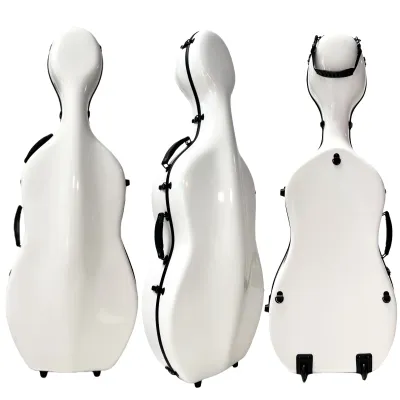
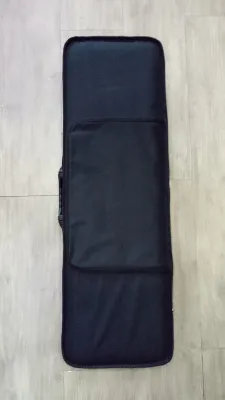
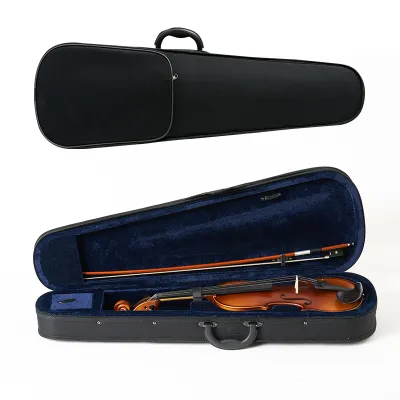
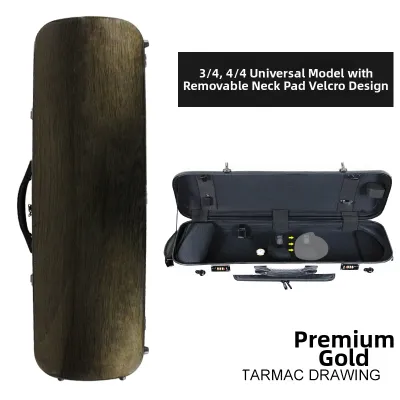
Prices are valid at publication and may change. Please refer to the product page for the latest price.
- You primarily walk, cycle, or take private transport directly between climate-controlled environments, such as your home and a music studio.
- You prioritize reducing physical fatigue and back strain, making a lightweight case essential for young students or musicians with long walking commutes.
- You require extensive external storage for sheet music, standard-sized shoulder rests, and multiple personal accessories in a single, hands-free package.
Hybrid or semi-hard cases exist as a middle ground, typically featuring a compressed foam shell wrapped in a nylon exterior. While they offer better impact resistance than a standard soft bag at a lower weight than a traditional wooden hard case, they often compromise on both fronts. They lack the absolute crush resistance of a true hard shell and remain bulkier than a streamlined gig bag.
Protection and Climate Buffering: Safeguarding Your Instrument
The primary responsibility of any violin case is to shield a delicate, tensioned wooden instrument from physical trauma and atmospheric volatility. Violins are constructed from thin pieces of spruce and maple held together by water-soluble hide glue. This organic construction makes them highly susceptible to external forces and environmental shifts.
Hard cases excel at absorbing and redistributing external impact. Traditional plywood cases offer exceptional structural rigidity, though they are heavy. Modern synthetic alternatives like fiberglass and carbon fiber provide high strength-to-weight ratios. A fiberglass shell deflects direct blows and resists puncture, while carbon fiber offers incredible crush resistance, protecting the violin even if heavy objects are accidentally stacked on top.
In contrast, soft gig bags rely entirely on high-density foam padding. While a thick layer of polyurethane or EPE foam can absorb minor shocks from light bumps, it offers virtually zero structural crush protection. If a soft bag is squeezed in a crowded train or stepped on, the force is transmitted directly to the violin’s bridge, top plate, and delicate soundpost.
In tropical climates like Singapore, humidity management is a constant challenge for string players. Relative humidity outdoors frequently exceeds 80%, while air-conditioned concert halls and classrooms can drop below 50%. This rapid transition causes wood to expand and contract, leading to open seams, slipping pegs, and shifting pitch.
Hard cases generally feature a rubber gasket or a tight-fitting tongue-and-groove valance that seals the interior environment. This seal slows down the rate of humidity exchange, giving the wood time to adapt gradually. Soft gig bags are made of woven fabrics like nylon or polyester, which are naturally breathable. While this breathability prevents stagnant air, it also means the interior climate of a soft bag equilibrates with the outside air almost instantly. A violin in a soft bag moving from a cold, air-conditioned MRT carriage into the humid tropical air outside will experience immediate condensation and rapid moisture absorption.
Regardless of the outer shell material, the interior design must prevent the instrument from moving. High-quality cases of both types utilize a suspension system, which holds the violin at the neck block and tail block, leaving the back and top plates floating slightly above the case floor. This design ensures that if the case suffers an impact, the shock is absorbed by the reinforced blocks rather than the fragile body of the violin. When evaluating a case, ensure the neck strap securely anchors the instrument and that the padding matches the contours of your violin’s upper and lower bouts.
Weight, Portability, and the Daily Commute
For many musicians, the physical effort of transporting an instrument is just as important as protection. Balancing the weight of the case against your physical stamina and transit methods is essential for preventing long-term fatigue and strain.

A traditional wooden oblong hard case can easily weigh between 3.0 kg and 4.5 kg when empty. Once you add a violin, two bows, a shoulder rest, and sheet music, the total weight can exceed 6.0 kg. For young students or adults navigating long walking routes, carrying this weight on one shoulder can lead to muscle imbalance and back pain. Modern carbon fiber hard cases reduce this empty weight to around 1.8 kg to 2.5 kg, but they carry a premium price tag. Soft gig bags represent the ultimate lightweight solution, typically weighing between 0.8 kg and 1.5 kg. This minimal weight makes them highly attractive for players who must carry their instrument alongside schoolbooks or laptop bags.
The way a case distributes weight across your body determines its comfort during a commute. Soft gig bags almost universally feature integrated, heavily padded backpack straps with ergonomic chest or waist connectors. This allows the weight to be distributed evenly across both shoulders, keeping your hands free to navigate tickets, doors, or bicycles. Hard cases often rely on a single molded handle or a basic detachable shoulder strap. While some high-end hard cases offer backpack strap attachments, the rigid, flat back of a hard shell does not contour to your spine, which can cause uncomfortable pressure points during long walks.
The physical shape and footprint of your case affect how easily you can move through crowded environments. Hard cases are available in several shapes, including contoured (shaped like the violin), dart (triangular), and oblong (rectangular). Contoured and dart hard cases have a very slim profile, making them easy to tuck under your arm or hold between your legs on a packed train. Soft gig bags, because of their thick external padding and large, protruding accessory pockets, often have a bulkier, more rounded silhouette. This teardrop shape can make them awkward to maneuver in tight spaces, as they tend to catch on passing objects or passengers.
Singapore’s sudden tropical downpours present a major hazard for instrument transport. The hard outer shell of a fiberglass, carbon fiber, or high-grade plastic case is inherently waterproof. Rainwater simply runs off the surface, and a well-sealed latch system prevents water from seeping into the interior. Soft gig bags, even those made from water-resistant nylon, can eventually saturate during heavy rain. Water can penetrate through the zipper teeth or seams, potentially damaging the wood and varnish of the violin inside. If you choose a soft bag, look for models that include a dedicated, tuck-away waterproof rain cover, or carry an external umbrella that fully covers the bag.
Storage, Accessories, and Bow Holders
A violin case is not just a protective shell; it is also a mobile storage unit for all the tools required for daily practice and performance.
The bow is a delicate and expensive tool that requires precise storage to prevent warped sticks and broken hair. Hard cases typically feature rigid bow spinners or mechanical clips mounted to the lid. These spinners lock the bow frog and tip securely in place, ensuring the bow remains suspended and cannot contact the violin’s body. Soft gig bags often utilize simpler velcro straps or elastic loops to hold the bows. While these are lighter, they do not hold the bow as rigidly, increasing the risk of the bow shifting and rubbing against the violin strings or top plate if the bag is compressed.
Inside a hard case, accessories like rosin, mutes, extra strings, and cleaning cloths are typically stored in dedicated, closed compartments with magnetic or snap lids. This keeps hard, heavy items completely isolated from the instrument. If a container of rosin loose in a case shifts during transit, it can scratch the violin’s varnish or crack the wood. Soft bags often lack these rigid interior compartments, relying instead on external zippered pockets or loose internal mesh pouches. While convenient, players must be cautious not to pack hard items in pockets that press directly against the violin’s body when the bag is zipped closed.
One of the biggest practical drawbacks of hard cases is their limited capacity for larger accessories. Standard shoulder rests, particularly rigid models, rarely fit inside the interior compartments of a contoured or dart hard case. Musicians must either purchase a folding shoulder rest, carry it separately, or opt for a bulky oblong hard case with an external music pocket. Soft gig bags excel in this area. They almost always feature large, expandable external pockets designed specifically to hold full-sized shoulder rests, method books, and orchestral sheet music folders, eliminating the need to carry a secondary bag to rehearsals.
Hard Case vs Soft Gig Bag: Feature Comparison
To help you quickly weigh these competing priorities, the following table summarizes how each case type performs across key operational dimensions.
| Dimension | Hard Case | Soft Gig Bag |
|---|---|---|
| Crush Protection | High; rigid shell resists structural compression | Low; relies on foam padding, vulnerable to heavy loads |
| Typical Empty Weight | 1.8 kg to 4.5 kg (depending on materials) | 0.8 kg to 1.5 kg |
| Climate Buffering | High; sealed gasket slows temperature/humidity shifts | Low; breathable fabric adapts quickly to ambient air |
| Primary Carrying Style | Side handle or single shoulder strap; optional backpack straps | Integrated, heavily padded ergonomic backpack straps |
| External Storage | Minimal to none; may require separate sheet music bag | Extensive; large zippered pockets for music and shoulder rests |
| Ideal User Profile | Musicians commuting via public transit; frequent travelers | Students, walkers, and cyclists traveling short distances |
How to Verify Fit and Quality Before Buying
Investing in a violin case requires careful physical verification to ensure your instrument remains safe. Never assume a case is suitable based on generic product categories alone.
Violins are built in fractional sizes, ranging from 1/16 up to 4/4 (full size). Always verify that the case matches your instrument’s exact size. A full-size violin will physically not fit into a 3/4 case, while placing a fractional violin into a larger 4/4 case is highly dangerous. Without a snug fit, the instrument will slide around during transit, leading to broken bridges, damaged pegs, and structural cracks. If you are buying a case for a non-standard or viola-shaped violin, measure the upper bout, lower bout, and total length, and compare them against the case manufacturer’s internal specifications.
When testing a new case, place your violin inside and conduct a systematic check:
- Bridge Clearance: Ensure the bridge does not come close to touching the lid when closed. Pressing down on the lid should not apply any pressure to the bridge or top plate.
- Neck Support: The neck must rest securely in the neck block, with the scroll suspended freely. The scroll should not touch the bottom or sides of the case.
- Snugness: The violin should not slide side-to-side or up-and-down when the neck strap is fastened.
The overall safety of your instrument relies on the structural integrity of the case’s hardware and assembly. Inspect these critical components before making a purchase:
- Latches and Hinges: For hard cases, test the metal latches and hinges multiple times. They should align perfectly and close with a solid, positive click. Avoid cases with flimsy latches that can easily pop open if bumped.
- Zippers: For soft bags, run the zippers along their entire track. They should glide smoothly without catching on the fabric or teeth. Look for heavy-duty, self-healing zippers.
- Stitching and D-Rings: Examine the points where the carrying straps attach to the case. The D-rings should be heavy-duty metal, securely anchored to the case frame with reinforced, cross-stitched nylon webbing.
Always check the manufacturer’s care and safety instructions for your specific case model. Never lift or carry your violin case by the handle or backpack straps unless you have verified that all latches are fully engaged and zippers are completely closed. If any zipper, latch, or strap joint shows signs of fraying, cracking, or mechanical failure, do not use the case. Consult a professional repair technician or contact the manufacturer for replacement parts to avoid an accidental drop that could destroy your instrument.
Frequently Asked Questions (FAQ)
Can I take a soft violin gig bag on an airplane as carry-on?
Most major airlines permit violins as carry-on items, provided they can fit within the overhead compartments or under the seat in front of you. A soft gig bag is often favored by traveling musicians because its flexible exterior and lighter weight make it easier to squeeze into tight overhead bins. However, flying with a soft bag carries significant risk if flight attendants force you to gate-check the instrument due to limited cabin space. If checked into the cargo hold, a violin in a soft bag is highly likely to be crushed. For frequent flyers, a compact, hard-shell flight case is a much safer investment. Always check your specific airline’s musical instrument policy before departure, and remember to loosen your bow hair slightly to accommodate changes in cabin pressure and temperature.
Do I need a humidifier for my violin case in Singapore?
In Singapore’s tropical climate, the primary environmental threat to a violin is excessive humidity rather than dryness. Because ambient relative humidity consistently ranges between 70% and 90%, using a traditional in-case humidifier (such as a clay-based tube or a damp sponge) is unnecessary and can cause severe damage. Excess moisture leads to wood swelling, warping, mold growth, and the softening of water-soluble hide glues. Instead of adding moisture, musicians in Singapore should focus on dehumidification. Placing specialized two-way humidity control packets or silica gel packs inside the case accessory compartment will help absorb excess moisture and maintain a stable relative humidity of around 45% to 55%. Additionally, never leave your violin case inside a hot, parked car or in direct sunlight, as extreme heat can soften the varnish and damage the wood.
How do I clean the interior velvet of a hard violin case?
Keeping the interior of your violin case clean is essential for protecting your instrument’s finish from abrasive particles. Over time, rosin dust from your bow and fine debris can accumulate on the velvet or plush lining. To clean the interior, first remove the violin and all accessories. Use a soft-bristled brush or a dedicated lint roller to gently sweep away loose dust and particles. For stubborn rosin build-up or light stains, slightly moisten a microfiber cloth with plain water and gently dab the affected area. Avoid soaking the fabric, as excess water can seep into the underlying wooden shell or foam padding, leading to structural rot or mold. Never use harsh chemical solvents, alcohol, or aerosol sprays inside the case, as these substances can leave residues that transfer to and dissolve your violin’s delicate spirit or oil varnish. Allow the interior to air-dry completely in a shaded, well-ventilated room before placing the violin back inside.
Community discussion
Share your experience or ask a question. Comments are reviewed before publication.