
The choice between a hard guitar case and a gig bag depends on how you travel, where you store your instrument, and the vulnerability of the guitar itself. If you frequently subject your guitar to crowded public transport, flights, or stacked gear in a vehicle, a hard case is indispensable for its structural crush resistance. Conversely, if your routine consists of walking to local lessons, light car travel, or quick commutes where you maintain physical control of the instrument at all times, a well-padded gig bag offers superior convenience and comfort without sacrificing necessary safety.
Choosing the wrong type of protection can lead to costly structural damage or unnecessary physical strain during your daily commute. A heavy hard case might discourage you from taking your guitar out at all, while an under-padded gig bag could leave your instrument vulnerable to a snapped headstock from a simple accidental drop. By analyzing your specific routine, the construction of your guitar, and the environments you navigate, you can make an informed decision that balances security with practical usability.
Assessing Your Guitar's Vulnerability and Travel Needs
To determine the baseline protection your guitar requires, start by evaluating your primary transport methods. Walking long distances or cycling demands a lightweight solution with ergonomic backpack straps, making a gig bag highly appealing. However, if your commute involves navigating crowded public trains or buses during peak hours, your instrument is constantly exposed to accidental bumps, tight spaces, and sudden stops where other commuters might lean against your gear. In these high-density environments, the structural rigidity of a hard case provides a vital shield against external pressure.
Products mentioned in this guide
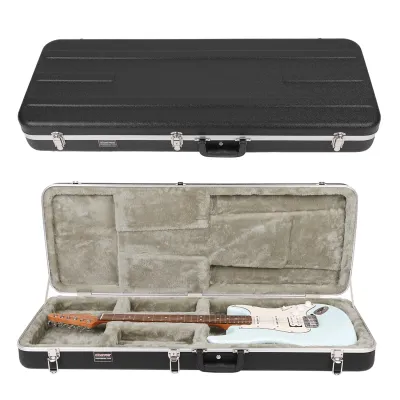



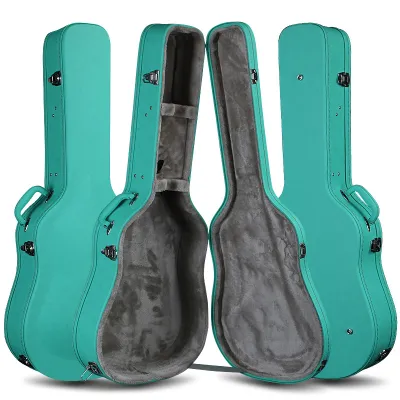
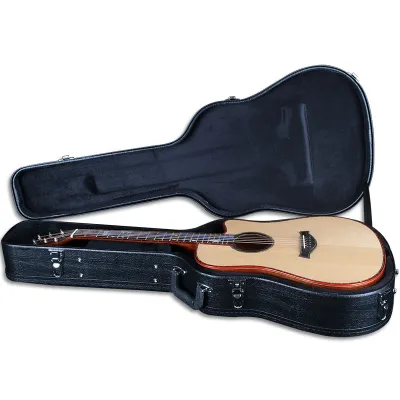

Prices are valid at publication and may change. Please refer to the product page for the latest price.
The physical construction and financial value of your guitar also play a major role in this decision. Solid-wood acoustic guitars are highly delicate, with thin tops and internal bracing that can easily crack under localized pressure or sudden impacts. Laminate acoustic guitars and solid-body electric guitars are inherently more durable, but they are still vulnerable to joint failures and finish damage. If your instrument represents a significant financial investment or carries deep sentimental value, opting for maximum protection is a sensible safeguard against expensive repairs.
Environmental factors are another critical consideration, particularly in regions with high humidity or rapid temperature shifts. Moving an instrument from a cool, air-conditioned room into tropical outdoor heat causes the wood to expand and contract, which can warp the neck or loosen glued joints over time. While neither option is completely airtight without specialized seals, a hard case creates a more stable microclimate that slows down these rapid environmental transitions. Assessing these variables honestly helps you identify where your guitar is most at risk.
Hard Guitar Cases: Maximum Impact Protection
Hard guitar cases are engineered to withstand severe external forces, utilizing a rigid outer shell to absorb and distribute impact energy away from the instrument. Traditional hard cases feature a multi-ply wooden frame wrapped in a durable synthetic material like Tolex, offering excellent structural integrity and classic styling. Modern alternatives include molded ABS plastic or heavy-duty polyethylene shells, which provide exceptional impact resistance, scuff protection, and a slightly lighter overall weight. For extreme travel demands, premium flight cases constructed from carbon fiber or reinforced fiberglass offer the highest level of crush resistance available.

Inside the case, protection is maintained through form-fitting foam padding covered in soft plush fabric, designed to prevent the guitar from shifting during transit. A critical feature of any high-quality hard case is the dedicated neck support cradle. This cradle holds the neck securely in place and ensures the headstock floats freely within the headstock cavity. This design is essential for guitars with angled headstocks, as it prevents the headstock from striking the back of the case during a fall, which is a primary cause of catastrophic neck fractures.
Despite their superior protection, hard cases come with distinct practical trade-offs that you must consider. They are inherently heavy and bulky, often weighing between 4 kg and 8 kg before you even place the guitar inside. Carrying a heavy case by its single side handle over long distances can cause physical fatigue and strain. Additionally, hard cases have a rigid, unyielding footprint that makes them difficult to store in small apartments, pack into compact car boots, or navigate through crowded pedestrian walkways.
Gig Bags: Lightweight Convenience and Basic Shielding
Padded gig bags are designed for musicians who prioritize mobility, comfort, and quick access to their instruments. Unlike rigid cases, gig bags rely on layers of high-density foam padding wrapped in a heavy-duty fabric exterior, such as water-resistant polyester or nylon. The thickness of this padding varies significantly, with entry-level bags offering minimal dust protection and premium models featuring up to 30mm of dense, impact-absorbing foam. This construction shields the guitar from surface scratches, minor bumps, and light weather exposure during daily travel.
One of the greatest practical advantages of a gig bag is its integrated storage capacity. Most gig bags are equipped with multiple exterior pockets of varying sizes, allowing you to carry sheet music, cables, tuners, spare strings, and even a tablet or laptop without needing an additional backpack. This consolidation makes commuting much simpler, as all your musical gear is contained within a single, organized package on your back.
The ergonomic design of gig bags makes them exceptionally easy to carry through busy urban environments. Adjustable, padded backpack straps distribute the weight of the instrument evenly across both shoulders, keeping your hands free to hold handrails, carry other bags, or navigate ticket barriers. However, gig bags have clear protective limitations that you must not overlook. They offer virtually no crush resistance; if a heavy object falls onto a gig bag, or if the bag is compressed under other luggage, the force is transmitted directly to the guitar body and neck.
Direct Comparison: Matching the Case to Your Routine
To choose the right protection, you must weigh the absolute security of a hard case against the daily convenience of a gig bag. This decision is rarely about finding a universal winner, but rather about matching the specific hazards of your routine to the appropriate level of defense. If your guitar never leaves your sight and you are the only person handling it, the physical protection requirements are vastly different than if your instrument is routinely handled by baggage staff or stacked under heavy amplifiers.
When comparing hazards, hard cases excel at mitigating high-energy impacts, crushing forces, and sharp punctures. If a heavy microphone stand falls in a rehearsal studio, a hard case will deflect the blow, whereas a gig bag may allow the object to dent the guitar’s top. In terms of weather resistance, a hard case with a tight-fitting lid and rubber gaskets offers superior protection against heavy downpours and humidity shifts. A gig bag, even one made of water-resistant fabric, can eventually absorb moisture through its zippers and seams during prolonged exposure to wet weather.
A practical decision framework can guide your final choice. You should invest in a hard case if you regularly travel by air, transport your gear in shared vehicles, own a delicate solid-wood acoustic guitar, or need to store your instrument safely for extended periods. On the other hand, a high-quality, thickly padded gig bag is the better choice if you commute locally on foot or transit, always maintain physical control of your instrument, and value the convenience of carrying your accessories and guitar in a single lightweight package.
Verifying Fit and Compatibility Before You Buy
Once you have decided on the type of protection you need, verifying the exact fit and compatibility of the case or bag is crucial to prevent damage. A case that is too loose will allow the guitar to slide around inside, causing finish abrasions or structural impact damage during transit. Conversely, a case that is too tight can exert constant, excessive pressure on the bridge, control knobs, or neck joint, which can lead to warping or structural failure over time.
To ensure a proper fit, always measure your guitar’s physical dimensions rather than relying solely on generic category labels like “dreadnought” or “electric.” Measure the overall length, the width of the upper and lower bouts, the depth of the body, and the total length of the neck. Compare these measurements directly against the manufacturer’s specified internal dimensions for the case or gig bag. Pay close attention to the headstock angle; guitars with pronounced headstock angles require deeper headstock cavities to ensure the wood does not press against the back of the case.
Additionally, inspect the quality of the hardware and structural components before making your purchase. For hard cases, verify that the latches align perfectly and close securely without requiring excessive force, and check that the hinges are robust and free of play. For gig bags, examine the quality of the zippers, looking for heavy-duty, self-repairing nylon coil designs with sturdy pulls. Inspect the stitching at high-stress areas, particularly where the backpack straps and carrying handles attach to the main body of the bag, as these seams bear the full weight of your instrument.
Frequently Asked Questions (FAQ)
Can I use a gig bag for checked luggage on a flight?
Checking a standard gig bag into an aircraft cargo hold is highly risky and generally not recommended. Cargo holds subject luggage to extreme shifting, stacking, and rough handling that soft padding cannot withstand. If you must travel by air, check the airline’s carry-on policy for musical instruments, or invest in a certified flight-ready hard case with a high crush rating.
Do hard cases protect against humidity changes?
Hard cases do not completely seal out moisture unless they feature specialized airtight rubber gaskets, but they do slow down the rate of environmental exchange significantly compared to gig bags. This buffer gives you time to manage the internal climate using specialized guitar humidifiers or dehumidifying packs. To maintain a stable environment, keep the case closed as much as possible when the instrument is not in use.
Is a molded plastic case better than a wooden hard case?
Neither material is universally superior; the choice depends on your specific travel demands. Molded plastic cases (like ABS) are highly impact-resistant, resilient against scuffs, and often lighter, making them excellent for active local transport and general travel. Wooden hard cases offer traditional structural rigidity and excellent thermal insulation, which helps stabilize internal temperatures, but they can be heavier and more susceptible to exterior cosmetic damage over time.

Community discussion
Share your experience or ask a question. Comments are reviewed before publication.