
Choosing the right violin case is a balance of physical protection, weight, and environmental resistance. If you regularly navigate busy public transit, walk through sudden tropical downpours, or travel long distances, your case requirements will differ significantly from a musician who primarily moves their instrument in a private vehicle. There is no single ideal material for every player; instead, the right choice depends on how you travel and where you store your instrument.
Traditional hard shell cases offer robust crush resistance for vehicle travel, soft gig bags provide lightweight convenience for short walks, and carbon fiber cases deliver a balanced combination of strength and low weight for frequent flyers. By understanding the unique characteristics of each construction type, you can select a case that safeguards your violin without adding unnecessary physical strain to your daily routine.
Understanding the Core Trade-Offs: Protection, Weight, and Durability
When evaluating violin cases, it is helpful to distinguish between impact protection and crush protection. Impact protection refers to how well a case absorbs the shock of a sudden drop or bump, preventing the energy from transferring to the delicate neck, bridge, or soundpost of your violin. Crush protection, on the other hand, is the case’s ability to withstand heavy external loads, such as another heavy bag stacked on top of it in a luggage compartment or a car trunk.
Products mentioned in this guide
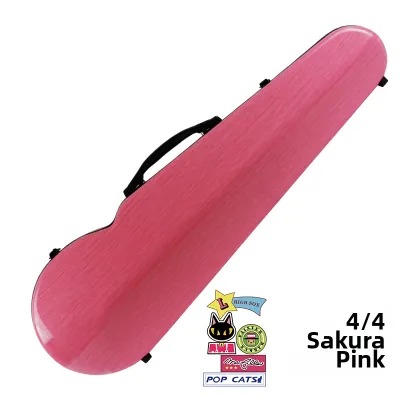
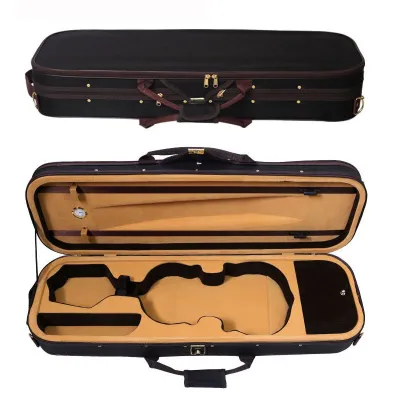
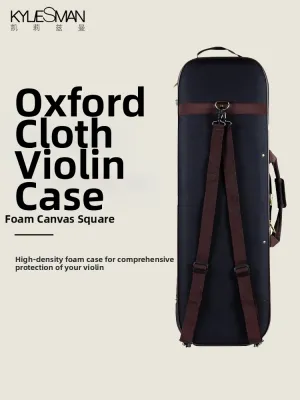
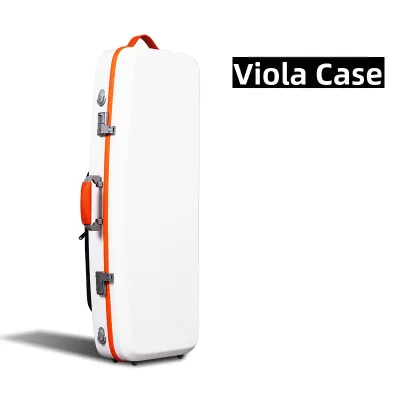
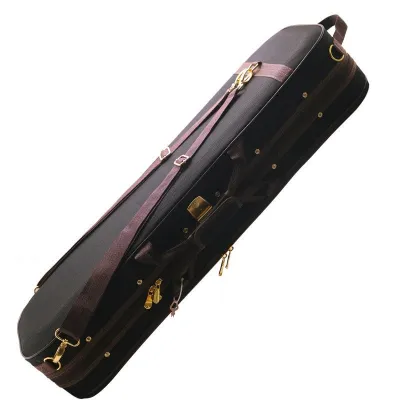
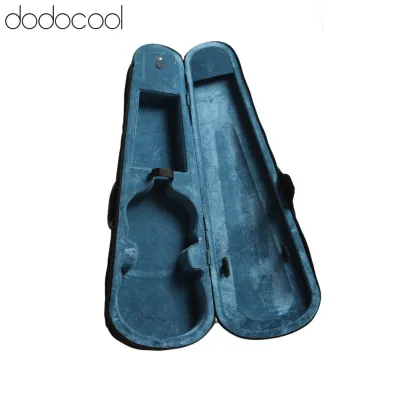
Prices are valid at publication and may change. Please refer to the product page for the latest price.
Weight is another critical factor that directly impacts your daily commuting experience. A heavy case can strain your shoulders and back over time, especially if you walk long distances or stand on crowded trains. Conversely, an ultra-lightweight option makes commuting effortless but may require you to be much more cautious about where you place the case during transit.
Environmental durability is equally vital, particularly in humid climates like Singapore, where sudden rainstorms and high moisture levels can threaten the wood and varnish of your instrument. The exterior material must repel water effectively, while the interior lining must be soft, padded, and chemically inert to avoid reacting with or softening the violin’s delicate oil or spirit varnish.
Hard Shell Cases: Maximum Impact Protection
Traditional hard shell cases, typically constructed from plywood, fiberglass, or heavy-duty ABS plastic, remain the standard for structural security. Plywood cases, often covered in durable nylon fabric, offer excellent thermal insulation and structural rigidity, making them highly resistant to external crushing forces. Fiberglass and ABS plastic shells provide a hard, impervious outer barrier that deflects direct impacts and resists punctures from sharp objects.

However, this high level of physical security comes with a noticeable trade-off in weight and bulk. Traditional wooden double-violin cases or heavy fiberglass shells can easily weigh four to six kilograms when fully loaded, which can quickly become exhausting during a long walk or a commute on public transport. The rigid, boxy dimensions of these cases also make them more difficult to store in tight spaces or carry through crowded areas.
These cases are ideal for musicians who primarily travel by private car or school bus, where the instrument is likely to be stacked under other gear or subjected to sudden stops. If your priority is maximum crush resistance and you do not mind carrying a heavier load over short distances, a traditional hard shell case offers dependable protection.
Soft Gig Bags: Lightweight Portability
Soft gig bags, constructed from heavy-duty woven textiles like nylon or canvas with internal foam padding, prioritize lightweight mobility above all else. These bags often feature ergonomic backpack straps, external pockets for sheet music, and accessory compartments, making them incredibly convenient for students and casual players on the move. They allow you to keep your hands free while walking or cycling short distances.
While a high-quality gig bag can protect your violin from minor scratches, light bumps, and brief exposure to drizzle, it lacks any rigid structural framework. This means it offers virtually zero crush protection; if a heavy object falls onto a soft bag, or if someone accidentally steps on it, the force is transmitted directly to the instrument inside. The soft fabric can also absorb moisture over time if exposed to heavy rain, potentially exposing the wood to humidity fluctuations.
Consequently, soft gig bags are best suited for short, supervised trips where you retain full control over the environment. They serve well as a secondary case for quick walks to a local lesson or rehearsal, provided you can guarantee the instrument will not be stacked, squeezed, or left unattended in a crowded space.
Carbon Fiber Cases: The Premium Balance
Carbon fiber cases represent a modern, high-tech solution designed to offer the structural strength of a hard shell at a fraction of the weight. The material’s exceptional strength-to-weight ratio allows manufacturers to build incredibly thin, rigid shells that protect against heavy impacts while remaining remarkably light and easy to carry. This makes them highly popular among professional musicians who must carry their instruments for hours.
Despite these advantages, carbon fiber has specific physical properties that require careful consideration. The material is an excellent conductor of heat, meaning a carbon fiber case can transfer external temperature changes to the interior much faster than a traditional wooden case. In hot, humid climates, leaving a carbon fiber case in a sunny spot or a parked car can rapidly overheat the instrument, potentially softening the varnish or causing the wood to warp.
Additionally, while carbon fiber is incredibly strong under distributed loads, some lightweight shells can be vulnerable to sharp, concentrated impacts that might crack the composite material. Because these cases represent a significant financial investment, often costing hundreds of dollars (S$), it is essential to verify the manufacturer’s specific guidelines regarding impact resistance and thermal insulation before purchasing. They are ideal for touring professionals and frequent flyers who need maximum structural protection without the physical strain of a heavy traditional case.
Decision Framework: Which Violin Case Fits Your Situation?
To choose the right case, evaluate your primary mode of travel, your daily environment, and your budget. If you travel mostly by private vehicle, require maximum crush protection, and prefer a budget-friendly option, a traditional wood or heavy-duty ABS hard shell case is your best choice. This option ensures your instrument remains safe even when packed alongside other luggage or equipment.
If you only walk short distances, have a limited budget, or need a lightweight backup case for supervised trips, a padded soft gig bag offers the necessary convenience. However, you must accept the lack of structural crush protection and handle the bag with constant care, ensuring it is never placed in a position where it could be stepped on or compressed.
If you are a frequent flyer, commute daily on busy public transit, and have the budget for a premium accessory, a carbon fiber case provides a highly effective balance of lightweight portability and high impact resistance. Be prepared to manage interior temperatures actively, perhaps by using an insulated case cover, to protect your instrument from rapid heat transfer.
Before making any purchase, always verify that the case matches your violin’s exact dimensions, whether you play a full-size (4/4) or a fractional instrument. Check the interior layout to ensure it accommodates your preferred number of bows and has sufficient storage space for shoulder rests, rosin, and spare strings.
Essential Features to Verify Before Buying
Beyond the outer shell material, several internal features dictate how well a case protects your violin day-to-day. Look for a reliable interior suspension system, which uses padded foam blocks to float the violin inside the shell, preventing the back and top plates from contacting the outer walls directly and isolating the bridge and soundpost from external shocks.
Examine the hardware quality, including the durability of the bow spinners and the security of the accessory compartments. Loose bows or sliding accessories inside a case can easily scratch or dent the violin’s varnish during transit. Ensure the neck strap holds the instrument securely in place so it cannot shift when the case is carried vertically.
Finally, check the quality of the exterior seals and latches. A high-quality case should feature a continuous rubber weather-sealing strip along the closure seam to block out dust and sudden tropical downpours. If the case includes a built-in hygrometer or humidifier mount, verify the manufacturer’s instructions for proper calibration and use to maintain a stable internal environment.
Frequently Asked Questions (FAQ)
Can I check a soft gig bag as airline luggage?
No, soft gig bags do not provide the structural crush protection required for the cargo hold of an aircraft. Baggage handling systems and stacked luggage can easily crush a soft bag, leading to catastrophic damage to your violin. Always check your specific airline’s musical instrument policy regarding carry-on allowances, size restrictions, and liability limits before traveling.
How do I maintain the interior humidity of my violin case?
Maintaining stable humidity is crucial for preventing cracks in your violin’s wood. Use a dedicated case humidifier strictly according to the manufacturer’s instructions, ensuring that no liquid water leaks onto the instrument. Monitor the humidity levels using a reliable built-in or digital hygrometer, aiming for a stable range, and avoid placing moisture sources in direct contact with the violin’s varnish.
Community discussion
Share your experience or ask a question. Comments are reviewed before publication.