
Quick Answer: Which Drumstick Material Should You Choose?
Selecting the right drumstick material directly shapes your speed, tone, and hand comfort behind the kit. Choose hickory if you require a versatile, all-purpose stick with excellent shock absorption and a balanced weight for diverse musical styles. Opt for maple if you prefer a lightweight, highly responsive stick that excels in low-volume acoustic settings, jazz, or intricate orchestral work. Select carbon fiber if your priority is extreme durability, consistent weight, and a bright, high-projection sound for heavy rock, metal, or marching applications. Before purchasing, always verify your preferred stick profile, taper, and tip material, as these physical dimensions interact with the material to define the final feel.
Understanding Drumstick Wood and Synthetic Materials
To understand how a drumstick behaves under impact, you must look at the physical properties of the materials. Hickory is the traditional standard, prized for its high density, strength, and natural fibrous structure. This dense grain pattern allows hickory to flex slightly under heavy impact, absorbing a significant portion of the shock before it reaches your wrists.

Maple is a much lighter hardwood with a lower density than hickory. Because of this, a maple stick of the exact same dimensions as a hickory stick will feel significantly lighter in the hand. The grain of maple is fine and uniform, providing a highly consistent flex but making the wood more delicate under high-impact forces.
Products mentioned in this guide

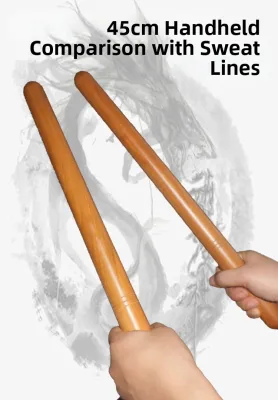
Prices are valid at publication and may change. Please refer to the product page for the latest price.
Carbon fiber represents a modern, synthetic alternative constructed from microscopic carbon filaments bound by a polymer resin. This composite structure yields exceptional rigidity and a highly uniform density that cannot be replicated in natural wood. Because carbon fiber is manufactured under strict industrial tolerances, every stick in a production run is virtually identical in weight and balance.
Environmental factors also play a critical role in material selection, particularly in tropical climates like Singapore. Wood is a hygroscopic material, meaning it naturally absorbs and releases moisture from the surrounding air. High relative humidity can cause wood sticks to swell, warp, or become structurally soft over time. Carbon fiber is completely non-porous and impervious to atmospheric moisture, ensuring the sticks remain perfectly straight regardless of local climate conditions.
Comparing Feel, Rebound, and Playability
The tactile feedback of a drumstick—often referred to as the “feel”—is determined by how the material handles vibration and transfers energy back to your hands. Hickory is highly regarded for its natural vibration-dampening qualities. When you strike a drum or cymbal, the fibrous grain of hickory dissipates the high-frequency shock waves, resulting in a comfortable, organic feel that minimizes hand fatigue during long practice sessions.
Carbon fiber, due to its extreme structural rigidity, transfers vibration much more directly than wood. While this provides an incredibly precise, immediate response, it can also feel stiff or harsh to players accustomed to the natural flex of wood. Some manufacturers attempt to mitigate this by incorporating internal dampening cores, but the overall sensation remains distinctly solid and direct.
Rebound speed and control are where maple sticks truly shine. Because maple is lightweight, it requires less physical effort to accelerate and decelerate, making it highly responsive for rapid rudiments, double-stroke rolls, and delicate ghost notes. The reduced mass allows you to execute fast, intricate patterns with minimal wrist strain, though you may need to work harder to produce high-volume accents.
The balance point of a stick is heavily influenced by its material density. A dense hickory stick often feels more front-heavy, which naturally assists in producing powerful, downward strokes. A lighter maple stick shifts the perceived balance point closer to the hand, offering a nimble feel that enhances control over subtle dynamic variations. Understanding these physical dynamics helps you choose a material that complements your natural hand technique.
Durability, Lifespan, and Wear Patterns
The lifespan of a drumstick is a major consideration for any active drummer, directly impacting your ongoing gear expenses. Wood and synthetic materials exhibit vastly different wear patterns when subjected to repetitive impact against metal cymbals and hard drum rims. Hickory tends to wear down gradually, chipping and splintering along its grain lines over weeks or months of use. This progressive degradation is highly predictable, allowing you to see when a stick is nearing the end of its life before it actually fails.
Maple, being softer and less dense, exhibits a different wear pattern. It is highly susceptible to denting and compression, especially along the shoulder and neck where rimshots occur. When maple sticks fail, they often snap suddenly along a grain line without the gradual splintering phase characteristic of hickory. This makes carrying spare sticks essential when performing with maple.
Carbon fiber sticks offer a level of durability that far exceeds traditional wood. They do not chip, splinter, or dent under normal playing conditions, making them highly cost-effective over the long term despite a higher initial purchase price in S$. However, carbon fiber is not indestructible; its failure mode is characterized by structural fatigue. Over time, the internal composite layers can develop micro-fractures, eventually leading to a clean, sudden snap during a performance.
Your individual playing technique is the single greatest factor accelerating material degradation across all stick types. A tight, rigid grip prevents the stick from vibrating naturally, forcing the material to absorb the full force of every impact. Similarly, striking cymbals at a direct, perpendicular angle or executing frequent, heavy rimshots will rapidly chew through wood fibers and stress synthetic composites alike.
Sound and Tonal Impact on Drums and Cymbals
The material of your drumstick acts as an acoustic filter, directly altering the tone and projection of your instruments. Hickory produces a warm, full-bodied sound with a balanced frequency response. When striking a ride cymbal, hickory coaxes out a pleasing blend of bright stick definition and warm, underlying wash, making it the sonic benchmark for most modern music genres.
Maple sticks deliver a noticeably brighter, more articulate, and focused acoustic profile. Because maple is lighter and less dense, it transfers less energy to the instrument, resulting in a lower overall volume and a highly defined, woody click on cymbals. This makes maple an exceptional choice for acoustic jazz trios or orchestral settings where control over cymbal wash and snare drum articulation is paramount.
Carbon fiber sticks generate a loud, piercing attack with maximum projection. The extreme rigidity of the composite material transfers energy with high efficiency, producing a bright, cutting tone on both drums and cymbals. While this high-volume projection is ideal for cutting through dense walls of amplified guitars, it can sometimes produce a harsh, metallic ring on cymbals if not controlled with precise playing dynamics.
It is also important to consider how the stick’s tip shape and material interact with these physical properties. A nylon tip paired with a carbon fiber stick will produce an exceptionally bright, almost glassy cymbal sound, whereas a wood tip on a maple stick will yield a soft, warm, and highly organic acoustic response.
Matching Material to Genre and Playing Technique
Aligning your drumstick material with your musical genre and physical technique ensures optimal performance and comfort. For heavy rock, metal, and high-energy pop, prioritizing volume projection and durability is key. Hickory and carbon fiber are the standard choices here, providing the necessary mass and structural integrity to withstand aggressive playing styles while delivering a powerful, cutting backbeat.
In jazz, funk, fusion, and acoustic settings, the emphasis shifts toward speed, nuance, and dynamic sensitivity. The lightness of maple allows you to navigate complex syncopated rhythms and rapid ride cymbal patterns with ease. Maple’s lower natural volume also makes it easier to maintain a balanced mix in smaller venues or intimate recording sessions.
For marching bands, drum corps, and outdoor performances, carbon fiber is highly advantageous. These high-impact environments demand extreme volume, consistent stick weight, and resistance to changing weather conditions. Carbon fiber’s immunity to humidity and temperature fluctuations ensures that your sticks perform identically whether you are practicing indoors or performing under the hot sun.
When selecting your sticks, remember that material is only one part of the equation; you must also consider stick size and taper. Standard sizes like 5A, 5B, and 7A define the thickness and length of the stick. Combining a thicker 5B profile with a lightweight maple material can give you a comfortable, substantial grip without the heavy weight of a hickory 5B, allowing you to fine-tune your setup to your exact physical preferences.
How to Inspect and Maintain Your Drumsticks
Regularly inspecting your drumsticks is essential for maintaining playing consistency and protecting your hands and equipment from injury or damage. Before every session, perform a quick visual and tactile check of your sticks. Run your fingers along the shaft, shoulder, and tip to feel for deep splinters, hairline cracks, or severe thinning of the wood neck caused by rimshots.
To check for warping—a common issue with wood sticks stored in humid environments—place the sticks on a flat surface and roll them back and forth. If a stick wobbles or lifts unevenly, it has warped and should be retired from serious practice or performance, as a warped stick will have an unpredictable rebound and balance.
When cleaning or maintaining your sticks, always check the manufacturer’s care instructions first. Avoid applying water, household detergents, or heavy oils to wood sticks, as these can penetrate the finish, causing the wood to swell, soften, or warp. For carbon fiber sticks, a simple wipe-down with a dry microfiber cloth is usually sufficient to remove hand oils and stick dust.
Establish clear stopping conditions for when to discard a stick. Never play with a stick that has a cracked tip, a deeply splintered shoulder, or a visible split along the shaft. A damaged stick can easily splinter further during a strike, sending sharp wood fragments toward your eyes or causing painful hand splinters. Furthermore, a cracked or splintered tip can instantly dent a drum head or scratch a costly cymbal, leading to far more expensive equipment replacements.
Frequently Asked Questions (FAQ)
Do carbon fiber drumsticks damage cymbals or drum heads?
Carbon fiber drumsticks are significantly harder and stiffer than traditional wood sticks, which naturally raises concerns about potential damage to acoustic hardware. However, equipment damage is primarily a function of playing technique, striking angle, and grip tension rather than stick material alone. Striking a cymbal directly on its edge with a rigid grip can cause cracks regardless of whether you use wood or synthetic sticks. To minimize risk, maintain a relaxed grip, strike cymbals with a glancing blow, and always check your cymbal and drum head manufacturer warranties, as some brands have specific guidelines regarding the use of synthetic or composite sticks.
Can I mix different drumstick materials in a single gig?
Yes, mixing different drumstick materials during a single performance is a common practice among versatile drummers who need to adapt to changing musical dynamics. However, you must be prepared to adjust your grip pressure and stroke dynamics instantly when transitioning between materials. Switching from a lightweight maple stick to a dense hickory or rigid carbon fiber stick will significantly alter the weight, rebound speed, and vibration feedback in your hands. To ensure seamless transitions, organize your stick bag or stick holder so that your genre-specific choices are easily accessible, and practice switching between them during your rehearsal sessions to build muscle memory.
Community discussion
Share your experience or ask a question. Comments are reviewed before publication.