
Spotting a genuine Hohner Special 20 harmonica requires a close examination of its packaging, physical construction, and playing characteristics. As one of the most popular diatonic harmonicas in the world, this model is a frequent target for counterfeiters who attempt to replicate its iconic design using inferior materials. To protect your investment and ensure a quality playing experience, you must know how to distinguish an authentic instrument from a cheap imitation before making a purchase.
A genuine Hohner Special 20 is defined by its exceptional build quality, airtight design, and warm, responsive tone. Counterfeit versions often mimic the outward appearance of the instrument but fail to deliver the same level of performance, durability, and safety. By focusing on key visual markers, tactile feedback, and seller verification, you can confidently navigate the market and secure an authentic instrument.
Why Counterfeit Harmonicas Are a Problem
Purchasing a counterfeit harmonica is not just a matter of losing money on a subpar product; it directly impacts your ability to learn and play the instrument effectively. Unregulated manufacturing facilities do not adhere to the strict quality control standards maintained by established brands. This lack of oversight often results in poor tuning, severe intonation issues, and rapid reed fatigue, making the instrument frustrating to play and virtually impossible to keep in tune.
Products mentioned in this guide
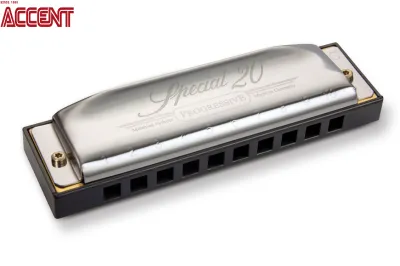
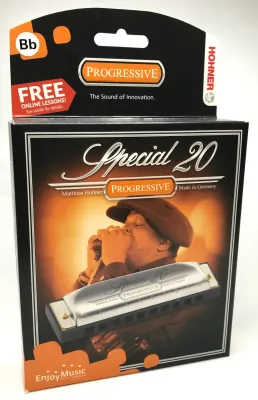
Prices are valid at publication and may change. Please refer to the product page for the latest price.
Furthermore, the materials used in counterfeit harmonicas can pose genuine health and safety concerns. Because a harmonica is held directly to the mouth and subjected to moisture from breath, the safety of the plastics and metals used in its construction is paramount. Genuine manufacturers use food-safe, medical-grade plastics for the comb and high-quality brass for the reeds. Counterfeiters, however, frequently utilize cheap, untested plastics and low-grade metal alloys that may contain harmful substances or corrode rapidly under normal playing conditions.
Finally, buying a fake instrument deprives you of any customer support, warranty protection, or quality assurance. If a reed fails prematurely on a genuine model, you can often seek assistance or purchase replacement parts. With a counterfeit, you are left with a disposable item that cannot be easily repaired or serviced, ultimately costing you more in the long run when you are forced to replace it with a reliable instrument.
Packaging and Documentation Checks
Your first line of defense against counterfeit musical instruments lies in the packaging and documentation that accompany the product. Genuine Hohner packaging is manufactured to high standards, featuring crisp, high-resolution printing, accurate color reproduction, and consistent typography. If the retail box displays blurry text, pixelated graphics, or off-center logos, it is highly likely that the product inside is a counterfeit.

Pay close attention to the specific branding elements and model designations on the box. The Hohner logo should be perfectly aligned, with clean lines and correct spelling. Counterfeiters often make subtle spelling errors or use slightly different fonts to evade trademark detection. Additionally, check the barcode and product labels on the packaging; genuine boxes typically feature clean, professionally applied stickers with clear batch numbers and country-of-origin information.
Inside the box, you should find the harmonica housed in its dedicated carrying case, accompanied by official documentation. The Special 20 usually comes in a sturdy, injection-molded plastic case that features the brand logo clearly embossed or printed on the lid. The hinges and clasp of the case should operate smoothly and feel durable. Any included leaflets, warranty cards, or instructional guides should be printed on high-quality paper with clear, legible text in multiple languages, free from grammatical errors or poor translations.
Visual Inspection of the Harmonica Body
If the packaging passes initial inspection, the next step is a detailed physical examination of the harmonica itself. The metal cover plates of a genuine Special 20 are made of stainless steel and feature deep, precise engravings. Run your fingers over the engravings on both the top and bottom plates; the lettering for the brand name and the model designation should feel clean and distinct, without any sharp edges or rough spots. Counterfeit models often use cheap laser etching or shallow stamping that looks faded, uneven, or lacks the crisp definition of the original.
The comb of the Special 20 is another critical area to inspect. This model is famous for its grey, injection-molded plastic comb, which features a recessed design where the reed plates sit flush within the plastic structure. Examine the edges of the comb carefully; they should be perfectly smooth, rounded for playing comfort, and entirely free of plastic flashing, sharp seams, or molding defects. The color of the comb should be a consistent, solid grey, rather than a patchy or overly dark black.
Take a close look at the assembly screws and the overall alignment of the components. Genuine models are assembled with high-precision screws that secure the cover plates to the reed plates and comb. These screws should fit perfectly flush against the metal plates without any gaps or stripping. The alignment of the reed plates, comb, and cover plates must be completely straight and symmetrical; any visible gaps, warping, or misalignment is a strong indicator of poor manufacturing quality typical of counterfeit operations.
Functional and Playability Tests
If you have the opportunity to test the instrument physically before finalizing your purchase, its performance will quickly reveal its true origin. A genuine Special 20 is highly regarded by musicians for its exceptional airtightness. When you blow or draw gently into any of the ten holes, the instrument should respond immediately with minimal air leakage. If you feel a significant amount of air escaping from the sides of the cover plates or if you must blow exceptionally hard to produce a clear sound, the structural integrity is compromised.
Test the responsiveness of the reeds across the entire range of the instrument, from the lowest notes to the highest. Each note should sound clear, bright, and stable, with consistent volume and tone. Play a simple scale slowly, paying attention to the pitch of each note; a genuine instrument is tuned precisely at the factory, whereas a counterfeit will often exhibit noticeable tuning discrepancies between adjacent holes.
For players who utilize advanced techniques, the ease of bending notes is a telltale sign of quality. The brass reeds in an authentic Special 20 are carefully gapped and profiled to allow for smooth, predictable note bending on both the draw and blow cycles. If the reeds feel stiff, lock up when you attempt to bend, or produce a harsh, metallic rattling sound, the internal components are likely substandard. Even without fully disassembling the instrument, you can peer through the open back of the cover plates to inspect the visible edges of the brass reed plates; they should be smooth, clean, and free of tarnish or rough tool marks.
Where to Buy and How to Verify Sellers
To minimize the risk of purchasing a counterfeit harmonica, you must select your purchasing channels with care. The safest method is to buy directly from authorized musical instrument dealers or the official brand stores hosted on major e-commerce platforms. Authorized retailers receive their inventory directly from official distributors, ensuring that every product is genuine and backed by the manufacturer’s full warranty.
When shopping on third-party online marketplaces, learn to identify common red flags in seller profiles. Be highly suspicious of listings that offer the instrument at a price significantly below the standard market rate. If a listing advertises a brand-new Special 20 for under S$25, while reputable local music shops consistently price it much higher, the deal is likely too good to be true. Additionally, examine the seller’s feedback history; look for patterns of negative reviews, complaints about counterfeit goods, or generic seller names that lack a verifiable business address or contact information.
If you suspect that you have received a counterfeit instrument, take immediate action to protect your purchase. Document the item thoroughly by taking clear, high-resolution photographs of the packaging, the engravings, the comb, and any physical defects. Contact the seller to request a full refund, stating clearly that the item does not match the description of a genuine product. If the seller is unresponsive or refuses to cooperate, escalate the issue immediately through the online marketplace’s official dispute resolution system, providing your photographic evidence to secure a refund.
Frequently Asked Questions (FAQ)
Can I verify a Hohner Special 20 using a serial number?
Unlike some high-end musical instruments or electronics, individual Hohner Special 20 harmonicas do not typically feature a unique serial number printed on the body of the instrument. Consequently, you cannot verify authenticity simply by looking up a number online. Instead, you must rely on a comprehensive physical inspection of the packaging, the quality of the cover plate engravings, the alignment of the grey plastic comb, and the overall playability of the reeds to confirm that the instrument is genuine.
What should I do if I accidentally bought a fake harmonica?
If you discover that you have purchased a counterfeit harmonica, stop using the instrument immediately to avoid contact with potentially unsafe materials. Document the counterfeit features by taking clear photos of the packaging and the physical discrepancies on the body. Contact the seller to demand a return and refund, and if they refuse, file a formal dispute with the e-commerce platform or your payment provider. Reporting the fraudulent listing also helps protect other musicians in the community from falling victim to the same seller.
Community discussion
Share your experience or ask a question. Comments are reviewed before publication.