
Cello strings do not come with a printed expiration date, but they undergo constant physical tension and material fatigue that limits their useful life. For most players, a string’s performance degrades long before it actually breaks. Recognizing when your strings have lost their vitality is key to maintaining a responsive instrument and enjoying your practice sessions.
Determining the right time to replace your strings involves balancing physical observations, auditory changes, and your personal playing habits. While a professional cellist might change their strings every few months to maintain a projection-heavy tone, a casual hobbyist might find their strings remain acceptable for a year or more. Understanding the lifecycle of your strings helps you avoid the frustration of practicing on dead, unresponsive metal.
Signs Your Cello Strings Need Replacing
The most immediate indicator of aging cello strings is a noticeable decline in sound quality. Over time, strings lose their brilliance and begin to sound dull, muddy, or hollow. You might find that your cello no longer projects as well as it used to, or that the lower strings sound tubby while the upper strings sound harsh and thin.
Products mentioned in this guide

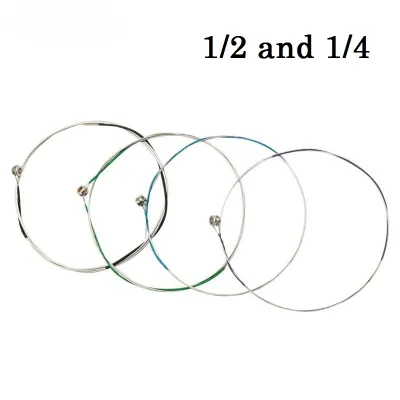



Prices are valid at publication and may change. Please refer to the product page for the latest price.
Another common auditory sign is the emergence of “false” strings. A string becomes false when its physical mass is no longer uniform along its length, often due to uneven stretching or localized wear. When you play a false string, it may produce unstable pitches, warbling overtones, or fail to produce clear, ringing harmonics when you lightly touch the node points.
Physical inspection is equally critical for diagnosing string health. Run your fingers gently along the length of each string, especially in the shifting zones and near the bridge where your bow makes contact. Feel for any flat spots, unraveling outer windings, or rough patches where the metal has begun to corrode or discolor.
If you notice the metal winding starting to separate or fray, replace the string immediately. Unwinding metal can cut your fingers, damage your fingerboard, and ruin the hair on your bow. Severe discoloration from sweat and skin oils is also a sign that the metal has oxidized, which stiffens the string and dampens its vibration.
Playability issues often manifest as a sudden difficulty in executing clean bow transitions or maintaining consistent articulation. If your strings feel stiff, unresponsive, or dead under your fingers, they are likely past their prime. You may find yourself applying more bow pressure than usual just to get the string to speak, which can lead to physical tension in your playing hand.
Factors That Affect Cello String Lifespan
How long your cello strings last depends heavily on your daily playing frequency and the intensity of your practice sessions. A student practicing several hours a day will wear out a set of strings much faster than an adult amateur who plays for thirty minutes a few times a week. The physical friction of the bow and the constant pressing of the strings against the fingerboard gradually compress the core and wear down the outer winding.

The material and core construction of your strings also play a major role in their overall durability. Steel-core strings are highly robust, resistant to environmental changes, and tend to hold their pitch and structural integrity for a long time. Synthetic-core strings offer a warmer, more gut-like tone but tend to stretch more and may lose their tonal complexity sooner than steel. Gut-core strings are the most delicate, highly sensitive to temperature and humidity, and generally have the shortest lifespan.
Environmental conditions are a critical factor, particularly in tropical climates like Singapore’s. High humidity and rapid temperature fluctuations—such as moving your instrument from an air-conditioned room to humid outdoor air—cause the wood of your cello to expand and contract. This movement constantly alters the tension on your strings, accelerating structural fatigue. Furthermore, persistent moisture in the air speeds up the oxidation of the metal windings, leading to premature corrosion.
Your personal body chemistry also influences how quickly your strings degrade. Some players naturally produce more acidic sweat and skin oils than others. When these substances accumulate on the strings during play, they chemically react with the metal windings, causing them to corrode, tarnish, and lose their flexibility much faster than they would under drier conditions.
How to Extend the Life of Your Cello Strings
Implementing a consistent post-practice cleaning routine is the most effective way to prolong the life of your cello strings. After every playing session, use a clean, dry, lint-free microfiber cloth to wipe down each string thoroughly. Gently pinch the cloth around the string and slide it up and down to remove accumulated rosin dust, sweat, and finger oils before they can bond with the metal.
Practicing good hand hygiene before you even touch your instrument makes a significant difference. Always wash and thoroughly dry your hands before playing to minimize the transfer of natural oils, dirt, and acidic sweat to the strings. This simple habit prevents the buildup of grime that dampens string vibrations and accelerates winding corrosion.
Proper storage is essential for protecting both your strings and your cello’s setup from environmental stress. Keep your cello in its case when not in use, and consider using humidity-control packets or maintaining a stable room environment with a dehumidifier. Keeping the humidity levels stable prevents the rapid expansion and contraction that fatigues the string cores.
When cleaning your strings, avoid using harsh household chemicals, water, or liquid cleaners. While some players use a tiny amount of rubbing alcohol to dissolve stubborn rosin buildup, this carries a high risk; even a single stray drop of alcohol can permanently dissolve your cello’s varnish. It is generally safer to stick to dry wiping or consult a professional luthier for deep cleaning.
Choosing and Scheduling Your String Replacement
When it is time to purchase new strings, you must assess your current musical needs and instrument characteristics. Strings come in different tensions—typically light, medium, and heavy—and choosing the right gauge depends on your cello’s natural voice and your playing style. Medium tension is the standard starting point for most cellists, providing a balanced response and tone.
Budgeting for replacements is an important practical consideration, as cello strings are a significant investment. A full set of high-quality cello strings can range from under S$100 for basic steel student sets to several hundred S$ for professional-grade synthetic or specialty wound strings. Many players choose to budget for a full set replacement once or twice a year, while keeping individual spare strings on hand for emergencies.
While changing strings is a task many cellists learn to do themselves, certain situations warrant a trip to a professional luthier. If you notice your bridge is leaning forward after tuning, or if the strings have worn deep grooves into the nut or bridge notches, a luthier can adjust these components to prevent premature string breakage. A professional setup ensures that your new strings sit at the correct height and spacing, maximizing both playability and tone.
Frequently Asked Questions (FAQ)
Should I replace all four cello strings at the same time?
Replacing all four strings simultaneously is generally recommended if you want to maintain a balanced, cohesive tone across the entire register of your instrument. New strings have a bright, resonant quality that will contrast sharply with the dull, broken-in sound of older strings, creating an uneven transition when crossing strings. However, if a relatively new string breaks due to a mechanical issue or a sharp edge on the bridge, replacing just that single string is perfectly acceptable and cost-effective.
Can I clean my cello strings instead of replacing them?
Cleaning your strings can temporarily improve their responsiveness by removing heavy, dampening rosin buildup, but it cannot restore a worn-out string. Over time, the internal core of the string suffers from physical fatigue and loses its elasticity under constant tension, a condition that no amount of cleaning can fix. If your strings sound false, struggle to stay in tune, or show physical signs of unraveling windings, cleaning will not help, and a complete replacement is necessary.
Community discussion
Share your experience or ask a question. Comments are reviewed before publication.