
Shaker ball materials and sizes dictate the instrument’s frequency response, volume, and rhythmic articulation. The material of the internal beads—typically plastic, wood, or metal—determines the fundamental brightness and hardness of the attack, while the size and volume of these beads control the texture, pitch, and decay of each shake. By understanding how these physical properties interact, percussionists and producers can select the ideal shaker to complement a specific musical genre, live venue, or recording environment.
A shaker is a precision acoustic instrument. The sound is generated by kinetic energy transferring from your hand to the internal fill, which then collides with the inner walls of the shell. This collision creates a complex wash of high-frequency transients that can either blend smoothly into an acoustic arrangement or slice cleanly through a dense electronic mix. Choosing the wrong material or size can result in a percussion track that either gets lost in the music or sounds harsh and distracting.
Understanding the Core Sonic Variables
To master the use of a shaker ball, you must first understand the physical variables that govern its acoustics. The primary factor is density. High-density materials like metal transfer energy rapidly, resulting in a sharp, immediate attack with minimal dampening. Low-density materials like wood absorb a portion of the impact energy, yielding a softer, more rounded transient.
Products mentioned in this guide
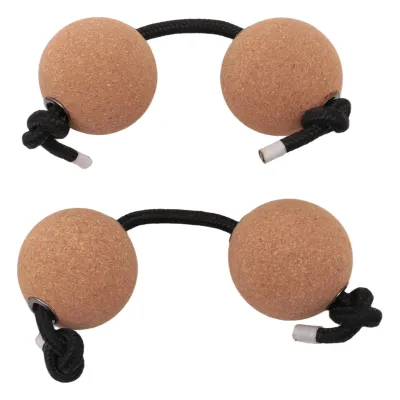
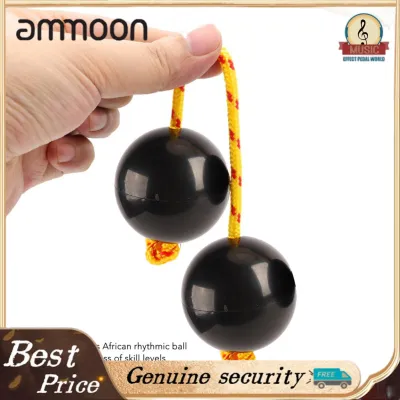

Prices are valid at publication and may change. Please refer to the product page for the latest price.
The second variable is bead size, which directly correlates with the frequency spectrum. Larger beads have more mass, producing lower-pitched, distinct impacts that are easily separated by the human ear. Conversely, tiny beads or fine shot create a high-frequency, continuous “sandy” texture where individual impacts merge into a cohesive acoustic wash.
Finally, the internal fill volume—the ratio of beads to empty space inside the shell—determines the travel distance of the fill. A shell with ample empty space allows the beads to travel further, generating a louder, more articulated sound with a distinct gap between the forward and backward strokes. A highly packed shell restricts movement, resulting in a tighter, quieter, and more controlled rhythmic pulse.
Comparing Shaker Ball Materials
The choice of internal fill material is the most significant factor in defining a shaker’s tonal character. Modern percussion manufacturers primarily utilize three categories of beads: plastics, woods, and metals. Each material interacts uniquely with the inner surface of the shaker shell, creating a distinct sonic signature upon impact.

When these beads collide with the shell, the hardness of the material determines the high-frequency content of the transient. A harder bead creates a faster, more intense impact noise, while a softer bead dampens the collision, shifting the tonal balance toward the midrange. Understanding these material properties allows you to predict how a shaker will behave before you ever shake it.
Plastic and Synthetic Beads
Plastic and synthetic beads are the workhorses of modern percussion, offering a highly consistent and predictable sound. Because synthetic materials can be manufactured to precise tolerances, the beads inside the shaker are typically uniform in shape, weight, and density. This uniformity translates to a highly stable rhythmic pattern with a balanced frequency response.
Sonically, plastic beads deliver a bright, clean tone with a moderate attack. They possess enough high-frequency energy to cut through a mix without becoming overly harsh or piercing. The decay is tight and controlled, making them excellent for maintaining a steady, driving pulse over long periods.
These characteristics make synthetic shaker balls ideal for pop, electronic, and modern worship music. In these genres, where tracks are often dense and highly compressed, the clean articulation of a plastic shaker ensures that the percussion remains audible and rhythmically precise without cluttering the stereo field.
Wooden Beads and Pellets
For musicians seeking a more organic, earthy sound, wooden beads and pellets are the traditional choice. Wood is naturally porous and less dense than plastic or metal, which inherently softens the attack of each stroke. The resulting sound is warm, woody, and rich in midrange frequencies, with a gentle decay that mimics natural environmental sounds.
Because wood is an organic material, the individual beads inside the shaker often have slight variations in shape, size, and density. This irregularity creates a complex, slightly uneven texture that sounds highly natural to the human ear. Instead of a mechanical pulse, a wood-filled shaker provides a soft, rolling wash of sound.
These warm tonal qualities are perfectly suited for acoustic sets, folk, jazz, and intimate singer-songwriter arrangements. In these settings, a bright metal or plastic shaker can easily overpower delicate acoustic guitars or vocals. A wooden shaker, however, sits comfortably in the background, adding depth and movement without demanding center stage.
Metal Beads and Shot
Metal beads, steel shot, or brass pellets represent the high-output end of the shaker spectrum. Metal is extremely dense and rigid, meaning almost none of the kinetic energy is absorbed during impact. This results in an incredibly sharp, immediate attack and a bright, shimmering high-frequency profile that can easily dominate an acoustic space.
The texture of a metal-filled shaker is highly complex. When filled with tiny metal shot, it produces a dense, sizzling hiss that resembles a sustained hi-hat cymbal. When filled with larger metal beads, it delivers a series of loud, metallic clicks that can cut through the loudest stage environments.
This extreme projection and brightness make metal shakers indispensable for Latin percussion, rock, and large live ensembles. Whether you are performing salsa, samba, or high-energy rock, a metal shaker provides the necessary volume and high-end sizzle to compete with brass sections, amplified guitars, and heavy drum kits.
How Size and Fill Density Alter the Texture
While the material sets the fundamental tone, the physical size of the beads and how densely they are packed inside the shell refine the instrument’s texture. Large beads create a distinct, separated sound profile. Each shake results in a clear, individual “clack,” making it easy to perform complex, syncopated rhythms where every note must be clearly defined.
Smaller beads, such as fine synthetic sand or micro-metal shot, behave more like a fluid inside the shell. Instead of individual impacts, they slide across the inner surface, creating a continuous, smooth wash of sound. This is ideal for creating a steady, ambient background texture that glues other rhythmic elements together.
Fill density also plays a critical role in shaping the envelope of the sound. A shaker that is only partially filled allows the beads to travel a longer distance before hitting the shell. This long travel time increases the volume and creates a more pronounced, dramatic attack. Conversely, a highly packed shell limits bead movement, resulting in a much quieter, tighter, and more rapid response that is perfect for fast, intricate tempos.
By combining these variables, manufacturers can design highly specialized instruments. For example, a large wooden bead shaker will produce a slow, heavy, warm thud, whereas a small metal shot shaker will deliver a fast, high-pitched, continuous sizzle. Understanding these combinations helps you narrow down the exact tool needed for your musical project.
Matching Shaker Balls to Musical Contexts
Selecting the right shaker ball requires a clear understanding of your performance environment and the sonic space you need to fill. If you are performing in a live band with amplified electric guitars, keyboards, and a full drum kit, a plastic or synthetic shaker is often the safest choice. Its bright, consistent pulse cuts through the mid-range clutter of amplified instruments without requiring excessive gain on the microphone.
For acoustic performances, intimate studio recordings, or delicate vocal tracks, a wooden shaker is highly recommended. The soft, organic texture of wood blends seamlessly with acoustic instruments like the acoustic guitar, ukulele, or piano. It provides the necessary rhythmic movement without drawing attention away from the lead melody or vocal performance.
When maximum volume, projection, and high-frequency sizzle are required—such as in outdoor festivals, street percussion, or dense Latin jazz arrangements—a metal shaker is the premier option. The sharp attack and long sustain of metal shot ensure that your rhythmic accents are heard clearly, even at the back of a large venue.
However, if you are recording in a highly sensitive studio environment, you must exercise caution with metal shakers. The intense high-frequency output of metal beads can sometimes excite unwanted resonances in condenser microphones or create harsh, metallic ringing in the room. In these scenarios, careful microphone placement, the use of dynamic microphones, or subtle equalization during mixing may be necessary to tame the high-end sizzle.
What to Verify Before You Buy
Before purchasing a shaker ball, there are several practical construction details you should verify to ensure the instrument meets your needs. First, examine the shell material and thickness. A thin, brittle plastic shell will produce a much brighter, harsher sound than a thick, dense wooden or composite shell, regardless of the beads inside. The shell acts as an acoustic filter, so choose a shell material that complements the internal fill.
Next, consider the ergonomics and grip of the shaker. Because playing the shaker involves repetitive hand and wrist motions, the shape and surface texture are critical for comfort. Look for shakers with textured surfaces, ergonomic contours, or integrated straps that allow for a relaxed grip during long practice sessions or extended live gigs.
Finally, pay close attention to the seal integrity and overall durability of the instrument. Shakers are subjected to constant, vigorous physical stress. Inspect the seams of the shell to ensure they are securely bonded or welded. A loose seam can lead to bead leakage, which not only ruins the instrument but can also create a safety hazard on stage or in the studio.
Frequently Asked Questions (FAQ)
Can I mix different materials inside one shaker ball?
Yes, mixing different materials inside a single shaker ball is a common technique used to create hybrid sounds. For example, combining soft wooden beads with a small amount of metal shot produces a shaker with a warm, organic body and a subtle, high-end sizzle. These hybrid shakers are incredibly useful for studio recording, as they offer a complex, multi-layered texture that can add depth and unique character to a single rhythmic pattern.
Does the outer shell material change the sound of the beads inside?
Absolutely. The outer shell material acts as the soundboard for the internal beads. A highly rigid and dense shell, such as one made of metal or hard acrylic, will reflect the high frequencies of the bead impacts, resulting in a brighter, louder sound. A softer shell, such as natural wood or soft rubberized plastic, will absorb those high frequencies, warming up the overall tone. When comparing models, always check the manufacturer’s specifications for both the internal fill and the external shell material to understand the complete sonic profile.
Community discussion
Share your experience or ask a question. Comments are reviewed before publication.