
Applying guzheng nail tape correctly is a fundamental skill that directly impacts both your musical performance and your physical comfort. If the tape is wrapped too loosely, your artificial picks will shift or fly off during rapid passages, disrupting your tone and timing. Conversely, wrapping the tape too tightly or using the wrong materials can lead to restricted blood circulation, painful skin irritation, and sticky residue that is difficult to remove.
To secure your guzheng picks firmly while protecting your skin, you must use a clean preparation routine, select breathable hypoallergenic tape, apply consistent but moderate wrapping tension, and follow a gentle removal process. By mastering these physical techniques, you can focus entirely on your practice sessions without the distraction of slipping picks or painful fingertips.
Preparing Your Fingers and Materials
Setting a clean foundation is the most critical step to ensure your tape adheres properly and your skin remains healthy. Natural skin oils, sweat, and environmental dust act as barriers that compromise the adhesive strength of guzheng nail tape. When tape is applied over dirty skin, it is highly likely to slip mid-performance, forcing you to wrap it tighter than necessary, which only increases the risk of skin damage.
Products mentioned in this guide
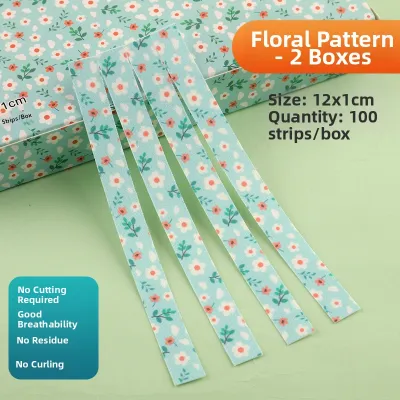
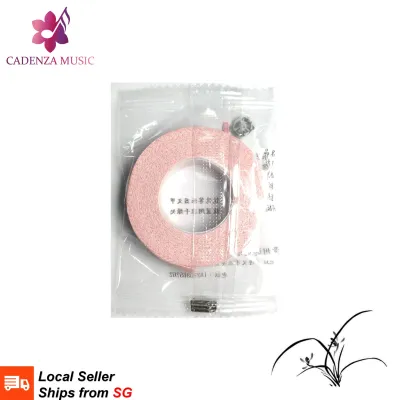
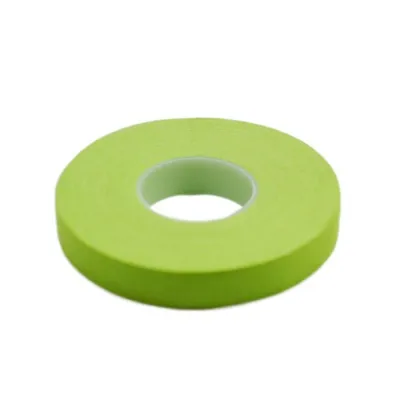
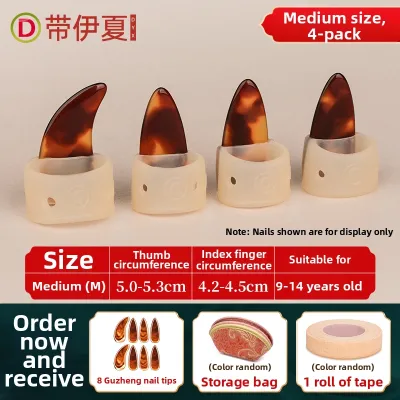
Prices are valid at publication and may change. Please refer to the product page for the latest price.
Before you begin, wash your hands thoroughly with a mild, fragrance-free soap and warm water. If you naturally have oily skin, or if you are preparing for a long performance, consider wiping your fingertips with a cotton pad lightly dampened with rubbing alcohol. This step strips away excess sebum and old adhesive residue from previous sessions. Allow your skin to dry completely for several minutes; trapping moisture under the tape creates a humid microenvironment that softens the skin and encourages bacterial growth.
Gather all your materials beforehand to keep the process efficient. You will need your artificial nails (picks), a roll of dedicated guzheng nail tape, small sharp scissors, and a gentle skin cleanser. Always check the labels of your tape. Standard stationery tape or heavy industrial tapes are not designed for human skin and can cause severe contact dermatitis. Opt for specialized guzheng nail tape made of breathable cotton fabric with a hypoallergenic, medical-grade adhesive.
You must also prepare your artificial picks. Wipe the inner curved surface of each pick with a clean cloth to remove any dust or leftover adhesive. Ensure you have matched the correct pick to each finger. Guzheng picks are shaped specifically for individual fingers, with the thumb pick featuring a distinct curve to facilitate the lateral striking angles required for traditional and modern playing styles.
Step-by-Step Guide to Wrapping Guzheng Nail Tape
Achieving the perfect wrap requires balancing secure pick attachment with finger mobility and healthy blood circulation. The wrapping process should always be deliberate and unhurried. Rushing through your taping routine often results in uneven tension, which leads to either loose picks that wobble during heavy string strikes or overly tight bands that cause throbbing pain.

Positioning the Artificial Nail
To position the artificial nail correctly, place the inner curved base of the pick against the fleshy pad of your fingertip. The bottom edge of the pick should sit just above or align closely with your finger’s first joint, known as the distal interphalangeal joint. This placement ensures that the pick acts as a natural extension of your finger without blocking your joint’s range of motion.
The angle of the pick is crucial for clean tone production and physical leverage. For your index, middle, and ring fingers, align the pick so it points straight out from the fingertip, parallel to the finger bone. For the thumb, angle the pick slightly to the side, matching the natural rotation of your hand when it rests on the guzheng strings.
Avoid placing the pick too high or too low on your finger pad. If the pick is positioned too close to the fingertip, it lacks physical support and will easily wobble or bend backward when you strike a heavy bass string. If you place it too low over the joint, you will find it difficult to bend your finger naturally, which restricts your agility and can lead to joint strain over time.
Wrapping the Tape Securely
Cut a strip of guzheng nail tape to a length of approximately 15 to 20 centimeters, depending on the thickness of your fingers. To anchor the tape, press one end firmly onto the back of your finger, just below your natural nail bed, or on the side of the finger. This initial anchor point must be secure, as it bears the tension of the subsequent wraps.
Begin wrapping the tape diagonally across the front of the artificial nail, pulling it with gentle, consistent tension. As you wrap, overlap each layer by roughly half the width of the tape. This diagonal, overlapping pattern distributes the pressure evenly across your finger pad and prevents the pick from shifting laterally when you execute rapid techniques like saozhi or yao-zhi.
Finish the wrap by pressing the final end of the tape smoothly against the previous layers on the back or side of your finger. Rub the wrapped tape gently with your opposite hand for a few seconds; the warmth of your skin helps activate the pressure-sensitive adhesive, ensuring a tighter bond. Ensure there are no loose flaps or thick, bulky ridges that could catch on the strings during play.
Keep a strict eye on the physical feedback from your fingertip. Never wrap the tape so tightly that your skin turns pale, feels cold, throbs, or goes numb. If you experience any of these signs, the tape is restricting your blood circulation. You must peel it off immediately and reapply a fresh strip with less tension to avoid nerve compression or tissue damage.
Finishing and Checking the Fit
Before you sit down to play, perform a quick physical check of each taped finger. Fully bend your first finger joint to verify that the tape does not restrict your natural movement. Shake your hand gently in the air; the artificial picks should feel completely integrated with your fingers, without any shifting, sliding, or wobbling.
Inspect the edges of the tape for any loose threads or frayed fibers. If you spot any frayed sections, use small, sharp scissors to trim them away cleanly. Leaving loose threads unattended increases the risk of them snagging on the wire-wound guzheng strings, which can ruin your performance and pull the tape loose.
Preventing Skin Irritation and Residue Buildup
Skin irritation is a common complaint among guzheng players, typically caused by trapped moisture, physical friction, and prolonged exposure to chemical adhesives. When your skin is sealed under a layer of tape for hours, sweat cannot evaporate, leading to skin maceration. This softened skin is highly vulnerable to micro-tears, redness, and contact allergies.
For players practicing in warm, humid climates like Singapore, managing sweat is a constant challenge. To protect your skin, establish a routine of taking short breaks every 45 to 60 minutes during extended practice sessions. During these breaks, remove the tape entirely, wash your hands with cool water, and let your skin dry and breathe for ten minutes before applying fresh tape.
If you have highly sensitive skin or are prone to eczema, using a skin barrier can provide an extra layer of protection. Apply a thin layer of a liquid skin barrier or a specialized skin-prep wipe to your fingertips before taping, allowing it to dry completely. Always check the manufacturer’s instructions for any skin-prep product you use, and perform a patch test on a small, less sensitive area of skin, such as your inner forearm, to ensure you do not experience an adverse reaction.
To prevent stubborn adhesive residue from building up, never apply fresh tape directly over old, sticky residue left on your fingers or picks. This old adhesive degrades under body heat, turning into a gummy paste that clogs pores and irritates the skin. Always clean your skin and picks thoroughly between sessions.
Set strict limits on how long you wear the tape. Guzheng nail tape is designed solely for active playing and practice. Do not leave the tape on your fingers while doing household chores, running errands, or sleeping. Leaving tape on for extended periods outside of practice traps moisture and significantly increases the risk of fungal infections or severe skin breakdown.
Safe Removal and Post-Play Skin Care
How you remove your guzheng nail tape is just as important as how you apply it. Ripping the tape off quickly like a bandage strips away the protective outer layer of your skin, causing painful raw spots and increasing the risk of infection. Instead, peel the tape back slowly and gently, keeping the tape folded back flat against itself rather than pulling it straight up. Always peel in the direction of your hair growth to minimize discomfort.
If the adhesive is particularly strong or has left a sticky residue on your skin, do not scrub your fingers with rough towels or scrape them with sharp objects. This mechanical friction damages the delicate skin barrier. Instead, apply a few drops of a mild oil-based product, such as baby oil, sweet almond oil, or coconut oil, to the sticky areas. Let the oil sit on the skin for approximately one minute to dissolve the adhesive bonds, then gently wipe it away with a soft cotton pad.
Once the residue is completely dissolved and wiped away, follow up with a dedicated post-removal skin care routine. Wash your hands with a mild, fragrance-free soap and lukewarm water to remove any lingering oil or adhesive traces. Pat your hands dry with a clean, soft towel without rubbing. Apply a generous amount of a fragrance-free, hypoallergenic moisturizer to restore your skin’s natural moisture barrier and promote healing.
If your skin is already irritated, red, or broken, you must adjust your routine. Stop taping the affected finger immediately to allow the skin to heal. Keep the area clean and dry, and avoid playing the guzheng with that finger until the skin has fully recovered. If you notice signs of infection, such as spreading redness, swelling, localized warmth, or pus, consult a healthcare professional immediately.
Troubleshooting Common Taping Issues
Even with careful preparation, you may encounter minor issues during your practice sessions. If your guzheng nail tape begins to lose its stickiness mid-session, do not simply wrap more tape over the loose ends. This extra layers add unnecessary bulk and rarely solve the underlying issue. Instead, identify the cause: if your fingers are sweaty or dusty, peel the old tape off, clean and dry your skin, and apply a fresh piece of tape.
If your artificial picks shift or rotate during vigorous playing, your anchor point may be too weak or the pick may not fit the physical shape of your finger pad. Try starting your wrap with a more secure anchor on the back of your finger, ensuring the tape is pulled flat. If the pick itself is too flat or too curved for your finger, check the manufacturer’s care instructions to see if the material can be safely adjusted. For instance, some thermoplastic picks can be slightly softened in warm water to reshape them, but you must verify this first to avoid damaging the picks.
To prevent your tape from tearing or fraying at the edges, always use sharp, dedicated scissors to cut your tape. Dull blades crush the cotton fibers rather than cutting them, leading to rapid fraying during play. Additionally, maintain proper playing posture and hand angles to ensure the taped sides of your fingers do not rub directly against the sharp metal ends of the guzheng strings near the bridges.
Frequently Asked Questions (FAQ)
Can I reuse guzheng nail tape for multiple practice sessions?
Reusing guzheng nail tape is highly discouraged. Once the tape is peeled off, the adhesive loses its structural integrity, meaning it cannot provide the secure, stable hold required for precise guzheng playing. Reapplying used tape significantly increases the risk of your pick flying off mid-performance. Furthermore, used tape traps sweat, dead skin cells, and environmental dust, turning it into a breeding ground for bacteria that can cause skin irritation or infections when pressed back onto your skin.
How do I store my guzheng nail tape to maintain its stickiness?
To preserve the adhesive quality of your guzheng nail tape, store the rolls in a cool, dry place away from direct sunlight and heat sources, which can cause the adhesive to melt, degrade, or dry out. It is best to keep the tape in its original packaging, a zip-lock bag, or a sealed container. This keeps the roll clean and prevents it from collecting dust, pet hair, or environmental humidity, ensuring the adhesive remains effective for your next practice session.
Community discussion
Share your experience or ask a question. Comments are reviewed before publication.