
Achieving the perfect balance of friction between your bow hair and strings is essential for producing a clear, resonant tone. Rosin powder offers an efficient way to coat bow hair evenly, especially when preparing a newly rehaired bow or looking for immediate grip. However, because the powder is already finely crushed, it is easy to apply too much, leading to a scratchy sound and a messy instrument.
Applying rosin powder correctly requires a systematic approach that focuses on preparation, controlled distribution, and sensory feedback. By understanding how the powder interacts with the horsehair scales, you can achieve optimal grip without the risk of heavy buildup. This guide outlines the precise steps to prepare your equipment, apply the powder evenly, and recognize when your bow has reached the ideal state.
Preparing Your Bow and Rosin for Application
Before any powder touches your bow, you must prepare the hair to receive it. Start by tightening the bow screw until the hair reaches your standard playing tension. The distance between the center of the stick and the hair should generally be wide enough to pass a standard pencil, though you should always follow the specific recommendations of your bow’s manufacturer. Applying rosin to a loose bow makes it impossible to distribute the powder evenly and can damage the hair ribbon.
Products mentioned in this guide

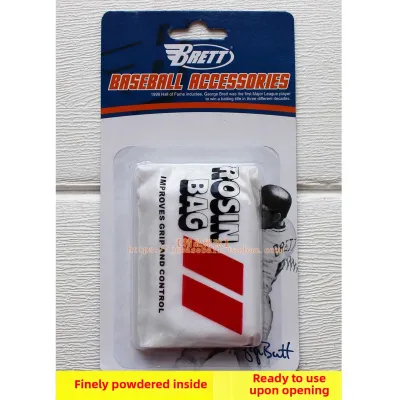
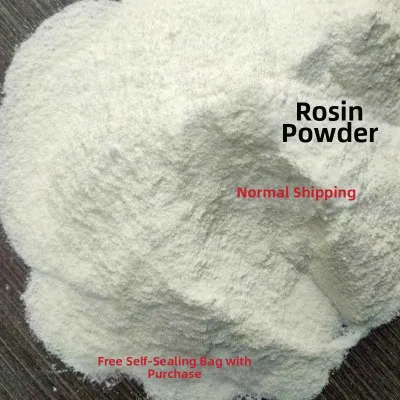
Prices are valid at publication and may change. Please refer to the product page for the latest price.
Next, inspect the bow hair thoroughly under a bright light. Look for any existing clumps of old rosin, dark spots of dirt, or areas where the hair appears slick and greasy from finger oils. If you find significant buildup or dirt, the new powder will not adhere correctly and will instead form sticky patches. In such cases, the hair must be cleaned or professionally serviced before you proceed.
Finally, examine your rosin powder. Ensure the container has been stored in a cool, dry place and that the powder remains free-flowing. If the powder has clumped together due to humidity or heat, gently shake the container to break up the lumps. Verify that the formulation matches your instrument type, as violin, viola, cello, and double bass strings require different levels of rosin stickiness and hardness to vibrate properly.
Step-by-Step Technique for Applying Rosin Powder
To begin the application, gather your materials in a clean, draft-free workspace. You will need your tensioned bow, the rosin powder, and a clean, lint-free microfiber cloth or the specialized applicator brush that came with your product. Working over a clean sheet of paper or a waste bin is highly recommended to catch any stray dust that falls during the process.

Dispense a very small amount of the rosin powder onto your application cloth or pad. A portion no larger than a small coin is usually more than enough for a single application. Never pour the powder directly from the container onto the bow hair, as this inevitably leads to uneven mounds and severe over-rosining.
Hold the bow firmly by the frog with your non-dominant hand, keeping the hair facing upward. Take the powder-laden cloth in your dominant hand and press it gently against the hair right at the frog. Using light, consistent pressure, slide the cloth slowly along the hair ribbon from the frog all the way to the tip.
Repeat this motion in long, continuous strokes. It is crucial to move systematically rather than rubbing back and forth rapidly in one spot. Rapid rubbing generates localized heat, which can melt the powder prematurely and cause it to glaze over the hair instead of sitting as a fine dust. Ensure you pay equal attention to the middle section of the bow, which is often neglected during quick applications.
After three to four full passes, gently draw the bow across your instrument’s strings. This action helps work the fine powder deep into the microscopic scales of the horsehair, locking it in place. Observe the contact point closely; you want to see the hair grip the string immediately without slipping.
Establish clear stopping conditions to prevent over-application. If you see a visible cloud of white dust rising from the strings when you play, or if the hair leaves a thick white residue on the wood of your instrument, stop immediately. The goal is a microscopic, translucent layer that is virtually invisible on the hair itself but provides a reliable, tactile grip.
Recognizing the Signs of Over-Rosining and Under-Rosining
Learning to read the visual and acoustic feedback from your instrument is the best way to maintain perfect rosin balance. When a bow is over-rosined, the visual signs are immediate and messy. You will notice a heavy accumulation of white powder on the top plate of your instrument, particularly directly under the fingerboard and strings. The bow hair itself may look cakey, white, or show visible clumps near the frog and tip.
Acoustically, an over-rosined bow produces a harsh, scratchy, or ‘crunchy’ tone. The initial attack of the note will sound aggressive, and it will be difficult to play soft, sustained passages smoothly. You will also feel an unpleasant physical resistance; the bow will feel heavy and sticky on the strings, making rapid bow changes feel sluggish and clumsy.
Conversely, under-rosining presents its own set of distinct problems. Visually, the bow hair will look completely clean, sometimes even glossy or slick. When you draw the bow across the strings, it will slip or slide sideways instead of tracking in a straight line.
The sound of an under-rosined bow is whispery, airy, and lacks core projection. You may find yourself pressing down harder on the strings to get a sound, which causes hand tension and can ultimately damage your technique or the instrument. A properly rosined bow should produce a clear, warm tone with minimal downward physical pressure.
Environmental factors also play a significant role in how your rosin behaves. High humidity softens rosin, making it naturally stickier and more prone to clumping. If you play in a humid environment, you will need to apply powder much less frequently, as the existing rosin will grip the strings more aggressively. In dry, cold conditions, rosin hardens and loses its grip, which may require you to apply a tiny amount of powder more often to maintain a consistent feel.
Removing Excess Rosin and Routine Bow Maintenance
If you realize you have applied too much rosin powder, do not panic. You can correct minor over-rosining with simple, safe cleaning techniques. Start by taking a clean, dry microfiber cloth and gently wiping down the wooden stick of your bow to remove any settled dust. Never use liquids, alcohol, or commercial cleaners on the bow hair or the wooden stick, as these can dissolve the varnish or ruin the hair.
To remove excess powder from the hair itself, hold the bow securely by the frog over a waste bin. Gently tap the side of your hand (not the bow itself) to jar the loose dust free from the hair. Alternatively, you can use a clean, dry, soft-bristled toothbrush to gently brush through the hair from frog to tip, which helps dislodge packed powder and break up clumps.
Always wipe down your instrument’s body and strings with a dedicated dry cloth after every playing session. Allowing rosin dust to sit on the varnished wood of a violin, viola, or cello can cause it to bond with the finish over time, leading to permanent damage that requires expensive professional restoration.
There are times when routine home cleaning is insufficient. If the bow hair has become yellowed, grey, or completely saturated with a mixture of old rosin and finger oils, brushing will not help. In these situations, take your bow to a qualified luthier. They can safely wash the hair using specialized techniques or perform a complete rehair to restore your bow’s playing qualities.
Proper storage is the final step in routine maintenance. Always loosen the bow hair fully before placing it back in your case to prevent the stick from warping and the hair from stretching. Keep your instrument case closed when not in use, and consider using a small humidity control pack inside the case to keep the environment stable, preventing the rosin on your bow from becoming overly sticky or brittle.
Frequently Asked Questions (FAQ)
How often should I apply rosin powder to my bow?
There is no single schedule that works for every player, as application frequency depends on several variables. If you practice multiple hours a day, you may need to apply a very small amount of powder every few days, whereas casual players might only need it once a week or even less. The type of strings you use also matters; synthetic and gut strings often require a different grip profile than steel strings.
Instead of following a calendar, rely on tactile and acoustic feedback. Pay close attention to how the bow feels during your warm-up. If you notice the bow slipping slightly near the tip or if the tone feels unusually airy, it is time for a light application. If the grip feels secure and the tone is clear, resist the urge to add more powder.
Can I use regular block rosin instead of rosin powder?
Yes, you can use both, but they serve slightly different purposes and require different application techniques. Block rosin is solid and requires the friction of rubbing the bow hair back and forth across the cake to transfer the material. This process builds up the layer gradually, making it much harder to accidentally over-rosin your bow.
Rosin powder is pre-crushed, meaning it transfers to the hair instantly and in much larger quantities. It is highly effective for quickly prepping a brand-new bow that has never been rosined, or for players who need an immediate, strong grip. However, because it is so concentrated, it requires a much lighter touch and more careful distribution to avoid creating a dusty, scratchy mess. Many players keep a block for daily maintenance and use powder only for specific setup needs.
Community discussion
Share your experience or ask a question. Comments are reviewed before publication.