
Applying rosin to a string instrument bow is a fundamental skill that directly influences your tone, playability, and the lifespan of your bow hair. To apply rosin properly without causing damage, you must draw the bow hair across the rosin cake using slow, even, and controlled strokes, ensuring complete coverage from the frog to the tip. Over-rosining or using aggressive, rapid scrubbing motions can generate friction heat that melts the rosin, leading to sticky clumps, a harsh sound, and premature hair breakage. By mastering a gentle, systematic approach, you can maintain the ideal balance of friction needed for a clear, resonant tone while preserving the delicate structure of the horsehair.
Understanding How Rosin Interacts with Bow Hair
To understand why proper application is so critical, it helps to look at the physical relationship between the bow hair and the strings. Natural bow hair, typically sourced from horsehair, is not completely smooth. Under a microscope, the surface of each hair features tiny, overlapping scales. While these scales provide a small amount of natural friction, they cannot grip the metal or synthetic strings sufficiently on their own to produce a sustained, clear sound. Without rosin, the bow will simply slide silently across the strings, producing only a faint, airy whisper.
Rosin acts as the essential friction agent that bridges this gap. When you draw the rosin cake along the bow, it leaves behind a fine powder that nestles into the microscopic scales of the hair. As you play, this powder temporarily grips the string, pulling it along with the motion of the bow until the string’s tension forces it to snap back. This rapid cycle of catch-and-release is what creates the continuous vibration of the string, translating into the rich sound of your instrument. Achieving the correct balance is key; too little rosin results in a slipping bow and a weak, breathy tone, while too much rosin creates a harsh, scratching sound and a heavy, sluggish response.
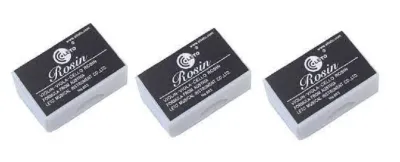
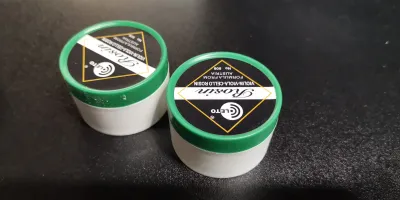
Products mentioned in this guide
![[SG FREE ] Erhu Rosin Universal For Violin Viola Cello Urheen Bow Strings Accessories Musical Instrument Part](https://img.lazcdn.com/g/p/927ba10f01711bcd0563d38715ae5c5b.jpg_400x400q80.jpg_.webp)
Prices are valid at publication and may change. Please refer to the product page for the latest price.
Accumulating too much rosin on the hair also leads to long-term structural issues. Over time, excessive buildup forms hard, crusty layers that clog the natural scales of the hair. This buildup prevents the hair from flexing naturally, making it brittle and highly susceptible to snapping. Furthermore, the excess dust will inevitably fall onto your instrument’s delicate varnish and the strings themselves, creating a sticky residue that is difficult to clean and can muffle the natural resonance of the wood.
Preparing Your Bow and Rosin for the First Application
Before you begin applying rosin, especially to a brand-new bow or one that has been freshly re-haired, you must prepare both the bow and the rosin cake. Start by tightening the bow to its standard playing tension. Turn the tension screw at the end of the frog until the distance between the hair and the center of the wooden stick is roughly the width of a standard pencil. Tightening the bow ensures that the hair is held taut and flat, which allows for an even distribution of rosin and prevents the wooden stick from accidentally rubbing against the rosin cake.

Next, inspect the bow hair to ensure it is clean and free of contaminants. New bow hair should be pristine, but older hair can accumulate natural oils from your fingers or dust from the environment. Never touch the bow hair with your bare hands, as the natural oils on your skin will create slick spots that repel rosin and ruin the hair’s ability to grip the strings. If you notice any dirt or oily patches, the hair may need a professional cleaning or a complete replacement by a luthier.
Selecting the right type of rosin is also crucial, and this choice is heavily influenced by your local climate and instrument. Rosin generally falls into two categories: light and dark. Light rosin is harder, denser, and less sticky, making it highly suitable for high-pitched instruments like violins and violas. It is also a suitable choice in warm, highly humid environments because it resists melting and does not become overly gummy. Dark rosin is softer, stickier, and provides a stronger grip, which is ideal for the thicker strings of cellos and double basses, or for use in cold, dry climates.
If you are using a brand-new cake of rosin, you might find that the surface is incredibly smooth and glossy. This factory glaze can make it difficult for the bow hair to catch and pull the dust off the cake. To remedy this, you can gently score the surface of the rosin. Take a clean piece of fine-grit sandpaper, an emery board, or even a clean plastic tool, and lightly scratch the top surface of the cake in a crosshatch pattern. Avoid using metal keys or sharp knives, as these can easily chip, crack, or shatter the delicate rosin cake, or create sharp edges that could slice through your bow hair during application.
Step-by-Step Technique for Applying Rosin Evenly
With your bow tensioned and your rosin prepared, you can begin the application process. Start by holding the rosin cake securely in your non-dominant hand. If the rosin is housed in a wooden block or wrapped in a protective cloth, hold it by the wood or cloth to keep your fingers clean and prevent your skin oils from transferring to the rosin surface. Hold the bow by the frog in your dominant hand, using your standard playing grip to maintain maximum control and sensitivity.
Place the bow hair flat against the rosin cake, starting at the frog—the end closest to your hand. Press the hair down with very light, gentle pressure. A common mistake is to press down hard, but this is unnecessary and can bend the bow stick or snap individual hairs. Instead, let the natural weight of your hand and the tension of the bow do the work.
Slowly and deliberately draw the bow across the rosin cake from the frog all the way to the tip. The key word here is slow. Avoid rapid, aggressive scrubbing motions back and forth. Fast strokes generate friction heat, which can melt the rosin slightly, causing it to clump unevenly on the hair and ruin the smooth texture required for playing. A slow, steady pass allows the microscopic scales of the hair to gently scrape off a fine, uniform layer of powder.
Once you reach the tip of the bow, lift it slightly and place it back on the rosin cake to make another pass. For a standard maintenance application on a bow that is already broken in, three to five full-length passes are usually more than enough. If you are rosining a brand-new or freshly re-haired bow for the first time, the hair will require significantly more rosin to establish the initial base layer. In this case, you may need fifteen to twenty slow passes, checking the hair frequently to ensure the dust is distributing evenly.
As you apply the rosin, pay close attention to the sound and feel of the stroke. If you hear a high-pitched squeaking or feel a sudden resistance, you may be moving too quickly or applying too much pressure. Stop immediately if you notice any individual hairs snapping or if you see thick, white clumps forming on the hair. The process should feel smooth, consistent, and controlled from start to finish.
How to Tell When Your Bow Has the Right Amount of Rosin
Determining when your bow has the optimal amount of rosin is an essential skill that comes with experience, but there are several reliable indicators you can use. First, perform a visual inspection of the bow hair. Under good lighting, properly rosined hair should have a subtle, matte appearance with a very fine, uniform coating of white dust. If the hair still looks glossy or translucent, it needs more rosin. Conversely, if you see thick, cakey white patches, or if dust is visibly falling off the bow before you even touch the strings, you have over-applied the rosin.
Next, conduct a physical feel and sound test on your instrument. Place the bow on a string near the contact point and pull a slow, sustained stroke. The bow should immediately grip the string without slipping or requiring you to press down hard with your index finger. The sound produced should be clear, warm, and consistent. If the bow slips or produces a whispery, airy tone, you need a few more passes of rosin. If the sound is scratchy, harsh, or if the bow feels sticky and “jumps” on the string, there is too much rosin on the hair.
You can also perform a quick “pinch and pull” test to check the rosin level. Gently pinch a small section of the bow hair near the frog between two clean fingers—or use a clean tissue to avoid transferring skin oils—and pull lightly along the hair. If a very light, powdery residue transfers to your fingers or tissue without feeling sticky or leaving a thick, greasy smear, the rosin level is correct. If your fingers slide off effortlessly with no residue, the hair is too dry; if they stick or get coated in a thick paste, there is too much buildup.
Your rosining frequency should never be based on a rigid calendar schedule; instead, let your playing habits and environment guide you. If you practice for several hours a day, you may need to apply a few light strokes of rosin before every session. If you only play for twenty minutes a day, rosining once or twice a week may be entirely adequate. Keep in mind that high humidity can make rosin feel stickier, meaning you will need to apply it less frequently to avoid a gummy buildup.
Fixing Common Mistakes and Removing Excess Buildup
Even experienced players occasionally over-apply rosin or make mistakes that compromise their bow hair. One of the most common errors is touching the bow hair with bare fingers. The natural oils, sweat, and dirt from your skin act as a barrier, preventing the rosin from adhering to the hair. This creates slick spots that cause the bow to slip on the strings, often tempting players to apply even more rosin to compensate. If you accidentally touch the hair, avoid the urge to add more rosin; instead, try to keep that specific area clean and avoid touching it in the future.
To maintain your instrument’s health, establish a strict cleaning routine after every playing session. Use a clean, dry, soft microfiber cloth to gently wipe down the wooden stick of your bow, the strings, and the body of your instrument. Rosin dust is naturally acidic and, if left on the instrument, can fuse with the delicate wood varnish over time, causing permanent damage. Wiping away the fresh dust immediately prevents this corrosive buildup and keeps your instrument performing beautifully.
If you realize you have applied too much rosin to your bow hair, do not panic. You can carefully remove the excess buildup using a dry, clean microfiber cloth. Hold the bow firmly by the frog, wrap the cloth gently around the hair, and slide it from the frog to the tip. Do this with very light pressure to avoid pulling or stretching the hairs. You will see the excess white powder transfer to the cloth. Repeat this process once or twice until the hair returns to a fine, matte appearance. Never use water, alcohol, or liquid solvents on your bow hair, as these can dissolve the rosin into a sticky paste that permanently ruins the hair and can damage the wooden stick.
Eventually, all bow hair reaches the end of its useful life. Over months of regular playing, the hair stretches, loses its elasticity, and becomes saturated with old rosin and environmental oils that cannot be wiped away. If your bow no longer holds rosin well, feels consistently slick despite regular application, or has lost many individual hairs to breakage, it is time to consult a qualified luthier. A professional re-hair will restore your bow’s playability and protect your instrument from damage.
Frequently Asked Questions (FAQ)
How often should I apply rosin to my bow?
The frequency of rosin application depends entirely on your daily playing time, practice intensity, and local climate. Rather than following a strict daily or weekly schedule, you should monitor the physical grip and sound quality of your bow. For most recreational players who practice thirty to sixty minutes a day, applying three to four light passes of rosin every two to three playing sessions is sufficient. If you notice the bow slipping or the tone becoming airy, it is time to apply a small amount.
Can I use the same rosin cake for different string instruments?
While it is physically possible to use the same rosin cake across different instruments, it is generally not recommended due to differences in string thickness and instrument pitch. Violins and violas require a harder, lighter rosin that produces a smooth, clean tone without excessive stickiness. Cellos and double basses have much thicker strings that require a softer, stickier dark rosin to initiate and sustain vibration. Using violin rosin on a cello will often result in a lack of grip, while using cello rosin on a violin can make the strings feel gummy and sound harsh.
What causes bow hair to break constantly while rosining?
Frequent hair breakage during rosining is usually caused by excessive stroke pressure, moving the bow too quickly, or using a rosin cake with sharp, chipped edges. Always use slow, gentle passes and ensure your rosin cake is smooth. Additionally, natural horsehair degrades over time, becoming brittle and dry, especially in fluctuating humidity. If your bow hair is old or has been exposed to extreme dryness, it will break much more easily and likely requires a professional re-hair by a luthier.
Community discussion
Share your experience or ask a question. Comments are reviewed before publication.