
Applying rosin to your violin bow is a fundamental skill that directly shapes your instrument’s tone and responsiveness. To apply rosin correctly, tighten your bow to playing tension, hold the rosin cake flat against the hair, and draw the bow across it in long, even strokes from the frog to the tip. For regular maintenance, three to five passes are usually sufficient to restore friction without creating a scratchy sound or excessive dust. Finding the right balance ensures your violin produces a clear, resonant tone while keeping your instrument clean.
Why Proper Rosin Application Matters for Your Sound
The relationship between bow hair and violin strings is entirely dependent on friction. Natural horsehair is remarkably smooth; without rosin, the bow will simply slide across the strings, producing nothing more than a faint, airy whisper. Rosin, which is made from refined tree resin, coats the microscopic scales of the bow hair, giving them the necessary grip to catch the metal or synthetic strings, pull them slightly, and release them to create a continuous, vibrating wave of sound.
When too much rosin is applied, this friction mechanism becomes overloaded. Instead of a smooth release, the bow hair grabs the strings too aggressively, resulting in a harsh, scratchy, or gritty tone that chokes the natural resonance of the violin.
Products mentioned in this guide
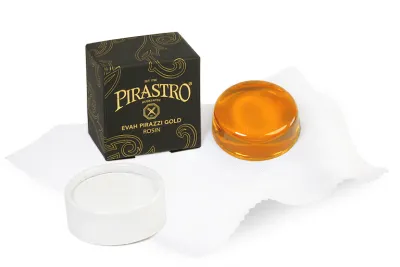

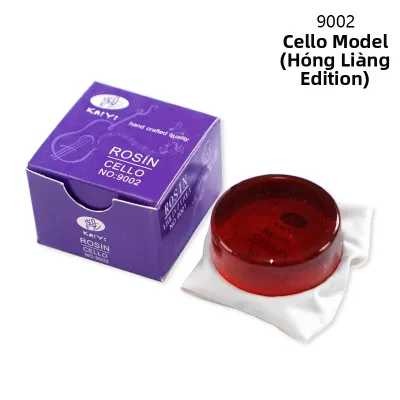
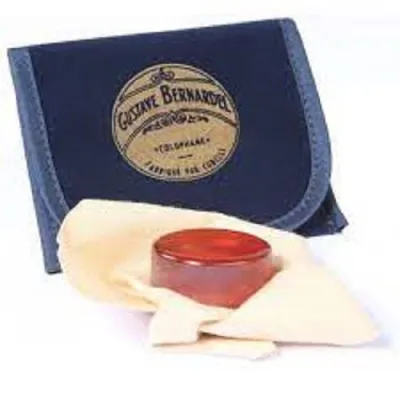
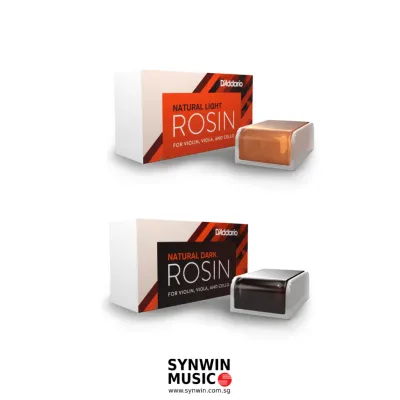
![[SG FREE ] Erhu Rosin Universal For Violin Viola Cello Urheen Bow Strings Accessories Musical Instrument Part](https://img.lazcdn.com/g/p/927ba10f01711bcd0563d38715ae5c5b.jpg_400x400q80.jpg_.webp)
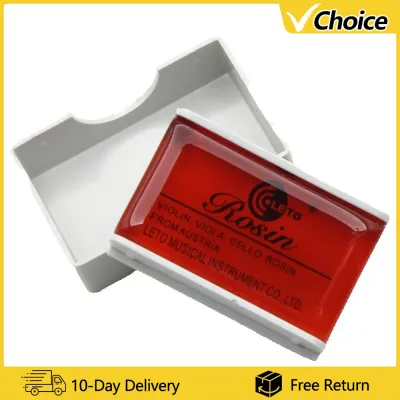
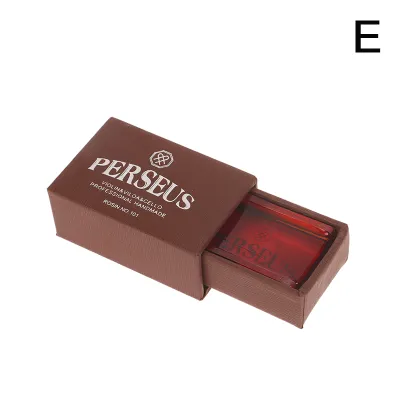
Prices are valid at publication and may change. Please refer to the product page for the latest price.
Furthermore, over-application leads to physical buildup. The excess powder sheds rapidly during play, settling as a fine white dust on the strings, fingerboard, and the delicate varnish of the violin body. If left uncleaned, this dust can bond with the varnish over time, potentially damaging the instrument’s finish and deadening the vibration of the strings.
Signs Your Bow Needs More Rosin (and When It Has Too Much)
Recognizing when your bow requires more rosin—and when it is already oversaturated—prevents unnecessary buildup and maintains a consistent playing experience.

An under-rosined bow will feel slippery and unstable on the strings. You may notice a whistling or airy quality to your notes, or find that you have to press down excessively hard with your index finger just to get a clear sound. If the bow slides effortlessly across the string but produces very little volume, it is time to apply a fresh coat.
Conversely, an over-rosined bow exhibits clear visual and tactile warning signs. You will see visible white clumps of powder clinging to the hair, and a noticeable cloud of dust will rise from the strings with every downbow. Tactilely, the bow will feel heavy, sluggish, and overly resistant, as if it is sticking to the strings rather than gliding over them.
Before reaching for your rosin cake, always test the current grip by playing a few long, slow open strings at a moderate dynamic. This simple check helps you gauge the actual friction level and prevents the habit of applying rosin out of mere routine.
Step-by-Step Guide to Applying Violin Rosin Correctly
Preparing the Bow and Rosin
Before the rosin touches the hair, both the bow and the cake must be properly prepared to ensure an even transfer of resin.
- Adjust Bow Tension: Tighten the bow hair to your standard playing tension. This keeps the hair taut and flat, exposing the maximum surface area to the rosin while preventing the wooden bow stick from accidentally rubbing against the edge of the rosin cake.
- Inspect the Rosin Surface: Examine your rosin cake. A brand-new cake often has a highly polished, smooth factory glaze that makes it difficult for the bow hair to grip. If necessary, follow the manufacturer's instructions to gently scuff the top layer with a clean, fine abrasive to help the hair catch the resin.
- Clean the Hair: Ensure the bow hair is free from large, pre-existing clumps of old dust or dirt. If the hair is visibly dirty or greasy from finger oils, the new rosin will not adhere evenly.
The Application Technique
The physical motion used to apply rosin determines how evenly the powder is distributed across the length of the bow.
- Position the Bow: Hold the rosin cake securely in one hand and the bow in the other. Place the bow hair flat against the rosin surface, starting at the frog (the wooden block near the screw).
- Use Long, Continuous Strokes: Draw the bow slowly and steadily across the rosin cake from the frog all the way to the tip, then glide it back. Avoid fast, short, scrubbing motions, which generate localized heat and can cause the rosin to melt and clump unevenly on the hair.
- Apply Gentle Pressure: Use light, consistent pressure throughout the stroke. Pressing too hard can crack the brittle rosin cake or grind the resin into a heavy, uneven powder that clogs the hair fibers.
- Adjust the Number of Passes: For regular maintenance, three to five full strokes from frog to tip are generally enough. If you are working with a newly haired bow, you will need to apply significantly more passes—often between thirty and forty—to build up the initial base layer.
Distributing and Testing the Grip
After applying the rosin, a few final steps ensure the powder settles correctly and the bow is ready for performance.
- Play Open Strings: Play several long, slow open strings across all four registers. This action works the fresh rosin deep into the hair fibers and shakes off any loose, superficial dust before you begin your actual practice session.
- Listen to the Tone: Pay close attention to the sound quality. The tone should be immediate, warm, and clear. If the sound is scratchy, play a few more long bows to help the rosin distribute more evenly.
- Wipe the Bow Stick: Use a soft, dry microfiber cloth to gently wipe down the wooden bow stick. This removes any stray rosin dust that settled on the wood during the application process, preserving the finish of your bow.
How to Fix Over-Rosined Bow Hair
If you accidentally apply too much rosin, you do not need to wash the hair or take drastic measures. The excess can be safely managed with a few gentle techniques.
First, take a clean, dry microfiber cloth and wrap it lightly around the bow hair. Slide the cloth gently from the frog to the tip of the bow. This action lifts away the loose, superficial dust sitting on top of the hair without stripping the essential base layer underneath.
If the rosin has formed stubborn clumps deeper within the fibers, use a soft, clean, dry toothbrush or a specialized bow brush. Gently brush the hair from the frog to the tip, following the natural direction of the hair cuticles. Never brush back and forth, as this can stretch, tangle, or snap the delicate horsehair.
In cases where the bow hair has become permanently saturated over months of heavy use, or if it has absorbed oils from your fingers, brushing may no longer restore the proper grip. When the hair feels slick, dirty, or consistently produces a dull tone despite cleaning, it is time to visit a professional luthier to have the bow rehaired.
Daily Maintenance and Storage for Your Bow and Rosin
Consistent daily care preserves the quality of your bow hair, protects your violin’s varnish, and extends the lifespan of your rosin cake.
- Wipe the Instrument: After every playing session, use a dedicated, dry microfiber cloth to wipe down the violin strings, the fingerboard, and the body of the instrument directly beneath the strings. Removing fresh rosin dust daily prevents it from building up and bonding with the delicate varnish.
- Protect the Rosin Cake: Always store your rosin cake in its protective cloth, pouch, or box immediately after use. Rosin is highly brittle and can easily shatter if dropped onto a hard floor or knocked against a music stand.
- Avoid Extreme Temperatures: Keep your bow and rosin away from extreme temperature fluctuations. In warm, humid climates, leaving your instrument case in a hot car or near a sunny window can cause the rosin cake to melt, deform, or stick to its packaging. It can also cause the rosin on your bow hair to liquefy, ruining the hair's playing qualities.
Frequently Asked Questions (FAQ)
How often should I rosin my violin bow?
There is no universal calendar schedule for applying rosin, as the frequency depends entirely on your playing habits and local environment. A student practicing for thirty minutes a day may only need to apply rosin once or twice a week, while a musician playing for several hours daily might require a light application before every session.
Environmental factors also play a significant role. High humidity can make rosin feel naturally stickier and more cohesive, meaning you may need to apply it less frequently. In dry, air-conditioned rooms, the rosin can feel more slippery, requiring slightly more frequent touch-ups. Rather than following a strict schedule, learn to rely on the auditory and tactile feedback of your bow against the strings to decide when more grip is needed.
Does the type of rosin change the application method?
The physical technique of drawing the bow across the cake in long, even strokes remains identical regardless of the rosin type, but the physical properties of the rosin will influence how many passes you need.
Light or amber rosins are harder, denser, and less sticky. They produce a bright, clear sound with a moderate amount of dust, making them highly suitable for warm, humid climates where softer rosins might become too gummy. Dark rosins are softer, stickier, and offer a much stronger grip on the strings, producing a warmer, deeper tone. Because dark rosin is softer, it transfers to the bow hair much more easily, meaning you will generally need fewer passes and lighter pressure during application to avoid overloading the hair.
Community discussion
Share your experience or ask a question. Comments are reviewed before publication.