
To choose the right 1/4 cello case for your child, you must look beyond the simple size label and evaluate three core pillars: exact interior dimensions, manageable carrying weight, and structural protection. A young student’s instrument is highly vulnerable to physical impact and environmental shifts, making a precise fit and reliable shell essential. By focusing on verifiable specifications rather than marketing claims, you can ensure the instrument remains safe during daily school transits and lessons.
Decoding Interior Dimensions and Fit Specs
When shopping for a 1/4 cello case, the most common mistake is assuming that all “1/4 size” instruments and cases share identical measurements. In reality, luthiers and manufacturers worldwide build student cellos with slight variations in body length, arching height, and bout widths. A case labeled as 1/4 size might fit one brand perfectly while being too tight or dangerously loose for another.
To guarantee a secure fit, you must measure your child’s cello and compare those figures directly against the case’s interior specifications. Focus on three primary measurements:
Products mentioned in this guide
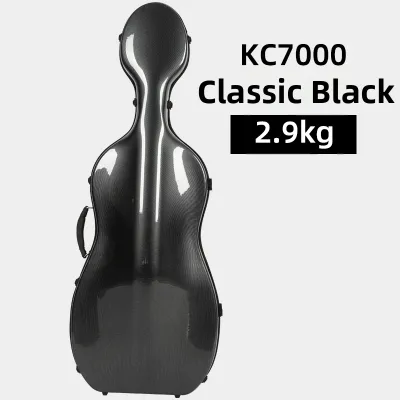
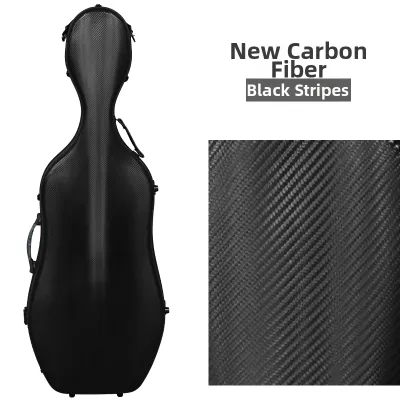
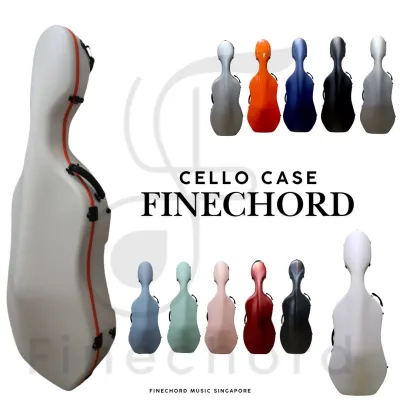
Prices are valid at publication and may change. Please refer to the product page for the latest price.
- Total Length: Measure from the top of the scroll to the bottom of the lower block, excluding the endpin.
- Upper Bout Width: The widest part of the upper body.
- Lower Bout Width: The widest part of the lower body.
Beyond these basic dimensions, pay close attention to depth and clearance. The bridge of the cello is highly sensitive and must never experience downward pressure when the case is closed. Ensure there is ample vertical clearance over the bridge area. Similarly, the scroll and tuning pegs should suspend freely within the upper compartment of the case, preventing any lateral pressure that could detune the instrument or fracture the neck joint during a minor drop.
Translating Weight and Portability Specs for Children
A 1/4 size cello is typically played by children aged seven to ten. At this developmental stage, carrying a heavy, awkward load can lead to poor posture or accidental drops. Therefore, the empty weight of the case is just as critical as its protective qualities. Parents must balance the physical capabilities of their child with the level of protection required for their daily routine.

When calculating the total carrying weight, remember to add the weight of the cello itself (usually around 1.5 to 2 kilograms), the bow, sheet music, and accessories to the empty weight of the case. A hard case weighing 4 kilograms can quickly become an overwhelming 6-kilogram load for a young child. Look for lightweight hard cases made from modern composites, which often weigh between 2.5 and 3.5 kilograms while maintaining excellent structural integrity.
Portability is heavily influenced by the carrying system. Look for these ergonomic features:
- Padded Backpack Straps: Wide, slip-resistant straps distribute weight evenly across both shoulders.
- Chest or Waist Straps: These keep the case from swaying side-to-side as the child walks.
- Substantial D-Rings: Heavy-duty metal attachment points prevent the straps from snapping under tension.
If your child only travels to lessons by car and is always supervised, a high-density padded gig bag (often weighing under 1.5 kilograms) may suffice. However, if they take public transport, ride a school bus, or store their instrument in a crowded school music room, a rigid hard case is highly recommended to prevent crushing injuries.
Material and Protection Specs Explained
The outer shell material determines how well the case resists impacts, punctures, and environmental changes. For student cases, the three most common hard shell materials are fiberglass, ABS plastic, and carbon fiber composites.
Fiberglass is incredibly durable and offers excellent puncture resistance, but it tends to be the heaviest option. ABS plastic provides a highly practical middle ground, offering robust impact absorption and moderate weight at a more accessible price point. Carbon fiber is the gold standard for strength-to-weight ratio, but it is generally expensive, often costing upwards of S$800, and may exceed the budget of a growing student who will eventually transition to a 1/2 size instrument.
Inside the case, the suspension system is what actually saves the cello during a fall. A quality suspension case uses foam pads to float the cello body away from the outer shell, ensuring that impact energy dissipates through the case walls rather than transferring to the wood. Ensure the case features a secure neck block with a hook-and-loop strap to keep the fingerboard immobilized.
In Singapore’s tropical climate, humidity protection is another vital specification. High relative humidity can soften the hide glue holding the cello together, warp the wood, and cause strings to corrode. Look for cases equipped with a continuous rubber gasket seal along the closure rim to block moisture. While some cases feature built-in analog hygrometers, these are often inaccurate; a better approach is to verify the seal’s tightness and place a small, independent humidity-control pack inside the accessory compartment to maintain a stable internal environment.
Simplifying the Decision: Specs You Can Safely Ignore
It is easy to get caught up in premium specifications that drive up the price without offering real value to a young student. For a 1/4 size cello, which your child will likely outgrow in one to two years, certain high-end features are unnecessary.
First, you can safely ignore professional-grade flight case certifications. These cases are engineered with heavy-duty steel latches, reinforced valances, and extra-thick shells designed to withstand the rough handling of airport baggage carousels. For daily school use, standard, well-aligned latches made of durable alloy are more than sufficient and keep the case lightweight.
Second, do not overpay for excessive accessory storage. A student only needs enough space for a cake of rosin, a cleaning cloth, and a spare set of strings. Large, built-in sheet music pockets on the back of the case often add unnecessary bulk and can press uncomfortably against a child’s spine when worn as a backpack. A separate music bag is usually a more ergonomic solution.
Finally, premium aesthetic finishes—such as custom high-gloss paint, carbon-weave patterns, or brushed metallic exteriors—do not contribute to structural protection. In fact, high-gloss finishes scratch easily in school environments. Opting for a standard matte or textured finish can save you money while keeping the case looking presentable for longer.
Frequently Asked Questions (FAQ)
Can my child use a 1/2 size case if they are growing quickly?
No, you should never place a 1/4 size cello into a 1/2 size case. If the case is too large, the instrument will shift and slide around inside during transit. This internal movement can easily snap the fragile bridge, crack the ribs of the instrument, or break the scroll if it collides with the case walls. A proper, snug fit is absolutely essential for the suspension system to work. To manage growth transitions safely, consider renting a cello and case from a local luthier shop, which often allows you to trade up sizes as your child grows without purchasing new gear each time.
How do I measure my child's cello to ensure case compatibility?
To measure your child’s cello accurately, use a flexible measuring tape and record the dimensions in centimeters. First, measure the total length from the very top of the scroll down to the bottom edge of the lower bout (do not include the endpin). Next, measure the upper bout width at its widest point, and the lower bout width at its widest point. Finally, measure the maximum depth of the body from the back plate to the top of the bridge. Compare these physical measurements directly against the interior dimensions provided by the case manufacturer to ensure a safe, snug fit.
Community discussion
Share your experience or ask a question. Comments are reviewed before publication.