
Selecting the right bag for a 26-inch tenor ukulele requires balancing precise physical dimensions, robust protective materials, and practical carrying features. While many beginners assume any bag labeled “tenor” or “26-inch” will fit their instrument perfectly, variations in body shapes, headstock designs, and padding thicknesses can lead to a bag that is either dangerously tight or excessively loose. By understanding how to measure your instrument, evaluating the density of the internal padding, and selecting weather-resistant exterior fabrics, you can protect your investment from physical impacts and environmental hazards during your daily commute.
Understanding Tenor Ukulele Dimensions and Bag Sizing
Although “26-inch” is the standard nominal length for a tenor ukulele, this measurement refers to the approximate overall length of the instrument rather than a universal blueprint. Different manufacturers use unique body shapes, neck lengths, and headstock designs. For example, a tenor ukulele with a slotted headstock or an asymmetrical peg arrangement may be slightly longer or wider at the top than a model with a traditional solid headstock. Similarly, pineapple-shaped tenors or cutaway models have distinct body contours that do not always align with standard bag shapes.
To avoid sizing mistakes, you must measure your instrument manually before browsing online marketplaces or visiting a local music shop. Use a flexible measuring tape to record five critical dimensions: the overall length from the tip of the headstock to the bottom of the body, the body length from the neck joint to the bottom, the width of the upper bout, the width of the lower bout, and the maximum depth of the body. Having these exact measurements on hand allows you to compare them directly against the specifications of any bag you consider.
Products mentioned in this guide
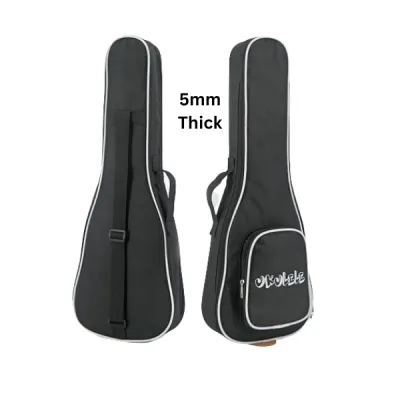
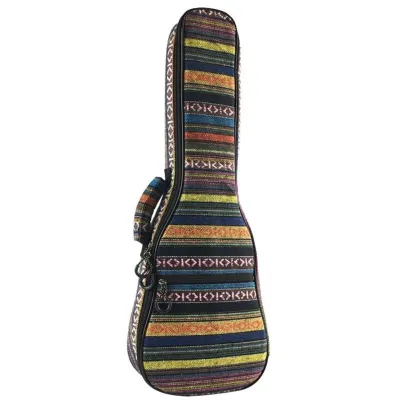
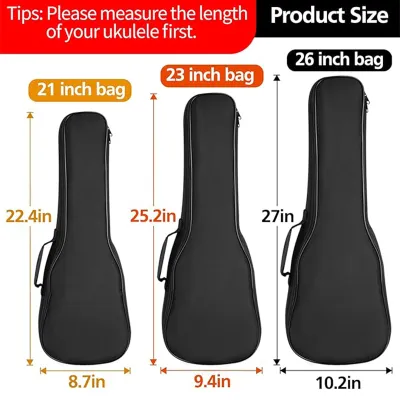
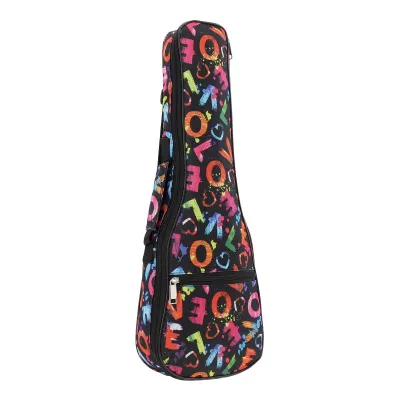
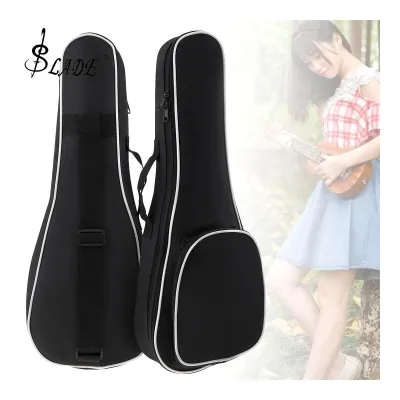

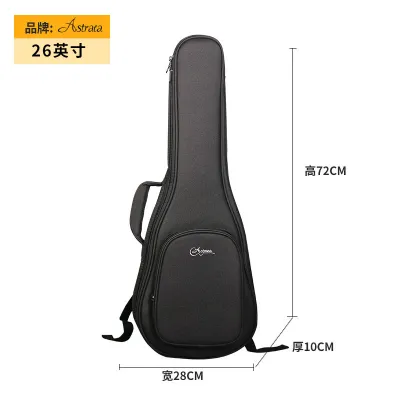
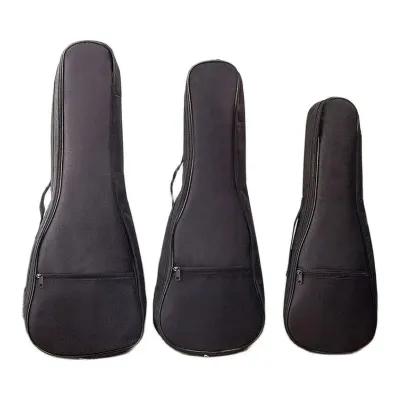
Prices are valid at publication and may change. Please refer to the product page for the latest price.
When reviewing product listings, always distinguish between internal and external bag dimensions. Manufacturers frequently display external dimensions prominently, but these do not represent the actual space available for your instrument. A bag with 20mm of thick padding will have internal dimensions that are significantly smaller than its external shell. If you purchase a bag based solely on its external measurements, you may find that your ukulele does not fit inside once the padding is accounted for.
Choosing a bag that is too tight poses serious physical risks to your ukulele. Forcing a tight bag to zip shut puts constant, concentrated pressure on the bridge, the saddle, and the tuning pegs. This pressure can warp the thin wooden soundboard over time, strip the gears of your tuning machines, or even cause the headstock to crack if the bag receives a minor bump. Additionally, a tight fit makes it difficult to insert and remove the instrument, increasing the likelihood of accidental scratches.
Conversely, a bag that is excessively loose is equally problematic. If there is more than an inch of empty space around the instrument, the ukulele will slide up, down, and sideways as you walk. This constant shifting causes internal friction that can dull a high-gloss finish or wear down the wood on the edges. More importantly, if the bag is dropped or bumped, a loose instrument will slam against the inside of the bag, rendering the padding far less effective at absorbing the impact.
Essential Protection Features for Beginners
The primary purpose of a gig bag is to shield your instrument from physical damage, and the level of protection is largely determined by the thickness and density of its padding. Cheap, budget-friendly bags often use low-density open-cell sponge foam, which compresses easily under the slightest pressure and offers almost no impact protection. High-quality gig bags utilize high-density closed-cell foam, such as polyethylene (PE) or ethylene-vinyl acetate (EVA) foam, which retains its shape and absorbs shocks effectively. For basic home storage, 5mm to 10mm of padding may be sufficient, but for regular travel, a minimum of 15mm to 20mm of high-density padding is highly recommended.

Beyond overall thickness, pay close attention to how the padding is distributed throughout the bag. Some manufacturers save on production costs by only padding the front and back panels, leaving the side rims of the bag thin and vulnerable. Ensure the bag you choose features continuous padding around the entire perimeter. Additionally, look for extra-thick padding or a reinforced rubber bumper pad at the very bottom of the bag, as this area experiences the most impact when you set the bag down vertically on the floor.
Zippers and seams are the most common failure points on instrument bags, making them critical areas to inspect. Look for heavy-duty, large-toothed nylon coil zippers with dual metal pulls, which glide smoothly and resist splitting under tension. The stitching around the zipper track and major seams should be double-stitched with heavy nylon thread to prevent fraying. A high-quality bag will also feature an internal fabric flap or zipper guard that runs along the inside of the zipper track, preventing the metal teeth from rubbing against and scratching the wooden finish of your ukulele.
Another essential protection feature is an internal neck support system. This typically consists of a padded, U-shaped foam block covered in soft fabric, equipped with a Velcro strap to secure the neck of the ukulele in place. By locking the neck into position, this system prevents the instrument from shifting laterally inside the bag. It also suspends the headstock slightly, reducing the risk of the tuning pegs hitting the sides of the bag and absorbing shocks that would otherwise travel directly to the vulnerable neck joint.
When deciding on the level of protection you need, consider your typical commuting environment. If you primarily walk short distances or travel by private car, a lightweight bag with 10mm to 15mm of padding is usually sufficient. However, if you regularly navigate crowded public transit, walk through busy streets, or attend group lessons where bags are stacked together, investing in a bag with 20mm of padding or a semi-rigid hybrid frame is a much safer choice to protect your instrument from accidental bumps and crowding.
Material, Comfort, and Carrying Options
The exterior material of your ukulele bag determines its durability and how well it protects your instrument from environmental elements. Polyester and nylon are the most common fabrics used for gig bags, with their density and strength measured in denier (D). A 600D polyester fabric is the industry standard for durable, tear-resistant gig bags, offering excellent resistance to daily wear and tear. For enhanced durability and longevity, look for higher denier ratings such as 900D or 1200D, which provide a thicker, more rugged exterior shell.
In tropical climates characterized by high humidity and sudden, heavy downpours, water resistance is a crucial feature to look for. While few fabric gig bags are entirely waterproof, those with a water-resistant polyurethane backing and water-repellent zippers will keep rainwater from soaking through to the wooden instrument. Avoid untreated canvas or cotton bags, as they absorb moisture from the air. This trapped moisture can create a damp environment inside the bag, causing the wood of your ukulele to swell, warp, or develop mold over time.
Comfort is another vital consideration, especially if you plan to carry your ukulele over longer distances. Look for shoulder straps that are wide, adjustable, and generously padded. Thin, unpadded webbing straps will quickly dig into your shoulders, causing discomfort even with a lightweight instrument like a tenor ukulele. The adjustment buckles should be made of heavy-duty plastic or metal to ensure they hold their position securely without slipping when you are on the move.
When evaluating carrying styles, backpack-style dual straps are highly recommended for most beginners. Dual straps distribute the weight of the instrument evenly across both shoulders, promoting better posture and reducing fatigue during long walks or transit rides. This carrying style also keeps both of your hands completely free, allowing you to hold onto handrails on public buses or trains, carry other personal bags, or hold an umbrella during a sudden rainstorm. Single-shoulder sling straps are acceptable for quick trips but tend to slip off the shoulder easily.
In addition to shoulder straps, a sturdy side carry handle is essential for quick maneuvers, such as lifting the bag out of a car seat or carrying it through tight spaces. The handle should be padded for comfort and securely attached to the main body of the bag with reinforced box-X stitching. A secondary grab handle or loop on the back of the headstock area is also incredibly useful, allowing you to hang the bag vertically on a wall hook for safe storage or pull it easily out of a crowded closet.
Storage and Accessories: Evaluating Pocket Space
As a beginner, you will quickly find that carrying a ukulele involves transporting several small accessories as well. At a minimum, you will need to bring along a digital clip-on tuner, a spare set of strings, a cleaning cloth, and perhaps a few felt picks or a capo. If you are attending formal lessons or jam sessions, you may also need to carry chord charts, a small notebook, or a music book. Having dedicated pocket space on your bag ensures you can keep all your gear organized in one place.
When evaluating the front pocket of a ukulele bag, look for a three-dimensional, gusseted design that expands outward. Flat pockets offer very little usable space and will bulge inward when filled, pressing directly against the soundboard of your ukulele. A gusseted pocket allows you to store bulkier items like tuners and capos without putting physical pressure on the instrument. Some bags also feature internal mesh organizers or zippered compartments within the main pocket, which prevent small items from rattling around and scratching each other.
While large pockets are highly convenient, there are trade-offs to consider regarding size and weight distribution. A massive front pocket that can hold an A4-sized music book or a tablet makes the bag significantly bulkier and front-heavy. This can cause the bag to tip forward when set down on a flat surface or feel unbalanced on your back. If you prefer a streamlined, lightweight setup, a smaller pocket for basic accessories is ideal, and you can carry your music books or tablets in a separate backpack.
It is crucial to avoid overloading the front pocket with heavy, hard, or sharp objects. Because the pocket sits directly over the thin, delicate wooden soundboard of your ukulele, any heavy pressure or impact on the pocket can transmit force directly to the wood. Heavy items like power banks, large key rings, or thick metal capos should be stored carefully. If the bag is bumped or dropped face-down, these hard objects can easily crack or scratch the soundboard, defeating the protective purpose of the bag.
How to Build Your Shortlist: A Step-by-Step Buying Checklist
To help you find the perfect bag on e-commerce platforms or at a local music store, use this step-by-step checklist to evaluate and compare your options:
- Step 1: Verify the Internal Dimensions. Measure your tenor ukulele's overall length, lower bout width, and body depth. Compare these numbers directly against the manufacturer's specified internal dimensions of the bag. Ensure there is a small buffer of about 0.5 to 1 inch of clearance so the instrument fits comfortably without being forced, but not so much space that it slides around.
- Step 2: Assess the Protection Level. Look for a bag with a minimum of 10mm to 15mm of high-density foam padding. Confirm that the padding is continuous around the sides and bottom. Check for an internal neck strap or cradle to secure the neck, and verify that there are protective, wear-resistant patches inside the bag at the headstock and bridge areas to prevent sharp string ends from tearing the lining.
- Step 3: Inspect Materials and Hardware. Choose a bag made from water-resistant exterior fabric, such as 600D polyester or nylon, to protect against humidity and rain. Ensure the zippers are heavy-duty nylon coil zippers with smooth operation, and verify that the shoulder straps are padded, adjustable, and securely stitched with reinforced seams.
- Step 4: Review Purchase Terms and Feedback. Before making your final purchase, check the return and exchange policy of the online marketplace or local music store. This is especially important if you are buying online, as it allows you to return the bag if the fit is not perfect. Read customer reviews to look for feedback on zipper durability, strap comfort, and real-world fit compatibility with your specific brand of tenor ukulele.
Frequently Asked Questions (FAQ)
Can I use a concert or soprano bag for a 26-inch tenor ukulele?
No, you cannot use a concert or soprano bag for a 26-inch tenor ukulele. Soprano ukuleles (typically 21 inches long) and concert ukuleles (typically 24 inches long) are significantly smaller in all dimensions, including length, width, and depth, compared to a tenor ukulele. Attempting to force a 26-inch tenor ukulele into a smaller bag will either damage the zipper, put dangerous pressure on the neck and tuning pegs, or simply fail to close entirely, leaving your instrument completely unprotected. Conversely, placing a tenor ukulele in a bag that is too small is physically impossible, and placing it in a bag that is too large (such as a baritone ukulele bag) will allow it to slide around excessively, leading to potential impact damage.
Is a hard case better than a padded gig bag for a beginner?
Whether a hard case is better than a padded gig bag depends entirely on your lifestyle, budget, and how you plan to transport your instrument. Hard cases, typically constructed from wood, fiberglass, or heavy-duty ABS plastic, offer the absolute highest level of physical protection against heavy impacts, crushing forces, and extreme environmental changes. They are ideal for long-distance travel, flights, or storing your instrument in a household with active pets or young children. However, hard cases are significantly heavier, more expensive (often costing upwards of S$80 to S$150), lack convenient backpack straps, and offer very little external pocket storage for accessories. For most beginners, a high-quality padded gig bag with 15mm to 20mm of high-density foam is the more practical and comfortable choice. It is lightweight, easy to carry on public transport with dual backpack straps, features ample pocket space for your tuner and music books, and provides more than enough protection for daily commutes and local music lessons.
Community discussion
Share your experience or ask a question. Comments are reviewed before publication.