
Selecting the right violin case 4 4 is a critical decision for protecting your instrument. A standard full-size (4/4) violin requires a case that does more than simply hold it; it must act as a shield against physical impacts, sudden climate shifts, and daily wear. Whether you are a student commuting on public transit or a performing musician, understanding case specifications ensures your violin remains safe and in tune.
To make an informed purchase, you must evaluate five primary pillars of case design: shell materials, interior suspension, shape and weight, climate seals, and accessory storage. Each of these features directly impacts how well your instrument survives drops, resists humidity, and fits into your daily routine. By decoding these specifications, you can choose a case that matches your lifestyle, budget, and environmental conditions.
Shell Materials and Impact Protection Explained
The outer shell is your violin’s first line of defense against drops and structural pressure. Manufacturers construct modern cases from several distinct materials, each offering a different balance of weight, strength, and thermal insulation. Traditional wood laminate remains popular for its superb structural rigidity and natural thermal insulation, but it is heavier and susceptible to moisture damage over time if the outer cover wears out.
Products mentioned in this guide
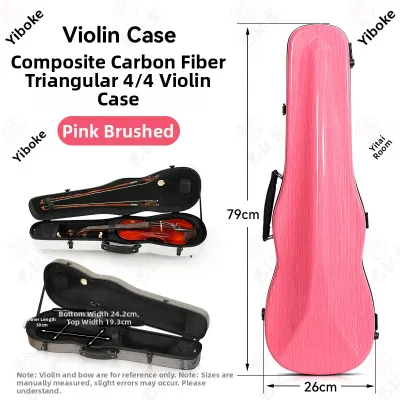
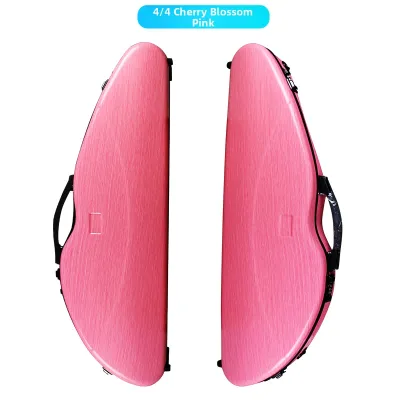

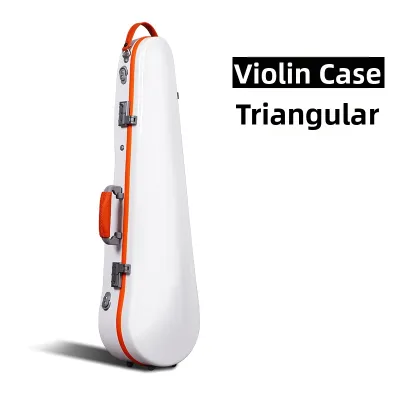
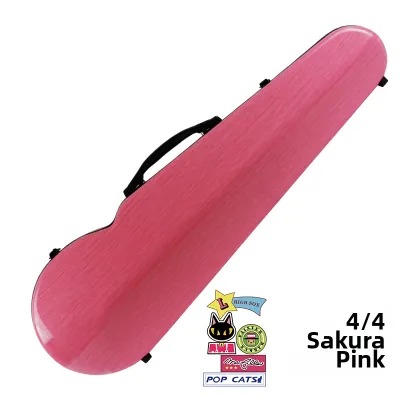
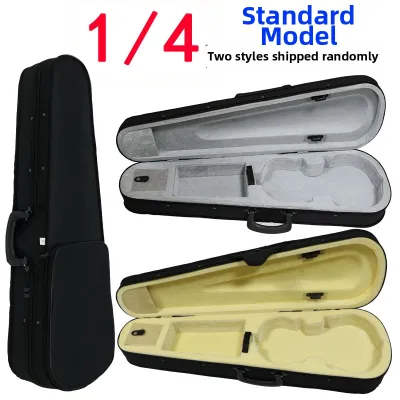
Prices are valid at publication and may change. Please refer to the product page for the latest price.
For lighter alternatives, modern polymers and composites are the industry standard. Fiberglass cases offer a glossy aesthetic and excellent impact resistance, though they can be heavy and scratch easily. ABS plastic provides a highly durable, budget-friendly alternative with great shock absorption, making it excellent for students. At the premium end, carbon fiber offers an unmatched strength-to-weight ratio, providing incredible crush resistance while remaining exceptionally light, though it typically commands a higher price and offers less natural thermal insulation than wood.
Crush resistance is a vital specification to consider if you frequently travel or use crowded transport. When a case is subjected to external pressure, the shell must resist bending. If the shell flexes too much, it can press directly against the violin bridge or soundpost, causing catastrophic structural cracks that require expensive luthier repairs.
Beyond the material itself, the latching mechanism plays a critical role in overall security. Heavy-duty metal latches, particularly those made of brass with lockable designs, provide a secure mechanical seal that prevents accidental openings. Zipper closures are common on fabric-covered cases and offer decent dust protection, but they can wear out over time, making a combination of both zippers and mechanical latches the ideal setup for maximum security.
Interior Suspension: Decoding the Fit and Lining
While the outer shell deflects external forces, the interior design determines how those forces are absorbed. A high-quality 4/4 case must feature a full suspension system rather than a simple foam cutout. In a full suspension interior, the violin is supported only at its strongest structural points—the neck block and the bottom block near the endpin. This design allows the delicate back and top plates of the violin to float in mid-air, ensuring that any shock to the outer shell is dissipated through the suspension cushions rather than transferred directly to the instrument body.

The materials lining the interior are equally important for preserving your violin’s finish. Premium cases typically use plush velvet, microfiber, or silk linings. It is essential to choose non-abrasive, colorfast fabrics to prevent micro-scratches on the delicate oil or spirit varnish of your violin. Low-quality linings can bleed dye when exposed to high humidity or sweat, permanently staining your instrument’s finish.
A secure fit requires a reliable, padded neck strap, usually secured with hook-and-loop fasteners, to hold the neck firmly against the upper cushion. When the violin is placed in the case, there should be no movement when the case is closed and gently shaken. However, the fit should never feel forced; if you must press down on the instrument to close the lid, the case is too shallow, which puts dangerous pressure on the bridge.
Case Shapes, Weight, and Daily Portability
Choosing between different case shapes is a matter of balancing storage needs with your daily commute. The two primary designs are contoured (shaped) cases and oblong (rectangular) cases. Contoured cases follow the violin’s natural curves, making them highly compact, lightweight, and easy to maneuver through crowded spaces. They are ideal for students or musicians who walk or take public transport frequently, though they offer minimal space for accessories.
Oblong cases, by contrast, offer a rectangular profile that maximizes interior space. While they are physically larger and heavier, they provide ample room for multiple bows, shoulder rests, sheet music, and personal items. The rectangular structure also inherently offers greater overall rigidity and stability when placed on flat surfaces, reducing the risk of the case tipping over when opened.
Weight specifications are critical for daily comfort. An empty case might feel light, but once you add a 4/4 violin, bows, a shoulder rest, and sheet music, the total weight increases significantly. For daily commuting, a case with an empty weight of under 2.5 kilograms is highly desirable to prevent shoulder and back strain.
To manage this weight, evaluate the carrying configurations provided. Padded, adjustable backpack straps are the gold standard for hands-free transport, distributing the weight evenly across both shoulders. Additionally, look for a subway handle on the narrow end of the case, which allows you to hold the case vertically next to your leg while standing on crowded trains or buses.
Climate Sealing and Humidity Control Features
Environmental stability is a paramount concern for string players, particularly in tropical climates like Singapore, where relative humidity levels regularly exceed 80% and sudden heavy rain is common. Wood is highly hygroscopic, meaning it absorbs and releases moisture, causing the violin to expand, contract, warp, or even crack. A high-quality case must feature a tight weather seal around the rim, typically constructed from rubber weatherstripping or an interlocking tongue-and-groove valance, to keep rainwater and ambient humidity out.
Many cases include built-in climate monitoring tools, such as analog or digital hygrometers and humidifier tubes. While these features are useful for tracking the micro-climate inside your case, they are not active climate-control units. A hygrometer simply alerts you when the interior humidity drops below or rises above the safe range of 40% to 60%. If you live in a humid environment, you will need to place silica gel packs or specialized humidity-control packets inside the accessory compartment to actively absorb excess moisture.
Temperature shock is another major hazard for violins. Moving from a heavily air-conditioned room into the outdoor heat can cause rapid condensation to form on your instrument’s surface. To prevent this, always leave your violin inside its closed case for 10 to 15 minutes after transitioning between extreme environments, allowing the interior temperature to adjust gradually before exposing the instrument to the air.
Bow Holders, Storage, and Practical Accessories
A well-designed case must accommodate your essential accessories safely without cluttering the main chamber. Bow holders are a critical component; most 4/4 cases accommodate two to four bows. Look for spinner-style holders that rotate to lock the bow tip and frog securely in place, rather than simple fabric loops or friction clips that can loosen over time. The holders must keep the bow suspended far enough from the violin so that the bow hair and metal fittings never rub against the instrument’s top plate.
Interior accessory compartments are necessary for storing rosin, mutes, extra strings, and cleaning cloths. These compartments must have a secure, tight-fitting lid—ideally with a magnetic or snap closure—to prevent loose items from spilling out during transit and scratching your violin. Rosin dust is highly abrasive, so keeping it confined to a sealed compartment is essential for protecting your varnish.
Exterior storage, such as a zippered sheet music pocket spanning the length of an oblong case, adds immense convenience. However, ensure that these pockets do not add excessive bulk or create catch points that could snag on doors. If you prefer a streamlined profile, some cases offer detachable music pockets that can be removed when not needed.
Frequently Asked Questions (FAQ)
Can I use a 4/4 violin case for a 3/4 violin?
While a 3/4 violin can physically fit inside a 4/4 case, doing so is highly discouraged. The interior suspension cushions and neck block of a 4/4 case are precisely contoured for a full-sized instrument. A smaller violin will have too much room to shift, slide, and bounce during transit. This movement can easily lead to a collapsed bridge, broken pegs, or severe varnish scratches. To keep your instrument safe, always match the case size to the exact fractional size of your violin.
Are carbon fiber violin cases worth the higher price?
Carbon fiber cases offer an exceptional strength-to-weight ratio, making them highly valuable for touring professionals, frequent flyers, and active commuters who need maximum protection without the physical strain of a heavy case. However, if you primarily transport your violin short distances by car or keep it at home, a high-quality fiberglass or ABS case provides excellent protection at a much lower price point. Consider your daily physical load and travel habits to decide if the weight savings justify the premium cost.
How do I clean the interior velvet of my violin case?
To clean the interior velvet safely, use a soft-bristled brush or a low-suction handheld vacuum with a clean brush attachment to gently lift rosin dust, hair, and small debris. Never use liquid cleaners, wet wipes, or harsh chemical solvents on the lining. Moisture can degrade the adhesive holding the fabric, cause the dye to bleed onto your hands or instrument, and introduce unwanted humidity into the case environment. For severe stains or mold, consult a professional luthier or a specialized case repair technician.
Community discussion
Share your experience or ask a question. Comments are reviewed before publication.