
To find the ideal cajon with bag bundle for gigging and busking in Singapore, you must prioritize structural durability, weather resistance, and ergonomic portability. Commuting via the MRT or bus with a heavy percussion instrument requires a highly protective, backpack-style gig bag, while the tropical climate demands a cajon built to withstand high humidity and sudden temperature shifts. By evaluating the shell materials, snare mechanisms, and bag padding, you can secure a reliable setup that delivers consistent acoustic projection on the street and seamless integration on the stage.
Understanding the Demands of Gigging and Busking
Performing as a mobile percussionist in Singapore presents a unique set of physical and environmental challenges. Unlike studio instruments that remain in climate-controlled environments, a gigging cajon is subject to constant movement, rapid temperature shifts, and varying physical impacts. The simple act of loading the instrument into a car trunk, carrying it up pedestrian overpasses, or navigating crowded train stations exposes the wooden shell to potential structural stress.
The local climate adds another layer of complexity to instrument maintenance. Singapore’s high relative humidity can cause natural wood to swell, which directly alters the tension of the frontplate and dampens the crispness of the snare response. Sudden tropical downpours can catch outdoor performers off guard, making a water-resistant transport solution absolutely vital to prevent water damage to the wooden joints and internal snare wires.
Products mentioned in this guide
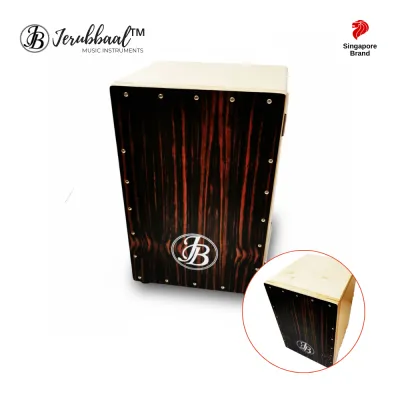
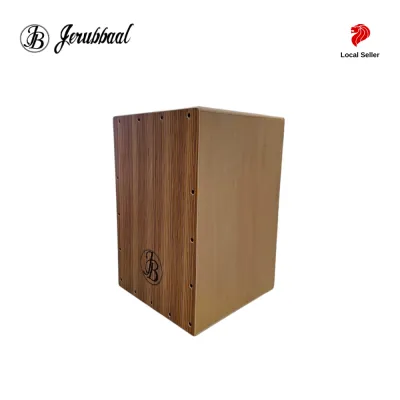
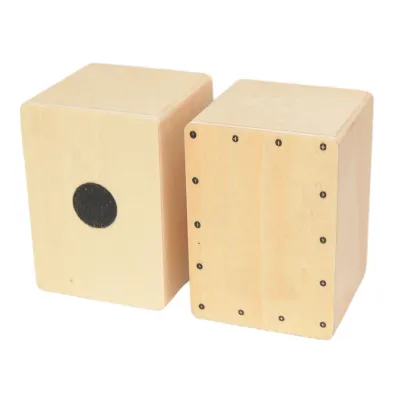
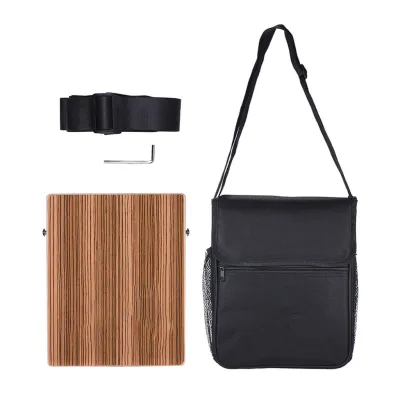
![[Fast Free Delivery] Handcrafted Wooden Cajon Box Drum Compact Size Easy to Carry Strap and Bag Enhance Your Music with Unique Tone](https://img.lazcdn.com/g/p/502403d5fecd3b430be3e19f9076d3b7.jpg_400x400q80.jpg_.webp)
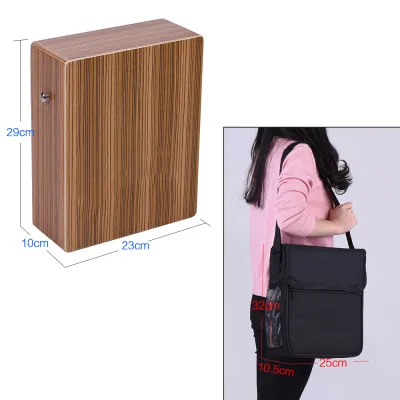
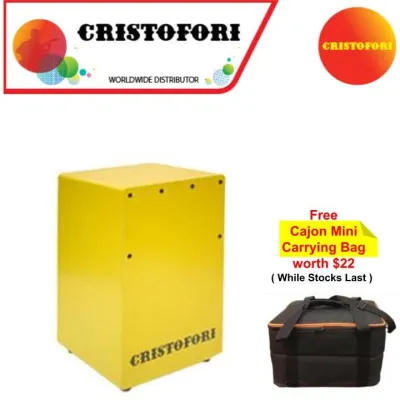
Prices are valid at publication and may change. Please refer to the product page for the latest price.
Acoustic demands also vary significantly depending on your performance venue. When busking in open-air plazas or busy street corners, your cajon must project a clear, punchy bass and sharp slap without the aid of an amplifier. Conversely, indoor club gigs or acoustic sets in cafes typically require a cajon that can be easily mic’d or connected directly to a sound system, meaning the instrument’s natural resonance must remain clean and free of unwanted buzz.
Choosing a Durable Cajon for Live and Street Use
The foundation of a great gigging setup is a cajon built from high-quality, resilient materials. Plywood made from birch or beech is highly favored by live performers because of its structural stability and balanced acoustic properties. Birch offers excellent high-frequency slaps and deep, distinct bass tones, while beech provides a slightly warmer sound with outstanding projection. For maximum weather resistance, some modern cajons utilize fiberglass or composite shells, which are virtually impervious to humidity fluctuations and offer exceptional durability on the road.

The internal snare mechanism is another critical component that dictates both your sound and the instrument’s reliability during transit. Fixed snare wires, which are pressed directly against the inside of the frontplate, offer a highly consistent “sizzle” and require zero adjustment, making them excellent for fast setups. Adjustable guitar-string snares provide greater tonal customization, allowing you to tighten or loosen the strings to control the snare response. However, these adjustable systems are more susceptible to shifting during bumpy commutes, so you must ensure the adjustment screws are robust and easy to access with standard tools.
Balancing size and weight is essential when selecting a cajon for frequent travel. A standard full-sized cajon provides the internal air volume necessary to produce a rich, deep bass tone that carries well in outdoor settings. If you find a standard model too cumbersome for long walks, consider a compact or tapered travel cajon. While these smaller models may sacrifice a bit of low-end resonance, they are significantly lighter and easier to carry over long distances, making them a practical compromise for highly mobile buskers.
Picking a Protective Bag for Frequent Transport
A high-quality gig bag is just as important as the cajon itself when it comes to preserving your instrument’s lifespan. The primary line of defense against drops and bumps is the bag’s internal padding. You should look for bags featuring high-density foam padding that is at least 15mm to 20mm thick. This thick barrier protects the vulnerable corners of the cajon from chipping and prevents external pressure from cracking the thin frontplate or damaging the delicate internal snare system.
Weatherproofing is a non-negotiable feature for any musician commuting in Singapore. The exterior of the bag should be constructed from heavy-duty, water-resistant synthetic fabrics such as 600D polyester or ballistic nylon. Additionally, look for bags equipped with rubberized feet or a waterproof base panel. This allows you to set the bag down on damp grass, wet pavements, or dusty stage floors without moisture seeping through the bottom fabric and warping the wood of your cajon.
Ergonomics and carrying comfort can make or break your commuting experience. Backpack-style shoulder straps are highly recommended because they distribute the weight of the cajon evenly across both shoulders, leaving your hands free to carry other essential gear. Ensure these straps are wide, heavily padded, and secured with reinforced stitching or metal hardware. External accessory pockets are also incredibly useful, providing dedicated space to store your drum keys, gaffer tape, shaker instruments, and personal items securely.
Assembling Your Complete Performance Bundle
When purchasing a cajon and bag together, the first step is to verify their physical compatibility. Do not rely solely on generic size labels like “standard” or “medium,” as dimensions can vary slightly between different manufacturers. Measure the exact height, width, and depth of your cajon and compare these figures against the internal dimensions of the bag. A proper fit should be snug enough to prevent the instrument from sliding around inside, yet loose enough to allow you to zip the bag closed without straining the seams.
To optimize your live performance setup, consider adding a few practical accessories to your bundle. A non-slip rubber floor mat is invaluable for preventing your cajon from sliding away from you on slick stage floors or uneven outdoor pavements. If you perform in highly resonant indoor spaces, small dampening pads or internal foam blocks can help control unwanted overtones. For amplified gigs, look into purchasing a dedicated soundhole microphone clip or a temporary adhesive pickup system, which allows you to connect your cajon directly to a PA system without complex mic stand setups.
Finally, take the time to review the manufacturer’s warranty and the retailer’s return policy before completing your purchase. A reliable warranty should cover structural defects in the wood, glue joints, and snare mechanisms for at least one year. When buying a bundle online, ensure the retailer offers a clear return policy in case the bag or cajon arrives with shipping damage, allowing you to exchange the items quickly so you do not miss your next scheduled performance.
Frequently Asked Questions (FAQ)
How do I protect my cajon from humidity when busking outdoors?
To protect your cajon from high humidity, always store it inside its padded gig bag with a few silica gel or desiccant packs when not in use. During outdoor performances, position your instrument away from direct sunlight and sudden rain showers, as rapid environmental changes can warp the wood and loosen the glue joints. After your set, use a dry microfiber cloth to wipe down the striking surface and the outer shell to remove sweat, dust, and condensation before packing it back into the bag.
Can I use a standard padded gig bag, or do I need a specialized cajon case?
Using a specialized cajon bag is highly recommended over a generic utility bag. Specialized bags are designed specifically to match the boxy dimensions of the instrument, providing targeted padding at the corners and across the delicate frontplate. They also feature heavy-duty backpack straps positioned to distribute the off-center weight of a cajon safely, reducing the risk of strap failure and protecting the internal snare wires from shifting or breaking during transit.
Community discussion
Share your experience or ask a question. Comments are reviewed before publication.