
Selecting the right cajon with bag depends entirely on your primary playing environment. A beginner practicing at home needs a focus on foundational tone and basic protection, while a performing musician requires rigorous portability, stage-ready features, and heavy-duty transit gear. By matching manufacturer specifications and bag designs to your specific skill level and use case, you can secure an instrument that sounds excellent and remains protected for years.
Evaluating your options involves looking closely at the materials of the drum, the adjustment mechanisms of the internal snares, and the structural quality of the carrying case. This guide outlines how to navigate these specifications so you can make an informed decision based on practical, observable product features.
Assessing Your Primary Playing Scenario
Defining your dominant playing environment is the first step in choosing a cajon with bag. For home practice, players often face space limitations and volume constraints. In high-density housing environments, such as HDB apartments in Singapore, sound travels easily through shared walls and floors. A home-focused player needs an instrument that offers clear tonal separation at lower volumes, and a simple bag that primarily serves as a dust cover and basic barrier against indoor humidity.
Products mentioned in this guide
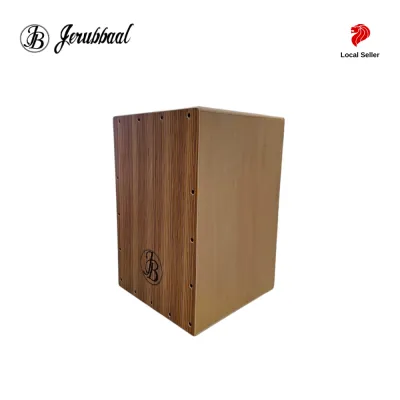
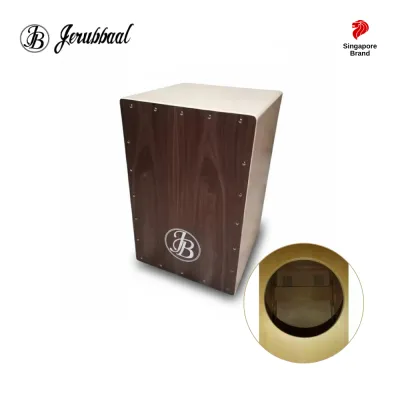
Prices are valid at publication and may change. Please refer to the product page for the latest price.
Gigging musicians face a completely different set of demands. If you perform live, your gear must withstand frequent transport in car boots, taxis, or public transit systems like the MRT. Stage setups require quick unpacking, and instruments are constantly exposed to environmental changes, such as transitioning from air-conditioned venues to humid outdoor stages. For these scenarios, physical durability and high-grade instrument protection become just as important as the acoustic properties of the drum itself.
Weighing these trade-offs helps prevent overspending on unnecessary features or, conversely, damaging your gear due to inadequate protection. If you play exclusively at home, a heavy-duty, heavily padded transit bag might add unnecessary bulk and cost to your setup. However, if you travel even once a week for rehearsals or community events, relying on a thin, unpadded dust cover risks structural damage to the corners of your instrument during transit.
Selecting the Cajon Based on Skill Level and Use Case
When choosing the instrument itself, beginners should focus on straightforward construction and reliable playability. Look for cajons made from durable plywoods, such as birch or medium-density fiberboard (MDF) bodies, which offer consistent resonance and structural stability. Standard dimensions—typically around 30 x 30 x 50 centimeters—provide a comfortable seating height for most adults. Fixed snare systems, which utilize pre-set guitar strings or internal snare wires pressed against the faceplate, are excellent for beginners because they deliver a reliable bass-to-slap separation without requiring constant manual adjustment.

Performing musicians require advanced features that offer greater tonal flexibility on stage. Look for instruments with adjustable snare systems, which allow you to tighten or loosen the snare tension via an external knob or lever, or even turn the snare effect off entirely for traditional flamenco or Peruvian styles. Premium faceplates made from thin, high-resonance woods like walnut, bubinga, or specialized birch laminates provide a wider dynamic range and better projection. If you regularly play with a full band, verify if the cajon has built-in pickup systems or dedicated microphone ports to simplify stage amplification.
Before purchasing, always read the manufacturer’s specification sheets to confirm the structural integrity of the drum. Check for reinforced internal bracing, which supports the player’s weight over long periods, and non-slip rubber feet that prevent the instrument from sliding on smooth stage floors. For players in tropical climates, look for sealed or varnished finishes that protect the wood from absorbing excess moisture, which can deaden the tone and warp the thin front faceplate over time.
Evaluating the Cajon Bag for Protection and Portability
A quality cajon bag is not just a carrying strap; it is insurance for your instrument. When inspecting a bag, the first detail to check is the internal padding thickness. For basic home storage and light travel, a padding thickness of 5mm to 10mm is generally sufficient to prevent minor scratches. For regular gigging, prioritize bags with 15mm to 25mm of high-density foam padding. This thicker padding is crucial for absorbing impacts at the sharp corners of the cajon, where the wood joints are most vulnerable to splitting if bumped against hard surfaces.
Carrying comfort is another essential factor, especially if you walk long distances with your gear. Look for adjustable, backpack-style shoulder straps featuring thick padding and breathable mesh lining to distribute the weight evenly across your shoulders. The carry handle should be heavily reinforced with cross-stitching or metal rivets to ensure it does not tear under the weight of the drum. A comfortable, ergonomic carrying system reduces physical fatigue before you even step onto the stage.
Storage utility adds significant convenience to your travel routine. Look for external pockets and compartments built into the bag. A gigging percussionist often needs to carry accessories such as shaker eggs, foot tambourines, cajon brushes, spare cables, or a direct box (DI box). Having dedicated, zippered compartments keeps your accessories organized and prevents them from scratching the finish of your cajon inside the main compartment.
Finally, verify the weather resistance of the bag’s exterior fabric. Materials like high-denier nylon (such as 600D or 1200D polyester) offer excellent resistance to tears and light rain. Check for rubberized feet or a waterproof base panel on the bottom of the bag. This allows you to set the bag down on damp grass, wet pavements, or dusty stage floors without moisture seeping through the fabric and warping the bottom panel of your wooden cajon.
Cross-Scenario Compatibility and Maintenance
If you need a single setup that transitions smoothly from home practice to live performances, a practical compromise is to pair a versatile mid-tier cajon with a highly protective, gig-ready bag. Budgeting around S$150 to S$300 allows you to secure a well-constructed birch cajon with an adjustable snare system, alongside a heavily padded backpack bag. This combination provides a professional sound for gigs while remaining manageable and easy to store in a small home space.
Maintaining your gear requires a simple but consistent routine. Before every gig, perform a quick inspection of your equipment. Check that the faceplate screws are snug but not overtightened; loose screws can cause unwanted rattling, while overtightened screws can choke the resonance of the wood. Inspect the zippers, seams, and strap buckles of your bag to ensure there are no signs of fraying or splitting that could lead to an accidental drop during transit.
Proper storage at home is equally vital for preserving the life of your instrument. When you are not playing, store the cajon inside its padded bag. The bag acts as a thermal and moisture buffer, protecting the wood from rapid humidity fluctuations caused by switching home air conditioning units on and off. Keep the cased instrument away from direct sunlight, open windows, and damp floor areas to prevent the wood from warping or the internal metal snare wires from rusting.
Frequently Asked Questions (FAQ)
Can I use a generic padded bag instead of a dedicated cajon bag?
Using a generic utility bag or a keyboard case is not recommended because they do not match the specific rectangular dimensions of a standard cajon. If a bag is too loose, the instrument will slide around during transit, which puts concentrated stress on the corners and can damage the delicate front faceplate. A dedicated cajon bag is designed to support the vertical weight distribution of the drum and keep the padded walls flush against the wood, ensuring maximum shock absorption.
Is a built-in pickup necessary for live performances?
A built-in pickup is highly beneficial if you regularly play in loud venues, with full acoustic bands, or on stages with high ambient noise, as it allows you to plug directly into a PA system via a standard 1/4-inch cable and reduces feedback issues. However, for intimate acoustic sets, church services, or home recording, a standard acoustic cajon mic’ed externally with a quality dynamic microphone at the rear sound port often yields a more natural, organic tone. Check the product specifications to see if the cajon features an active pickup requiring a battery or a passive system that plugs directly into a direct box.
Community discussion
Share your experience or ask a question. Comments are reviewed before publication.