
Selecting the right cello stand is a critical decision for protecting your instrument from costly structural damage and finish wear. Unlike smaller stringed instruments, a cello is heavy, top-heavy when resting, and highly sensitive to physical impacts and environmental changes. A reliable stand must balance structural stability, protective padding, and ergonomic adjustability to keep your instrument secure and accessible. By evaluating the base design, contact materials, and your specific playing environment, you can find a stand that safeguards your investment while supporting your daily practice routine.
Evaluating Core Stability and Base Design
A cello’s physical dimensions—specifically its long neck, heavy body, and extended endpin—create a high center of gravity when placed on a stand. The foundation of any stand must counteract this top-heavy distribution to prevent accidental tipping. Tripod bases are highly common and offer reliable stability by distributing the weight across three wide points of contact. However, the footprint of a tripod stand can be quite large, which may present a tripping hazard in tight spaces.
An alternative is the A-frame design, which typically features a lower profile and a wider, more rectangular base. A-frame stands are stable against backward and forward tilting because they keep the instrument closer to the ground. However, they may offer less lateral support if the cello is bumped from the side. Wide-stance bases, often found on wooden or heavy-duty metal stands, provide a solid, low-slung foundation that resists tipping from multiple angles, making them suitable for high-traffic areas.
Products mentioned in this guide
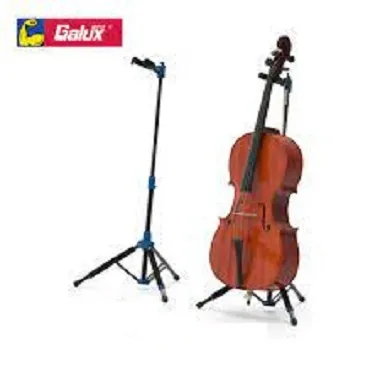
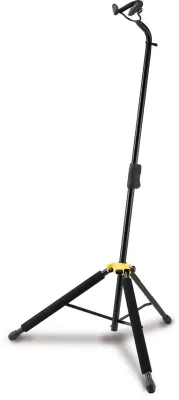

Prices are valid at publication and may change. Please refer to the product page for the latest price.
The weight of the stand itself is a crucial factor in maintaining stability. A lightweight aluminum stand might be easy to carry, but it can easily topple if a heavy, full-sized cello is placed on it carelessly. Heavy-duty steel or solid wood bases provide the necessary counterweight to keep the center of gravity low. When selecting a stand, compare the weight of the stand to your instrument; a heavier stand generally offers greater resistance to accidental bumps and drafts.
Floor contact points are another critical safety element. The feet of the stand must be equipped with thick, high-quality non-slip rubber or silicone caps. On smooth surfaces like hardwood, polished tile, or laminate floors common in Singapore homes, cheap plastic feet can slide easily, causing the stand to drift or collapse under the weight of the instrument. For carpeted floors, the feet must have enough surface area to remain level without sinking unevenly, which could tilt the stand and compromise its balance.
Checking Instrument Protection and Contact Points
The points where the stand physically touches your cello are the most critical areas for preventing scratches, dents, and finish degradation. The upper support, usually a neck cradle, must hold the neck securely without applying excessive pressure. Some stands feature a locking gate or a safety strap across the cradle to prevent the cello from falling forward if bumped. Ensure that this cradle does not pinch the pegbox or put pressure on the tuning pegs, as this can detune the instrument or damage the delicate scroll.

The lower support system must bear the bulk of the cello’s weight. Some stands use a dual-hook cradle that supports the lower bouts, while others feature a base platform where the endpin or the bottom edge of the instrument rests. If the stand supports the cello by the lower bouts, the cradle must be wide enough to distribute the weight evenly across the ribs without putting concentrated pressure on a single spot. If the stand requires the endpin to be extended, ensure the base has a secure cup or slot to prevent the endpin from slipping out of position.
The material used for padding at these contact points is of paramount importance. Traditional cello varnishes, particularly oil-based or spirit-based varnishes on handmade instruments, are highly sensitive to chemical reactions. Many inexpensive stands use low-grade plastics or synthetic rubbers that contain plasticizers. Over time, these chemicals can leach into the cello’s varnish, causing it to soften, discolor, or stick to the stand.
To protect your instrument’s finish, look for stands that specify the use of non-reactive materials, such as high-density foam, natural cork, or specially formulated inert rubber. Even with high-quality padding, it is a wise precaution to drape a soft microfiber cloth or a silk sleeve over the contact points if you plan to leave the cello on the stand for extended periods. This simple barrier prevents any direct chemical interaction and adds an extra layer of cushioning against physical wear.
Assessing Adjustability and Ergonomic Fit
A cello stand is not a one-size-fits-all accessory. Because cellos come in various sizes and proportions, a stand must offer sufficient adjustability to ensure a secure fit. The height adjustment of the neck cradle is the most common adjustable feature. This mechanism must be robust, utilizing secure locking pins, threaded knobs, or heavy-duty clamps. If the height adjustment slips under the weight of the instrument, the neck cradle can drop, causing the cello to tilt forward dangerously.
The tilt angle of the stand also plays a significant role in stability and ease of use. A stand that holds the cello too vertically can make the instrument prone to falling forward. Conversely, a stand that tilts the cello too far backward increases the footprint and makes the instrument more vulnerable to being stepped on or bumped from behind. Look for a stand that allows you to adjust the tilt angle so the cello rests securely against the back support at a natural, stable angle.
For younger players or music schools, compatibility with fractional-sized cellos (such as 1/2, 1/4, or 3/4 sizes) is essential. A stand designed solely for a full-sized (4/4) cello may have cradles that are too wide or a neck support that cannot be lowered sufficiently. This can cause a smaller instrument to sit loosely, slide around, or slip through the supports entirely. Check the manufacturer’s specifications to verify that the stand can be adjusted down to accommodate the specific fractional size of the cello being used.
Weighing Portability Against Heavy-Duty Durability
Choosing between a highly portable stand and a heavy-duty stationary stand involves clear trade-offs. For musicians who frequently travel for rehearsals, gigs, or lessons, a lightweight, folding stand is highly convenient. These stands often feature collapsible legs and folding cradles that allow them to fit into a gig bag or backpack. When evaluating a portable stand, inspect the folding mechanisms and hinges. They should operate smoothly and lock securely into place with spring-loaded pins or tension knobs to prevent accidental collapse during use.
However, portability often comes at the expense of absolute stability and durability. Lightweight materials like aluminum or thin-walled plastics are more susceptible to bending, denting, or cracking under stress. In contrast, stationary stands made of heavy tubular steel or solid hardwood offer long-term durability and a much more stable foundation. These heavy-duty stands are ideal for home practice rooms, teaching studios, or orchestra pits where the stand does not need to be moved frequently.
Solid wood stands are highly favored for home use because of their aesthetic appeal and structural mass. They blend in with household furniture and provide a very stable, low-profile base. However, they are generally bulky, heavy, and do not fold down, making them entirely unsuitable for travel. Tubular steel stands offer a middle ground, providing excellent durability and moderate portability, though they are still significantly heavier than aluminum alternatives.
When examining collapsible stands, pay close attention to the joints, rivets, and adjustment knobs. These are the primary failure points on any stand. Over time, frequent folding and unfolding can loosen rivets, strip plastic threads, or wear down locking pins. Look for stands that use metal hardware rather than plastic components at these critical stress points. A stand with replaceable parts or adjustable tension screws will generally last much longer and provide better value over time.
Matching Stand Features to Your Playing Scenario
Your daily playing environment should dictate the specific features you prioritize when choosing a cello stand. For a home practice setup, your primary concerns are likely long-term stability, floor protection, and visual integration with your living space. Since the stand will remain in one place, weight is an advantage rather than a drawback. A heavy wooden or steel stand with thick, non-marking rubber feet will protect your hardwood floors or carpets while ensuring the cello remains safe from household pets, vacuum cleaners, or accidental bumps.
For gigging musicians, the priorities shift dramatically toward portability, speed of setup, and compact storage. When performing in different venues, you need a stand that can be unpacked and set up in seconds, often in low-light conditions. Look for a lightweight aluminum or steel folding stand that collapses into a flat, compact shape. The stand should have a simple, reliable locking mechanism and a built-in bow holder so you can keep your bow safe and off the floor during performance breaks.
In an orchestra or rehearsal hall setting, space is often at a premium. The stage or pit can be crowded with music stands, chairs, and other musicians, making a wide-stance tripod stand a significant tripping hazard. In this scenario, look for a stand with a compact footprint that holds the cello in a more upright position. A stand that allows for quick, effortless instrument swaps—where you can easily lift the cello out and place it back without fiddling with complex straps or gates—is highly beneficial during fast-paced rehearsals.
Additionally, consider the presence of a dedicated bow hook or holder on the stand. Keeping your bow off the floor, music stand, or chair is essential for preventing damage to the delicate bow hair and wooden stick. A stand with an integrated, padded bow hook allows you to keep your entire setup organized and safe in one compact area, regardless of whether you are practicing at home, performing on stage, or rehearsing with an ensemble.
Frequently Asked Questions (FAQ)
Can I leave my cello on the stand long-term?
Leaving a cello on a stand for extended periods exposes the instrument to several environmental and physical risks. Acoustic cellos are constructed from thin, seasoned tone woods that are highly sensitive to changes in relative humidity and temperature. In tropical climates like Singapore, high humidity can cause the wood to swell, soften the glue joints, or encourage mold growth, while air-conditioned rooms can dry out the wood, leading to cracks. A stand offers no protection against these atmospheric fluctuations, whereas a high-quality hard case helps maintain a stable microclimate.
Furthermore, keeping a cello on a stand in high-traffic areas of your home increases the risk of accidental damage from pets, children, or household chores. While a stand is incredibly convenient for quick access during daily practice sessions, it should not be used as a permanent storage solution. For long-term storage, seasonal transitions, or when the instrument will not be played for several days, it is always safest to clean the cello and store it securely inside its hard case.
Do I need a separate stand for an electric cello?
Yes, electric cellos often require a specialized stand or specific adapters due to their unique physical designs. Unlike traditional acoustic cellos, many electric cellos lack a hollow, resonant body and the wide lower bouts that rest on standard stand cradles. Some electric models feature extremely slim, skeletonized frames or non-traditional shapes that will simply slip through the supports of a standard acoustic cello stand.
Before purchasing a stand for an electric cello, consult the instrument manufacturer’s guidelines. Many electric cello brands design proprietary stands or offer specific mounting brackets that attach directly to the instrument’s frame or endpin receiver. If you wish to use a universal stand, look for models with highly adjustable, padded arms that can be customized to grip the narrower frame of an electric instrument, or stands that support the cello primarily by the neck and endpin rather than the body.
Community discussion
Share your experience or ask a question. Comments are reviewed before publication.