
Finding the perfect outlet for stress relief often leads to the creative world of colouring, and Coco Wyo has become a prominent name in this space. However, determining which Coco Wyo colouring book is best for your mindfulness journey is not about finding a single universal winner. Instead, the ideal choice depends on matching your current cognitive load with the book’s design complexity, thematic style, and physical paper specifications. By understanding how different artistic layouts interact with your stress levels, you can select a book that transforms a simple creative activity into a powerful grounding ritual.
Identifying Your Relaxation Goals and Colouring Skill Level
To establish a truly restorative colouring practice, you must first assess your current mental state and artistic comfort zone. Stress manifests differently depending on your daily routine. For instance, after a long day navigating busy transit systems or managing complex workplace tasks in Singapore, your brain may suffer from severe decision fatigue. In this state, facing a highly intricate page with hundreds of tiny segments can feel overwhelming rather than relaxing. For these high-pressure days, books featuring bold, simple lines and larger colouring spaces offer a low-stakes environment where you can make quick, satisfying progress without overthinking your colour choices.
Conversely, there are times when stress presents as a restless, overactive mind filled with racing thoughts. When you need to block out external noise and anchor your attention, intricate patterns and detailed designs are highly effective. These complex layouts demand a higher level of fine motor control and concentration, which naturally coaxes your brain into a flow state. This deep focus acts as a form of active meditation, gently crowding out anxious thoughts as you concentrate on staying within narrow borders and planning subtle colour transitions.
Products mentioned in this guide
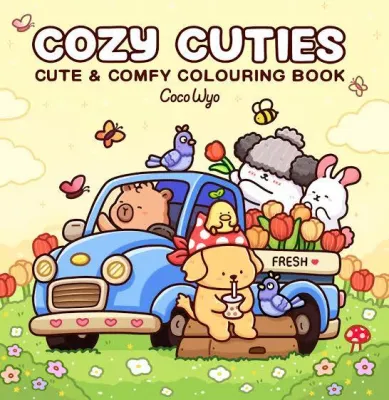
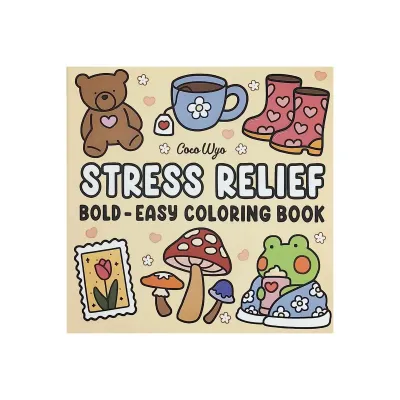
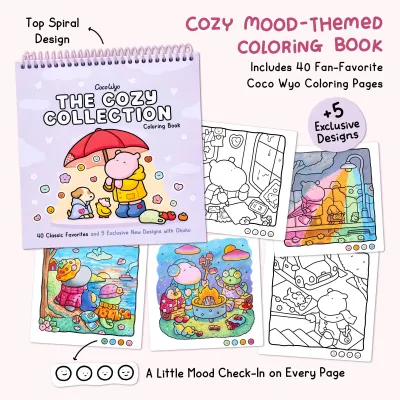
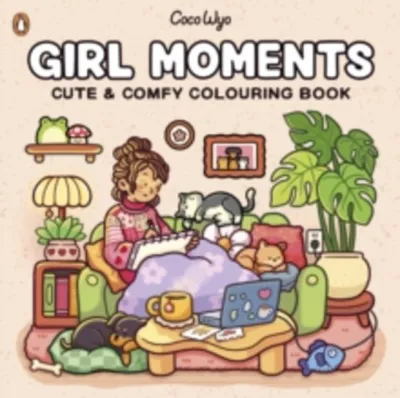
Prices are valid at publication and may change. Please refer to the product page for the latest price.
Your personal tolerance for detailed shading also plays a significant role in your overall enjoyment. If you find satisfaction in blending, layering, and creating realistic textures, you will naturally gravitate toward designs that leave room for artistic expression. If you prefer the simple, tactile pleasure of filling in solid blocks of colour with vibrant hues, minimalist layouts will prevent the frustration of feeling like your skills do not match the artwork. Recognizing these personal boundaries ensures that your colouring sessions remain a source of comfort rather than another task where you feel pressured to perform.
Design Elements That Support Mindfulness and Stress Relief
When evaluating a colouring book for mindfulness, the visual construction of the artwork is just as important as the subject matter. High-quality line work is the foundation of a frustration-free colouring experience. When browsing potential books, pay close attention to the consistency of the lines. Clear, solid black lines provide distinct boundaries that make it easy to apply colour confidently. In contrast, broken, pixelated, or faint lines can disrupt your visual focus and cause unnecessary eye strain, which actively works against the goal of relaxation.

The balance of negative space within a design also dictates how much effort a page requires. Negative space refers to the blank areas surrounding the main subject. A well-balanced page utilizes negative space to give your eyes a place to rest, preventing the composition from feeling cluttered or chaotic. When a design is overly packed with tiny, competing details from edge to edge, it can trigger visual overwhelm. A mindful design uses negative space intentionally, allowing the primary subject to stand out and giving you the freedom to decide how much of the page you actually want to fill.
Furthermore, the motifs featured in the artwork should align with calming visual principles. Natural geometry, soft organic curves, and familiar domestic scenes are inherently soothing to the human brain. Sharp, jagged lines or highly chaotic, abstract patterns can sometimes feel jarring. Look for books that emphasize gentle curves, symmetrical mandalas, or cozy, structured environments. These shapes are easier for the brain to process, which helps lower your heart rate and encourages deeper, more rhythmic breathing as you work your way across the page.
Checking Physical Book Specifications for a Frustration-Free Experience
The physical construction of a colouring book can make or break your mindfulness practice. There is little peace to be found when ink bleeds through to the next page, ruining a design you were looking forward to colouring. To avoid this, always verify that the book features single-sided printing. This design choice ensures that each illustration is backed by a blank page, allowing you to use a wider variety of mediums without fear of destroying subsequent artwork. Even with single-sided pages, it is wise to place a protective sheet of cardstock or heavy paper behind your active page to catch any stubborn ink.
Paper quality is another critical variable, especially when considering Singapore’s humid climate, which can cause thin paper to warp or buckle more easily. Look for specifications regarding paper weight and texture, often referred to as the paper’s “tooth.” A slight texture is highly desirable for coloured pencils, as it helps shave off the pigment and hold it on the page, allowing for rich, even layers. If you prefer water-based brush pens or alcohol-saturated markers, you will need a smoother, thicker paper that can absorb the wet medium without tearing or pilling.
Finally, consider the binding and margins of the book. A book that constantly tries to spring shut while you are colouring forces you to use one hand to hold the pages down, creating physical tension in your hand and wrist. Look for books designed with generous inner margins, often called the gutter. This ensures that the artwork does not disappear into the spine, allowing you to colour the entire image comfortably. If possible, seek out editions that can lay relatively flat, or be prepared to gently flex the spine to create a flat, stable working surface on your desk or lap.
Matching Coco Wyo Themes to Your Personal Wellness Needs
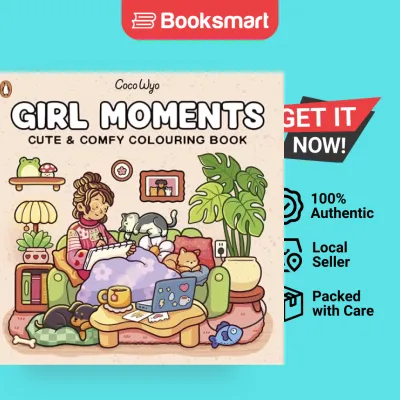
Coco Wyo offers a diverse range of thematic styles, making it highly customizable to your specific emotional needs. If your goal is to find comfort and a sense of safety, cozy room aesthetics—featuring warm interiors, sleeping pets, and soft domestic details—are excellent for grounding your mind. These themes evoke feelings of warmth and security, making them ideal for evening wind-down routines. On the other hand, if you seek a sense of escape and wonder, botanical gardens, whimsical fantasy elements, or gentle outdoor scenes can transport your mind to a tranquil, natural setting far removed from daily worries.
Because art styles are highly subjective, you should never rely solely on a book’s cover or its position on a bestseller list to make your decision. Instead, take advantage of online resources to preview the interior pages before purchasing. Many authorized publishers provide detailed written descriptions of the interior style, and online marketplaces often feature user-uploaded photos or video flip-throughs. Watching a quick video of someone turning the pages of a book allows you to assess the line thickness, complexity, and thematic consistency of the entire collection, ensuring there are no unwelcome surprises when your copy arrives.
By focusing on thematic resonance rather than generic recommendations, you can build a personalized shortlist of books that speak directly to your current wellness goals. Whether you need a collection of simple, bold designs for quick stress relief after a hectic day, or an intricate, fantasy-themed volume for weekend mindfulness sessions, selecting a book based on your personal connection to the artwork ensures a much more rewarding and sustainable creative practice.
Frequently Asked Questions (FAQ)
Are bold and easy colouring books better for anxiety than intricate ones?
Neither style is universally superior; their effectiveness depends entirely on the nature of your anxiety at any given moment. Bold and easy designs are incredibly beneficial when you are feeling cognitively exhausted or highly anxious, as they remove the pressure of making complex color decisions and offer rapid, satisfying completion. Intricate designs, however, are highly effective when you need to redirect an overactive, racing mind. The detailed patterns require close concentration, which helps anchor your thoughts and block out external stressors. Keeping a mix of both styles in your collection allows you to choose the perfect level of complexity to match your daily mental state.
What colouring mediums work best for stress relief without causing frustration?
The best medium is one that feels effortless to use and matches your book’s paper specifications. Coloured pencils are highly recommended for beginners and experienced colourists alike because they are incredibly forgiving, easy to control, and allow for beautiful blending without any risk of bleeding through the paper. Alcohol-based markers offer vibrant, streak-free coverage that is highly satisfying, but they require thick, single-sided paper and the mandatory use of a protective blotter page underneath to prevent ruining the next design. Ultimately, choosing a medium that glides smoothly across the paper without requiring excessive physical pressure will ensure your colouring sessions remain deeply relaxing.
Community discussion
Share your experience or ask a question. Comments are reviewed before publication.