
Selecting the ideal collapsible cajon for busking and travel in Singapore requires balancing structural stability, acoustic projection, and environmental resilience. Because mobile percussionists must frequently transport their gear across public transit networks and perform in high-humidity outdoor settings, a standard rigid cajon can quickly become a logistical burden. A high-quality folding or collapsible model solves this transport challenge, but only if it can withstand the physical demands of being sat upon while delivering a clear distinction between bass and snare tones. To find the right instrument, you must evaluate how the folding architecture affects the overall sound, verify the durability of the joints under load, and choose materials that resist tropical moisture.
Defining Your Mobile Percussion Needs
Performing as a mobile percussionist in Singapore presents distinct physical and environmental challenges that directly influence your choice of instrument. Navigating the MRT network, boarding public buses, or walking through busy pedestrian areas like Orchard Road with a full-sized, rigid cajon can be exhausting. A collapsible cajon significantly reduces this physical strain, allowing you to pack the instrument into a backpack or compact carrying case. When planning your transit routes, consider your personal carrying capacity and whether you will be carrying other gear, such as cables, stands, or battery-powered amplifiers. A lighter, more compact folding design ensures you can travel comfortably without sacrificing your energy before a performance.
Singapore’s tropical climate is another critical factor to consider when selecting your gear. High relative humidity and sudden, heavy downpours can cause natural wood panels to swell, warp, or lose their resonance over time. If you plan to perform outdoors at locations like East Coast Park or Clarke Quay, you must look for materials and finishes that offer high moisture resistance. Synthetic composites, sealed plywoods, and specialized protective coatings help prevent humidity from compromising the structural integrity of the joints and panels.
Products mentioned in this guide
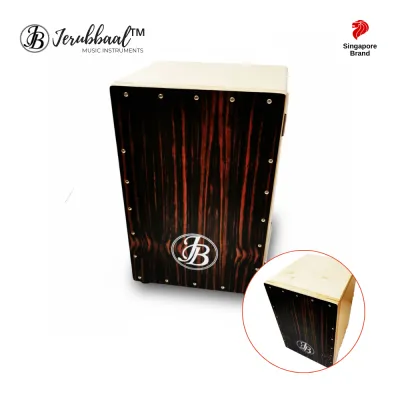
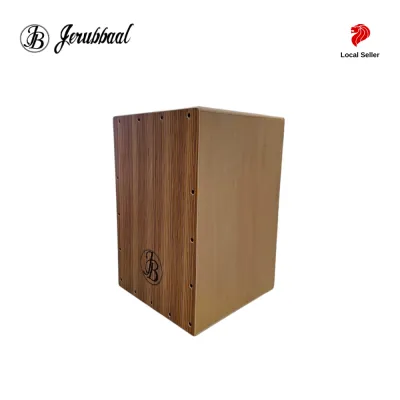
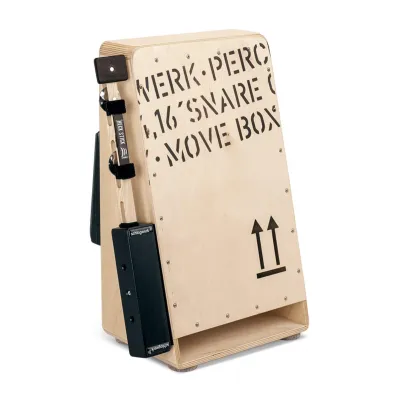
Prices are valid at publication and may change. Please refer to the product page for the latest price.
Additionally, you must assess the acoustic demands of your intended performance spaces. Open-air plazas and bustling street corners present high levels of ambient noise that can easily drown out a quiet instrument. A collapsible cajon naturally has a smaller internal volume than a standard model, which can reduce its natural bass projection and overall volume. Understanding whether you will perform completely unplugged or with portable amplification will help you determine how much natural acoustic projection your instrument must deliver.
Comparing Collapsible Designs and Setup Mechanisms
The structural design of a collapsible cajon determines both its portability and its stability during a performance. The most common design is the fold-flat panel system, where the sides, top, and bottom are connected by heavy-duty hinges or interlocking joints that allow the entire structure to collapse into a flat profile. Another approach is the nested or telescopic shell structure, where smaller sections slide into one another or pack inside the main body. Fold-flat designs generally offer the most compact transit profile, making them easy to slide into a standard backpack, while nested designs sometimes retain more of the traditional soundbox shape but take up slightly more space.

Before purchasing, it is essential to verify any tool-free assembly claims made by the manufacturer. A practical travel cajon should not require screwdrivers, hex keys, or complex hardware to set up on-site. The assembly and teardown process should be intuitive and rapid, allowing you to transition from transit to performance in just a few minutes. Look for designs that utilize secure latching systems, magnetic locks, or heavy-duty tension bands that hold the panels firmly in place without the risk of loose parts getting lost during travel.
Because you must sit directly on the cajon while playing, the structural integrity of the folding joints is paramount. You should carefully check the manufacturer’s specifications for load limits and weight capacities. The hinges, locking pins, and interlocking edges must be robust enough to support your body weight continuously without flexing or slipping. Inspecting user manuals or product specifications for reinforced metal brackets, high-strength composite hinges, or interlocking tongue-and-groove wood joints will give you a clear indication of the instrument’s long-term durability under active playing conditions.
Navigating the Trade-Off Between Portability and Sound
Achieving a satisfying acoustic response from a collapsible instrument requires a careful look at its internal components and materials. The snare system is a primary driver of the cajon’s signature slap sound. Travel models typically use either adjustable snare wires or guitar string systems. Snare wires generally offer a crisp, modern sound and require less maintenance, making them highly suitable for rugged travel. String systems provide a more sensitive, traditional buzz but may require regular tuning using an Allen key, which can be inconvenient when moving between different venues. Choose the system that matches your willingness to perform field maintenance.
The front playing surface, known as the tapa, is crucial for dynamic control and playability. For a collapsible cajon, the tapa must be thin enough to respond to light finger strikes while remaining durable enough to withstand aggressive hand playing. High-quality plywoods, such as birch or beech, are popular choices because they offer an excellent strength-to-weight ratio and clear acoustic projection. Ensure the tapa is securely fastened to the collapsible frame, as any gaps or loose screws will result in air leaks that severely diminish the bass response.
Internal bracing is another critical element that prevents unwanted rattling and maintains structural resonance. Because the panels of a folding cajon are designed to separate or fold, they can easily vibrate against one another if the locking mechanisms are not perfectly tight. Look for models that feature internal rubber gaskets, dampening strips, or precision-milled edges that seal the joints when fully assembled. These design features ensure that the energy from your strikes is directed into acoustic projection rather than lost to mechanical rattling.
Matching Features to Busking and Travel Scenarios
Your primary use case will dictate which specific features you should prioritize when comparing models. If your main goal is active street busking in Singapore, your priorities should lean toward acoustic projection, robust seating weight limits, and exterior scratch resistance. Busking environments are physically demanding; your instrument will be placed on concrete pavements, exposed to dust, and subjected to hours of continuous playing. A model with a slightly thicker, more durable exterior finish and a higher weight rating will withstand the rigors of the street much better than an ultra-lightweight travel model.
Conversely, if you are primarily seeking an instrument for casual travel, overseas trips, or acoustic jam sessions at a friend’s home, minimal weight and compact folded dimensions become your top priorities. In this scenario, look for a cajon that includes a dedicated, padded carrying case with comfortable backpack straps. The case should not only protect the instrument from scratches during transit but also feature extra compartments for small accessories like shakers, castanets, or a tuning key.
While some high-end collapsible cajons attempt to bridge the gap between these two scenarios, you must be prepared to accept certain compromises. An ultra-portable, paper-thin folding model may lack the deep, resonant bass required to carry your rhythm through a noisy outdoor crowd without amplification. On the other hand, a heavily reinforced, highly resonant folding model might feel too heavy to carry comfortably on long walks. Deciding which factor is non-negotiable for your specific routine will guide you to the correct balance, whether you are budgeting S$150 or S$300 for your instrument.
Pre-Purchase Verification and Travel Care
Before finalizing your purchase from a local music retailer or an online marketplace, perform a thorough pre-purchase verification. Confirm the stated weight capacity and the folded dimensions against your own physical requirements and the size of your existing travel gear. If you plan to carry the cajon as carry-on luggage on flights departing from Changi Airport, verify that the folded dimensions comply with standard airline cabin baggage limits.
Once your instrument arrives, immediately inspect all moving parts, seams, and hardware. Assemble and disassemble the cajon several times to ensure that the hinges move smoothly, the locking mechanisms engage securely, and there are no visible gaps along the seams when fully tensioned. Any misalignment in the joints can lead to structural failure or poor sound quality, so addressing these issues early is vital.
Proper travel care and maintenance will significantly extend the lifespan of your collapsible cajon. After performing outdoors in Singapore’s humid air, never pack the instrument away damp. Wipe down the exterior and interior panels with a dry, soft microfiber cloth to remove sweat, dust, and moisture. Allow the cajon to air out in a well-ventilated, air-conditioned room before folding it flat for long-term storage. Storing the instrument with a small silica gel packet inside its carrying bag can also help absorb residual moisture and protect the wood from warping.
Frequently Asked Questions (FAQ)
Do collapsible cajons require external amplification for street busking?
Because collapsible cajons have smaller soundboxes and folding joints that can slightly reduce natural resonance, they generally have lower natural volume and bass projection than standard, full-sized models. In noisy outdoor environments like busy shopping streets or parks, your acoustic sound may struggle to compete with ambient noise. To ensure your rhythm is heard, check if the model you choose features a built-in pickup system or an internal microphone port for easy connection to a sound system. If not, planning to use a small, battery-powered instrument amplifier along with a portable microphone is highly recommended for professional street performances.
Can I use a standard cajon throne or stand with a folding model?
Most collapsible cajons are designed to be sat upon directly, just like traditional models, provided you stay within the manufacturer’s specified weight limits. However, because the base of a folding cajon relies on interlocking joints, placing it on uneven outdoor ground can distribute your weight unevenly and strain the hinges. If you prefer not to sit on the instrument, or if the manufacturer advises against direct seating for that specific lightweight model, you should look for a dedicated, low-profile percussion stand or a separate portable throne. Always review the manufacturer’s seating guidelines carefully to avoid damaging the folding mechanisms and voiding your warranty.
Community discussion
Share your experience or ask a question. Comments are reviewed before publication.