
To choose the right compact Bible for a daily devotional habit, you must balance physical portability with visual comfort and translation style. A suitable choice fits comfortably in your daily bag, features a translation that matches your reading comprehension goals, and uses a legible typeface that prevents eye strain during early morning or late-night reflections.
Establishing a consistent spiritual routine requires removing as much physical friction as possible. A Bible that is too bulky often stays on a shelf at home, while one with text that is too small to read comfortably can quickly discourage daily engagement. By evaluating specific physical dimensions, paper opacity, and layout features, you can select a portable volume that serves as a reliable companion for your daily spiritual journey.
Define Your Devotional Needs and Reading Environment
Establishing a consistent devotional habit requires removing friction, and the physical environment where you read plays a massive role in this process. If your primary reading time occurs during a daily train commute on the MRT or while waiting at a local cafe, your Bible must be light enough to hold single-handed and small enough to slip into a compact backpack or tote bag. Conversely, if your devotional routine is anchored to a quiet desk at home, you might tolerate a slightly heavier volume in exchange for larger print.
Products mentioned in this guide

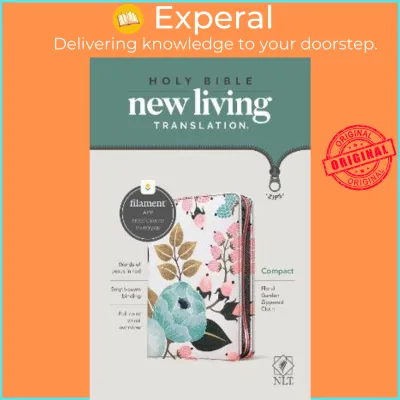
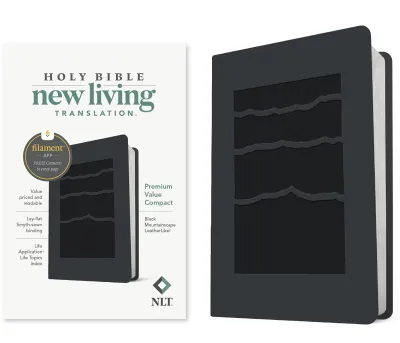
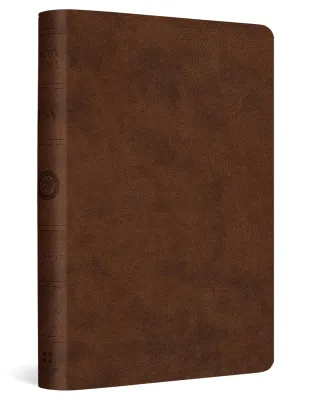
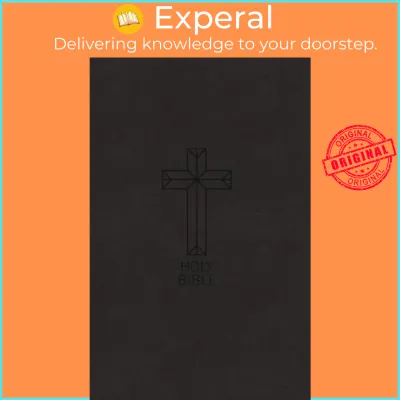
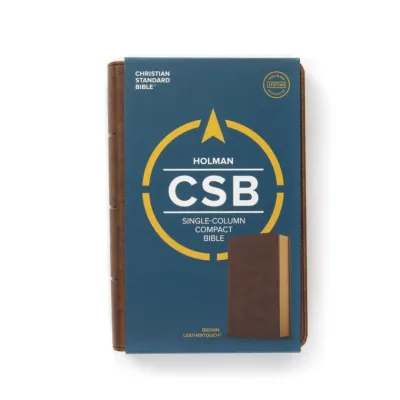
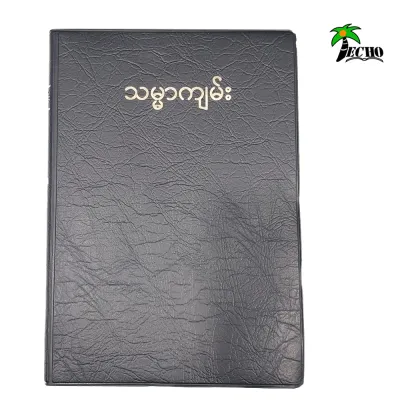
Prices are valid at publication and may change. Please refer to the product page for the latest price.
Consider the physical handling of the book during extended reading sessions. A Bible that is too heavy can cause hand fatigue, especially if you prefer to hold it upright rather than resting it on a table. Pay attention to your typical bag dimensions; measuring the exact compartment where you plan to carry the book prevents the disappointment of purchasing a volume that is just a few millimeters too wide.
Environmental factors also influence your choice. In warm, humid climates like Singapore, a cover material that resists moisture and does not degrade when exposed to hand sweat is essential for longevity. If you frequently transition between humid outdoor air and highly air-conditioned indoor spaces, the paper and binding will experience subtle shifts, making durable construction a priority.
Select the Right Translation for Daily Reading
The translation you choose directly shapes your daily devotional experience, balancing academic precision with smooth readability. Translations generally fall along a spectrum from formal equivalence (word-for-word) to dynamic equivalence (thought-for-thought). Understanding where a translation sits on this spectrum helps you align your daily reading with your personal spiritual goals.

Formal equivalence translations prioritize literal accuracy, making them excellent for deep, verse-by-verse study and theological analysis. However, the sentence structures can sometimes feel rigid during rapid daily reading. If your devotional habit focuses on absorbing larger narrative passages or engaging in reflective prayer, a dynamic equivalence translation might offer a more fluid, natural reading flow that keeps you engaged without constant pausing.
Before settling on a specific translation, verify that it is widely published in compact or thinline formats. Some niche or highly academic translations have limited layout options, meaning you might struggle to find them in a truly portable size. Popular translations are far more likely to offer a diverse range of compact editions, giving you more freedom to choose your preferred cover style, font size, and paper quality.
Evaluate Font Size, Layout, and Readability
In a compact Bible, readability is often the most significant compromise, as shrinking the overall page size naturally forces publishers to reduce the text size. Most compact editions feature font sizes ranging from 6-point to 8-point type. While a 6-point font allows the book to remain incredibly small, it can cause severe eye strain during extended reading sessions, particularly in low-light environments.
Look closely at the specific typeface design, as some modern publishers use custom-designed fonts engineered specifically for high legibility at small sizes. These specialized typefaces often feature thicker strokes and open spaces within letters, making a 7-point font read as clearly as a standard 8-point font. Additionally, check the line spacing; adequate vertical space between lines prevents your eyes from skipping lines or losing track of your place.
The layout format—whether the text is arranged in a traditional double-column layout or a modern single-column paragraph style—also impacts your reading speed. Double-column layouts are highly efficient for locating specific verses quickly, but single-column layouts often feel more like reading a standard novel, which can enhance the flow of daily devotional reading.
Finally, consider the visual contrast of the text. Red-letter editions, which print the words of Christ in red ink, can sometimes suffer from poor contrast if the red ink is too pale or if the printing is inconsistent. If you frequently read under warm, dim bedside lamps, a crisp, high-contrast all-black text layout often provides a more comfortable and consistent visual experience.
Compare Binding, Paper Quality, and Portability Features
The physical construction of a compact Bible determines how well it survives daily travel and how comfortable it is to use. Cover materials range from premium genuine leather to durable synthetic imitation leathers and classic hardcovers. While genuine leather offers unmatched longevity and a soft feel, high-quality synthetic covers are often highly water-resistant and budget-friendly, making them excellent choices for daily commuting.
Paper quality is a critical factor in compact editions, where publishers use thin paper to keep the book’s profile slim. Thin paper can suffer from “ghosting,” where the text from the reverse side of the page shines through, creating a cluttered visual background that tires the eyes. To minimize this, look for editions that specify high-opacity paper or use line-matching, a printing technique where the lines of text on both sides of the page align perfectly to hide ghosting.
The binding method is equally vital for a pleasant reading experience. A sewn binding (often referred to as Smyth-sewn) allows the Bible to lay completely flat when opened on a table, even at the very beginning or end of the book. Glued bindings are more economical but tend to spring shut, forcing you to constantly hold the pages open with both hands, which can quickly become frustrating during a quiet morning reflection.
Check for Useful Study and Journaling Features
A compact Bible must balance helpful study aids with the physical limitations of its small footprint. If your devotional routine involves cross-referencing scriptures to understand historical and theological context, look for compact editions that include a central column of references. However, be aware that adding these references often requires smaller text or a slightly thicker book profile.
For those who like to interact with the text by writing down personal reflections, prayers, or dates, margin space is a key consideration. Standard compact Bibles have very narrow margins to keep the overall size minimal. If journaling is non-negotiable for your habit, you will need to seek out specialized wide-margin compact editions, keeping in mind that they will be wider and heavier than their standard counterparts.
Simple built-in tools can significantly enhance your daily consistency without adding any physical bulk. A built-in reading plan helps keep your daily study structured, while one or two satin ribbon markers allow you to easily track your progress through different sections of scripture, such as reading the Old and New Testaments simultaneously.
Finalize Your Shortlist and Verify Before Buying
Once you have narrowed down your options, take the time to carefully review the exact physical specifications listed by the publisher. Do not rely solely on product photos, which can make a book look larger or smaller than it actually is. Check the precise dimensions in millimeters and the weight in grams to ensure the volume fits comfortably in your hand and your daily bag.
Read user reviews with a specific focus on real-world performance rather than general impressions. Look for feedback regarding the actual legibility of the font, whether the paper is too thin for highlighting, and if the binding holds up to daily opening and closing. These practical insights from other readers can save you from purchasing an edition that looks beautiful online but proves difficult to use in practice.
Finally, ensure you purchase from a retailer with a clear and flexible return policy. Because the tactile feel, weight, and visual clarity of a Bible are highly personal, you may need to hold the physical book in your hands to know if it truly suits your reading style. Having the option to return or exchange the volume ensures you find a suitable companion for your daily devotional habit.
Frequently Asked Questions (FAQ)
What is the difference between a compact Bible and a thinline Bible?
Compact Bibles and thinline Bibles are both designed for portability, but they achieve this goal through different physical dimensions. A compact Bible has a smaller footprint in terms of height and width, making it look like a small pocketbook, though it may be relatively thick to accommodate all the pages. A thinline Bible, on the other hand, maintains a more standard height and width but reduces the thickness of the book, often using very thin paper to keep the profile under an inch. If you have limited space in a small bag, a compact Bible is usually easier to pack, whereas a thinline Bible offers larger page layouts and slightly larger font sizes while remaining easy to carry.
Can I find a compact Bible with wide margins for journaling?
Yes, wide-margin compact Bibles do exist, but they represent a physical trade-off. To keep the overall dimensions small while adding wide margins for notes, publishers must either reduce the font size significantly or increase the thickness of the book. When shopping for these editions, carefully check the product descriptions for the exact margin measurements and paper weight, as you will want thicker paper to prevent ink bleed-through. If you find that the margins in a compact Bible are too small for your writing style, a practical alternative is to carry a separate, slim notebook alongside a standard compact Bible to record your daily devotional thoughts.
Community discussion
Share your experience or ask a question. Comments are reviewed before publication.