
Selecting the right cowbell is more than just finding a loud metal piece to strike; it is about matching pitch, control, and mounting stability to your specific musical environment. Whether you are integrating a bell into a drum kit for rock accents, setting up a traditional Latin percussion rig, or practicing in a noise-sensitive space, the physical dimensions, material composition, and mounting hardware of the instrument will dictate your success. Finding the perfect balance ensures your cowbell cuts through the mix without overpowering your bandmates or causing unwanted hardware slippage during a performance.
To make an informed choice, you must evaluate how a cowbell’s size shapes its acoustic profile, how different metals react to your playing style, and which mounting systems offer the structural integrity required for your setup. In humid climates like Singapore, material finishes also play a vital role in preventing rust and maintaining long-term tonal clarity. By understanding these core variables, you can select an instrument that delivers the exact projection and decay your music demands.
Match Size to Sound: How Dimensions Dictate Tone
When evaluating a cowbell, its physical dimensions are the primary factor determining its fundamental pitch, sustain, and volume. Generally, the length of the bell from the mounting eyelet to the mouth, along with the width of the opening, dictates how air and metal vibrate when struck. Larger volumes of metal and air produce lower frequencies, while smaller, more compact designs generate high-pitched, piercing tones. Matching these physical traits to your musical genre ensures your percussion fits seamlessly into the sonic landscape.
Products mentioned in this guide
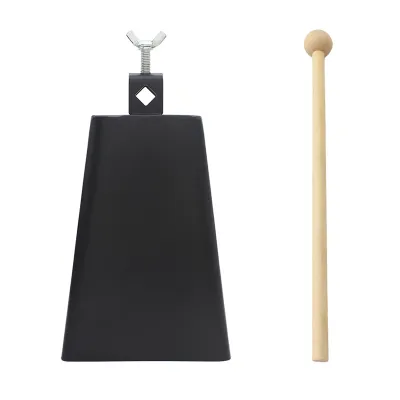
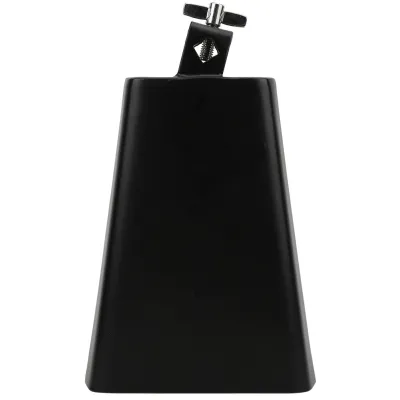
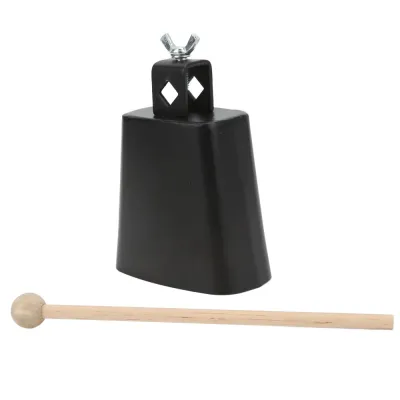

Prices are valid at publication and may change. Please refer to the product page for the latest price.
Small Cowbells (4 to 5 Inches)
Small cowbells, often referred to as cha-cha bells, produce a high-pitched tone with a very short, controlled sustain and a sharp, immediate attack. These instruments are highly favored in Latin percussion, salsa, and fast-tempo dance music where quick, intricate rhythmic patterns must remain distinct. Because their high frequencies naturally cut through dense, loud mixes without needing excessive physical force, they are excellent for sharp accents. If your setup demands rapid-fire rhythmic subdivisions or bright, clear punctuation, a small cowbell provides the necessary speed and clarity.
Medium Cowbells (6 to 7 Inches)
Medium cowbells, commonly known as mambo or bongo bells, offer a balanced mid-range tone with moderate sustain and a fuller body than their smaller counterparts. This versatility makes them the standard choice for rock, pop, funk, and general drum kit integration. They provide enough low-end warmth to sound substantial when struck on the body, yet they retain a bright, clean pitch when struck near the edge. For drummers who need a single, multi-purpose cowbell that can transition from classic rock anthems to syncopated pop grooves, a medium-sized model is the most adaptable option.
Large Cowbells (8 Inches and Above)
Large cowbells, such as campana or hand-held rock bells, deliver a deep, low-pitched tone with a long, resonant sustain and a booming acoustic presence. These instruments are designed to project through high-volume environments, making them a staple in heavy rock, metal, and large-scale outdoor percussion ensembles. The increased surface area allows for a wide range of tonal variations depending on where you strike the bell, though their long decay may require external dampening if your music requires a drier, more focused sound.
Evaluating Size within Your Setup
Before purchasing, consider the physical space available on your drum kit and how the bell’s volume aligns with your primary playing environment. In compact home studios or HDB apartments in Singapore, a large, highly resonant 8-inch bell can easily overwhelm the room’s acoustics and cause excessive ear fatigue, whereas a smaller or medium bell with a drier character is much easier to manage. Ensure that the physical footprint of the bell does not obstruct your access to adjacent cymbals or rack toms, allowing you to maintain natural, ergonomic playing movements.
Integrating Your Cowbell: Mounting Options and Hardware Compatibility
A cowbell’s sound is only as good as its stability; if your mounting hardware slips or vibrates loose mid-performance, your rhythm will suffer. Integrating a cowbell into your existing drum kit or percussion rig requires careful consideration of mounting brackets, rod diameters, and physical placement. Verifying hardware compatibility before you buy prevents the frustration of loose fittings and ensures your instrument remains exactly where you need it.

Clamp-On Mounts and Rod Diameters
Clamp-on mounts are the most common way to attach a cowbell to existing hardware, such as hi-hat stands, cymbal stands, or drum rims. Most cowbells feature an integrated eyebolt clamp that slides onto a solid metal rod. It is critical to verify the diameter of this rod before purchasing. The industry standards are typically 9.5mm (3/8 inch) or 12.5mm (1/2 inch) rods. While many modern cowbells feature adjustable clamps that accommodate both sizes, some vintage or specialized models are restricted to a single diameter. Check your existing hardware specifications to ensure a secure, slip-free fit.
Multi-Clamp Setups for Space Saving
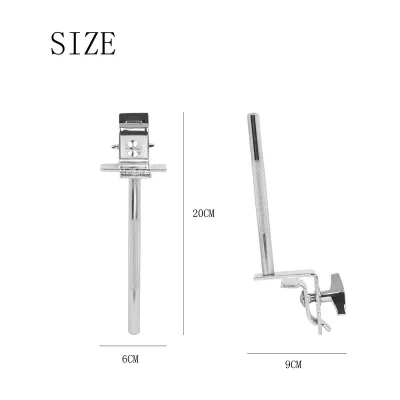
If your drum kit setup is already crowded, a multi-clamp or accessory arm is an efficient way to add a cowbell without introducing another heavy tripod stand to your floor space. These clamps attach directly to the vertical tube of an existing cymbal stand, extending a small, adjustable L-rod to hold the cowbell. This keeps your setup compact, lightweight, and easy to transport to local gigs or rehearsal studios. When using multi-clamps, ensure the host stand is sufficiently weighted and stable so that the added weight of the cowbell does not cause the stand to tip forward during heavy playing.
Dedicated Cowbell and Percussion Stands
For multi-percussionists, Latin jazz players, or drummers who use multiple bells and blocks, a dedicated percussion stand is the most stable solution. These stands feature a heavy-duty tripod base with a multi-rod crossbar designed to hold several instruments simultaneously. This setup isolates the vibrations of the cowbells from your primary drum kit, preventing sympathetic ringing in your snare wires or tom mics. It also provides maximum flexibility in positioning, allowing you to place your percussion array at the perfect height and angle.
Ergonomics and Striking Angles
Proper placement of your cowbell is essential for protecting your wrists and your drumsticks. Position the bell so that you can strike it with the shoulder of your drumstick at a comfortable, slightly downward angle. If the bell is mounted too high or flat, you will be forced to strike it with the tip of the stick, which produces a thin sound and quickly destroys the wood. Avoid placing the cowbell directly over your bass drum or snare in a way that limits your reach or forces you to alter your natural posture, as this can lead to physical strain over long playing sessions.
Materials and Baffles: Evaluating Build Quality for Better Tone
How a cowbell is manufactured and the specific metals used in its construction directly influence its durability, volume, and harmonic profile. Understanding these material characteristics allows you to look past aesthetic designs and evaluate the actual acoustic capabilities of the instrument.
Metal Types and Tonal Characteristics
The metal alloy used to construct a cowbell determines its overall brightness, warmth, and weight:
- Steel: The most common material, offering a bright, cutting attack and excellent projection. Raw steel bells provide a classic, raw tone but are highly susceptible to rust in Singapore's tropical humidity. If choosing steel, look for powder-coated, chrome-plated, or painted finishes to protect the metal from moisture and sweat.
- Brass: Brass cowbells produce a warmer, darker, and more musically complex tone with richer overtones. They are highly expressive and favored in acoustic or jazz settings where a softer, more blended sound is desired.
- Copper-Plated and Specialized Alloys: These materials offer a middle ground, blending the sharp cutting power of steel with the warm, resonant decay of copper, making them excellent for high-end studio recording.
Baffle Design and Internal Ridges
Many professional cowbells feature internal baffles, which are welded metal ridges or plastic dampeners built inside the bell’s cavity. These baffles are designed to control high-frequency overtones and reduce unwanted, metallic ringing. A bell with an internal baffle focuses the energy of your strike into a clean, punchy fundamental pitch with a fast decay. If you prefer a dry, pre-dampened sound that requires no additional tape or gel, look for models that explicitly feature integrated internal dampening or baffle systems.
Construction Methods: Welded vs. Folded Seams
Cowbells are generally constructed using one of two methods: welding two molded halves together, or folding a single sheet of metal into shape. Welded-seam cowbells are incredibly durable and offer excellent structural integrity, making them highly resistant to denting under heavy playing. Folded-seam cowbells, while often more affordable, can develop subtle gaps or loose joints over years of heavy use, resulting in a buzzing or rattling sound that ruins the bell’s tone. For long-term reliability, welded seams are highly recommended.
External Dampening Options
If you find a cowbell with the perfect pitch but too much sustain, you can easily modify its decay using external dampening. Applying a small piece of gaffer tape, a drum dampening gel, or a thick rubber band around the body of the bell will instantly shorten the sustain and focus the attack. For players performing in small rehearsal spaces or recording in home studios, this simple adjustment allows you to use a larger, deeper bell without creating a wash of muddy overtones in your microphones.
Your Step-by-Step Checklist for Selecting and Testing a Cowbell
To ensure you choose a cowbell that fits your musical needs, budget, and physical setup, follow this practical, step-by-step selection process before making your purchase.
Step 1: Define Your Primary Performance Environment
Determine where you will play the cowbell most frequently. If you are playing live rock gigs in loud venues, prioritize a large, welded-steel cowbell (7 to 8 inches) with high projection. If you are recording in a studio or practicing at home, a medium, pre-dampened bell (6 inches) with a drier, more controlled tone will be far more manageable and sit better in a recorded mix.
Step 2: Measure Your Existing Hardware Rods
Before browsing, use a caliper or ruler to measure the diameter of the mounting rods on your current drum kit or percussion stands. Note whether your gear uses 9.5mm (3/8″) or 12.5mm (1/2″) rods. When shopping, check the cowbell’s mounting clamp specifications to verify it will fit your rod size securely without requiring additional adapters.
Step 3: Test the Attack and Sustain with Your Own Sticks
If testing cowbells in a local music store, bring the specific drumsticks or mallets you use regularly. Strike the bell in different areas: the mouth (edge) for a loud, open, and resonant tone, and the body (middle) for a drier, high-pitched accent. Listen closely to the decay; ensure there are no harsh, high-frequency overtones or buzzing sounds that would be difficult to manage in your playing environment.
Step 4: Evaluate the Mounting Clamp Stability
Mount the cowbell onto a test stand and tighten the wing nut. Apply firm, downward playing pressure to the top of the bell with your hand or a drumstick to simulate heavy live performance. The bell should remain perfectly stationary. If the clamp slips, rotates, or requires excessive force to tighten, look for a model with a heavy-duty, memory-lock compatible eyelet clamp.
Step 5: Match the Finish to Your Climate and Aesthetic
Consider the long-term durability of the instrument’s exterior. For musicians in humid climates like Singapore, raw or unlacquered steel finishes require regular oiling and maintenance to prevent rust. Opting for a high-quality powder-coated, chrome-plated, or anodized finish provides a protective barrier against humidity and hand sweat, keeping your cowbell sounding clean and looking professional for years to come.
Frequently Asked Questions (FAQ)
What drumstick should I use to play a cowbell?
For general drum kit playing, standard wood-tip drumsticks (such as 5A or 5B models) work perfectly, producing a balanced, natural wood-on-metal attack. Nylon-tip sticks will yield a noticeably brighter, sharper, and more metallic attack, which can help your accents cut through highly dense electric guitar mixes. If you are looking for a softer, warmer, and more sustained tone for acoustic or orchestral settings, use a medium-hard yarn or felt mallet. Avoid using extremely heavy metal rods or marching sticks, as excessive, concentrated force can dent the playing surface or crack the welded seams of the bell over time.
How do I stop my cowbell from ringing too much?
If your cowbell has a long, ringing decay that muddy up your drum fills, you can easily control the overtones using simple dampening techniques. Applying a small strip of gaffer tape or a reusable adhesive dampening gel to the inside or outside of the bell’s shell will instantly shorten the sustain. For a more permanent and heavy-duty solution, wrap a thick rubber band or a piece of weatherstripping foam around the middle of the bell. Additionally, placing a small rubber washer between the mounting clamp and the metal rod can help isolate the instrument, reducing sympathetic vibrations that travel through your hardware stands.
Can I mount a cowbell directly on a bass drum hoop?
While bass drum hoop clamps are a classic, space-saving mounting option favored by many vintage-style drummers, they carry inherent risks. Before attaching any clamp directly to your bass drum hoop, check your drum manufacturer’s warranty and care instructions. Clamping metal hardware directly onto a wooden hoop can easily scratch the lacquer, warp the wood, or even cause the hoop to crack under heavy playing pressure. If you choose to use a hoop mount, always use a clamp equipped with protective rubber gaskets to shield the wood. Alternatively, consider a specialized bracket that mounts securely to the drum’s existing tension rods, or use an accessory arm attached to a nearby cymbal stand to keep your bass drum completely free of extra tension.
Community discussion
Share your experience or ask a question. Comments are reviewed before publication.