
When buying a drum rug, you must look for adequate dimensions to fit your entire setup, a durable and dense pile material that absorbs physical impact, a highly reliable non-slip backing to prevent kit creep, and a portable design that withstands frequent transport. Drumming involves significant kinetic energy. Every kick of the bass drum and stomp on the hi-hat pedal transfers force to the floor. Without a proper drum rug, your hardware will slide away, your floor will suffer scratches, and your acoustic footprint will vibrate directly through the building structure. Choosing the right rug requires balancing your physical footprint, material durability, grip mechanics, and portability needs.
Define Your Setup Requirements and Space Constraints
Before browsing product listings, you must establish the baseline size requirements of your drum kit. Many drummers make the mistake of measuring only the shells of their drums, forgetting that the hardware stands and throne occupy a much larger footprint. To get an accurate measurement, set up your drum kit exactly how you prefer to play. Take a tape measure and measure the distance between the outermost points of your setup. This includes the outer legs of your cymbal stands, the edge of your floor tom, the front of your bass drum, and the rear legs of your drum throne.
The drum throne must sit entirely on the rug. If your throne is positioned off the rug, your body weight will not anchor the setup. When you step on the bass drum and hi-hat pedals, the forward force will push the drum kit away from you, causing the rug to bunch up or slide. Having your throne on the rug uses your own body weight to pin the entire system to the floor, ensuring maximum stability. Additionally, allow for extra clearance around pedal movements and wide-tripod hardware legs to prevent them from slipping off the edges during intense performances.
Products mentioned in this guide
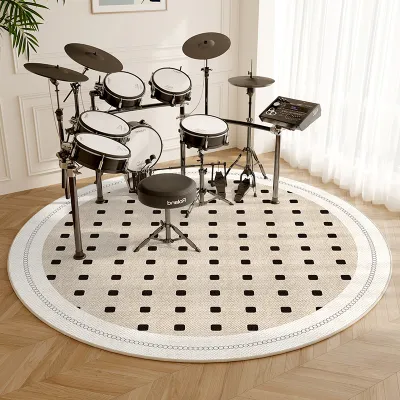

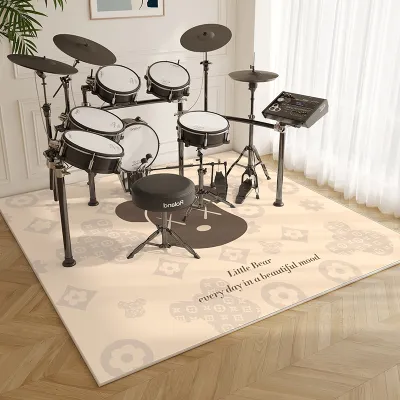
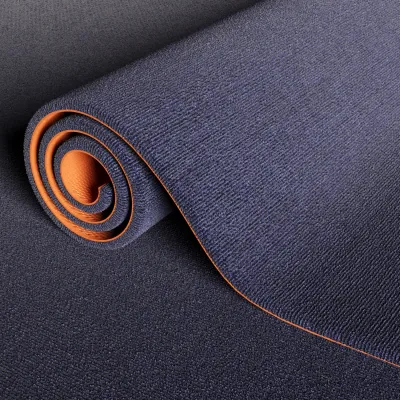
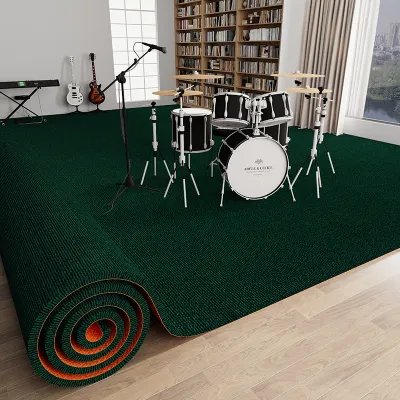
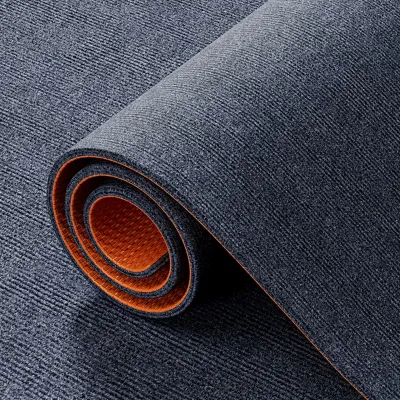
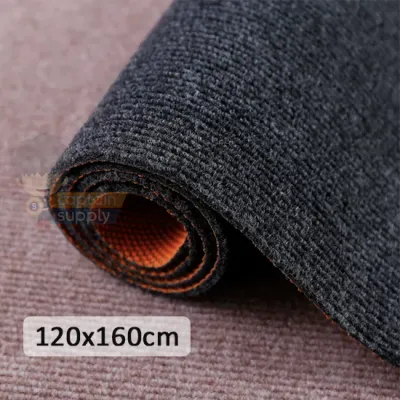
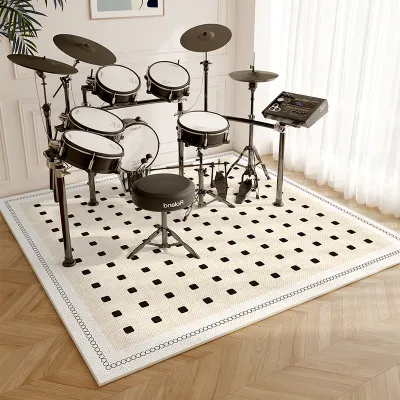
Prices are valid at publication and may change. Please refer to the product page for the latest price.
You must also account for the physical constraints of the spaces where you will practice and perform. In tight rehearsal studios or compact stage setups, a rug that is too large can become a serious liability. If the rug spills over the edge of a drum riser or bunches up against a wall, it creates a dangerous tripping hazard for you, your bandmates, and venue staff. Conversely, a rug that is too small will force you to compromise your ergonomic setup just to keep your stands on the fabric. Measure your typical performance environments and choose a rug size that balances your kit’s footprint with standard stage layouts.
Evaluate Material and Thickness for Sound and Durability
The material and thickness of a drum rug directly impact its durability, acoustic properties, and how well it protects the underlying floor. When evaluating options, pay close attention to the pile height and density specifications. A low-pile, high-density carpet is the industry standard for drum setups. High-density fibers provide a firm, stable surface for your stands, preventing them from wobbling or sinking unevenly. This dense structure also helps absorb the sharp physical impacts of your bass drum spurs, reducing the amount of low-frequency vibration transmitted through the floor.

Compare synthetic and natural fiber characteristics based on manufacturer labels. Synthetic fibers, such as nylon, polyester, and polypropylene, are highly recommended for drum rugs due to their exceptional durability and resistance to wear. These materials can withstand the constant friction of metal spikes and heavy hardware feet without tearing. They are also highly resistant to the oils, grease, and sweat that inevitably accumulate during long practice sessions. Natural fibers like wool or cotton may offer a premium feel, but they tend to wear down much faster under heavy mechanical stress and are significantly harder to clean when stained.
Your thickness requirements will also depend on the type of drum kit you play. If you use a heavy acoustic kit with double-braced hardware and aggressive bass drum spurs, you need a thicker, heavy-duty rug. A thin fabric will quickly develop holes where the spurs and pedal clamps dig in, exposing the floor beneath to scratches and dents. On the other hand, if you play a lightweight electronic drum kit, a thinner and lighter rug is usually sufficient. For electronic kits, the primary goals are preventing minor pedal slip and isolating the physical clicking noise of the pedals from transferring to the room below.
Assess Grip and Anti-Slip Features for Stage Stability
The primary function of a drum rug is to prevent “kit creep”—the gradual forward sliding of your bass drum and pedals as you play. To ensure stage stability, you must carefully assess the rug’s grip and anti-slip features. Start by identifying the non-slip backing material on the underside of the rug. Look for rugs that feature a dedicated rubberized, latex, or textured thermoplastic rubber (TPR) backing. This backing creates high friction against smooth floor surfaces like polished wood, tile, concrete, or vinyl, ensuring the rug stays firmly in place.
The surface texture of the rug is equally important for maintaining traction. The top fabric must have enough texture or loop density for your bass drum spurs and pedal anchors to bite into. If the surface is too smooth or slick, your pedals will slide forward even if the rug itself remains anchored to the floor. A textured, woven surface allows the small spikes on the bottom of your pedals to hook into the fibers, locking your pedals in place relative to your throne.
For drummers with an aggressive playing style or those using heavy double-bass pedals, standard grip features might not be enough. In these cases, consider secondary anchoring options. Some specialized drum rugs come with built-in wooden blocks or raised barriers at the front edge, which physically block the bass drum hoop from moving forward. You should also check if the rug’s surface is compatible with hook-and-loop (Velcro) fasteners. Many drummers attach the hook side of Velcro to the bottom of their pedals, allowing them to stick firmly to the looped fibers of the rug for an unyielding connection.
Check Portability, Weight, and Edge Construction
For gigging drummers and musicians who share rehearsal spaces, portability and ease of storage are critical factors. You must evaluate how easy the rug is to pack up, transport, and maintain over time. Compare rolled versus folded storage designs. A drum rug designed to be rolled up is highly preferable. Rugs that are folded for transport tend to develop deep creases and memory lines over time. When you unfold them on stage, the edges and corners may curl upward, creating a dangerous tripping hazard and an unprofessional appearance. A rollable rug lies flat immediately upon deployment.
Edge construction is a major indicator of a rug’s long-term durability. The edges of a drum rug are subjected to constant abuse as they are dragged in and out of vehicles, stepped on, and loaded alongside heavy hardware. Look for rugs with bound, serged, or heavily stitched edges. These reinforced borders prevent the fabric from fraying, unraveling, or separating from the rubber backing. Avoid rugs with raw, cut edges or simple glued borders, as they will quickly degrade after only a few gigs.
Finally, assess the overall weight of the rug and the inclusion of carrying accessories. A heavier rug generally offers better stability and lay-flat properties, but it can be cumbersome to carry along with your drums and hardware bags. Look for a balance that fits your transport routine. Many dedicated drum rugs include integrated utility straps, heavy-duty hook-and-loop ties, or dedicated nylon carrying bags. These accessories make it much easier to secure the rolled rug and carry it over your shoulder, leaving your hands free for other gear.
Step-by-Step Selection and Pre-Purchase Verification
To ensure you make the right investment, follow a structured selection and verification process before finalizing your purchase. First, cross-reference your physical measurements with the manufacturer’s specifications. Lay out your drum kit on the floor and use painter’s tape to mark the outer boundaries of your setup. Measure this taped area’s length and width, then compare these exact dimensions against the product specifications. Do not rely on generic size labels like “medium” or “large,” as sizing standards vary significantly between brands.
Next, review user feedback on online marketplaces and music retailer websites. Focus your research on reviews that specifically mention long-term wear, edge fraying, and kit creep. Look for comments from drummers who use similar setups to yours; for example, if you play a heavy double-bass acoustic kit, look for reviews from heavy hitters to see if the rug held up under intense play. Avoid products with consistent complaints about strong chemical odors, backing material that flakes off, or edges that refuse to lie flat.
Finally, confirm the retailer’s return and exchange policies before checking out. Because floor surfaces and playing styles vary, a rug that performs well in a showroom might struggle on a dusty venue stage or a highly polished studio floor. Ensure that you can return or exchange the rug if it does not provide sufficient grip or if the size does not accommodate your hardware configuration. This pre-purchase verification protects your investment and ensures you end up with a reliable foundation for your drum kit.
Frequently Asked Questions (FAQ)
Can I use a standard household carpet instead of a dedicated drum rug?
While a standard household carpet or area rug is a common budget alternative, it often lacks the specialized features required for drumming. Generic rugs rarely have a heavy-duty non-slip rubber backing, meaning the entire carpet can slide across smooth floors under the force of your kick drum. Additionally, household carpets often have a high pile height or loose shag fibers that can interfere with pedal boards, causing them to wobble or preventing pedal spikes from anchoring securely. If you must use a standard rug, you will likely need to purchase separate non-slip underlays or heavy-duty anchors to keep it stable.
How do I clean and maintain a drum rug to extend its lifespan?
Regular maintenance is essential to keep your drum rug functional and hygienic, especially in humid climates like Singapore where moisture can trap odors. Vacuum the rug regularly using a high-suction vacuum cleaner to remove wood shavings from drumsticks, dust, and outdoor debris. For spills, grease from hardware, or sweat, spot-clean immediately using a damp cloth and a mild, manufacturer-approved detergent; avoid harsh chemicals that could degrade the rubber backing. Always allow the rug to dry completely in a well-ventilated area before rolling it up for storage, as trapping moisture inside a rolled rug can lead to mold growth and backing degradation.
Community discussion
Share your experience or ask a question. Comments are reviewed before publication.