
Choosing the right drum stool is one of the most critical decisions a drummer can make, yet it is frequently overlooked in favor of flashier gear like cymbals or snare drums. A high-quality drum stool balances seat shape, adjustment mechanisms, and base stability against your specific playing experience, practice duration, and physical playing style. Finding the perfect match ensures you can practice longer, maintain correct posture, and prevent chronic back pain.
For drummers in Singapore, this choice also carries environmental and spatial considerations. Practicing in warm, humid climates means upholstery breathability is vital, while the compact layout of typical local apartments demands hardware that can be easily folded and stored. Whether you are a beginner setting up your first electronic kit in a study room or a seasoned professional performing under hot stage lights, understanding the technical differences in drum stool design will directly elevate your playing.
Why Your Drum Stool Directly Impacts Your Posture and Technique
The drum stool serves as the physical anchor point for your entire drum kit setup. Unlike general seating, a drum throne must support a body in constant, dynamic motion. When you play, both of your feet are actively engaged with pedals, meaning your core and pelvis must remain perfectly stabilized by the seat alone. If your stool is unstable, your body will instinctively compensate by tightening your lower back and hip flexors, which rapidly degrades your timing and pedal control.
Products mentioned in this guide
![Yamaha DS550U Drum Stool Light Weight Single Braced Solid and Comfortable [LIMITED STOCK]](https://img.lazcdn.com/g/p/f5be224b180d2c4e46ceb473f69f67ab.jpg_400x400q80.jpg_.webp)
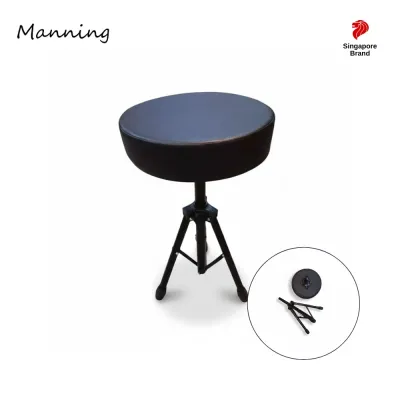
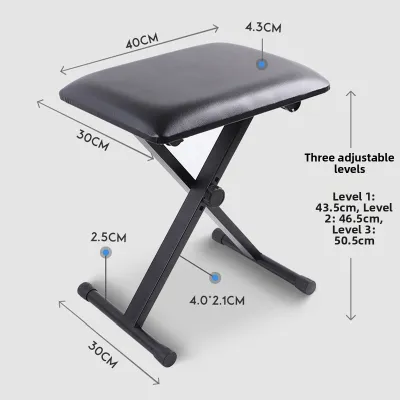
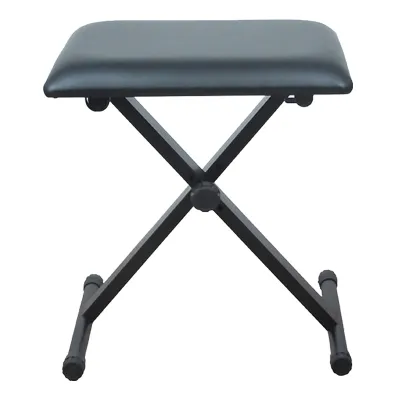
Prices are valid at publication and may change. Please refer to the product page for the latest price.
Biomechanically, your seat height and shape dictate your center of gravity and the range of motion in your hips. A stool that is too low forces your knees above your hips, compressing your lumbar spine and restricting the rapid leg movements needed for double-stroke pedal work. Conversely, sitting too high reduces your leverage on the pedals, forcing you to play on your tiptoes and causing premature calf fatigue.
An unstable or poorly padded stool also introduces micro-wobbles that ruin technical execution. Every time you reach for a crash cymbal or transition across the floor toms, your core must fight the shifting base. Over a long practice session in a non-air-conditioned room or a high-energy live set, this physical strain accumulates. Investing in a stable foundation is not merely about comfort; it is a direct investment in your technical precision and long-term spinal health.
Core Features to Evaluate Before Buying a Drum Stool
Seat Shape
The shape of your seat determines how your weight is distributed and how freely your thighs can move. The two primary options are round seats and saddle seats.

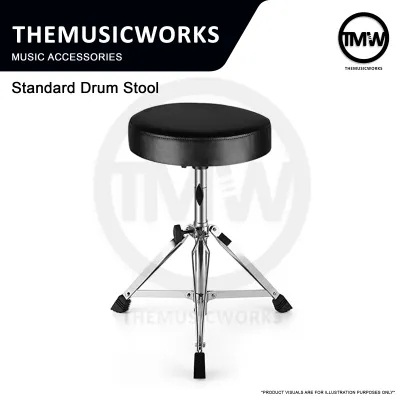
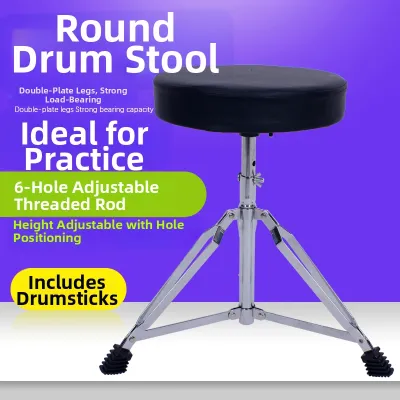
- Round Seats: This is the traditional design. It provides a uniform surface that allows you to sit in any orientation without adjusting the seat's alignment. Round seats are highly versatile and encourage free leg movement, though they offer less targeted pelvic support during long playing sessions.
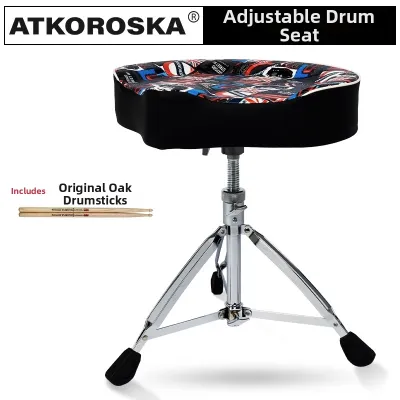
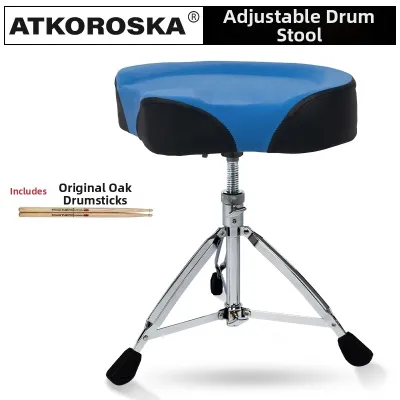
- Saddle/Motorcycle Seats: These feature a contoured design with cutouts for your thighs, resembling a motorcycle seat. This shape promotes better posture by tilting the pelvis slightly forward and aligning the spine. It also eliminates friction on the back of your thighs, which is ideal for active pedal work, though you must align the seat precisely before playing.
Height Adjustment Mechanisms
How a stool adjusts in height affects both its stability and how easily you can make micro-adjustments between sessions.
- Threaded Spindle: This system uses a heavy-duty threaded metal post. You adjust the height by spinning the seat clockwise or counter-clockwise, then locking it in place with a wing nut or collar clamp. It is incredibly reliable, virtually slip-proof, and highly stable, though adjusting it can take a few moments.
- Hydraulic/Pneumatic Lifts: Operating via a gas-charged cylinder, these stools adjust instantly with the pull of a lever, much like an office chair. They offer a slight natural bounce that some players find comfortable for absorbing impact, but they are heavier, more expensive, and the hydraulic seals can eventually wear out over several years.
- Bolt-Through/Pin Lock: This budget-friendly system uses a solid metal pin inserted through pre-drilled holes in the center post. While highly secure and incapable of slipping, it limits you to discrete height increments (usually spaced 1 to 2 inches apart), preventing fine-tuned micro-adjustments.
Base and Bracing
The legs of your drum stool bear your entire weight plus the dynamic forces of your performance. You must choose the right bracing style for your physical build and portability needs.
- Single-Braced Legs: These bases feature a single strip of metal reinforcing each leg. They are lightweight, highly portable, and take up less floor space, making them excellent for younger players or compact home setups. However, they offer less lateral stability under heavy playing.
- Double-Braced Legs: These utilize two parallel metal strips per leg, vastly increasing torsional rigidity. They resist twisting and swaying when you shift your weight dynamically. Double-braced bases are heavier to carry but are essential for adults and aggressive players who require absolute stability.
- Rubber Feet and Footprint: Always look for oversized, high-quality rubber feet. In Singaporean homes with tiled, laminate, or vinyl flooring, small or hard plastic feet will slide easily, scratching the floor and causing the stool to drift during play.
Padding and Upholstery
The materials used in the cushion affect both initial comfort and how well the seat holds up over hours of continuous use.
- High-Density Foam: Premium stools use dense, molded foam that feels firm at first but supports your weight without bottoming out. This prevents your sit bones from pressing directly against the wooden or metal base plate of the seat.
- Standard Soft Foam: Often found in budget stools, this foam feels soft initially but compresses completely under weight, leading to discomfort and poor posture within thirty minutes of playing.
- Vinyl Upholstery: Highly durable, water-resistant, and easy to wipe clean after a sweaty session. However, in warm, humid environments, vinyl traps heat and sweat, which can cause slipping and skin irritation.
- Breathable Fabric/Mesh: Many modern high-end stools feature fabric tops or mesh inserts. These allow air circulation, keeping you significantly cooler during long practices, though they require more effort to clean if stained.
Recommended Drum Stool Configurations by Skill Level
Beginners: Round Seats with Spindle Adjustment
For students, casual hobbyists, and those setting up their very first acoustic or electronic drum kit, a straightforward, reliable setup is the most practical choice. At this stage, you do not need complex hydraulic systems or oversized saddle seats, but you must avoid ultra-cheap, unstable stools that could foster poor posture habits early in your musical journey.
- Target Audience: Beginners, young students, and casual players practicing up to an hour per day.
- Recommended Features: A medium-sized round seat (around 12 to 13 inches in diameter), a robust single-braced or lightweight double-braced tripod base, and a threaded spindle height adjustment mechanism.
- Rationale: This configuration provides a stable, predictable platform that allows beginners to focus on basic limb coordination without fighting a shifting seat. The threaded spindle ensures the seat will not slip downward mid-practice—a common issue with cheap bolt-clamp designs. Additionally, these stools are lightweight and easy to fold down, making them perfect for compact bedrooms or shared family spaces.
- Limitations: The standard foam padding in entry-level models will compress over time and may cause discomfort during practice sessions exceeding an hour. Furthermore, rotating a spindle to change heights can be tedious if multiple family members share the same drum kit.
Intermediate Players: Saddle Seats with Double-Braced Bases
As you transition to intermediate techniques—such as double-kick patterns, fast hi-hat footwork, and complex syncopation—your physical movement increases dramatically. Dedicated hobbyists and local gigging musicians practicing multiple times a week need a drum stool that supports active hip movement and remains firmly anchored to the floor.
- Target Audience: Band members, regular gigging drummers, and dedicated students practicing several hours a week.
- Recommended Features: An ergonomic saddle or motorcycle-style seat, a heavy-duty double-braced tripod base, high-density molded foam padding, and a secure memory lock on a threaded spindle.
- Rationale: The saddle shape is highly beneficial at this stage because it clears the path for your thighs, reducing friction and allowing your legs to move freely. This design encourages proper pelvic alignment, which protects your lower back during longer, more intense rehearsals. The double-braced base ensures the stool remains perfectly upright and wobble-free, even when you are playing aggressively.
- Limitations: These intermediate-tier stools are noticeably heavier and bulkier than beginner models. If you are frequently commuting to jam studios or local venues via public transport, carrying a heavy double-braced stool alongside your cymbals and pedal can be physically demanding.
Professionals: Heavy-Duty or Hydraulic Saddle Thrones
Professional drummers, session musicians, and touring artists require the absolute pinnacle of ergonomic support and hardware reliability. When you are spending four to eight hours a day behind the kit, in the studio, or on stage under intense lights, your stool must act as a seamless extension of your body.
- Target Audience: Touring professionals, studio session drummers, music teachers, and heavy-hitting players in demanding genres like metal, hard rock, or progressive fusion.
- Recommended Features: A premium hydraulic or pneumatic height adjustment system, an extra-wide contoured saddle seat with a breathable fabric top, a massive double-braced base, and an optional integrated backrest.
- Rationale: Instant hydraulic height adjustment is invaluable in professional settings, allowing you to change your seat height by a fraction of an inch in seconds—ideal for shared backline kits at festivals or multi-drummer studios. The high-grade shock absorption of a pneumatic cylinder cushions your spine from the constant impact of heavy foot techniques. Premium high-density foam and breathable fabric covers prevent heat buildup and physical fatigue during grueling multi-hour recording sessions.
- Limitations: Professional-grade thrones are a significant financial investment, often costing between S$250 and S$500. They are also exceptionally heavy, requiring a dedicated hardware case with wheels for transport, and their larger footprint may not fit comfortably in very tight stage setups or small home practice corners.
Tailoring Your Stool to Specific Playing Styles and Setups
Double Bass Pedal Users
If your playing style relies heavily on double bass drum work or rapid double-pedal patterns, standard round stools can restrict your leg motion. As your thighs move rapidly up and down, they can rub against the front edge of a round cushion, causing friction and limiting your speed.
For these players, a deep saddle seat with pronounced leg cutouts is highly recommended. This shape allows your legs to drop naturally and swing freely from the hip joint without any physical obstruction, maximizing your speed and control.
Heavy Hitters
Drummers who play with high physical intensity—such as in rock, punk, or metal genres—exert significant lateral force on their seating. If you lean forward or shift your weight dramatically to hit accent cymbals, a lightweight stool can easily tip or slide.
Heavy hitters should prioritize an oversized double-braced base with a wide tripod footprint. Look for models with thick center posts and robust memory locks to prevent the seat from slowly sinking or spinning under high-impact playing.
Frequent Gigging and Busking
If you are constantly moving your gear between home, rehearsal spaces, and outdoor busking locations, weight and setup speed become your primary concerns. Dragging a 7-kilogram professional hydraulic throne across town is highly impractical.
In this scenario, look for a lightweight, single-braced drum stool with a quick-release collar or a simple pin-lock mechanism. While you sacrifice some advanced ergonomic padding, the ease of folding the base flat and slipping it into a hardware bag makes transport significantly less exhausting.
Electronic Drum Kit Users
Electronic drum kits are often more compact than acoustic kits, and their pads are sometimes positioned closer together. Because electronic pedal triggers do not require the same physical force as acoustic pedals, you might prefer a slightly different sitting height to maintain a comfortable reach to the smaller pads.
An easily adjustable spindle or hydraulic stool is highly beneficial for electronic players. It allows you to quickly adapt your height to match the compact frame of your electronic rack, ensuring you do not develop a cramped, hunched posture.
Quick Comparison of Drum Stool Configurations
| Configuration Type | Seat Shape | Adjustment Mechanism | Base Stability | Best Suited For | Main Limitation |
|---|---|---|---|---|---|
| Beginner | Round | Threaded Spindle or Bolt | Single-Braced / Light Double | Home practice, young students, compact electronic kits | Foam compresses quickly; slow to adjust height |
| Intermediate | Saddle / Motorcycle | Threaded Spindle with Lock | Heavy-Duty Double-Braced | Regular rehearsals, local gigging, double-pedal practice | Moderately heavy and bulky to transport |
| Professional | Premium Saddle | Hydraulic / Pneumatic | Oversized Double-Braced | Touring, long studio sessions, heavy-hitting genres | High cost; very heavy; requires dedicated hardware case |
Frequently Asked Questions (FAQ)
How high should my drum stool be for optimal pedal control?
As a general rule of thumb, your hips should sit slightly higher than your knees when your feet are flat on the pedals. This typically creates an angle of roughly 90 to 110 degrees at your knee joint. Sitting in this range keeps your pelvis neutral, allows your hip flexors to operate efficiently, and provides the necessary leverage for both heel-up and heel-down pedal techniques. Avoid sitting too low, as this places excessive strain on your lower back and hip joints.
Can I use a standard office chair instead of a dedicated drum stool?
You should avoid using a standard office chair for drumming. Office chairs are designed for static, passive sitting; they lack the structural stability required to handle the dynamic, multi-directional forces of drumming. The wheels on office chairs will cause you to slide backward when you push against bass drum pedals, and the high backrests and armrests will severely restrict your elbow movement and posture. Furthermore, the gas lift on standard office chairs is not designed to absorb the constant, rhythmic impacts of foot pedal work.
Is a backrest necessary for long drumming sessions?
A backrest is not strictly necessary, but it can be highly beneficial depending on how you use it. When you are actively playing, your core should be engaged, and your body should tilt slightly forward, meaning your back will not actually touch the backrest. However, during rehearsal breaks, long studio tracking sessions, or between songs during a live set, a backrest allows you to lean back and completely relieve tension in your lumbar spine. If you suffer from pre-existing lower back pain, a removable backrest is an excellent upgrade to consider.
Community discussion
Share your experience or ask a question. Comments are reviewed before publication.