
Botanical illustration is a beautiful, timeless art form that merges scientific observation with creative expression. For beginners, learning to capture the delicate curves of a petal or the intricate details of a stem can feel daunting. A well-structured flower drawing book serves as a personal mentor, guiding you through the foundational steps of this rewarding practice. However, with countless art instruction books available on online marketplaces and in local bookshops, finding the right guide requires a clear understanding of what makes a book effective for self-study.
To make an informed choice, you need to look beyond beautiful cover art and evaluate how a book teaches core techniques, matches your preferred medium, and aligns with your personal learning style. By focusing on these key factors, you can select an instructional guide that builds your confidence and helps you develop a reliable, lifelong drawing practice.
Key Techniques a Beginner Flower Drawing Book Should Cover
A high-quality instructional book must go beyond simple step-by-step copying. It should teach you how to observe plants like a botanist. This means understanding plant anatomy, such as how leaves attach to stems, the structure of a flower’s reproductive parts, and the way light interacts with organic surfaces. When you understand the underlying structure of a flower, your drawings will naturally look more realistic and three-dimensional.
Products mentioned in this guide
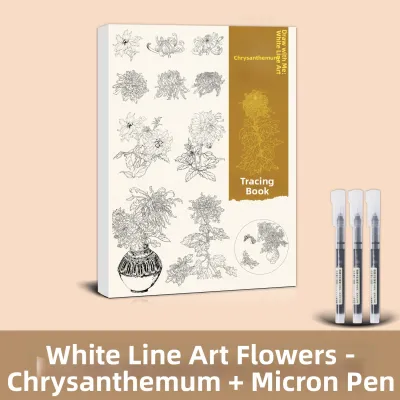
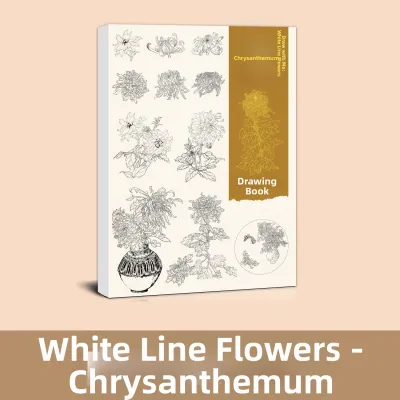
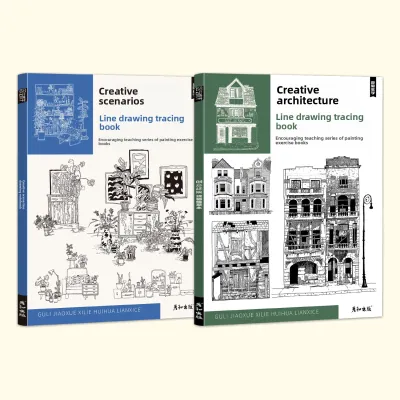
Prices are valid at publication and may change. Please refer to the product page for the latest price.
Color mixing is another critical skill that a beginner botanical book must address. Flowers feature some of the most vibrant and pure colors in the natural world. Mixing these pigments without creating muddy, dull tones is a common challenge for beginners. Look for books that offer dedicated sections on color theory for flora, explaining how to mix realistic greens, how to layer colors to create depth, and how to capture the translucent quality of delicate petals.
The progression of lessons within the book should be logical and gradual. A beginner-friendly guide will start with simple, flat subjects, such as a single leaf or a basic five-petal blossom. As your confidence and skills grow, the book should introduce more complex composite flowers, such as daisies, sunflowers, or intricate orchids. This step-by-step progression ensures that you build a solid foundation before tackling highly detailed botanical compositions.
Matching the Book Format to Your Learning Style
When selecting a flower drawing book, consider whether you prefer a project-based approach or a technique-focused manual. Project-based books are highly motivating because they guide you through completing a specific illustration from start to finish. This format is excellent for beginners who want to see immediate results and build a portfolio of completed pieces.

In contrast, technique-focused manuals act as comprehensive reference guides. They teach you the fundamental mechanics of drawing, such as shading geometric forms, rendering textures, and mastering specific brush strokes. While these books may require more patience, they equip you with the versatile skills needed to draw any plant you encounter in nature, rather than just copying the projects featured in the book.
Your learning style also dictates whether you need a book with high-reference photography or clear line-art breakdowns. Visual learners often benefit from books that pair detailed photographs of real specimens with the corresponding illustrations. This comparison helps you understand how to translate real-world details into artistic marks. Alternatively, if you prefer structured, step-by-step diagrams, look for books that use clean line-art overlays to show exactly where to place each pencil stroke.
Pacing is another crucial factor for self-taught artists. A well-paced book will not skip steps or make sudden leaps in difficulty. If a lesson jumps from a basic pencil outline directly to a fully shaded, photorealistic drawing without explaining the intermediate steps, it can lead to frustration. Look for books that break down the drawing process into multiple, clearly defined stages, ensuring that each transition is thoroughly explained.
Aligning Book Choices with Your Chosen Medium
The art supplies you plan to use should heavily influence your choice of book. Watercolor is the traditional medium for botanical illustration, prized for its ability to capture the delicate, luminous quality of flowers. If you choose this medium, look for books that focus on watercolor-specific techniques, such as laying flat washes, wet-on-wet blending, and dry brush detailing. In a humid climate like Singapore’s, watercolor paper retains moisture longer, which affects drying times and layering. A good watercolor guide will teach you how to manage water control and paint consistency under these conditions.
Colored pencils offer an excellent alternative for beginners who prefer a dry medium with a high level of control. Books dedicated to colored pencil botanical art should cover techniques such as layering multiple colors to build rich values, blending pigments smoothly, and burnishing to create a polished, paint-like finish. This medium is highly portable and requires minimal setup, making it a popular choice for drawing at home or on the go.
If you prefer to focus purely on form, structure, and value, graphite or pen-and-ink resources are ideal. These guides teach you how to use line weight, stippling, and cross-hatching to create texture and depth without the complexity of color. Starting with monochrome drawing is a highly effective way to build your observational skills and master shading before transitioning to color mediums.
How to Evaluate a Flower Drawing Book Before Buying
Before purchasing a flower drawing book, take the time to evaluate its quality and usability. If you are browsing in a physical bookstore, flip through the pages to assess the clarity of the step-by-step instructions. If you are shopping online, make use of “look inside” features or sample pages. Ensure that the written explanations are easy to follow and that the accompanying illustrations are clear and well-printed. A typical high-quality instructional book ranges from S$20 to S$45, making it a highly cost-effective way to learn a new skill.
A comprehensive index and a troubleshooting section are indicators of a well-designed instructional book. The index allows you to quickly locate specific techniques or plant families when you need a quick reference. A troubleshooting section is incredibly valuable for beginners, as it addresses common mistakes—such as how to fix a distorted perspective, how to correct muddy watercolor washes, or how to prevent colored pencils from wax blooming.
Finally, consider the physical format of the book, especially if it is designed as a workbook for direct practice. Books with lay-flat binding, such as spiral or open-stitch binding, are much easier to use at a drawing desk because they stay open without requiring you to weigh down the pages. If the book includes practice pages for watercolor or heavy sketching, verify that the paper quality is thick enough to handle wet media without warping or bleeding through.
Frequently Asked Questions (FAQ)
Do I need to buy expensive art supplies before starting with a beginner book?
No, you do not need to invest in premium, professional-grade art supplies to begin your botanical illustration journey. A simple HB pencil, a clean eraser, a sharpener, and a basic sketchpad are more than enough to practice the foundational drawing exercises found in most beginner books. As your skills develop and you discover which medium you enjoy most, you can gradually upgrade to artist-grade watercolors, colored pencils, or specialized papers. A high-quality instructional book will focus on teaching core techniques that can be practiced with basic, accessible materials.
Can I use a general drawing book instead of a specific botanical illustration guide?
While a general drawing book is excellent for learning basic artistic principles—such as perspective, light and shadow, and hand-eye coordination—it often lacks the specialized knowledge required for botanical illustration. Botanical art is unique because it demands scientific accuracy alongside aesthetic beauty. A dedicated flower drawing book teaches you the specific anatomy of plants, how to render delicate floral textures, and how to accurately depict the growth patterns of different species. For early warm-up exercises, a general drawing book is perfectly sufficient, but a specialized botanical guide is essential for mastering the true art of floral illustration.
Community discussion
Share your experience or ask a question. Comments are reviewed before publication.