
A portable percussion instrument offers acoustic freedom for buskers, gigging musicians, and hobbyists alike. When space is at a premium, a folding cajon drum box solves the challenge of transporting a bulky wooden instrument without sacrificing the tactile joy of hand drumming. However, because these instruments rely on collapsible joints and moving parts, choosing a high-quality folding cajon drum box requires looking past simple convenience to evaluate structural stability, acoustic materials, and snare responsiveness.
Evaluating a collapsible instrument means looking closely at how the panels connect, the thickness of the striking surface, and how the internal snare system is configured. A well-designed model should feel rock-solid when assembled, supporting your weight comfortably while delivering crisp slaps and a distinct bass tone. By understanding the core specifications, you can select an instrument that endures repeated assembly and matches your musical style.
Quick Guide: Essential Specs for a Folding Cajon Drum Box
The primary appeal of a folding cajon drum box lies in its ability to collapse flat, making it easy to carry on public transport or store in compact living spaces. Yet, removing the rigid, glued corners of a traditional cajon introduces acoustic and structural challenges. Buyers must carefully balance this ultimate portability with the instrument’s overall structural stability and sound projection.
Products mentioned in this guide
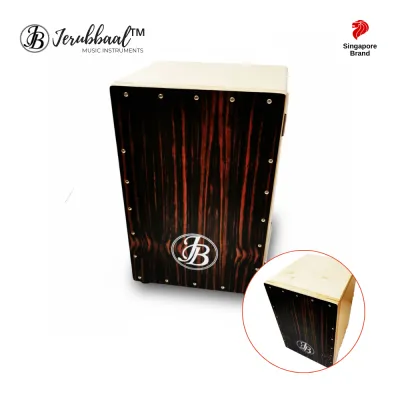
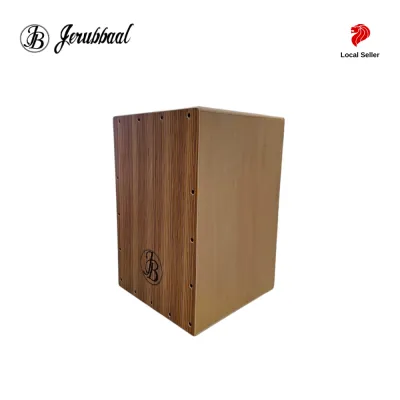
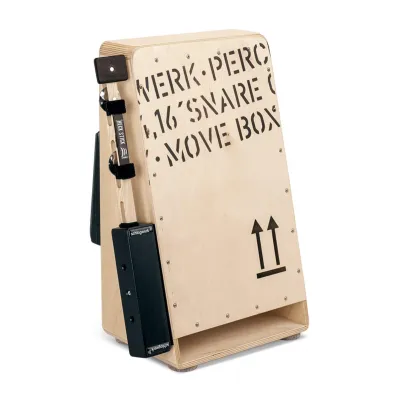
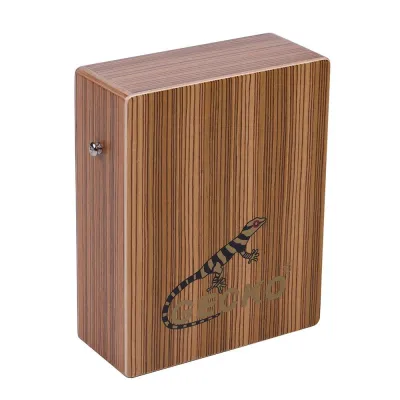
Prices are valid at publication and may change. Please refer to the product page for the latest price.
When comparing models online or in-store, keep these four decision-defining specifications at the forefront of your search:
- Folding Mechanism Type: Determines how quickly the box assembles and how stable it remains when you sit on it.
- Shell and Tapa Materials: Dictates the warmth, punch, and durability of the tone.
- Snare Adjustability: Influences your ability to toggle between crisp snare slaps and dry, bongo-like sounds.
- Packed Dimensions: Ensures the collapsed unit fits seamlessly into your commuter backpack or gig bag.
Folding Mechanisms: Hinges vs. Interlocking Joints
The structural design of a collapsible cajon determines how fast you can set up before a performance and how safely the instrument supports your weight. Because you sit directly on top of the box while playing, the joints must bear constant downward force. Manufacturers generally use one of two main structural designs to achieve a collapsible frame.

Metal Hinges and Latches
Hinge-based folding systems utilize metal hardware to connect the wooden panels, allowing them to fold flat against each other. These models rely on heavy-duty hinges along the interior seams and secure latches or locking pins on the exterior to hold the fully assembled box in place.
When evaluating a hinge-based system, inspect the gauge of the metal hardware and the security of the locking pins. Low-grade hinges can bend over time, leading to a noticeable wobble or structural collapse during a performance. Look for models that feature industrial-grade steel hinges and spring-loaded locking mechanisms that click firmly into place.
Interlocking Slots and Folding Panels
Interlocking slot designs require minimal to no metal hardware. Instead, the wooden panels feature precision-cut teeth, tongue-and-groove slots, or sliding tracks that lock together using friction and tension.
This hardware-free approach significantly reduces the overall weight of the instrument and eliminates the risk of rattling metal parts during play. However, repeated assembly can wear down the friction points, especially in humid climates where wood naturally expands and contracts, potentially loosening the fit over time. Look for reinforced corners and tool-free assembly to ensure long-term durability and quick setup.
To ensure your instrument remains secure over years of use, focus on these structural features:
- Reinforced Corners: Look for rubberized or reinforced corner caps that protect the joints from impact damage during transit.
- Tool-Free Assembly: Prioritize designs that do not require hex keys or screwdrivers, ensuring you can assemble the instrument in under a minute at a venue.
- Weight Capacity Ratings: Always check the manufacturer's specified weight limit to ensure the assembled frame can safely support your body weight.
Wood Materials: Decoding Shell and Tapa Specs
The woods used to construct a cajon are the primary drivers of its acoustic character, weight, and resistance to environmental changes. Because a folding instrument lacks the permanent glue seals of a standard box, the natural resonance of the timber must work even harder to project sound clearly.
Shell (Body) Materials The shell forms the structural walls of the cajon. Birch is a highly popular choice for folding shells, prized for its bright, punchy high-end tones, clean projection, and robust structural strength. If you prefer a deeper, warmer sound with more prominent low-end frequencies, mahogany or rubberwood shells are excellent alternatives. Be cautious of budget-friendly models constructed from medium-density fibreboard (MDF) or cheap composites; while cost-effective, these materials are significantly heavier to carry and tend to sound muddy and less resonant.
Tapa (Front Plate) Thickness The tapa is the thin front panel that you strike with your hands, and its thickness dictates the playing feel and sensitivity. A thinner tapa, typically around 2.5mm to 3mm, offers exceptional sensitivity, requiring very little striking force to trigger a crisp snare response. This is ideal for fingerstyle players. A thicker tapa, measuring 4mm or more, is more durable and better suited for aggressive, heavy-handed playing styles, though it requires more physical effort to coax out the full dynamic range.
Veneers vs. Core Plies While exotic wood veneers like ebony or ash offer stunning visual appeal, they are merely paper-thin decorative layers. The actual core ply layers underneath—and the quality of the structural glue holding them together—are what determine the plate’s durability. For a folding instrument that experiences regular physical stress, ensure the tapa is made of multi-ply hardwood (such as birch or maple) rather than single-layer plastics or cheap laminates that can crack under pressure.
Snare Systems and Acoustic Design
The internal snare system gives the cajon its signature “buzz” or “slap” sound, contrasting with the deeper bass tone produced when striking the center of the front plate. In a folding model, the snare mechanism must be compact enough to fold away without getting damaged or tangled.
Fixed vs. Adjustable Snares
A fixed snare system features wire strands pressed permanently against the back of the tapa. While simple and reliable, it offers no tonal flexibility. For maximum versatility, look for an adjustable snare system controlled by an external tension knob or a magnetic on/off switch. This allows you to quickly adjust the snare tension to match the room’s acoustics, or turn the snare off completely to transform the instrument into a traditional, dry Peruvian cajon or bongo-style box.
Snare Types
The type of snare wire used dictates the crispness of your high-end slaps:
- Guitar String Snares: These consist of guitar strings stretched vertically behind the tapa, delivering a warm, subtle, and highly controllable sizzle popular in flamenco and acoustic folk music.
- Snare Wires: Similar to the metal wire coils found on the bottom of a snare drum, these provide a very crisp, sensitive, and aggressive buzz. They are highly responsive to light finger taps but can sometimes produce unwanted residual rattle during bass hits.
Sound Holes and Internal Volume
The placement of the sound hole—whether on the rear panel or the side—plays a vital role in how the sound projects. Rear sound holes project the bass tones directly backward, which is ideal if you are mic’ing the instrument from behind. Side sound holes allow you to hear your own playing more clearly on stage.
Because folding designs must accommodate hinges, joints, and flat-packing requirements, they inherently restrict internal air volume compared to full-size, solid-body cajons. This reduced volume naturally limits the depth of the low-end bass resonance. While a premium folding model will still sound excellent, it will not deliver the same subterranean bass thump as a heavy, solid-wood studio cajon.
Weight, Packed Dimensions, and Real-World Portability
The ultimate test of a folding cajon is how easily it fits into your daily routine. If the instrument is too heavy or awkward to pack, its folding design loses its primary advantage.
Unfolded vs. Folded Dimensions Before purchasing, compare the unfolded playing dimensions with the folded footprint. A standard unfolded cajon typically stands around 45 to 50 cm tall, which is a comfortable sitting height for most adults. When folded, the thickness should ideally shrink to under 10 cm, allowing the entire unit to slide easily into a standard commuter backpack, a dedicated padded gig bag, or the trunk of a car alongside other musical gear.
Weight Considerations Do not assume that “folding” automatically means “lightweight.” High-quality hardwoods like birch or mahogany are naturally dense, and a solid-wood folding cajon can still weigh between 3 to 5 kilograms. To make transport as painless as possible, look for models that feature integrated carrying handles cut directly into the wood, smooth padded edges that do not dig into your back, or packages that include a high-quality shoulder strap.
Specs to Ignore When evaluating portability, learn to ignore flashy but impractical specifications. Overly decorative metal corner protectors, heavy external iron latches, and thick aesthetic wooden borders add significant weight to your load without contributing to the sound quality or structural stability. Prioritize clean, minimalist hardware designs that focus strength where it matters most: the primary folding joints.
Frequently Asked Questions (FAQ)
Do folding cajons sound as good as regular cajons?
While high-end folding cajons deliver impressive sound quality suitable for professional use, they do involve minor acoustic trade-offs. The folding seams, hinges, and reduced internal air volume mean they generally have slightly less low-end bass resonance and sustain than a premium, solid-body, one-piece cajon. However, their crisp high-end snare slaps and mid-range tones remain highly comparable to traditional models.
Can I use a folding cajon for live gigs?
Yes, folding cajons are highly capable stage instruments, provided they feature a robust locking mechanism that prevents wobbling while you sit on them. Because of their slightly smaller internal volume and lower natural projection, you will likely need to use an external boundary microphone or an internal clip-on pickup system to amplify your sound when performing in medium to large venues.
Community discussion
Share your experience or ask a question. Comments are reviewed before publication.