
Selecting the right metronome for piano practice is a foundational decision that directly shapes your rhythm, timing, and overall technical development. While a simple ticking sound might seem universal, the specific demands of piano playing—ranging from wide dynamic variations to complex multi-voice textures—require a tool that can cut through the acoustic output of your instrument without causing auditory fatigue. The ideal choice depends on your practice environment, your current skill level, and whether you prefer a traditional tactile experience or modern digital flexibility.
To find the perfect match, you must evaluate how a metronome fits into your daily routine. A piano produces a broad spectrum of frequencies and volumes, meaning a weak or tinny click will easily get lost when you play fortissimo passages. Conversely, an overly harsh electronic beep can quickly become grating during long practice sessions. By focusing on key specifications such as tempo precision, volume adjustability, and format-specific advantages, you can select a tool that supports your musical growth rather than becoming a source of distraction.
Quick Guide to Selecting Your Piano Metronome
When you are looking for a metronome for piano practice, the first major decision is choosing between three primary formats: traditional mechanical models, digital desktop units, and smartphone applications. Each format offers a distinct user experience, ranging from the classic visual sweep of a physical pendulum to the highly programmable, portable nature of modern software. Your choice should align with your aesthetic preferences, your tolerance for screen distractions, and where you typically practice.
Products mentioned in this guide
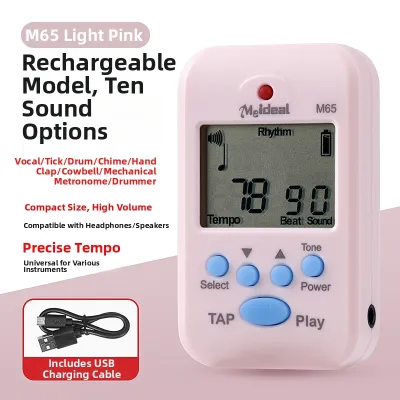
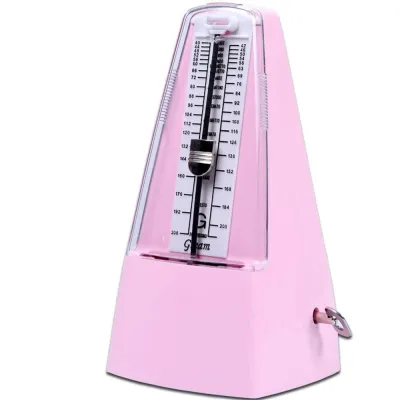
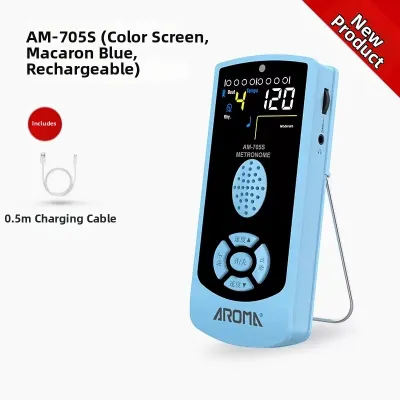
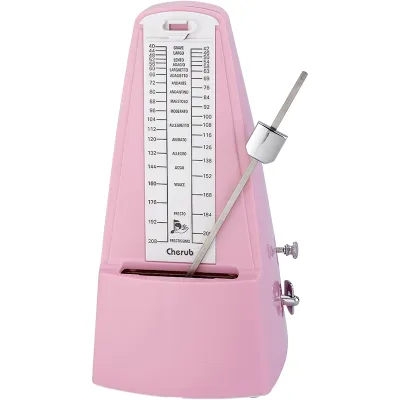
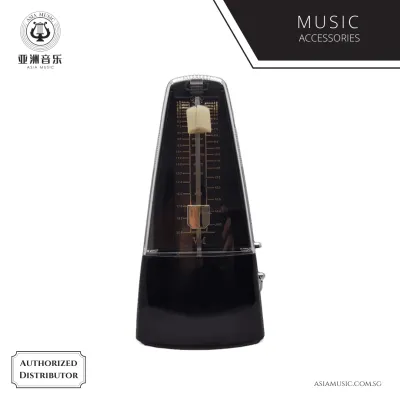
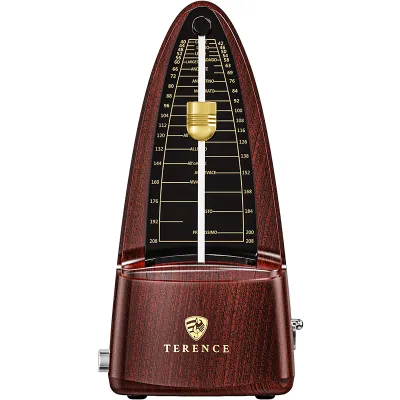
Prices are valid at publication and may change. Please refer to the product page for the latest price.
Regardless of the format you choose, three non-negotiable features must guide your purchase. First, the device must offer an accurate and easily adjustable tempo range, typically spanning from 40 to 208 beats per minute (BPM). Second, it must provide clear auditory or visual cues that remain distinct even when you are playing complex, loud passages on an acoustic piano. Finally, the interface must be intuitive and easy to operate mid-practice, allowing you to adjust settings quickly without disrupting your focus or hand positioning.
This guide provides a comprehensive breakdown of these essential features, comparing the practical trade-offs of each format. By understanding how different specifications impact your daily practice, you can make an informed decision that suits your specific musical goals and home environment.
Essential Specifications for Piano Practice
Evaluating the technical specifications of a metronome ensures it can handle the diverse demands of classical, jazz, or contemporary piano repertoire. The most fundamental specification is the tempo range and the increment control. A standard metronome should cover at least 40 to 208 BPM, which encompasses the vast majority of musical markings from Largo to Presto. For developing pianists, the ability to adjust the tempo in fine increments—ideally beat-by-beat—is crucial for gradually building speed and muscle memory during technical exercises or scales.

Beyond basic speed adjustments, beat subdivisions and time signature options are vital for tackling complex rhythmic structures. Piano music frequently features compound meters, syncopated rhythms, and tuplets that can be difficult to internalize without external guidance. A metronome that allows you to subdivide the beat into eighth notes, triplets, sixteenth notes, or swing patterns helps you maintain precision throughout intricate passages. Look for models that offer clear accent controls, which place a distinct tone or higher pitch on the downbeat of each measure to help you keep track of the time signature.
Audio output quality is another critical factor that directly affects your practice comfort. Because an acoustic piano can easily overpower small speakers, a metronome must offer robust volume control. The tone itself should be pleasant yet distinct; many pianists prefer a woody click or a low-frequency electronic pop over high-pitched, piercing beeps that can cause ear fatigue over time. If you practice on a digital piano or keyboard, or if you live in a shared space like a typical Singapore apartment where noise control is essential, a metronome with a dedicated headphone jack or a line-out port is highly beneficial. This allows you to feed the metronome signal directly into your headphones or mix it with your digital piano’s audio output for silent practice.
Comparing Metronome Formats: Mechanical, Digital, and Apps
Choosing the right physical format involves balancing aesthetic appeal, functionality, and practical convenience. Traditional mechanical metronomes, with their iconic pyramid shape and swinging metal pendulums, remain a popular choice for classical pianists. These wind-up devices operate without batteries, making them highly reliable and environmentally friendly. The primary advantage of a mechanical model is its natural visual feedback; the sweeping motion of the pendulum allows you to anticipate the beat visually before you hear it, which is incredibly helpful for developing an internal sense of pulse. However, mechanical models are generally less portable, offer limited rhythm options, and can be sensitive to uneven surfaces, which can cause the beat to become uneven. Additionally, in humid tropical climates like Singapore, the internal wooden casings or metal springs of premium mechanical models require careful maintenance to prevent warping or rust.
Digital desktop and clip-on metronomes offer a highly durable and feature-rich alternative. These electronic devices are compact, highly portable, and powered by batteries or USB connections. They typically provide a wider range of sounds, precise digital displays, and advanced rhythm programming that mechanical models cannot match. Many digital units also feature built-in clips or flat bases designed to sit securely on a piano music stand or music desk. While they lack the classic visual appeal of a swinging pendulum, many digital models compensate with flashing LED lights or simulated on-screen pendulums to provide visual cues. Their robust construction makes them highly resistant to accidental drops, making them an excellent choice for students who travel to lessons.
Smartphone apps represent the most modern and cost-effective option, often available for free or a nominal fee. They offer unparalleled convenience, as most pianists already carry a compatible device, and they frequently feature highly advanced customization options, including complex polyrhythm generators and practice trackers. However, using a smartphone as a primary metronome introduces significant trade-offs. The presence of incoming notifications, messages, and social media can easily disrupt your practice flow and break your concentration. Furthermore, some mobile devices suffer from audio latency or processing delays, where the digital tick may slightly drift or stutter if the phone’s operating system is handling background tasks. For serious, uninterrupted study, a dedicated physical device is often preferred to maintain a distraction-free practice zone.
Advanced Features for Developing Pianists
As your piano skills progress, standard ticking patterns may no longer suffice for the complex rhythmic challenges found in advanced repertoire. Advanced metronomes offer programmable rhythm patterns and accent variations that are invaluable for mastering syncopation, cross-rhythms, and polyrhythms, such as three-against-two or four-against-three patterns. By allowing you to program custom accent sequences, these devices help you internalize the underlying pulse of modern classical pieces, jazz arrangements, or complex contemporary compositions without losing your place in the measure.
Memory functions are another highly practical feature for pianists managing multiple pieces or technical exercises. Instead of manually adjusting the dial or pressing buttons to change the tempo every time you switch from a Hanon exercise to a Chopin nocturne, a metronome with memory presets allows you to save specific BPM settings and time signatures. This streamlines your practice session, allowing you to transition smoothly between different tempos and maximize your active playing time.
Tap tempo functionality is an exceptionally useful tool for both learning and analysis. This feature allows you to tap a button or pad in time with a piece of music—whether it is a recording you are listening to or a melody running through your head—to instantly determine its beats per minute. For pianists, tap tempo helps you identify the actual performance speed of professional recordings, giving you a concrete target tempo to work toward. It also allows you to check your own internal pulse during practice, helping you verify if you are naturally rushing or dragging during specific passages.
Matching Metronome Types to Player Profiles
To make your final decision, it is helpful to align the metronome’s feature set with your current playing level and practice habits. Beginners should prioritize simplicity and clear feedback. At this stage, a metronome with an intuitive interface, a highly visible visual aid (such as a physical pendulum or a bright flashing LED), and a straightforward, pleasant click is ideal. Minimizing complex settings prevents cognitive overload, allowing the student to focus entirely on basic hand coordination, steady finger work, and building a foundational sense of timing.
Intermediate students require a more versatile tool to support their expanding repertoire. If you are preparing for graded exams or taking regular lessons, portability becomes a key factor, making compact digital models highly attractive. Intermediate players benefit greatly from beat subdivision options and accent controls, which help them navigate more complex time signatures and varied rhythmic patterns. A durable digital metronome that fits easily into a music bag ensures you have a reliable timing reference both at home and in the lesson studio.
Advanced pianists and professionals demand the highest level of precision and flexibility. For this profile, a metronome must offer absolute timing accuracy, advanced polyrhythm programming, and discreet operation. Advanced players often prefer high-end digital units or specialized hybrid models that combine the visual feedback of a physical indicator with the precise programming of digital circuitry. Features like tap tempo, extensive memory presets, and silent visual cues are essential for fine-tuning professional repertoire, conducting detailed tempo analysis, and practicing in professional environments where audible ticking is not permissible.
Frequently Asked Questions (FAQ)
Do I need a metronome with a built-in tuner for piano practice?
For most pianists practicing on an acoustic piano, a built-in tuner is not a necessary feature. Acoustic pianos are complex instruments with hundreds of strings under immense tension, requiring professional tuning services once or twice a year rather than daily user adjustments. Therefore, a standalone metronome or a metronome-focused device is perfectly adequate. However, if you are a multi-instrumentalist who also plays the violin or guitar, or if you use a digital keyboard and want to verify its pitch output or calibrate external synthesisers, a combination metronome-tuner device can offer convenient, space-saving utility on your music desk.
Can I rely on a free smartphone app instead of buying a physical metronome?
While free smartphone apps offer excellent convenience and cost savings for casual practice, they come with notable drawbacks for serious piano study. The primary disadvantage is the potential for digital distraction; notifications, calls, and messages can easily interrupt your practice momentum and break your focus. Additionally, some mobile devices experience minor audio latency or timing instability if background processes overload the phone’s processor. For dedicated, distraction-free practice sessions where absolute timing precision is required, investing in a physical, standalone metronome is highly recommended to establish a focused learning environment.
How loud should a metronome be when playing the piano?
The volume of your metronome should be carefully balanced against the acoustic output of your piano. It needs to be loud enough to remain clearly audible during fortissimo (very loud) passages, ensuring you do not lose the beat during intense sections. However, it should not be so loud that it causes ear strain or masks the natural tone and dynamics of your playing. To achieve this balance, look for a metronome with a wide, adjustable volume range. If you practice on an acoustic piano in a resonant room, using a model with a headphone output or relying on clear visual flashing cues can help you stay in time without excessive volume.
Community discussion
Share your experience or ask a question. Comments are reviewed before publication.