
Selecting the right dictionary is a pivotal decision in your language learning journey, as the wrong tool can either stall your progress with overly simplistic definitions or overwhelm you with dense, academic jargon. To find the perfect match, you must align the dictionary’s complexity with your current proficiency level, clarify your specific study goals, and choose the format that fits your daily learning habits. By systematically evaluating your vocabulary size, comprehension comfort, and practical needs, you can transition smoothly from basic bilingual aids to advanced monolingual resources that actively foster fluency.
Diagnose Your Current Language Proficiency
Before browsing online marketplaces or bookstore shelves for a new dictionary, you must accurately assess your current command of the target language. A common mistake is purchasing an advanced dictionary too early, which often leads to frustration when definitions contain more unfamiliar words than the original entry. Conversely, staying with a beginner-level tool for too long can stunt your vocabulary growth, leaving you without the nuanced synonyms and grammatical context needed for natural expression.
To evaluate your standing, observe your reading comprehension comfort during daily study sessions. If you can understand the general gist of a paragraph but frequently stumble on specific verbs or idiomatic expressions, you are likely in the intermediate stage. Active vocabulary size is another excellent indicator; learners who can comfortably produce basic sentences but struggle to vary their word choices require a dictionary that emphasizes collocations and usage examples rather than simple word-for-word translations.
Products mentioned in this guide
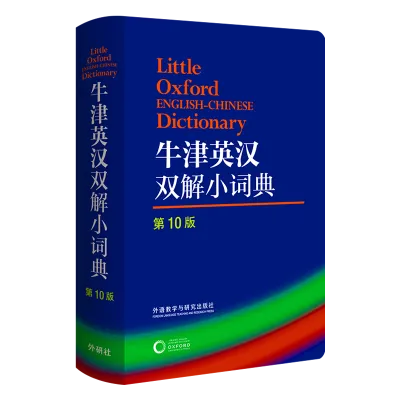
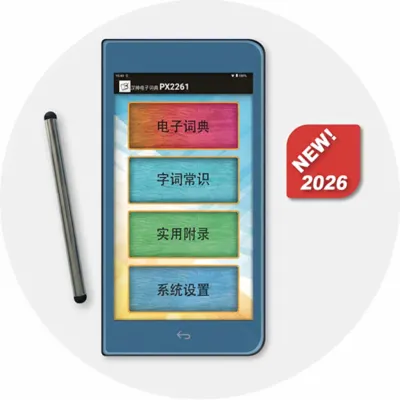
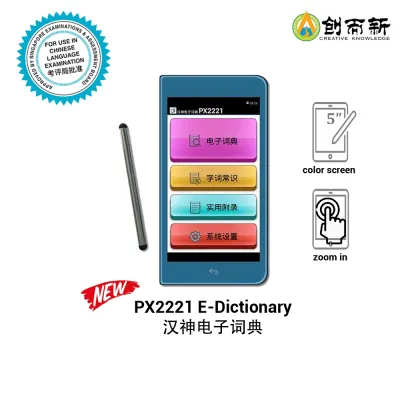
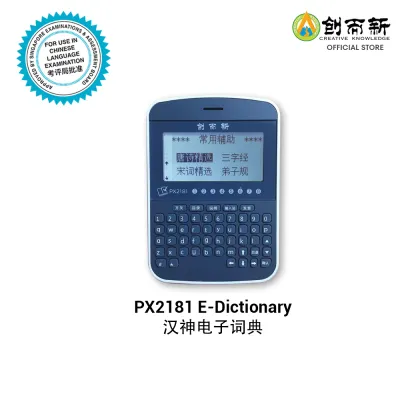
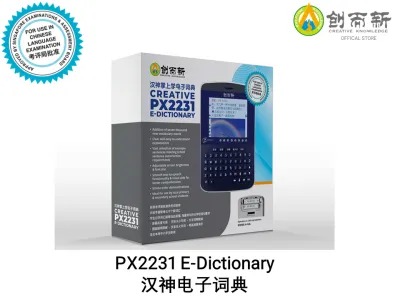
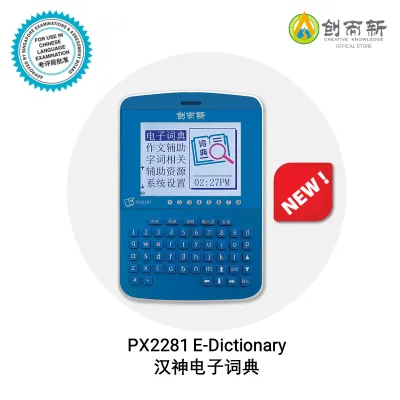
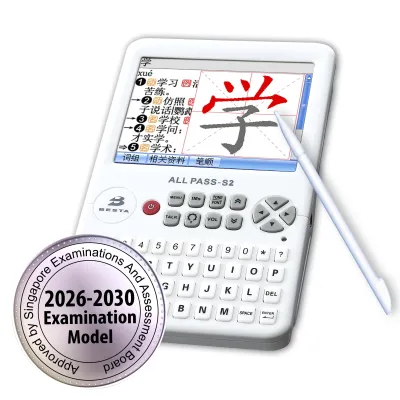
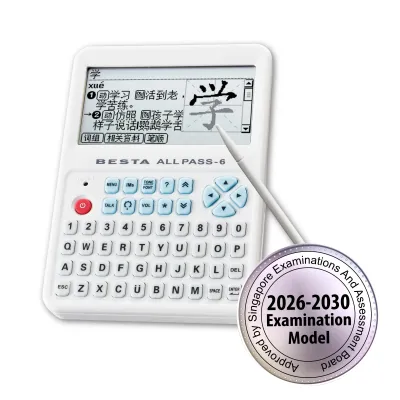
Prices are valid at publication and may change. Please refer to the product page for the latest price.
Standardized frameworks, such as the Common European Framework of Reference for Languages (CEFR), offer a reliable benchmark for your search. A beginner at the A1 or A2 level benefits most from bilingual dictionaries that provide immediate equivalents in their native tongue. Intermediate learners at the B1 or B2 level should look for intermediate learner’s dictionaries that introduce simple monolingual definitions. Advanced learners at the C1 or C2 level are ready for comprehensive native-speaker dictionaries that explore subtle shades of meaning and historical etymology.
Recognizing when your current dictionary is hindering your progress is key to knowing when to upgrade. If you find yourself constantly looking up words within the definitions of your current dictionary, the tool is too advanced. On the other hand, if you look up a word and find only a single-word translation without any context, grammatical patterns, or preposition guides, your dictionary is too basic to support your growing skills.
Define Your Specific Learning Goals
Your choice of a dictionary should directly reflect what you intend to achieve with the language. A student preparing for academic examinations requires a vastly different tool than a traveler looking to navigate daily conversations or a professional translating technical documents. Defining these goals early prevents you from investing in a specialized volume that does not align with your daily study routines.

For casual reading and general vocabulary expansion, a standard learner’s dictionary with clear, high-frequency vocabulary is usually sufficient. However, if your goal is academic study or professional writing, you will need a dictionary that includes detailed grammatical notes, register labels indicating whether a word is formal or informal, and collocations. Collocations—words that naturally go together—are essential for sounding natural, and specialized dictionaries often highlight these pairings to help you write and speak more fluidly.
Your study environment also dictates the ideal dictionary features. If you practice listening comprehension or pronunciation, digital dictionaries with high-quality audio pronunciations recorded by native speakers are invaluable. For those focusing on classical literature or historical texts, etymology sections that explain the origins and historical shifts of words become necessary. Ensure the dictionary you select matches your primary study environment, whether that is a quiet desk at home, a bustling library, or a daily commute.
Match the Right Dictionary Type to Your Profile
Understanding the distinct categories of dictionaries allows you to map them directly to your learning profile. The most critical transition in any language learner’s journey is moving from a bilingual dictionary to a monolingual one. Bilingual dictionaries, which translate words directly between your native and target languages, are indispensable for beginners who need to build a foundational vocabulary quickly. However, relying on them too long can prevent you from thinking directly in the target language, as you constantly translate back and forth in your head.
As you reach the intermediate stage, transitioning to a bilingual-monolingual hybrid or a dedicated monolingual learner’s dictionary is highly recommended. Unlike standard native-speaker dictionaries, monolingual learner’s dictionaries define words using a controlled vocabulary—typically a set of the most common words in the language. This ensures that you can understand the definition without getting lost in a chain of unfamiliar terms, helping you build a more cohesive mental map of the language.
Comprehensive native-speaker dictionaries, by contrast, are designed for fluent speakers and advanced academic research. They contain hundreds of thousands of entries, including rare, archaic, and highly technical terms, defined with complex grammatical structures. While these are excellent reference tools for advanced learners, they can easily discourage intermediate students who do not yet possess the linguistic foundation to parse dense academic explanations.
Beyond these standard options, specialized dictionaries can target specific learning gaps. Visual dictionaries use detailed illustrations to link words directly to objects, making them highly effective for visual learners and for mastering concrete vocabulary like household items, tools, or anatomical terms. Thematic dictionaries group words by topic rather than alphabetical order, which is ideal for building vocabulary around specific subjects like business, travel, or technology.
Verify Format and Edition Before Buying a New Dictionary
Once you have identified the type of dictionary you need, you must verify its technical specifications, format, and edition before making a purchase. Physical dictionaries remain a popular choice for structured study, as they encourage deep focus, reduce screen fatigue, and allow you to stumble upon adjacent words, which naturally expands your vocabulary. However, they are heavy, lack search functions, and cannot be updated once printed.
Digital formats, including e-reader dictionaries, mobile apps, and offline software downloads, offer unparalleled convenience, instant search capabilities, and multimedia features like audio pronunciations. When choosing a digital dictionary, always check the file format and device compatibility to ensure it integrates seamlessly with your preferred e-reader or operating system. Some digital dictionaries require an active internet connection, while others offer offline databases; if you plan to study while traveling or in areas with poor connectivity, verify that the application supports complete offline downloads.
It is equally important to check the publication year and the specific language variant of the edition. Languages evolve rapidly, and an outdated dictionary may lack modern terminology related to technology, social media, and contemporary culture. Furthermore, ensure the dictionary matches the regional variant you are studying. For instance, if you are learning English, verify whether the dictionary uses British or American spelling and vocabulary standards, as mixing these variants can cause confusion in academic or professional contexts.
Frequently Asked Questions (FAQ)
Is a digital or physical dictionary better for my level?
The ideal format depends heavily on your current proficiency and study habits rather than a universal standard. Beginners often benefit from the speed and convenience of digital dictionaries, which allow for quick lookups that do not disrupt the flow of reading. However, intermediate and advanced learners often find that physical dictionaries encourage better cognitive retention, as the physical act of turning pages and scanning columns helps cement the word’s spelling and meaning in memory while eliminating digital distractions.
When is it time to upgrade to a new dictionary?
You should upgrade your dictionary when you notice clear behavioral signs that your current tool is limiting your progress. If you frequently look up words only to find that your dictionary does not list them, or if the definitions are too brief to help you use the word correctly in a sentence, you have outgrown your resource. Additionally, if you are an intermediate learner who still relies entirely on bilingual translations, upgrading to a monolingual learner’s dictionary is a necessary step to break the habit of mental translation and build true fluency.

Community discussion
Share your experience or ask a question. Comments are reviewed before publication.