
Finding the right piano score stand is essential for maintaining good posture, preventing eye strain, and keeping your sheet music secure during intense practice sessions. A high-quality stand must balance structural stability with flexible adjustability, ensuring that heavy anthologies or loose-leaf sheets remain at an optimal reading angle. Whether you are practicing on a digital keyboard at home or performing on a stage, selecting the right stand requires evaluating its base design, adjustment mechanisms, and material build.
Evaluate Base Designs for Optimal Stability
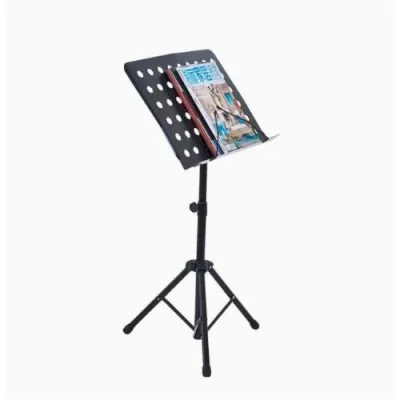
The foundation of any reliable piano score stand lies in its base design, which directly impacts how well the stand handles heavy music books without tipping over. Tripod bases are highly common and offer excellent stability by spreading the weight across three legs, making them ideal for uneven floors or carpeted practice rooms. However, the wide footprint of a tripod can present a tripping hazard in tight spaces, such as a compact home studio or a crowded stage.
For environments where floor space is limited, a flat plate base provides a low-profile alternative. These heavy metal plates sit flat on the floor, allowing you to slide the stand closer to your piano bench or keyboard frame without obstructing your feet or pedals. While flat plate bases are exceptionally stable and minimize trip hazards, they are significantly heavier and less convenient to transport than folding tripod designs.
Products mentioned in this guide
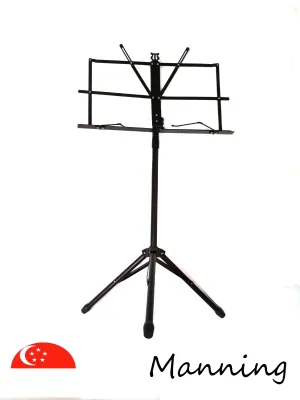
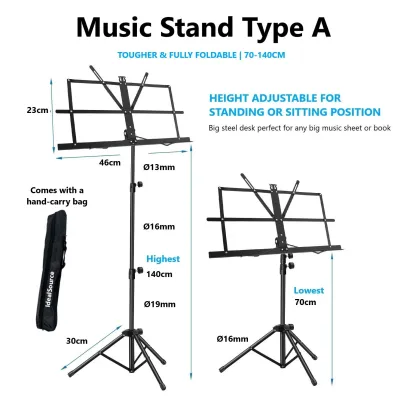
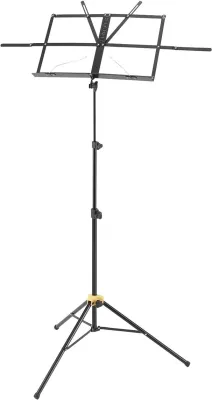
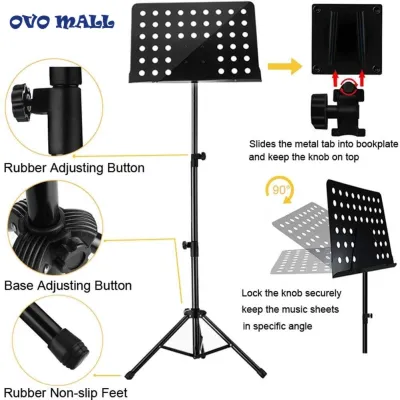
Prices are valid at publication and may change. Please refer to the product page for the latest price.
If you use a multi-tier keyboard stand or have a digital piano with limited floor clearance, a clamp-on mount offers a space-saving solution. These mounts attach directly to the frame of your keyboard stand or the edge of a desk, eliminating the need for a floor base entirely. Before choosing a clamp-on model, verify that the clamp opening matches the thickness of your keyboard frame or desk lip, and ensure the fastening mechanism is robust enough to prevent slipping under load.
Regardless of the base type you choose, look for stability features like thick rubberized feet to prevent the stand from sliding on slick tile or wooden floors. A low center of gravity is also crucial; stands with heavier base castings or thicker lower shafts are far less likely to wobble when you turn the pages of a thick songbook.
Verify Height and Angle Adjustments for Ergonomics
Proper ergonomics during practice sessions can prevent neck strain and back fatigue, making height and angle adjustability a primary consideration. Telescopic shafts allow you to raise or lower the music desk to align with your natural line of sight. Single-stage telescopic shafts feature one adjustment point and are suitable for seated players, while multi-stage shafts offer two or more adjustment points, providing the extended height range needed if you prefer to practice while standing.

The mechanism used to secure the height adjustment is just as important as the range itself. Friction-lock collars and screw-tightened knobs are common, but they require firm tightening to prevent the upper shaft from slowly sliding down under the weight of heavy binders. For maximum security, look for stands that feature safety locking pins that slide through pre-drilled holes in the shaft, physically preventing the stand from collapsing.
Adjusting the angle of the music desk is equally vital for reducing glare from overhead lights and ensuring clear visibility. Simple knob-tightened tilt mechanisms rely on friction to hold the desk in place, which can wear out over time and cause the desk to droop when holding heavy anthologies. Ratchet-style tilt mechanisms, which use interlocking teeth, offer a much more secure hold because they lock into discrete angles and cannot slip under heavy loads.
Before making a purchase, measure your seated eye level from the floor and compare it to the stand’s specified height range. Ensure the minimum height is low enough to position the score just above your keyboard keys if you are using a low-profile digital piano, and check that the maximum height accommodates your posture if you plan to play while standing or conducting.
Balance Material Durability with Portability Needs
Selecting the right material for your piano score stand involves finding a balance between long-term durability and the practicalities of transport. Heavy-duty steel stands offer the highest load capacity and exceptional resistance to bending or denting, making them the preferred choice for permanent home setups, schools, and professional studios. The trade-off is their weight, which can make them cumbersome to carry to rehearsals or gigs.
For musicians on the move, aluminum stands provide a lightweight alternative that significantly reduces the burden of transport while maintaining respectable structural integrity. While aluminum is highly resistant to rust and easy to carry, it is more susceptible to bending under extreme pressure compared to steel. Molded plastic desks are sometimes paired with metal shafts to save weight, but you must inspect the joint connections carefully, as cheap plastic fittings can crack under stress.
If portability is a priority, examine how the stand folds down and check its collapsed dimensions. Some professional stands feature a fully detachable desk and a folding base that pack flat, while highly portable travel stands fold into a single, compact bundle. Ensure the folding joints operate smoothly without binding, and look for metal locking pins rather than plastic clips to secure the folding legs.
When evaluating portable options, check if the manufacturer includes a dedicated carrying bag or offers one as a compatible accessory. A high-quality bag with padded lining, durable zippers, and a reinforced shoulder strap protects the stand from scratches and prevents it from damaging other gear during transport.
Identify Useful Add-ons and Desk Extensions
Beyond the core structure, secondary features and accessories can greatly improve how you manage your sheet music during daily practice and performances. The width of the music desk determines how many pages you can display side-by-side. If you frequently play multi-page orchestral scores or wide landscape-format sheets, look for a desk with sliding or folding extensions that expand the support surface when needed and retract for easy storage.
Keeping your pages flat and secure is another common challenge, especially in drafty rooms or outdoor performance spaces. Spring-loaded page holders built into the lip of the desk are highly effective at holding thick books open, though they should have rubberized tips to avoid tearing the paper. Alternatively, a solid steel desk allows you to use magnetic clips, which offer flexible placement options for securing loose sheets without blocking your view of the notes.
A built-in utility tray or pencil shelf is a simple but highly practical addition to any music desk. Having a dedicated space to keep pencils, highlighters, and a tuning device or metronome within arm’s reach keeps your piano top clutter-free and prevents tools from rolling away.
While these add-ons are highly convenient, consider whether they add unnecessary bulk or complicate the folding process if you need to travel frequently. For a stationary home stand, prioritize a wide, solid desk with a deep lip; for a travel stand, opt for lightweight, integrated wire page keepers that fold flat against the frame.
Match Stand Features to Your Playing Environment
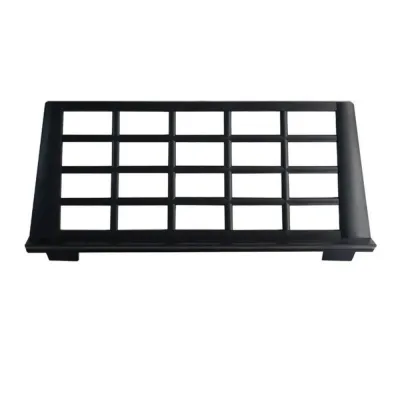
To make the right choice, align the stand’s specifications with your primary playing environment and setup. If you play an acoustic upright piano, you likely already have a built-in music rest, but a separate floor stand can be useful if you need to position scores at a different height or angle. For home digital pianos that lack a sturdy music rest, a heavy-duty flat-plate floor stand or a secure clamp-on mount offers the cleanest look and the best stability.
For gigging musicians and students traveling to lessons, a lightweight aluminum tripod stand that folds down completely is the most practical choice. When shopping on online marketplaces, pay close attention to user reviews regarding joint stiffness, wobble, and the durability of the tightening knobs.
Avoid stands that rely heavily on thin plastic joints at high-stress points, such as the base collar or the desk tilt mechanism, as these are common failure points. If reviews frequently mention that the tilt mechanism slips under the weight of a standard binder, treat that as a clear stopping condition and look for a model with a reinforced ratchet or a heavy-duty metal clamp.
Frequently Asked Questions (FAQ)
Can I use a standard microphone stand for my sheet music?
You can adapt a standard microphone stand for sheet music, but you will need a compatible score desk attachment or a boom arm with matching thread sizes. Keep in mind that lightweight microphone stands are designed to support the weight of a mic, not heavy music books. Mounting a wide, heavy score desk on a standard mic stand can easily throw off the center of gravity, increasing the risk of the stand tipping over and damaging your instrument.
How do I prevent my score stand from slipping when holding thick books?
If your music desk slowly tilts downward under the weight of thick books, first check that the tilt adjustment knob is fully tightened. If the friction joint continues to slip, you can place a small piece of non-slip silicone grip tape or a rubber washer inside the joint mechanism to increase friction. For a permanent solution, consider upgrading to a stand with a ratchet-style tilt mechanism that locks mechanically rather than relying solely on friction.
Community discussion
Share your experience or ask a question. Comments are reviewed before publication.