
Learning to play the piano as an adult is an incredibly rewarding self-improvement hobby. In Singapore, many adult beginners take up the instrument to unwind after a busy workday, often practicing on space-saving digital pianos in their HDB apartments. While classical music has traditionally been the default starting point for piano education, pop music offers a highly motivating alternative. Playing familiar melodies allows you to connect with the music immediately, keeping your practice sessions engaging and enjoyable.
However, finding the right learning resource is not as simple as ordering a top-rated book on an online marketplace. A book that works well for one learner might feel frustratingly slow or overly complex for another. To choose the most suitable pop music piano book, you must evaluate how its teaching methodology, notation style, and song selection align with your personal learning pace, musical goals, and practice environment. By focusing on these structural elements, you can select a book that supports your self-study journey and helps you build solid musical foundations.
What Makes a Pop Piano Book Suitable for Adult Beginners?
Adult learners have distinct cognitive advantages and physical limitations compared to children. While children often learn through repetitive physical drills and simple nursery rhymes, adults can grasp complex theoretical concepts, such as harmony and chord structures, much faster. However, adult fingers may take longer to develop flexibility and muscle memory. Therefore, a suitable pop piano book for adults must leverage these cognitive strengths while accommodating a gradual physical progression.
Products mentioned in this guide
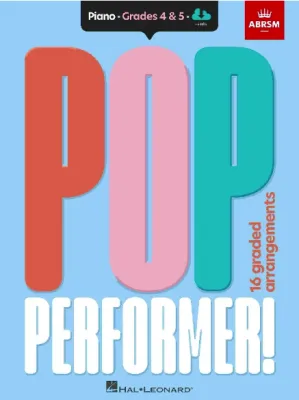
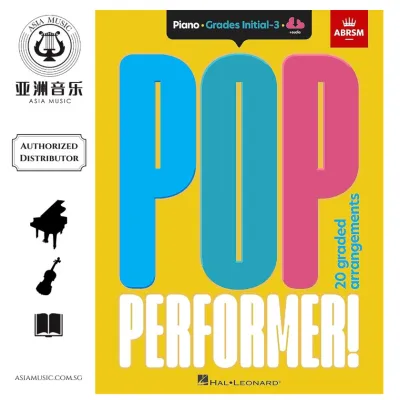






Prices are valid at publication and may change. Please refer to the product page for the latest price.
Traditional piano methods focus heavily on sight-reading, requiring you to read individual notes on both the treble and bass clefs simultaneously from the very beginning. This approach can feel tedious and slow for adults who want to play recognizable tunes quickly. In contrast, many modern pop piano books utilize a chord-based learning approach. This method teaches you to read a simple melody line with your right hand while playing structured chord patterns with your left hand. Learning chords allows you to understand the underlying structure of pop songs, making it easier to play a wide variety of music in a shorter amount of time.
The selection of songs within a book plays a crucial role in maintaining your motivation. When you practice a song you already know—whether it is a classic pop ballad, a modern radio hit, or a Mandopop favorite popular in Singapore—your brain already understands the rhythm, tempo, and phrasing. This pre-existing familiarity acts as an immediate feedback loop, helping you identify and correct mistakes in your playing without relying constantly on a teacher. It also makes the repetitive nature of practice feel less like a chore and more like a creative outlet.
Pacing and layout are also critical factors for busy adults who must balance piano practice with work and family commitments. A well-designed adult beginner book features clear, bite-sized lessons that can be completed in short, focused sessions of 15 to 30 minutes. The visual layout should be clean and uncluttered, with large, readable musical staves and minimal distractions on the page. This allows you to make meaningful progress even if you only have time to practice a few nights a week.
Essential Musical and Layout Features to Evaluate
When browsing for a pop music piano book, it is important to look beyond the cover and examine the actual musical notation and layout. Different publishers use varying notation styles, and choosing the right one depends on how you want to play. The two primary notation styles found in pop piano books are lead sheets and fully written-out accompaniments.

A lead sheet is a simplified form of notation that presents only the melody line, the lyrics, and chord symbols printed above the staff. This format is highly versatile, as it teaches you how to interpret chord symbols and improvise your own left-hand accompaniments. However, if you prefer a more structured approach where every single note is clearly defined, you should look for fully written-out arrangements on the grand staff. For absolute beginners, a hybrid style—simplified grand staff arrangements that include chord symbols—is often a highly effective choice, as it helps you build sight-reading skills while teaching you chord theory.
Fingering suggestions and hand position guides are indispensable tools for self-directed learners. Without a teacher to guide your hand placement, it is easy to develop inefficient habits that slow down your progress. Look for books that include small numbers (1 through 5) printed near the notes to indicate which finger to use. A good beginner book will also feature hand position diagrams at the start of each piece, showing you exactly where to place your hands on the keyboard before you begin playing.
Progressive difficulty scaling is another essential feature to verify. The book should start with very simple arrangements that keep your hands in a fixed position, using basic rhythms like whole notes and half notes. As you progress through the chapters, the arrangements should gradually introduce hand shifts, finger tucks, and more complex rhythmic patterns, such as eighth notes and syncopation. This gradual increase in difficulty prevents you from feeling overwhelmed and ensures that you build your skills step-by-step.
Many modern pop piano books also offer digital integration, providing access to audio backing tracks or companion apps via QR codes or web links. Playing along with a backing track is an excellent way to develop a steady sense of rhythm and timing, as it simulates the experience of playing in a band. Before purchasing a book with digital features, verify whether these audio tracks are included in the purchase price or require an additional subscription, and check if there are any regional restrictions that might limit access in Singapore.
Choosing the Right Format: Print, Digital, and Interactive
The medium you choose for your sheet music can significantly impact your daily practice routine. Physical print books remain a popular choice for many piano students, offering a tactile experience that is free from digital distractions. When evaluating physical books, pay close attention to the binding. Standard softcover books with glued spines often refuse to stay open on a music stand, requiring you to use heavy page clips or bend the spine, which can damage the book over time. Books with spiral binding, comb binding, or lay-flat designs are much more practical, as they sit perfectly flat on your piano’s music rest.
Digital sheet music has become increasingly popular among Singaporean adult learners, especially those who prefer to keep their living spaces organized and clutter-free. Using a tablet to store your music library allows you to carry hundreds of songs in a single, lightweight device. Digital formats also make it easy to zoom in on difficult measures and use digital pens to write temporary annotations. However, you must consider the size of your tablet screen; a screen that is too small can cause eye strain during long practice sessions. Additionally, glossy tablet screens can catch reflections from overhead lights, so you may need to adjust your lighting setup or use an anti-glare screen protector.
If you decide to purchase a digital book or an interactive sheet music subscription, it is crucial to verify device compatibility and access terms. Some interactive platforms require specific operating systems or tablet models to run their companion apps. You should also check whether your purchase grants you permanent ownership of the digital files or if it is a time-limited license that will eventually expire. Understanding these technical details beforehand will prevent unexpected disruptions to your learning momentum.
Building a Condition-Based Shortlist for Your Goals
To find the most suitable pop piano book for your needs, you should create a personalized shortlist based on your specific musical goals and current skill level. Start by defining what you want to achieve. If your primary goal is to sing along while playing, focus on books that emphasize chord progressions, keyboard geography, and vocal accompaniment patterns. If you prefer to play solo instrumental versions of pop songs where the piano plays the vocal melody, look for books specifically labeled “easy piano solo” or “instrumental pop arrangements.”
Before making a purchase, always verify the actual song list and the complexity of the arrangements. Many publishers allow you to preview the table of contents and a few sample pages online. Use this opportunity to check the key signatures of the songs. Beginner-friendly arrangements are typically written in keys with few or no sharps and flats, such as C major, G major, or F major. Avoid books that feature songs in complex keys with multiple accidentals, as these can be highly discouraging for a beginner who is still learning to navigate the keyboard.
Finally, consider the long-term viability of the book or series you choose. Learning the piano is a continuous process of self-improvement, and you will eventually outgrow your first beginner book. Choosing a book that is part of a well-established, multi-level publisher series ensures a smooth transition to more advanced material. A structured series will gradually introduce new techniques and more complex arrangements in subsequent volumes, allowing you to build on your existing skills without having to adapt to an entirely new teaching methodology.
Frequently Asked Questions (FAQ)
Do I need to learn classical piano before playing pop music?
No, you do not need to study classical piano before learning to play pop music. While classical training provides a strong foundation in finger independence and sight-reading, it is not a prerequisite for enjoying pop music. Pop piano relies on a different set of skills, focusing heavily on chord patterns, rhythm, and lead-sheet interpretation. Starting directly with a pop-focused beginner book allows you to learn these specific skills immediately, helping you play the music you love much faster while still building essential keyboard techniques.
How can I verify if a book's arrangements match my current skill level?
You can verify the difficulty of a book’s arrangements by previewing sample pages online or in a local bookstore. Look for key signatures with one or zero sharps or flats, as these are much easier for beginners to read. Check the rhythm of the pieces; beginner arrangements should primarily feature whole notes, half notes, and quarter notes, with minimal syncopation or rapid sixteenth-note patterns. Additionally, ensure that the left-hand part consists of simple, repetitive patterns or basic block chords rather than fast, leaping basslines.
Are digital books with backing tracks better for self-study?
Digital books with backing tracks are highly beneficial for self-study, but they should be used mindfully. The main advantage of practicing with a backing track is that it helps you develop a strong, steady sense of rhythm and prevents you from pausing when you make a mistake. However, a potential drawback is that beginners can easily become reliant on the audio, playing by ear rather than actively reading the sheet music. For the most effective learning experience, practice reading and playing the notes slowly on your own first, and then use the backing tracks to refine your timing and tempo.
Community discussion
Share your experience or ask a question. Comments are reviewed before publication.