
Selecting the right primary school English dictionary is a foundational step in supporting your child’s language development. The right reference tool must bridge the gap between a child’s current reading ability and the vocabulary demands of their school curriculum. Choosing a book that is too advanced can lead to frustration, while an overly simplistic option will fail to challenge them or support their homework needs.
To make an effective choice, parents should evaluate dictionaries based on vocabulary range, definition complexity, and format usability. By aligning these features with your child’s specific primary school grade, you can transform a simple reference book into an active learning companion that builds confidence and independent study habits.
Understanding Dictionary Features by Primary Level
Primary education spans a period of rapid cognitive and linguistic growth, meaning a single dictionary cannot serve a child adequately from their first day of school to graduation. Dictionaries designed for the early years of primary school focus heavily on visual engagement and foundational literacy. These editions often feature vibrant illustrations, large fonts, and a curated selection of high-frequency sight words that children encounter in early readers.
Products mentioned in this guide
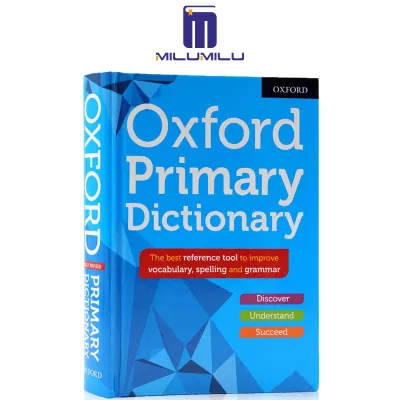
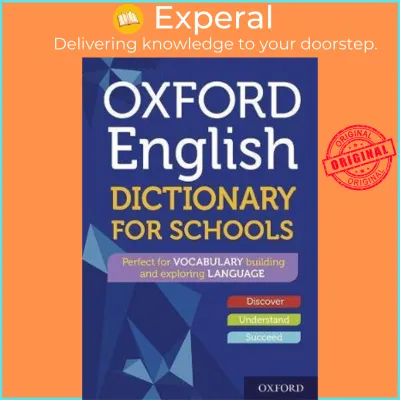
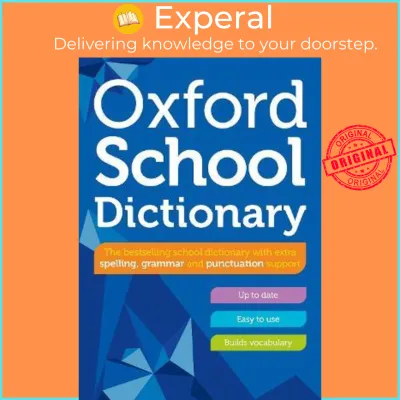
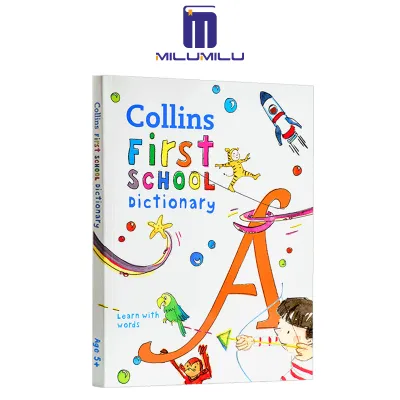
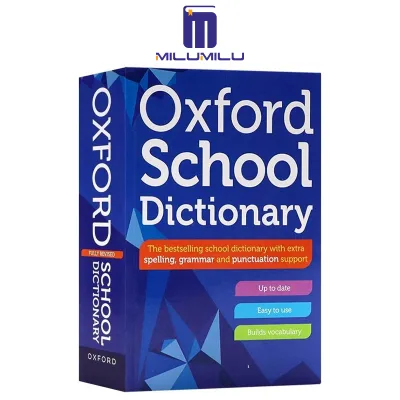

Prices are valid at publication and may change. Please refer to the product page for the latest price.
For lower primary students, picture dictionaries and phonics-focused references are highly beneficial. Rather than offering abstract textual definitions, these books define words through clear illustrations and simple, single-clause sentences. They also emphasize basic phonics patterns, helping young learners connect spoken sounds to written letters. The vocabulary range is intentionally limited to prevent cognitive overload, focusing instead on building a strong core vocabulary of everyday nouns, verbs, and adjectives.
As students transition into upper primary, their academic requirements shift from learning to read to reading to learn. Dictionaries for this stage transition away from illustrations toward text-based definitions. These intermediate editions feature a significantly broader vocabulary range to support more complex reading assignments and writing tasks. They introduce essential grammatical information, such as parts of speech, plural forms, and tense variations, helping students understand how words function within sentences.
Furthermore, upper primary dictionaries place a strong emphasis on contextual example sentences. These examples demonstrate how words are used in natural, grammatically correct contexts, which is crucial for vocabulary retention and proper usage in school compositions. To verify if a dictionary is suitable for your child’s level, always check the publisher’s stated age or grade recommendation, which is typically printed on the back cover or detailed in the online product description. These guidelines provide a reliable starting point, though you should also flip through the pages to assess if the language matches your child’s current reading comfort level.
Key Criteria for Evaluating a Primary School English Dictionary
When evaluating a primary school English dictionary, the first and most critical factor to consider is vocabulary range and its alignment with the local school curriculum. A dictionary that aligns well with general primary standards ensures that your child can easily look up spelling lists, comprehension vocabulary, and writing prompts assigned in class. Look for editions that explicitly state they are designed for primary school curricula, as these are more likely to include the specific academic vocabulary required for school assessments.

Readability is another essential criterion that directly impacts how often your child will use the book. For younger readers, a clean layout with generous spacing, clear column divisions, and a legible, child-friendly font size is vital. If the text is too dense or the font is too small, children may struggle to track lines, leading to eye strain and frustration. The definitions themselves must use simple, accessible language; a good rule of thumb is that the words used in a definition should be easier to understand than the word being defined.
Beyond basic definitions, high-quality primary dictionaries offer supplementary learning tools that enrich a child’s language skills. Look for features such as clear pronunciation guides—ideally using simple phonetic spelling rather than complex international phonetic symbols that young children have not yet learned. Sections dedicated to synonyms and antonyms are incredibly valuable for upper primary students looking to vary their vocabulary in creative writing. Additionally, usage notes that explain common spelling traps, homophones, and grammatical exceptions help prevent common writing errors before they become ingrained habits.
Print vs. Digital Dictionaries for Primary Students
Deciding between a traditional print dictionary and a digital alternative involves weighing educational benefits against convenience and household screen time preferences. Print dictionaries offer distinct cognitive advantages for young learners. The physical act of turning pages and scanning columns fosters tactile learning and spatial memory, helping children remember where a word is located on a page. This physical engagement often leads to accidental discovery, where a child searches for one word and naturally encounters other interesting words nearby, expanding their vocabulary organically.
Moreover, print dictionaries provide a focused, distraction-free learning environment. When a child opens a physical book, there are no notifications, games, or internet links to divert their attention from their homework. This helps build sustained attention spans and deep concentration habits that are essential for academic success. For many families, keeping study times entirely screen-free is a priority, making a high-quality print dictionary the preferred choice for the home study desk.
On the other hand, digital dictionaries and approved educational apps offer modern conveniences that can streamline the learning process. The most significant advantage of digital formats is the inclusion of audio pronunciation guides, allowing children to hear words spoken clearly by native speakers. Digital search functions are also incredibly fast, which can be helpful when a child is working through a long reading assignment and needs quick clarifications.
If you decide to incorporate digital options, it is essential to perform a few verification steps before downloading or purchasing. Check the device compatibility to ensure the app runs smoothly on your child’s tablet or computer. Verify whether the tool offers complete offline access, which prevents children from browsing the internet while using the dictionary. Finally, review any subscription requirements or in-app purchase structures to avoid unexpected recurring fees, and ensure the app is entirely free from third-party advertisements that could compromise your child’s online safety.
How to Introduce and Use the Dictionary Effectively
Owning a dictionary is only the first step; teaching your child how to navigate it independently is what unlocks its true educational value. For print dictionaries, start by teaching foundational navigation skills, beginning with a solid understanding of alphabetical order. You can practice this through simple games, such as asking your child to arrange household items or book titles alphabetically. Once they master the alphabet, introduce them to the concept of thumb-indexing and show them how to use the guide words printed at the top of each page to quickly locate the correct section.
To build familiarity and confidence, set up short, guided practice sessions during daily reading or homework time. Instead of immediately giving your child the definition of an unfamiliar word, encourage them to look it up themselves while you guide them through the steps. Keep these early sessions brief and positive, celebrating their success when they find a word independently. Over time, this guided practice will transition into an automatic habit, reducing their reliance on parental help during homework.
As your child progresses through primary school, keep an eye out for indicators that they have outgrown their current dictionary. If they frequently look up words from their school reading assignments only to find they are not listed, or if they find the definitions in their picture dictionary too simplistic to help with their writing, it is time for an upgrade. Transitioning to a more advanced edition at the right moment ensures their reference tools continue to challenge and support their growing academic needs.
Frequently Asked Questions (FAQ)
Should I buy a bilingual or monolingual English dictionary for my child?
The choice between a bilingual and a monolingual dictionary depends largely on your child’s current language proficiency and learning goals. Bilingual dictionaries, which provide translations alongside definitions, are highly supportive for early learners or students transitioning from another primary language to English-medium instruction. They help build immediate comprehension and reduce anxiety by connecting new English words to familiar concepts in their native tongue. However, as your child enters upper primary, transitioning to a monolingual English dictionary is highly recommended. Monolingual dictionaries encourage immersive thinking, help children understand nuances in English vocabulary, and build the advanced comprehension skills required for higher-level academic writing.
How often should I update or replace my child's primary school dictionary?
Generally, a child will need at least one major dictionary upgrade during their primary school years, typically around the transition from lower to upper primary (around age nine or ten). You should replace the dictionary when the vocabulary range no longer covers their school assignments or when the layout and definition style feel too childish for their reading level. It is also wise to check for updated editions every few years to ensure the reference material reflects modern usage guidelines and curriculum standards. When your child prepares to transition to secondary school, planning an upgrade to a comprehensive secondary or adult-level dictionary will ensure they are fully equipped for the more rigorous academic demands ahead.

Community discussion
Share your experience or ask a question. Comments are reviewed before publication.