
Selecting your first musical instrument is an exciting milestone, but navigating the vast array of options can feel overwhelming. For beginners in Singapore, the concert ukulele stands out as an exceptionally balanced starting point. It offers a comfortable physical size, a rich acoustic voice, and a relatively gentle learning curve compared to other stringed instruments. However, finding a reliable instrument involves looking beyond aesthetics to evaluate structural integrity, playability, and suitability for the local climate.
By understanding what makes a quality instrument and knowing how to inspect one, you can make an informed purchase that supports your musical journey for years to come. This guide outlines the essential criteria for choosing a reliable concert ukulele brand, focusing on material choices, hardware quality, local retail options, and practical budgeting strategies tailored to the Singapore market.
What Makes a Concert Ukulele Ideal for Beginners?
The concert ukulele represents the ideal middle ground in the ukulele family, sitting comfortably between the smaller soprano and the larger tenor sizes. A standard concert ukulele features a scale length—the distance from the nut to the saddle—of approximately 15 inches (38 cm), with an overall instrument length of about 23 inches. This specific sizing provides a larger fretboard with wider fret spacing than a soprano, making it significantly easier for beginners to place their fingers accurately without accidentally muting adjacent strings.
Products mentioned in this guide

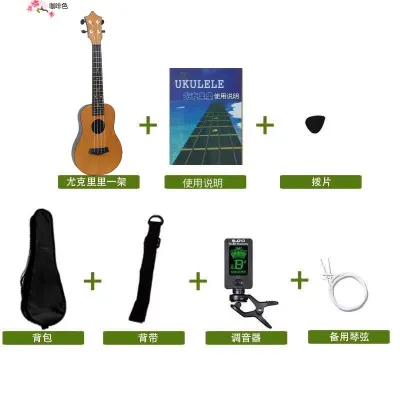
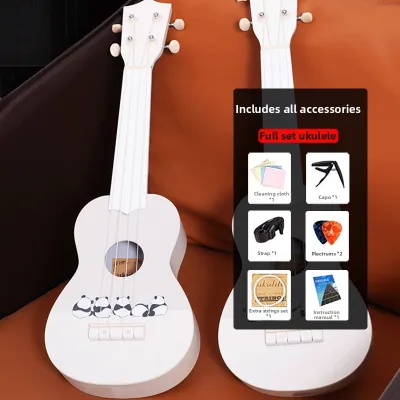
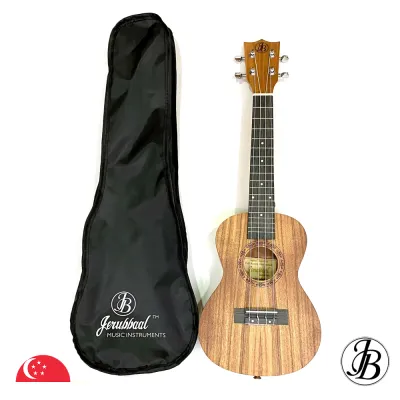
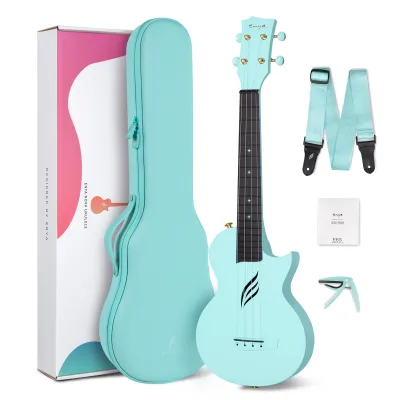
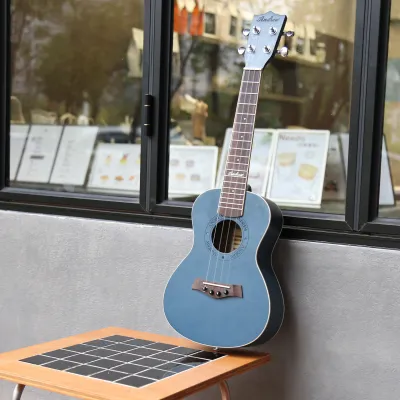
Prices are valid at publication and may change. Please refer to the product page for the latest price.
Beyond physical comfort, the larger body cavity of a concert ukulele provides a noticeable boost in sound projection and acoustic resonance. It produces a warmer, deeper, and more rounded tone than the bright, traditional sound associated with soprano models. This extra volume and sustain can be highly encouraging for new players, as it makes simple chords sound fuller and more satisfying.
For a beginner, the physical playability of the instrument is far more critical than cosmetic embellishments. A reliable entry-level brand must deliver an instrument with a comfortable neck profile and a well-balanced body that does not feel neck-heavy when held. If an instrument is awkward to hold or requires excessive effort to play, a beginner is much more likely to lose interest and give up.
The factory setup is the single most important factor determining this playability. Setup refers to how the instrument is adjusted at the factory, specifically the “action”—the height of the strings above the fretboard. If the action is too high, pressing the strings down requires painful finger pressure, which quickly leads to hand fatigue and poor intonation, where chords sound out of tune even if the open strings are perfectly tuned. Conversely, if the action is too low, the strings will rattle against the frets, causing an irritating fret buzz. A reputable brand maintains strict quality control to ensure their instruments leave the factory with a balanced, highly playable setup.
Key Build Features to Look for in Entry-Level Brands
When evaluating different ukulele brands, understanding the materials and construction methods used will help you identify instruments built to last. The choice of tonewood is the most significant factor affecting both the sound and the durability of the ukulele. For beginners in Singapore, the primary decision is between laminate wood and solid-top construction.

Laminate wood consists of multiple thin layers of wood bonded together under heat and pressure. While purists often favor solid wood for its superior resonance, high-quality laminate is exceptionally durable and highly resistant to environmental changes. Singapore’s tropical climate features high relative humidity, often averaging over 80 percent, alongside rapid temperature shifts when moving between air-conditioned indoor spaces and humid outdoor environments. Laminate bodies resist warping, swelling, and cracking under these conditions, making them an incredibly practical and low-maintenance choice for new players.
Solid-top ukuleles feature a soundboard made from a single piece of natural wood (often spruce, mahogany, or cedar), while the back and sides are typically made of laminate. This hybrid construction offers a middle ground, providing the richer, more complex tone of solid wood while keeping the instrument relatively affordable and durable. However, solid-top instruments require more careful humidity management to prevent the wood from warping or splitting over time.
The hardware installed on the ukulele directly impacts its tuning stability. Beginners should look for brands that use geared tuning machines rather than traditional friction pegs. Geared tuners, which feature visible gears on the back of the headstock (typically with a 14:1 gear ratio), allow for precise adjustments and hold string tension reliably. Sealed geared tuners are particularly beneficial in Singapore, as the enclosed mechanism protects the gears from dust, sweat, and humidity-induced corrosion. Additionally, inspect the bridge construction; whether the brand uses a tie-bar bridge or a pin bridge, the bridge must be seamlessly and securely glued to the body without any visible gaps or lifting.
The quality of the fretwork and the neck profile are excellent indicators of a brand’s manufacturing standards. Run your fingers gently along both sides of the fingerboard; the metal fret ends should feel smooth and flush with the wood. Sharp, protruding fret ends are a sign of poor craftsmanship or wood shrinkage. The neck should have a comfortable profile—typically a shallow C-shape—that fits naturally in your hand, and it should be straight with a very slight, almost imperceptible upward curve (known as neck relief) to allow the strings room to vibrate without buzzing.
Many beginner-focused brands offer their instruments as part of a starter bundle. While these bundles can provide excellent value, it is important to assess the quality of the included accessories. A padded gig bag with at least 5mm of foam padding is essential for protecting your instrument from scratches and minor impacts during commutes on public transport. A reliable clip-on chromatic tuner is another valuable inclusion, though high-quality free tuning apps are readily available for smartphones.
Evaluating Brand Reputation and After-Sales Support
A brand’s reputation is built on consistent manufacturing quality and the level of support they offer to their customers after the purchase. When researching ukulele brands, look into the warranty terms they provide. A reputable brand typically offers a limited warranty, often lasting one year, which covers manufacturing defects such as glue joint failures, lifting bridges, or internal bracing issues. Be sure to read the warranty details, as they almost never cover damage caused by accidental drops, exposure to extreme temperatures, or neglect of humidity control.
The availability of replacement parts is another key consideration for long-term ownership. Over time, components like the plastic or bone nut and saddle, tuning pegs, or bridge pins may wear down or become damaged. Brands that use standardized, widely compatible dimensions make it much easier for you to source replacement parts from local music shops or online specialty retailers without needing custom luthier work.
Furthermore, reliable beginner-friendly brands often invest in supporting their community of players. Many established brands provide free educational resources, such as online chord charts, interactive tuning tools, mobile apps, or structured video tutorials designed specifically for absolute beginners. This additional support can be incredibly helpful in guiding you through your first few weeks of practice, helping you build confidence and maintain your motivation.
Buying and Inspecting Your Instrument in Singapore
While purchasing a ukulele online offers convenience and often a wider selection, buying from an established physical music store in Singapore provides several distinct advantages. Visiting a physical store allows you to hold different models, feel the neck profiles, and hear the acoustic tone of the instruments in person. Furthermore, specialty music retailers often employ knowledgeable staff who can guide your choice and, crucially, perform a basic inspection and setup of the instrument before you take it home.
If you decide to purchase your instrument in person, use this physical inspection checklist to ensure you are getting a high-quality, defect-free ukulele:
- Check the Neck Alignment: Hold the ukulele at eye level and look down the edge of the fingerboard from the headstock toward the body. The neck should be straight and free of any twisting or warping.
- Test for Fret Buzz: Play every single note on every string, moving fret by fret up the neck. Listen closely for any buzzing, rattling, or dead notes where the string contacts a fret prematurely.
- Inspect the Bridge: Examine the seam where the wooden bridge meets the body of the ukulele. There should be no visible gaps, lifting, or dried glue residue. You can try to gently slide a thin piece of paper under the edges of the bridge; if the paper slides underneath, the bridge is lifting and the instrument should be avoided.
- Examine the Body and Joints: Look closely at all seams where the top, back, and sides meet. Check for hairline cracks in the wood or finish, and gently tap the body with your knuckles to listen for any loose internal braces, which will produce a hollow, rattling sound.
When shopping through online marketplaces, extra caution is required to avoid counterfeit instruments or poor-quality replicas. Stick to official brand storefronts or authorized local dealers who list their physical store locations and contact details. Be skeptical of prices that are significantly lower than the standard retail average, and always read customer reviews, paying close attention to feedback regarding packaging quality and shipping damage.
Before finalizing your purchase, clarify the retailer’s return and exchange policies. A reliable seller should offer a clear return window (typically 7 to 14 days) for manufacturing defects. If buying from a physical store, do not hesitate to ask if they can adjust the action or check the intonation for you as a complimentary service. Many local shops are happy to perform these minor adjustments to ensure their customers start with a perfectly playable instrument.
Setting a Realistic Budget for Your First Instrument
Setting a realistic budget is about balancing affordability with structural quality. While it can be tempting to purchase the cheapest instrument available, ultra-budget ukuleles often suffer from poor quality control, unstable tuning, and high action, which can make learning frustrating and painful.
Understanding the general price tiers in Singapore can help you align your expectations:
- The Budget Tier (Under S$80): Instruments in this range are almost exclusively made of basic laminate wood with painted or simple satin finishes. While highly affordable, quality control can be inconsistent. These instruments are suitable for casual trial, but require careful physical inspection before purchase.
- The Mid-Range Tier (S$80 to S$200): This is the recommended sweet spot for most beginners. In this range, you will find high-quality laminate instruments from reputable brands featuring reliable geared tuners, smooth fretwork, comfortable setups, and often a decent padded gig bag. These instruments offer excellent durability and a pleasant tone that will satisfy you as your skills develop.
- The Premium Beginner Tier (S$200 to S$350): At this level, you can find solid-top ukuleles or instruments made from premium laminate tonewoods (such as exotic mahogany or acacia). These instruments offer superior acoustic resonance, richer tone, and more refined cosmetic details, making them excellent long-term investments for dedicated learners.
When planning your budget, remember to account for potential hidden costs that are essential for maintaining your instrument. Upgrading the factory strings to a premium set of fluorocarbon strings (typically costing S$10 to S$20) can dramatically improve both the tone and the playability of a mid-range ukulele.
Given Singapore’s high humidity, investing in basic climate control is highly recommended. A simple silica gel pack or a small, reusable instrument dehumidifier (costing S$15 to S$30) placed inside your gig bag will help absorb excess moisture and protect the wood and glue joints from softening. Finally, if your chosen ukulele does not come as part of a bundle, budget an additional S$15 to S$30 for a digital clip-on tuner and a microfiber cleaning cloth to keep your instrument in optimal playing condition.
To maximize the value of your initial investment, avoid paying extra for built-in electronics, such as pickups and preamps, unless you have an immediate need to plug into an amplifier. For a beginner, every dollar of your budget is best spent on the acoustic build quality, structural stability, and playability of the physical instrument.
Frequently Asked Questions (FAQ)
Is a concert ukulele better than a soprano for beginners?
A concert ukulele is generally considered better than a soprano for most beginners, particularly teens and adults. While the soprano is the traditional, highly portable size, its short 13-inch scale length results in very tight fret spacing that can feel cramped and difficult to navigate for larger hands. The concert size, with its 15-inch scale length, provides wider frets that allow for cleaner chord fingerings and fewer accidental string mutes. Additionally, the larger body of the concert ukulele produces a louder, warmer, and more resonant sound with better sustain, making it a more versatile and satisfying instrument to play.
Do I need a solid wood ukulele as a beginner?
No, you do not need a solid wood ukulele as a beginner, and in Singapore’s humid climate, a high-quality laminate instrument is often the more practical and durable choice. Laminate wood is constructed from layered sheets of wood bonded together, making it highly resistant to the warping, swelling, and cracking caused by high humidity and rapid temperature changes. Solid wood instruments are highly sensitive to environmental fluctuations and require strict humidity control to prevent structural damage. Modern high-quality laminates offer excellent tone, outstanding durability, and affordable pricing, allowing you to focus on learning without the worry of intensive instrument maintenance.
How often should I change the strings on a new ukulele?
On a brand-new ukulele, the factory-installed strings will require an initial break-in period of one to two weeks. During this time, the strings will stretch continuously and go out of tune frequently, which is entirely normal and does not indicate a defect. For regular players practicing a few times a week, strings should typically be replaced every six to twelve months. You should change your strings sooner if you notice physical signs of wear, such as fraying, deep grooves worn into the strings over the frets, a dull or muddy tone, or if the instrument begins to have difficulty holding its tune even after the strings have been fully stretched.
Community discussion
Share your experience or ask a question. Comments are reviewed before publication.