
Selecting a steel tongue drum that replicates the soothing, organic texture of falling rain requires a close look at the instrument’s physical and acoustic properties. While many drums are marketed generally for relaxation, achieving a true rain-like sound depends on specific design elements, including scale tuning, body dimensions, and material composition. By understanding how these factors interact, you can choose an instrument that delivers the precise auditory backdrop needed to deepen your meditation or sound therapy practice.
To find the right drum, you must look beyond aesthetic appeal and focus on how the physical structure shapes the sound waves. The ideal instrument for simulating water-like tones typically features a long-decaying sustain, high-frequency overtones, and a scale that prevents musical discord. Whether you are practicing mindfulness in a quiet room or leading a group sound bath, matching the drum’s specifications to your environment and goals is the key to a successful practice.
What Creates a Rain-Like Sound in Steel Tongue Drums?
The acoustic illusion of falling rain on a steel tongue drum is primarily driven by the scale tuning. Scales that eliminate dissonant intervals, such as major pentatonic, minor pentatonic, or specific Japanese scales like Akebono, are highly effective. Because these scales omit semitones, any combination of notes played in rapid succession or random order will sound harmonious. This lack of tension allows you to play intuitive, flowing patterns that mimic the natural, unpatterned rhythm of a rain shower without accidental discordant clashes.
Products mentioned in this guide

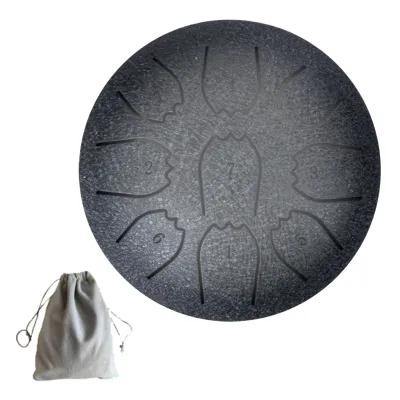
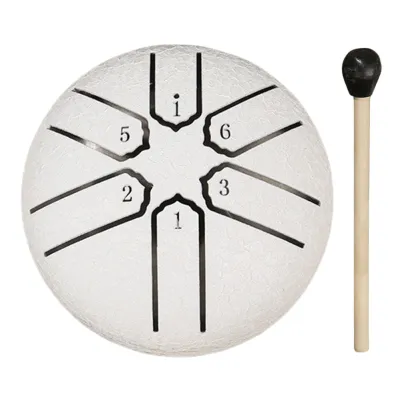

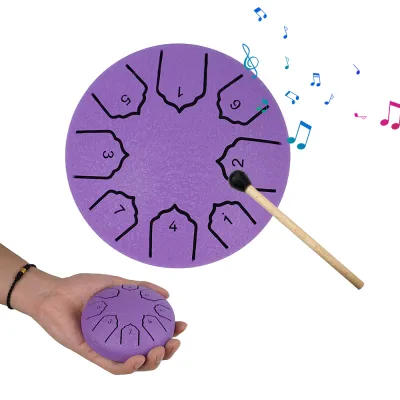
![[fedya]6Inch 8 Tone Hollow Drum Steel Tongue Drum Garden Rain Drum Steel Tongue Drum Outdoor Rain Drum Suitable for Beginners](https://img.lazcdn.com/g/p/e6e0b1e44f6d2c62784ee63211a42f7c.jpg_400x400q80.jpg_.webp)
Prices are valid at publication and may change. Please refer to the product page for the latest price.
Body diameter and depth play an equally critical role in shaping the overall texture of the sound. Larger drums, typically measuring 12 to 15 inches in diameter, possess a larger internal air chamber that amplifies lower frequencies. This creates a deep, resonant rumble reminiscent of a distant thunderstorm or heavy tropical rain. Conversely, smaller drums ranging from 6 to 10 inches produce higher-pitched, tighter frequencies. These compact instruments excel at mimicking the bright, crisp sound of a light drizzle or water droplets splashing onto leaves.
Finally, the tongue cutting patterns and the thickness of the metal determine the initial impact sound and the subsequent decay. The percussive “tick” heard when a mallet or finger strikes the metal tongue simulates the physical impact of a raindrop. If the metal is cut with precise, narrow gaps, it limits unwanted mechanical noise, allowing the pure tone to emerge. Thinner metal tongues vibrate more rapidly, producing higher-pitched overtones that shimmer, while thicker tongues offer a warmer, more grounded fundamental tone that sustains the atmospheric background.
Key Specifications to Check for Meditation Use
When browsing online marketplaces or specialty music shops, comparing physical specifications is the most reliable way to evaluate a drum’s potential sound quality. Size is the first major differentiator. Compact 6-inch to 8-inch models are highly portable and produce a bright, clear tone, but they often lack the deep bass resonance found in larger models. For a dedicated meditation space where deep, immersive soundscapes are preferred, a 12-inch or 14-inch drum is generally more suitable, as it provides a wider physical layout and a richer blend of overtones.

Material composition directly influences the warmth and sustain of the instrument. Most steel tongue drums are crafted from either carbon steel or stainless steel alloys. Carbon steel tends to produce a shorter decay with a warmer, earthier tone, which can make the rain sounds feel more grounded and localized. Stainless steel, on the other hand, offers a much longer sustain and a brighter, more vibrant resonance. This long decay is highly desirable for meditation, as the overlapping notes blend together to create a continuous, flowing wall of sound that masks ambient household noises.
In tropical climates with high relative humidity, the surface treatment of the drum is a vital specification to check. Untreated steel is highly susceptible to rust, which can degrade the sound quality and alter the tuning over time. Look for drums that feature protective surface treatments, such as electroplating, powder coating, or heat-nitriding. These protective layers shield the metal from moisture and sweat, ensuring the instrument maintains its visual appeal and acoustic accuracy over years of regular use.
Your choice of striking tool also dramatically alters the rain-like texture. Soft rubber or silicone mallets mute the sharp, percussive attack of the strike, emphasizing the deep, swelling resonance of the drum’s body. This is ideal for creating a soft, rolling storm effect. Harder mallets or finger picks highlight the immediate, crisp contact sound, making each strike sound like an individual, distinct water drop. Playing with bare fingers offers the most control over volume and expression, though it requires more practice to produce a consistent, clear tone.
Matching Drum Specifications to Your Meditation Style
To select the most appropriate steel tongue drum, you should align the instrument’s physical traits with your preferred style of meditation. If your practice centers on deep relaxation, yoga nidra, or grounding exercises, you will likely benefit from a “heavy rain” or “thunderstorm” sound profile. For this experience, seek out a larger drum, ideally 12 to 15 inches in diameter, tuned to a lower-pitch scale such as A minor or G major. The thicker metal and larger air chamber of these models produce deep, low-frequency vibrations that can be felt physically, helping to soothe the nervous system.
If your meditation style is focused on morning mindfulness, creative visualization, or gentle awakening, a “light drizzle” or “shimmering water drop” profile is often more effective. This soundscape is best achieved with a compact 6-inch to 10-inch drum tuned to a higher-pitch scale, such as C major or an Akebono scale. The shorter sustain and brighter pitch of these smaller models create an uplifting, clear atmosphere that encourages mental clarity and focus without overwhelming the room with heavy, vibrating bass frequencies.
For practitioners who travel or prefer to meditate outdoors, portability and environmental durability are the primary considerations. Carrying a heavy 12-inch steel drum to a local park or beach can be physically demanding. A lightweight 8-inch drum is much easier to transport in a backpack, though it will have less acoustic projection in open-air settings. When playing outdoors, you must also account for wind and ambient noise; a smaller drum may require the use of harder mallets to ensure the delicate rain-like tones remain audible over the rustle of trees and distant traffic.
Pre-Purchase Checks and Basic Maintenance
Before finalizing your purchase on any ecommerce platform, it is essential to verify the specific tuning standard of the drum. Most meditation instruments are tuned to either the standard 440Hz concert pitch or the alternative 432Hz frequency. The 432Hz tuning is highly popular among sound therapists and meditation practitioners, who find its slightly lower pitch to be more organic and relaxing. Ensure the product listing explicitly states the tuning frequency and the exact scale, and check that all essential accessories—such as a padded carrying bag, mallets, and a songbook—are included in the package.
Proper maintenance is crucial to preserving the delicate acoustic properties of your steel tongue drum. Because humidity can affect the tension and resonance of metal, store your drum in a dry, well-ventilated area away from direct sunlight and air conditioning vents. If you live in a highly humid region, placing a few silica gel packets inside the drum’s carrying bag is an easy and effective way to absorb excess moisture. After each playing session, wipe the surface of the drum with a dry microfiber cloth to remove oils and sweat left behind by your hands.
If you notice that a specific tongue sounds flat or out of tune, avoid attempting to bend or file the metal yourself. DIY tuning adjustments can easily cause permanent structural damage to the tongue, ruining the instrument’s harmonic balance and voiding any manufacturer warranties. Instead, consult the manufacturer’s care guidelines or contact a qualified local instrument technician. Often, minor tuning issues can be resolved safely by placing small, specialized magnets on the underside of the affected tongue, a non-destructive method that preserves the integrity of the steel.
Frequently Asked Questions (FAQ)
Can You Retune a Steel Tongue Drum for Rain Sounds?
Steel tongue drums are permanently cut and tuned during the manufacturing process, meaning you cannot easily retune them to a completely different scale after purchase. Attempting to physically alter the tongues by filing or bending the metal carries a high risk of permanently damaging the instrument and voiding the warranty. If you want to modify the tone to sound more like rain, it is safer to experiment with different striking techniques, use softer or harder mallets, or place a dampening cloth inside the drum’s central cavity to shorten the sustain and create a softer, more muted sound.
Does the Number of Tongues Change the Rain-Like Quality?
The number of tongues on a drum determines its musical range and the complexity of the soundscapes you can create. Drums with fewer tongues, such as 8-note models, offer a simpler, more focused layout that is highly intuitive and excellent for repetitive, hypnotic meditation loops. Drums with 11 to 15 tongues provide a wider range of notes, allowing you to play more complex, layered melodies that mimic the varied, shifting patterns of a diverse rain shower. However, more tongues also require a larger drum body to prevent the notes from bleeding into one another and causing unwanted acoustic clutter.
Community discussion
Share your experience or ask a question. Comments are reviewed before publication.