
Quick Answer: Core Features of a Beginner-Friendly Tarot Book
To start your tarot journey successfully, a beginner-friendly tarot guide book must act as an accessible roadmap rather than an overwhelming academic treatise. The ideal starter guide provides a clear, dual-layer breakdown of both the Major Arcana (the fool’s journey and major life themes) and the Minor Arcana (daily situations and elemental energies). It should feature step-by-step instructions for simple, low-card spreads—such as the classic three-card past, present, future layout—allowing you to practice immediately without getting lost in complex configurations.
Additionally, look for a book that includes a comprehensive glossary and a robust index, which are vital for quick reference when you are in the middle of a reading and need to verify a card’s meaning quickly. The teaching approach must strike a careful balance: it should offer traditional keyword meanings for quick recall while simultaneously teaching you how to develop your own intuitive connection to the imagery. This dual approach ensures you build a solid foundation without feeling restricted by rigid definitions.
Key Evaluation Criteria for Tarot Guide Books
Selecting the right guide requires looking beyond an attractive cover design to evaluate how the book actually delivers its lessons. A primary consideration is how the text balances rote keyword memorization with deep symbolic exploration. Books that rely solely on lists of keywords often leave readers feeling stranded when trying to string cards together into a cohesive story. Conversely, books that dive too deeply into esoteric kabbalistic or astrological associations right away can overwhelm a beginner. Look for chapters that explain the core narrative of each suit and the progression of numbers, which helps you understand why a card means what it does.
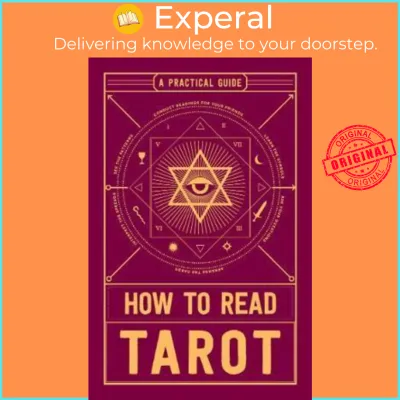
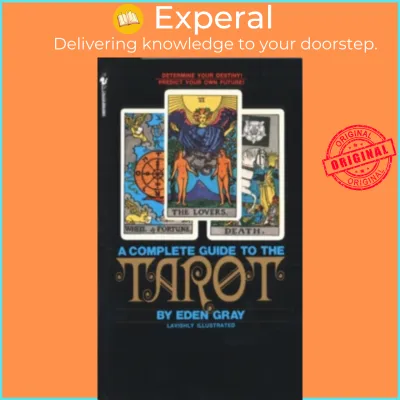
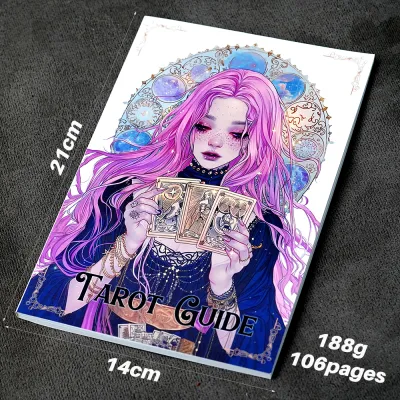
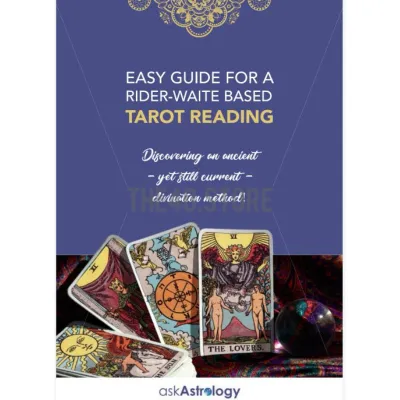
Products mentioned in this guide
![EBOOK Tarot and Astrology - Corrine Kenner [Full Version]](https://img.lazcdn.com/g/p/94ecb0ba24892622360b7934a7c57cd1.jpg_400x400q80.jpg_.webp)
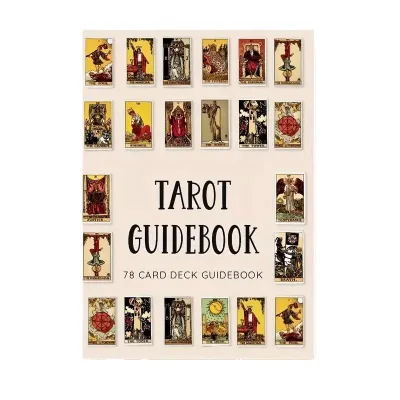
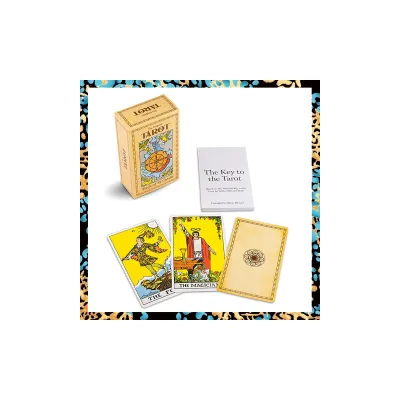
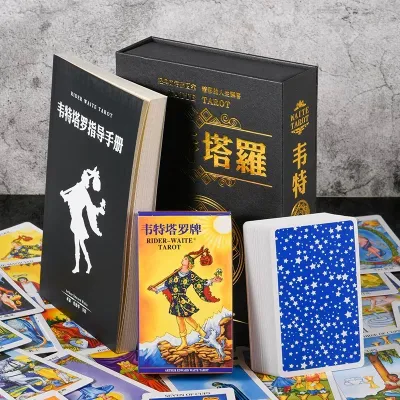
Prices are valid at publication and may change. Please refer to the product page for the latest price.

The physical and visual presentation of the book is another critical factor that directly impacts your daily study. Pay close attention to the quality, size, and color accuracy of the card illustrations reproduced within the pages. Because tarot is a highly visual medium, having clear, high-resolution grayscale or full-color images of the cards alongside their descriptions prevents you from constantly having to look down at your physical deck. Muddy or tiny illustrations can make it difficult to connect the author’s written analysis with the visual cues on your cards.
Furthermore, a truly effective self-study guide must incorporate structured learning aids rather than just serving as an encyclopedia of card meanings. Look for books that feature practical exercises, journaling prompts, and progressive learning milestones at the end of each chapter. These interactive elements encourage you to actively engage with the material, helping to transition the information from short-term memory to intuitive understanding. A book that prompts you to write down your personal associations with a card before reading the official definition will accelerate your learning curve significantly.
Finally, evaluate the author’s overall teaching methodology to ensure it aligns with your personal self-study habits. Some authors write in a highly conversational, encouraging tone that demystifies the cards, while others adopt a more academic or historical approach. If you prefer a structured, classroom-like experience, seek out books written by experienced tarot teachers who design their chapters like weekly lessons. If you prefer a self-paced, reflective journey, look for authors who emphasize mindfulness and personal growth in their interpretations.
Matching Books to Your Learning Style
There is no single “best” tarot guide book that works universally for everyone, as the ideal choice depends entirely on your unique cognitive preferences and study goals. By identifying how you naturally process information—whether through visual storytelling, structured systems, or psychological reflection—you can select a guide that feels intuitive rather than frustrating.
For Visual and Intuitive Learners
Visual and intuitive learners process the world through imagery, color, and emotional resonance, making highly visual guide books the most effective choice. If you fall into this category, prioritize books that feature full-color, high-resolution card reproductions that highlight subtle artistic details. These guides should focus heavily on color symbolism, visual cues, and the narrative flow of the artwork rather than presenting rigid, text-heavy definitions.
Look for books that encourage intuitive journaling and personal storytelling exercises. A great visual guide will ask you what emotions a card’s landscape evokes or what the characters’ body language suggests to you before offering traditional meanings. This method helps you build a personal, highly memorable relationship with your deck, ensuring your readings feel authentic and deeply connected to your personal insights.
Key features to look for:
- Full-page, high-quality color illustrations of each card.
- Detailed breakdowns of visual symbols, such as water, mountains, and clothing colors.
- Journaling prompts that ask what you see first rather than what the card officially means.
- Exercises focused on telling a story across a sequence of images.
For Structured and Traditional Learners
If you thrive on logic, history, and systematic study, you will likely find intuitive guides vague or unsatisfying. Structured learners should seek out books that provide rich historical context and adhere closely to traditional tarot systems, such as the Rider-Waite-Smith or classic esoteric lineages. These books treat tarot as a beautifully organized system of correspondences that can be studied methodically.
Prioritize guides that feature clear tables, reference charts, and detailed explanations of elemental, astrological, and numerological correspondences. A structured book often includes organized lesson plans, review quizzes, and systematic memorization techniques to help you master the deck step-by-step. This systematic approach provides a reassuring sense of order, giving you a solid framework to lean on during complex readings.
Key features to look for:
- Comprehensive tables linking cards to zodiac signs, planets, and elements.
- Numbered chapters organized logically by suits, numbers, and court rankings.
- Quizzes, matching exercises, or flashcard suggestions to test your recall.
- Clear explanations of the historical origins of card meanings and symbols.
For Psychological and Archetypal Explorers
For those who view tarot primarily as a mirror for the subconscious, books that frame the cards through a psychological lens are incredibly rewarding. These readers are less interested in predicting future events and more focused on self-reflection, shadow work, and understanding human behavior. If this matches your goal, look for books that utilize Jungian psychology, archetypal theory, and the classic narrative structure of the hero’s journey.
These guides reframe the cards as universal human experiences and psychological states, helping you explore deep subconscious patterns. The content should include therapeutic prompts, shadow work exercises, and reflective spreads designed to uncover hidden motivations and emotional blocks. This approach transforms your tarot practice into a powerful tool for personal growth, mental clarity, and self-discovery.
Key features to look for:
- Interpretations focused on psychological archetypes like the Shadow, the Anima, and the Wise Old Man.
- Reflective prompts that encourage deep self-examination and emotional processing.
- Spreads designed specifically for decision-making, emotional healing, and personal growth.
- A non-predictive tone that emphasizes personal agency and psychological insight.
Essential Pre-Purchase Checks for Tarot Books
Before you head to the checkout of a local bookstore in Singapore or complete your purchase on an online marketplace, performing a few essential pre-purchase checks will save you time and money. First, verify the book’s edition, language, and translation quality. Because tarot terminology relies on precise nuances, a poorly translated guide can introduce confusing errors or alter the traditional meanings of the cards. If you are buying a translated work, check reader discussions or publisher notes to ensure the translation is highly regarded for its accuracy and clarity.
Next, carefully consider the media format that best fits your study habits and lifestyle. Physical paperbacks are highly recommended for beginners because they allow you to easily flip back and forth between pages, bookmark card meanings, and write notes in the margins. However, if you prefer digital formats, verify the e-book’s formatting and device compatibility. Some tarot guides with complex tables or large color illustrations do not render well on standard e-readers, making a tablet or a high-quality PDF version a better choice. Audiobooks can be excellent for learning the history and philosophy of tarot, but they are highly impractical as quick-reference guides during an active reading.
It is also crucial to confirm the content completeness of the book before purchasing. Some books that market themselves as beginner guides only cover the 22 cards of the Major Arcana, leaving out the 56 Minor Arcana cards entirely. While this can be useful for a very brief introduction, it will quickly leave you needing to buy a second book once you want to perform full readings. Ensure the table of contents explicitly lists detailed entries for all 78 cards in a standard deck.
Finally, make sure the book aligns perfectly with the specific tarot system you plan to use. The vast majority of beginner books are written for the Rider-Waite-Smith (RWS) system, which is characterized by fully illustrated scene cards for the Minor Arcana. If you accidentally buy a book designed for the Tarot de Marseille (which uses simple pip cards like playing cards) or the Thoth Tarot (which features complex esoteric symbolism), the card descriptions will not match your RWS-style deck. Additionally, always purchase from authorized local booksellers or reputable online platforms to avoid low-quality, bootleg printings that often suffer from missing pages, blurry text, and incorrect color reproduction.
Building Your First Tarot Library
As you begin your journey, it is easy to get swept up in the excitement and purchase multiple books and decks all at once. However, building a successful tarot library requires a mindful, minimalist approach to avoid information overload. In the beginning, limit yourself to just one comprehensive guide book and one standard companion deck. This allows you to focus deeply on one teaching methodology and build a consistent foundation before exposing yourself to conflicting interpretations.
Alongside your primary guide book, the most valuable addition to your library is a dedicated tarot journal. A simple, high-quality blank journal works perfectly. Use this space to record your daily card draws, note your initial intuitive impressions before looking up the meanings, and track how the cards manifest in your daily life. Over time, this journal will become your most personalized and valuable tarot reference book, reflecting your unique connection to the cards.
In Singapore’s humid climate, preserving your physical tarot library requires a bit of care. Store your books and decks in a cool, dry place away from direct sunlight, perhaps on an open bookshelf in a well-ventilated room rather than in a closed, damp cupboard. Using small silica gel packets in your deck boxes or book storage bins can help prevent the pages and cardstock from warping or sticking together due to high humidity.
Eventually, you will notice clear indicators that you have outgrown your beginner guide book. You will know you are ready when you no longer need to look up basic keyword meanings during a reading, and when you find yourself wanting to explore deeper topics like advanced spread layouts, comparative card analysis, or specific esoteric systems. When this happens, you can confidently expand your library to include books on advanced reading techniques, specialized shadow work guides, or historical explorations of tarot’s origins.
Frequently Asked Questions (FAQ)
Do I need to buy a specific tarot deck to use with a beginner guide book?
While you do not strictly need to buy one specific deck, it is highly recommended to start with a deck based on the Rider-Waite-Smith (RWS) system, as the overwhelming majority of beginner tarot guide books are written specifically for this system. Before purchasing, check the book’s introduction or product description to see which deck the author uses for their illustrations. Using a heavily stylized, abstract, or non-standard deck with an RWS-based guide book can make learning incredibly difficult, as the visual cues discussed in the text may be entirely missing from your cards.
Should I choose a book-and-deck set or a standalone guide book?
Book-and-deck sets, often sold as starter kits, offer excellent convenience and cost-effectiveness, typically ranging from S$30 to S$50. However, the guide books included in these bundled sets are often highly simplified, pocket-sized booklets that only provide brief keyword lists. If you are committed to learning tarot deeply, purchasing a comprehensive, standalone guide book alongside a separate, high-quality deck is usually the better investment, as standalone books offer the structural depth, exercises, and detailed explanations needed for long-term study.
How should I pace my self-study when using a tarot guide book?
Pacing your study systematically is key to avoiding burnout and retaining information. A highly effective approach is to study just one card or one suit per week, spending time observing the imagery, reading the corresponding chapter, and journaling your thoughts. Incorporate a daily practice of drawing a single card each morning and reflecting on how its themes play out during your day. Avoid rushing to read complex, multi-card spreads immediately; instead, focus on mastering single-card and three-card readings before moving on to more advanced layouts.
Community discussion
Share your experience or ask a question. Comments are reviewed before publication.