
Choosing the right violin bow case requires balancing capacity, material durability, and internal dimensions to safeguard your bow from physical impact and environmental shifts. A well-fitted case prevents the delicate stick from warping, protects the fragile tip and frog, and buffers the horsehair against sudden changes in humidity. Whether you are a student commuting to weekly lessons or a professional musician managing multiple specialized bows, selecting a dedicated case ensures your primary performance tool remains secure and tension-free during transit.
Assess Your Capacity Needs
Your daily routine and the number of bows you actively use dictate the ideal capacity of your bow case. For students, hobbyists, or players who only carry a single primary bow, a single-bow case offers a streamlined, lightweight solution. Many musicians choose to store their primary bow directly inside their main violin case, but a separate single-bow case provides an extra layer of security when traveling light or when the main instrument case lacks sufficient bow spinners.
If you are a professional, teacher, or advanced student, your needs likely extend beyond a single bow. Carrying a backup bow is standard practice for performances to mitigate the risk of sudden hair breakage or structural failure. Furthermore, musicians who perform historical repertoire often need to carry both a modern bow and a specialized baroque bow, each requiring distinct handling and storage space.
Products mentioned in this guide
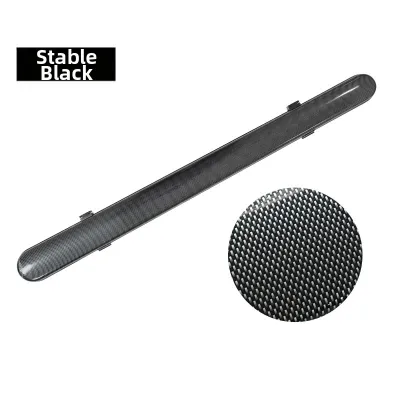
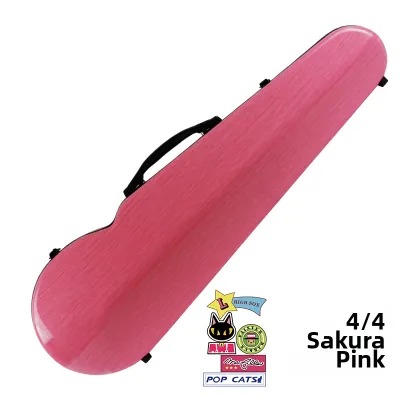
Prices are valid at publication and may change. Please refer to the product page for the latest price.
Multi-bow cases, which typically accommodate two, three, or four bows, are designed to keep these valuable tools separated and secure. When evaluating a multi-bow case, ensure that each bow has its own dedicated channel or compartment. This physical separation prevents the bows from knocking against one another during transit, which can scratch the delicate wood finish or damage the fragile frog mechanisms.
Evaluate Case Materials and Protection Levels
The exterior material of your violin bow case serves as the primary barrier against physical impacts, drops, and environmental fluctuations. Hard cases constructed from wood, carbon fiber, or ABS plastic offer the highest level of crush resistance. Wood shells are traditional and provide excellent structural rigidity and natural thermal insulation, though they tend to be heavier. Carbon fiber cases are highly favored for their exceptional strength-to-weight ratio, making them ideal for frequent travelers, while ABS plastic offers a durable, cost-effective alternative with reliable impact resistance.

For low-risk, local transport—such as carrying your bow inside a padded gig bag or moving between rooms in a school—soft cases or padded sleeves may suffice. These lightweight options protect against minor scratches and dust but offer minimal protection against heavy impacts or crushing forces. If you frequently commute on crowded public transport, a hard shell is highly recommended to prevent accidental damage from accidental bumps or crowded spaces.
The interior lining of the case is just as critical as the exterior shell. High-quality cases feature soft, non-abrasive linings such as velvet, silk, or microfiber. These materials minimize friction against the bow stick and prevent wear on the delicate varnish. When selecting a case, inspect the lining for secure stitching and ensure there are no exposed adhesives or rough seams that could snag the bow hair or scratch the wood.
While manufacturers often highlight the protective qualities of their materials, it is essential to verify these claims against your specific travel habits. Look for cases with robust latches, reinforced hinges, and weather-resistant seals. A well-sealed case helps buffer the interior environment against sudden shifts in temperature and humidity, which is particularly vital for preserving the tension and straightness of wooden bows.
Ensure Proper Fit and Interior Security
A secure fit is paramount to preventing your bow from shifting and sustaining damage inside the case. Before purchasing, you must measure the total length of your bow from the tip to the end of the screw. Compare these measurements carefully with the internal dimensions provided by the case manufacturer. A case that is too short will put pressure on the screw or tip, while a case that is too long may allow the bow to slide back and forth, risking impact damage.
The internal securing mechanisms, specifically the frog and tip holders, must be evaluated closely. Look for cases that feature padded frog cups that hold the frog securely without compressing the delicate hair or slide. The tip clip should hold the tip firmly in place without applying downward pressure on the fragile point. Secure fastening systems, such as hook-and-loop straps or padded turn-buttons, help keep the stick stable during movement.
When the case lid is closed, the bow stick should not make direct contact with the bottom or top of the case. There should be a small clearance space beneath the center of the stick to prevent warping under pressure. If the case lid presses down directly on the stick, it can alter the bow’s natural curve over time, permanently affecting its playability and balance.
If you are purchasing a case for a growing student who uses fractional-sized bows (such as 3/4 or 1/2 size), look for cases with adjustable or universal fit mechanisms. Some cases feature movable pads or adjustable straps that can be repositioned to accommodate shorter bows securely. This adaptability ensures the case remains useful as the student graduates to a full-sized bow.
Consider Portability, Weight, and Extra Features
Portability and weight are key considerations, especially for musicians who commute regularly. A heavy case can quickly become a burden when carried alongside a violin case, music stand, and sheet music. Lightweight carbon fiber or fiberglass cases reduce physical strain, but you must balance this weight savings against your budget and the level of protection required.
Carrying options greatly influence daily comfort. Look for cases equipped with sturdy, comfortable handles and secure D-rings for shoulder straps. Backpack straps are highly beneficial for commuters, allowing you to carry the bow case hands-free while navigating busy streets or public transit. Ensure the strap attachments and carabiners are made of durable metal rather than thin plastic to prevent accidental drops.
Extra compartments add significant utility to a bow case. Some designs include small pockets or slots for storing essential accessories like rosin, cleaning cloths, or mutes. Having these items dedicated to your bow case ensures you always have maintenance tools on hand, even if you leave your main instrument case behind.
In tropical or highly humid climates, humidity control is a critical feature. High humidity can cause bow hair to stretch and sag, while extreme dryness can cause it to shrink and potentially warp the stick. Look for bow cases that feature built-in hygrometer slots or dedicated compartments for humidity control packets. These features allow you to monitor and manage the internal microclimate, preserving the playability of your bow.
Step-by-Step Selection Checklist
To simplify your decision-making process, follow this structured workflow to select the ideal violin bow case for your needs:
- Step 1: Assess your inventory and travel habits. Count the number of active bows you need to transport and determine whether you require a single, double, or multi-bow configuration. Consider your typical commute and whether you need a hard shell for public transit or a lightweight sleeve for simple storage.
- Step 2: Measure your bow precisely. Use a flexible measuring tape to record the total length of your longest bow, including the screw. Note the width of the frog and the height of the tip to ensure the case's internal compartments can accommodate these dimensions without pinching.
- Step 3: Filter by material and establish your budget. Decide between wood, carbon fiber, or ABS plastic based on your protection needs and weight preferences. Set a realistic budget in S$, keeping in mind that investing in a durable, weather-sealed hard case can prevent costly repairs to your bows in the future.
- Step 4: Verify interior security and return policies. Check the case specifications for padded frog cups, secure tip clips, and clearance space for the stick. Before finalizing your purchase, review the retailer's return policy to ensure you can test the fit of your bow at home and return the case if the dimensions are not a perfect match.
Frequently Asked Questions (FAQ)
Can I store a viola bow in a standard violin bow case?
While viola bows look similar to violin bows, they are typically slightly shorter, heavier, and feature a wider, more rounded frog. Because of these dimensional differences, a viola bow may not fit securely in a standard violin bow case. The wider frog of a viola bow can stretch or damage the frog cup of a violin case, while the thicker stick may not fit into the designated clips. Always measure your specific viola bow and compare its dimensions against the case’s internal specifications before attempting to store it in a violin-specific case.
How do I clean the interior lining of my bow case?
Keeping the interior of your bow case clean is essential for preventing rosin dust buildup, which can transfer back onto your bow stick and hands. To clean the lining, use a vacuum cleaner with a soft brush attachment on a low suction setting to gently remove loose dust and debris. For stubborn spots, a dry, lint-free microfiber cloth can be used to gently wipe the surface. Avoid using liquid cleaners, water, or harsh chemicals, as these can stain the delicate velvet or silk lining, weaken the internal adhesives, or leave residues that could damage your bow’s finish.
Is it safe to leave my bow in the case during extreme weather?
While a high-quality bow case provides excellent physical protection and a moderate buffer against environmental changes, it cannot completely isolate your bow from extreme weather. Leaving your case in direct sunlight, inside a hot vehicle, or in a damp, unventilated room can cause rapid temperature and humidity shifts inside the case. These fluctuations can lead to warped wood, cracked varnish, or stretched bow hair. Always store your cased bow in a climate-controlled room, and consider using specialized in-case humidifiers or dehumidifiers to maintain a stable environment.
Community discussion
Share your experience or ask a question. Comments are reviewed before publication.