
Selecting the right physical recordings for your ABRSM Grade 6 exam preparation requires a systematic approach to ensure your reference material is stylistically accurate, legally compliant, and technically reliable. At Grade 6, candidates transition into the higher grades where musical maturity, nuanced phrasing, and historical stylistic awareness are heavily assessed. This transition represents a significant step up in technical and interpretive expectations, requiring a more disciplined approach to listening. Utilizing physical media like CDs and vinyl records offers an uncompressed, distraction-free listening experience that helps you internalize these complex musical elements far more effectively than low-bitrate digital streams. To make an informed purchase, you must verify syllabus alignment, evaluate the practical benefits of each physical format, identify authoritative interpretations, and source your media from reputable vendors.
Verifying Syllabus Alignment and Recording Editions
Before purchasing any physical recording, your absolute priority is to cross-reference the tracklist with the active ABRSM Grade 6 syllabus. The exam board updates its syllabus periodically, meaning a piece featured in a previous syllabus cycle may no longer be valid or may have different performance requirements in the current year. Carefully check the publication year and the specific lists—List A, List B, and List C—to confirm that the recorded pieces match your chosen exam repertoire. A minor mismatch in a syllabus edition can lead to practicing incorrect movements or outdated arrangements, which can severely impact your exam results. Using an outdated recording can lead to practicing incorrect ornaments or missing structural repeats, which can result in lost marks during the actual examination.
Pay close attention to the exact edition, arrangement, or instrumentation specified by the exam board. For instance, a Grade 6 keyboard piece might be written for a specific historical instrument or require a particular editorial realization of ornaments. When buying a CD or vinyl record, examine the liner notes or back cover tracklist to ensure the performer is playing the exact version mandated in the syllabus. If the syllabus specifies a particular editor’s arrangement, a standard historical recording of the original piece might omit essential dynamics, articulations, or even entire sections that you are expected to perform.
Products mentioned in this guide
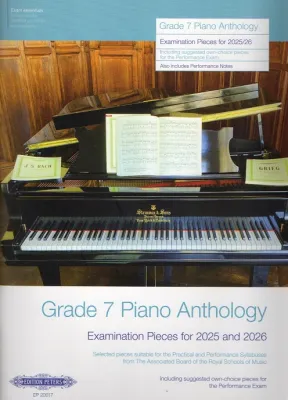
Prices are valid at publication and may change. Please refer to the product page for the latest price.
You must also distinguish between complete syllabus compilation albums and individual artist recordings. Official exam board compilation CDs are highly convenient because they package all the core syllabus pieces into a single release, often accompanied by helpful performance notes. However, these compilations may not cover alternative pieces listed in the syllabus. If you select an alternative piece, you will need to search for individual artist albums. While these individual recordings offer deep artistic insight, they often contain only one or two pieces from the syllabus alongside unrelated repertoire, requiring you to build a custom library of multiple physical discs or records.
Comparing CD and Vinyl for Focused Practice
Choosing between CD and vinyl for exam preparation involves balancing practical utility with the depth of the listening experience. Compact Discs (CDs) remain the most practical choice for daily, repetitive practice. The digital nature of CDs allows for instant track skipping, precise indexing, and seamless looping of specific sections. When you are trying to master a difficult transition or analyze a complex developmental section in a Grade 6 piece, the ability to jump directly to a specific second on a CD player saves valuable practice time and prevents unnecessary wear on your playback equipment.

CDs also offer exceptional durability and portability. They are highly resistant to minor handling errors and can be easily played on a wide variety of hardware, from dedicated hi-fi systems to portable CD players and computer disc drives. Furthermore, you can legally rip your purchased CDs to uncompressed digital formats like WAV or FLAC for offline, portable review on your smartphone or digital audio player. This allows you to take your high-quality reference recordings to your music lessons or practice rooms without risking damage to the physical disc.
Vinyl records, on the other hand, offer a highly ritualistic and focused listening experience that can deeply enhance your musical appreciation. The physical act of placing a needle on a record forces you to sit down and listen actively, free from the temptation to skip tracks or multitask. This tactile engagement with physical media fosters a deeper psychological connection to the music, encouraging a more mindful and analytical approach to your study sessions. The analog sound profile of vinyl can also reveal subtle warmth and spatial depth in classical recordings, helping you appreciate the acoustic environment of the recording hall. However, vinyl requires specialized hardware, including a turntable, phono preamplifier, and high-quality speakers, and the records themselves are highly sensitive to dust, scratches, and humidity—factors that require careful maintenance, especially in Singapore’s tropical climate.
Identifying Exam-Standard Performances and Interpretations
Not all classical recordings are suitable as exam reference guides. When selecting physical media, prioritize recordings by recognized classical artists, conservatory affiliates, or official exam board showcase releases. These performers typically adhere closely to the written score, providing a reliable baseline for tempo, articulation, and dynamics. Official releases are specifically recorded to demonstrate exemplary pedagogical standards, making them the safest reference point for understanding how a piece should sound in an exam room. Hearing how a professional pianist manages the natural resonance of a concert hall can guide your own pedaling choices in the exam room.
At Grade 6, examiners look for a balanced, stylistically appropriate interpretation rather than highly eccentric or idiosyncratic performances. Look for recordings where the tempo is stable and realistic for an intermediate-advanced student. While a world-renowned virtuoso might perform a List A baroque piece at an exceptionally blistering speed, attempting to mimic this tempo can lead to technical instability in your own performance. Choose recordings that demonstrate clear articulation, controlled dynamics, and a sensible approach to rubato that aligns with the historical period of the piece.
Avoid recordings that feature heavily edited, historically extreme, or non-standard arrangements. For example, a romantic-era piece performed with excessive, self-indulgent tempo fluctuations or a baroque piece played on a modern synthesizer will not help you prepare for a standard acoustic exam. Always check the instrumentation listed on the album cover; a piano piece should be studied using a high-quality acoustic piano recording, not an electronic keyboard or an orchestral transcription, to ensure you develop a correct understanding of tone production and pedaling.
Sourcing Physical Media: What to Check Before Buying
Sourcing physical classical music media requires navigating specialized retail channels to ensure authenticity and quality. Start by exploring dedicated classical music shops, official conservatory bookstores, and reputable online retailers that specialize in physical media. General ecommerce platforms can be useful, but they often host third-party sellers who may mislabel editions or provide inadequate packaging for fragile items like vinyl records. When shopping online, look for sellers who specialize in classical pedagogy or educational sheet music, as they are more likely to stock the exact syllabus editions you need. Always cross-reference the catalog numbers of the physical release with the official publisher’s database to ensure you are not purchasing a bootleg or an unauthorized copy.
Before finalizing any purchase, carefully verify the seller’s ratings, return policies, and the physical condition of the media. If you are buying used CDs or vintage vinyl records, look for detailed condition grading (such as “Mint,” “Near Mint,” or “Very Good”) and ensure the seller offers a clear return policy in case the media arrives damaged or unplayable. A scratched CD that skips or a warped vinyl record with excessive surface noise is useless for detailed analytical listening and can frustrate your practice sessions.
For buyers in Singapore, international shipping and regional compatibility are critical factors to consider. Ensure that any CD you purchase is not restricted by regional DVD/Blu-ray hybrid codes if you plan to play it on a multi-format player. Check the estimated shipping timeframes carefully; international shipments from Europe or North America can take several weeks to arrive, which could delay your exam preparation timeline. Factor in potential import taxes, local delivery fees, or GST on purchases over certain S$ thresholds, and ensure the seller uses sturdy, moisture-resistant packaging to protect your physical media from the high humidity encountered during transit and local storage.
Integrating Physical Recordings into Your Practice Routine
To maximize the value of your physical recordings, you must integrate them actively into your daily practice routine rather than using them as mere background music. Practice active listening by sitting down with a notebook and focusing entirely on the audio playback. Listen specifically for how the performer shapes a phrase, manages transitions between sections, balances the melody against the accompaniment, and applies subtle variations in dynamics. Note down these observations and compare them to your own playing to identify areas where your performance can be refined. After listening to the physical recording, record your own practice session and play both back-to-back to objectively identify discrepancies in timing, articulation, and tone quality.
Setting up a dedicated, ergonomic listening station can significantly enhance your focus and protect your media. Place your CD player or turntable in a quiet room away from digital distractions like television screens or computers. Ensure your headphones or speakers are positioned correctly to deliver a clear, balanced stereo image, which is essential for hearing the separation of voices in polyphonic Grade 6 pieces. Keep your physical media stored vertically in a cool, dry place, away from direct sunlight, to prevent warping and degradation over time.
Always combine physical audio playback with simultaneous score study. As you listen to the recording, follow along with your printed sheet music, marking the score where the performer emphasizes a particular dynamic change or applies rubato. This visual and auditory pairing helps bridge the gap between the abstract symbols on the page and the physical reality of the sound. By analyzing how professional musicians translate the score into a living performance, you will develop a deeper structural and harmonic understanding of your Grade 6 repertoire, ultimately leading to a more confident and expressive exam performance.
Frequently Asked Questions (FAQ)
Can I use streaming services instead of buying CDs or vinyl?
While digital streaming services offer unparalleled convenience and vast libraries, they present significant trade-offs for serious exam preparation. Most streaming platforms compress audio files to save bandwidth, which can mask subtle details in tone color, acoustic resonance, and micro-dynamics that are crucial for Grade 6 study. Furthermore, streaming environments are filled with algorithmic distractions, notifications, and user-uploaded tracks that may be mislabeled, incomplete, or performed by amateur musicians. Physical media ensures you are listening to a high-fidelity, verified, and distraction-free reference recording.
What if a specific Grade 6 piece is not available on a physical album?
If a particular syllabus piece is out of print or unavailable on CD or vinyl, you should look for official digital storefronts that offer high-resolution, lossless audio downloads (such as FLAC or ALAC). These downloads preserve the uncompressed audio quality of physical media without the need for a physical disc. You can also consult institutional music libraries or conservatory archives, which often hold physical copies of rare educational recordings. When sourcing digital alternatives, always verify the performer’s credentials and the publisher’s metadata to ensure the recording matches the exact syllabus requirements.
Community discussion
Share your experience or ask a question. Comments are reviewed before publication.