
An 11-note tongue drum is one of the most accessible and rewarding musical instruments for beginners in Singapore, offering a rich, meditative sound without requiring years of formal training. When choosing the best model, the ideal option is not a single, universally superior brand, but rather a drum that balances high-quality steel alloy construction, stable tuning (typically in a versatile major scale like C major), and a complete starter kit that includes mallets, finger picks, and a protective carrying bag. For most local beginners, a mid-range 10-inch to 12-inch drum priced between S$50 and S$150 provides the optimal sweet spot of resonant sound quality, portability, and long-term durability.
By focusing on these core characteristics, you can avoid the common pitfalls of purchasing an instrument that is either too limited to play popular melodies or too complex to enjoy immediately. This guide will walk you through the structural advantages of the 11-note layout, the essential criteria to evaluate before buying, what to expect across different price points in Singapore, and how to inspect your new instrument to ensure it delivers a beautiful, clear tone from your very first tap.
Why an 11-Note Configuration Suits Beginners
When exploring the world of steel tongue drums, you will quickly encounter a wide variety of note configurations, typically ranging from simple 6-note or 8-note models to highly complex 13-note or 15-note instruments. For a beginner, the 11-note layout represents the absolute sweet spot of musical versatility and physical manageability.
Products mentioned in this guide
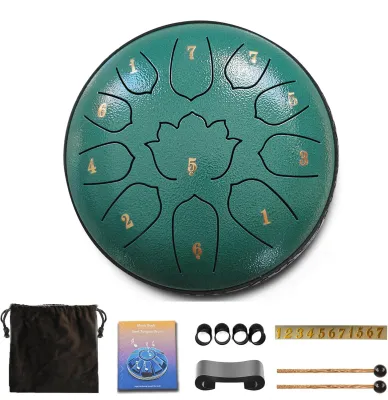
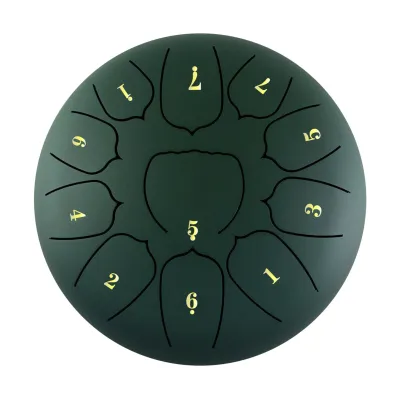
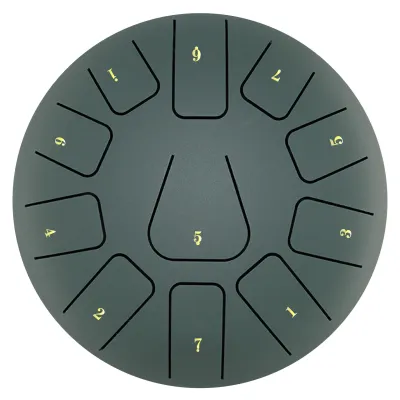
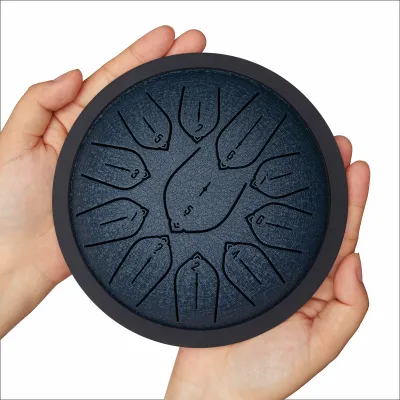
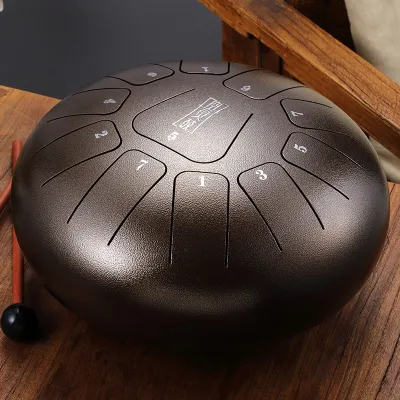
Prices are valid at publication and may change. Please refer to the product page for the latest price.
An 8-note drum, while highly portable and affordable, often leaves players frustrated after a few weeks because its limited range prevents them from playing many common nursery rhymes, folk songs, or popular melodies. Conversely, 13-note and 15-note drums introduce a crowded surface layout with smaller tongues that require precise mallet strikes and advanced finger-picking techniques, which can easily overwhelm someone just starting their musical journey.
The 11-note configuration typically covers a full octave plus a few extra notes above and below, usually tuned to a diatonic scale such as C major or D major. This specific layout allows you to play a vast library of traditional songs, contemporary melodies, and meditative patterns without encountering missing notes that disrupt the flow of the music.
Because the notes are arranged in a logical, alternating pattern across the drum’s surface, your brain can quickly map the physical locations of the pitches. This makes intuitive play and improvisation feel natural and satisfying within your first few hours of practice.
Furthermore, the physical dimensions of an 11-note drum are perfectly optimized for casual home use and comfortable handling. Most 11-note models feature a diameter of 10 to 12 inches, which provides enough surface area for the tongues to be spaced widely apart, reducing the likelihood of accidentally striking two notes at once.
This size is also incredibly comfortable to rest on your lap while sitting on a sofa or floor cushion, allowing you to play in a relaxed posture. It is light enough to carry to a local park, beach, or community gathering, yet substantial enough to sit securely on a tabletop or stand without sliding around during enthusiastic play sessions.
Core Selection Criteria for Your First Drum
To select a tongue drum that will bring you years of musical enjoyment, you must look beyond aesthetic appeal and evaluate several key structural and acoustic factors. The first and most critical element is the material and build quality of the drum.

Most modern tongue drums are constructed from steel alloys, but the specific type of alloy and the thickness of the metal significantly influence the instrument’s acoustic properties. High-carbon steel and titanium steel alloys are popular choices because they offer excellent structural stability and a bright, clear tone.
The thickness of the steel determines how long the notes will vibrate after being struck. A drum made from high-quality, properly tempered steel will produce a warm, lingering sustain that fills the room, whereas a cheaply made drum with thin metal may sound tinny, flat, or excessively short-lived.
The scale and tuning of the drum are equally important, as they dictate the emotional character of every song you play. The vast majority of 11-note tongue drums are tuned to a major scale, with C major and D major being the most common.
Major scales are inherently uplifting, bright, and cheerful, making them excellent for playing familiar tunes, children’s songs, and lighthearted melodies. If you are seeking an instrument primarily for deep meditation, yoga, sound therapy, or relaxation, you might want to look for a drum tuned to a minor scale, such as A minor.
Minor scales produce a more mysterious, introspective, and soothing soundscape, though they may limit your ability to play standard happy melodies.
When purchasing your first tongue drum, the included accessory package can greatly enhance your learning experience and save you the hassle of buying extra gear separately. A complete beginner kit should always include a pair of lightweight wooden or composite mallets with soft rubber heads, which are essential for producing a full, resonant tone without harsh physical impact.
Finger picks, which slip onto your fingertips, are another valuable accessory; they allow you to transition from mallets to hand-playing while still achieving a clear, distinct sound. Additionally, look for packages that include a numbered music book specifically written for 11-note drums, a set of numbered note stickers to help you identify the pitches on the drum’s surface, and a padded carrying bag with adjustable straps to protect your investment during storage and travel.
Finally, consider the physical size and weight of the drum in relation to where and how you plan to play it. While a smaller 6-inch or 8-inch drum is highly portable, its smaller internal air chamber limits its volume and bass response, often resulting in a higher-pitched, more metallic sound.
A 10-inch or 12-inch drum, on the other hand, possesses a larger acoustic chamber that allows the lower notes to resonate deeply, creating a much richer and more satisfying auditory experience. If you plan to keep the drum primarily at home for personal relaxation or family fun, prioritizing a larger diameter will reward you with superior sound quality, whereas a slightly smaller model may be preferable if you frequently commute or travel with your instrument.
Navigating Price Tiers and Value
As you browse local music shops and online marketplaces in Singapore, you will find that 11-note tongue drums are available across a wide range of price points. Understanding what each price tier offers will help you set a realistic budget and avoid overpaying for features you do not need, or conversely, buying an instrument that frustrates you with poor sound quality.
The entry-level tier, which typically includes drums priced under S$50, consists primarily of mass-produced models made from basic carbon steel. While these drums can be a fun, low-risk way to introduce children to percussion, they often suffer from inconsistent tuning, shorter sustain, and thinner metal walls that can easily dent or warp over time.
The mid-range tier, spanning from S$50 to S$150, is where the vast majority of adult beginners will find the best value for their money. Drums in this price bracket are usually crafted from superior titanium steel or copper-infused alloys, which offer a much warmer, more resonant tone and excellent tuning stability.
Manufacturers in this tier pay closer attention to the precision of the tongue cuts, ensuring that each note is accurately tuned to standard pitch (usually A440) and does not suffer from unpleasant harmonic interference. Furthermore, mid-range drums almost always come as a complete package, featuring high-quality padded bags, durable mallets, and well-written instructional booklets that make starting out a breeze.
For those who are highly committed to the hobby or have a background in music, the premium tier—priced above S$150—offers professional-grade instruments that are often handcrafted or individually tuned by experienced artisans. These drums utilize advanced, proprietary alloys and specialized heat-treatment processes to achieve an incredibly rich, multi-layered sound with minimal metallic overtone.
The sustain on a premium drum can last for several seconds, creating a lush, ambient wash of sound that is perfect for professional recording, public performances, or intensive sound healing sessions. These models also feature exquisite, hand-applied finishes, such as electroplated coatings or hand-painted designs, and are accompanied by heavy-duty, weather-resistant cases.
While it can be tempting to purchase the cheapest possible option to “test the waters,” we strongly caution against ultra-cheap drums priced well below S$30. These instruments are frequently plagued by poor quality control, resulting in notes that are noticeably out of tune right out of the box.
Even worse, they often suffer from “adjacent note interference,” a frustrating phenomenon where striking one tongue causes neighboring tongues to vibrate sympathetically, creating a muddy, dissonant noise instead of a clean, singular pitch. Investing just a little more to step into the mid-range tier ensures you receive an instrument that sounds beautiful and remains a joy to play as your skills develop.
Purchasing Channels and Pre-Delivery Checks in Singapore
When you are ready to buy your 11-note tongue drum, you have several excellent purchasing channels available in Singapore, each with its own set of advantages. Specialized local music stores are highly recommended if you prefer a hands-on shopping experience; visiting a physical store allows you to gently tap different drums, compare sizes, and hear the actual resonance of the metal in person before making a decision.
Additionally, local retail staff can offer valuable advice and immediate assistance. On the other hand, general online marketplaces and ecommerce platforms often provide a wider selection of colors, scales, and accessory packages, frequently at highly competitive prices.
If you choose to buy online, ensure you purchase from reputable sellers with high ratings and positive customer feedback to minimize the risk of receiving a counterfeit or damaged product.
Regardless of where you purchase your drum, performing a thorough inspection immediately upon delivery is crucial to ensuring your instrument is in perfect working order. Start by conducting a visual inspection of the drum’s exterior surface.
Check the entire body for any signs of rust, deep scratches, dents, or uneven paint application, as these physical flaws can compromise the integrity of the metal and affect the overall sound quality. Pay close attention to the edges of the cut tongues; they should be smooth and free of sharp metal burrs or cracks, which could pose a safety hazard or lead to structural failure under repeated play.
Next, you should test the tuning accuracy of each of the 11 notes. You do not need expensive professional equipment for this; simply download a free instrument tuning app on your smartphone.
Place the drum on a soft surface, such as a carpet or a cushion, to isolate the sound, and strike each tongue gently with a mallet. The tuning app will display the pitch and indicate whether the note is sharp, flat, or perfectly in tune.
While minor variations of a few cents are normal for hand-tuned instruments, any note that is significantly off-pitch will sound jarring when played alongside others. During this test, listen closely for any unwanted buzzing, rattling, or metallic ringing sounds, which can indicate that a tongue is touching the adjacent metal or that there is a structural defect inside the drum’s body.
Finally, always verify the seller’s return policy and local warranty coverage before finalizing your purchase. A reputable seller should offer a clear return window—typically 7 to 14 days—allowing you to exchange the drum or receive a full refund if you discover any manufacturing defects, tuning issues, or shipping damage during your initial inspection.
If you are buying from an online marketplace, look for listings that offer local warranty support, which provides peace of mind that you can easily resolve any issues without having to ship the heavy instrument back overseas at your own expense.
Frequently Asked Questions (FAQ)
Do I need to know how to read sheet music to play?
No, you do not need any prior knowledge of traditional sheet music to play and enjoy an 11-note tongue drum. Most tongue drums utilize a highly intuitive numbered notation system, where each tongue on the drum is engraved or stickered with a number from 1 to 7 (representing the notes of the diatonic scale, such as Do-Re-Mi-Fa-Sol-La-Ti).
The songbooks included with these drums are written using these exact numbers rather than traditional musical staves, allowing you to play complete melodies simply by matching the numbers in the book to the corresponding numbers on your drum.
To make the learning process even easier, many starter kits include color-coded note stickers that you can apply directly to the tongues, providing a clear visual guide as you play. There is also a wealth of free video tutorials and digital songbooks available online that use visual animations to show you exactly where and when to strike the drum.
This visual, number-based approach removes the barrier of learning complex music theory, allowing children and adults alike to start playing recognizable songs within their very first session.
How should I maintain my tongue drum in a humid climate?
Singapore’s tropical climate, characterized by high humidity and warm temperatures, requires a few simple but consistent maintenance habits to protect your tongue drum from rust and preserve its beautiful sound quality. The most important practice is to wipe down the entire surface of the drum with a clean, dry microfiber cloth after every play session.
This simple step removes the moisture, sweat, and natural skin oils left behind by your hands, which can slowly corrode the metal and damage the protective finish over time.
When storing your tongue drum, avoid leaving it in damp areas, near open windows where rain might blow in, or in direct sunlight, which can cause the metal to expand and temporarily alter its tuning. Instead, store the drum inside its padded carrying bag in a cool, dry closet or on a shelf.
To provide extra protection against airborne moisture, place a few packets of silica gel desiccant inside the carrying bag; these packets will actively absorb excess humidity and keep the air around your instrument dry.
For long-term care, you can occasionally apply a very thin layer of specialized instrument oil or natural mineral oil to the exterior surface of the drum using a soft cloth, which creates a protective barrier against rust without affecting the resonance of the metal.
Community discussion
Share your experience or ask a question. Comments are reviewed before publication.