
Choosing the best acoustic-electric guitar as a beginner in Singapore means balancing physical comfort, reliable build quality, and straightforward electronics. While the temptation is to focus on advanced onboard preamps or aesthetic details, a beginner’s priority should always be playability—specifically, a neck shape and string height that make practicing comfortable. By focusing on how the instrument feels in your hands and how it handles Singapore’s humid climate, you can find a reliable guitar that supports your learning journey from the first chord to your first plugged-in performance. Understanding these core factors will save you time and prevent the frustration of practicing on an unsuitable instrument.
Quick Guide: What Makes a Good Beginner Acoustic-Electric Guitar
An acoustic-electric guitar is essentially a traditional acoustic guitar fitted with an internal pickup system and a preamp. This design allows you to play it unplugged for quiet home practice or plug it directly into an amplifier or PA system for performances. This versatility makes it an excellent long-term investment, as the instrument can grow with you from bedroom practice to your very first stage performance.
For a new player, the electronic features are secondary to physical comfort. A guitar with a bulky neck or high action (the distance between the strings and the fretboard) will cause finger fatigue and discourage practice, regardless of how good it sounds plugged in. Your primary goal is to find an instrument that feels natural to hold and easy to press down on, allowing you to build finger strength and calluses without unnecessary pain.
Products mentioned in this guide
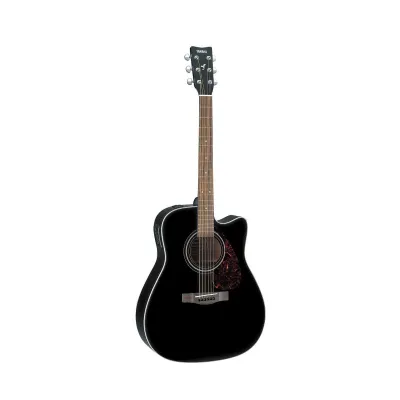
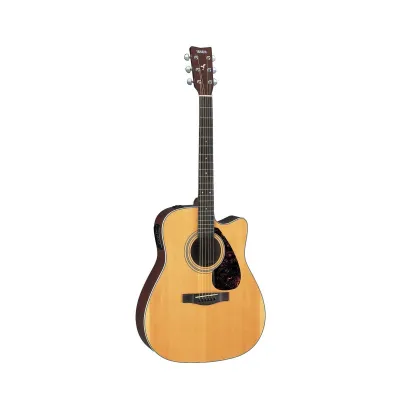

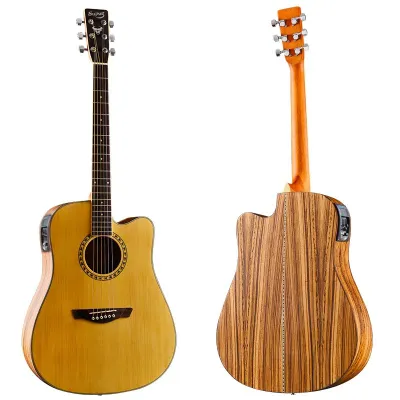
![Yamaha SLG200S Acoustic Electric Silent Guitar SRT Pickup Preamp Detachable SLG200 Series [LIMITED STOCK]](https://img.lazcdn.com/g/p/8c3638748c7d9eca939f1b277d4ab579.jpg_400x400q80.jpg_.webp)
Prices are valid at publication and may change. Please refer to the product page for the latest price.
In Singapore, a reliable entry-level acoustic-electric guitar typically ranges from S$250 to S$600. Instruments priced significantly below this range often suffer from poor quality control, sharp fret edges, and unstable tuning, which can severely hinder your progress. Investing in a reputable entry-level model ensures stable construction, reliable electronics, and a much more encouraging learning experience.
Key Specifications to Evaluate for Comfort and Sound
The physical size of the guitar affects both comfort and tone. Dreadnought bodies are large and deep, offering robust volume and strong bass, but they can feel cumbersome for smaller players or when sitting down. Concert and Auditorium shapes are more compact with a narrower waist, making them sit comfortably on the lap and offering a balanced sound that is easier to manage during long practice sessions. If you are of average height or prefer a more intimate playing feel, starting with a Concert or Auditorium body shape is highly recommended.

The neck profile refers to the shape of the back of the neck (often C-shaped or V-shaped). Beginners usually find slim C-shaped necks easier to wrap their hands around, allowing for easier chord transitions. String “action” is equally critical; high action requires immense finger pressure to fret notes, which slows down callus development and causes unnecessary pain. Look for a guitar that can be set up with low, even action across the entire fretboard, ensuring that you do not have to fight the instrument to produce a clean note.
Most entry-level acoustic-electric guitars use under-saddle piezo pickups paired with a side-mounted preamp. For a beginner, the most valuable preamp feature is a built-in digital tuner, which allows you to tune quickly without needing external devices or smartphone apps. Simple volume and basic equalization (EQ) controls (bass, middle, treble) are perfectly sufficient for shaping your plugged-in sound without becoming overwhelming, letting you focus on your playing technique rather than complex audio settings.
Guitars are built using either laminate wood or solid wood. Laminate bodies consist of layered wood sheets, making them highly durable, resistant to temperature changes, and cost-effective. Solid-top guitars feature a single piece of solid wood for the soundboard (the top), which vibrates more freely and produces a richer, more resonant tone that matures over time. While solid-top models require more careful environmental maintenance, they offer a noticeable upgrade in sound quality that can keep you inspired as your skills develop.
Matching Guitar Features to Your Playing Style
If your primary goal is to strum chords while singing, a larger body shape like a Dreadnought or a Grand Auditorium is highly beneficial. These shapes project a full, rich sound with plenty of low-end support that complements the human voice. Pairing these shapes with brighter tonewoods, such as a spruce top with mahogany back and sides, helps the guitar cut through clearly without muddying your vocals. This combination provides a solid rhythmic foundation for singer-songwriters.
For those interested in intricate fingerpicking or playing lead melodies, smaller body shapes like Concert or Parlor guitars are ideal. They offer a quicker acoustic response and a more balanced volume across all six strings, ensuring that individual notes do not get drowned out by heavy bass. Additionally, a slightly wider nut width (the width of the fretboard near the tuning pegs) provides more physical space between the strings, making it easier to place your fingers cleanly without accidentally muting adjacent strings.
Consider where you will play most often. If you plan to practice almost exclusively at home, a basic preamp with a simple volume control is more than enough. However, if you intend to perform live at open mics or community events in Singapore, look for a preamp system that includes a phase switch or notch filter. These features are designed to suppress low-frequency feedback, which frequently occurs when playing an acoustic-electric guitar at higher volumes near an amplifier or stage monitor. Having these tools built into your guitar gives you greater control over your sound in live settings.
In-Store Inspection and Buying Checklist in Singapore
Singapore’s tropical climate features consistently high relative humidity, often exceeding 80%. This moisture can cause the wood of an acoustic guitar to swell, leading to a warped neck, high action, or even loose internal bracing. When buying a guitar, plan to store it in a high-quality gig bag or hard case with silica gel packs or a dedicated instrument dehumidifier to maintain a stable environment. Understanding how to manage humidity is essential for protecting your investment over the long term.
When visiting local music retailers, perform a thorough physical check. Run your fingers gently along the edges of the neck to check for “fret sprout”—sharp metal fret ends that stick out due to wood shrinkage. Peer down the length of the neck from the headstock to ensure it is straight with only a very slight upward curve. Turn each tuning machine to verify they rotate smoothly without slipping, and plug the guitar into an amplifier to ensure the volume and EQ knobs adjust the sound cleanly without crackling or dropping out.
Always purchase from an authorized local retailer to secure a valid distributor warranty, which typically covers manufacturing defects for at least one year. Before finalizing your purchase, ask the store’s technician if they can perform an initial setup. A professional setup adjusts the truss rod, nut slots, and saddle height to ensure the guitar plays as easily and comfortably as possible right out of the box. Many local shops offer this service for free or a nominal fee with a new purchase, which can make a massive difference in how easy the guitar is to play.
Frequently Asked Questions (FAQ)
Do I need an amplifier to play an acoustic-electric guitar?
No, you do not need an amplifier to play or practice on an acoustic-electric guitar. Unplugged, it functions exactly like a standard acoustic guitar, projecting natural sound through its hollow body and soundhole. The presence of an under-saddle pickup and a side-mounted preamp does not hinder its acoustic performance, though some purists note that the physical pickup under the saddle can slightly alter the direct transfer of string vibration to the bridge. For daily practice and learning, playing unplugged is perfectly sufficient and highly convenient. You can always purchase an amplifier later when you are ready to perform or experiment with different sound effects.
Is a cutaway body design necessary for a beginner?
A cutaway design—where a section of the guitar body near the neck joint is curved inward—is not strictly necessary for a beginner. Its primary purpose is to allow easier physical access to the frets beyond the 12th fret, which is mostly useful for playing high-register solos and lead lines. Since most beginners spend their first several months mastering open chords, basic strumming patterns, and barre chords on the lower half of the neck, a non-cutaway (full-body) guitar is perfectly adequate and often provides a slightly fuller acoustic bass response. Choose a cutaway if you prefer the modern aesthetic or plan to transition quickly into lead guitar playing.
How can I tell when it is time to change my guitar strings?
You can tell it is time to change your strings by observing physical and auditory changes. Visually, old strings lose their metallic shine, turning dark gray, brown, or showing visible rust from sweat and humidity. Auditorily, they will sound dull, muddy, and lose their sustain, making your guitar sound lifeless. You may also notice that the guitar struggles to stay in tune or that the strings feel rough and stiff under your fingers. For a beginner practicing regularly in Singapore’s humid climate, changing strings every six to eight weeks is a good baseline to maintain a bright tone and smooth playability. Keeping fresh strings on your guitar also makes practicing more physically comfortable.
Community discussion
Share your experience or ask a question. Comments are reviewed before publication.