
For a beginner guitarist in Singapore, finding the right capo is one of the simplest yet most impactful upgrades you can make to your practice routine. A capo acts as a movable nut, effectively shortening the playable length of the strings to raise the pitch of the instrument. This allows you to play songs in different keys using the basic open chord shapes you already know, bypassing the need for complex barre chords early in your learning journey.
While the market is filled with various designs, the most practical choice for a beginner is a high-quality spring-loaded trigger capo. This style balances speed, ease of use, and affordability, making it highly suitable for those who are still developing finger strength and coordination. However, selecting the right model requires understanding how different mechanisms interact with your specific guitar, especially given the unique environmental factors in Singapore.
Quick Selection Guide for Beginner Guitarists
When you are starting out, your primary goal is to minimize friction during practice. A capo that is difficult to attach or adjust will only discourage you from using it. Therefore, prioritizing one-handed operation mechanisms is highly recommended. These designs allow you to quickly squeeze and reposition the capo with your non-dominant hand, keeping your practice momentum flowing without requiring you to set your guitar down or pause for long periods.
Products mentioned in this guide
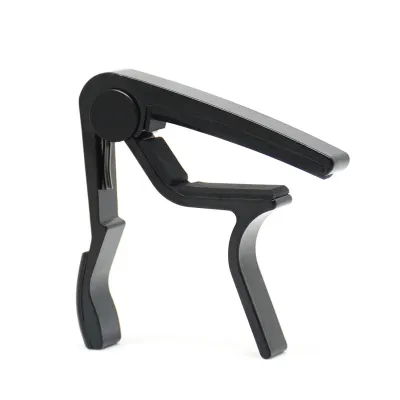
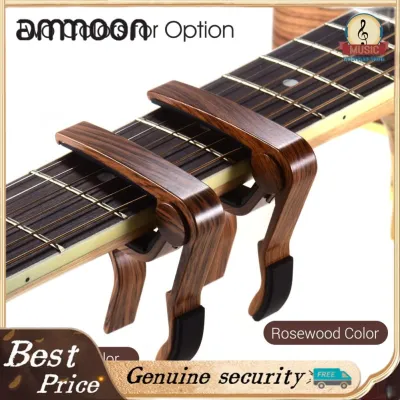
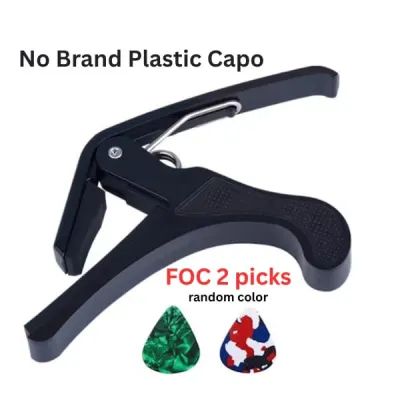
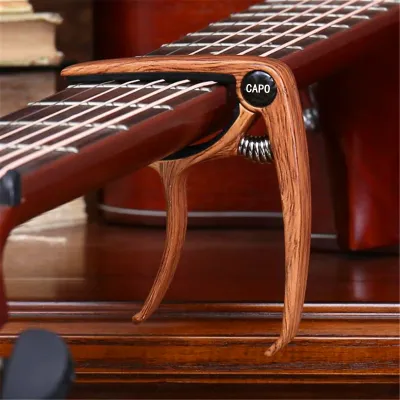
![[SG FREE ] Guitar Capo Tune Clamp Violin Ukulele Single-handed Acoustic](https://img.lazcdn.com/g/p/33e08b91a35a0f022db65ab15c505bdc.jpg_400x400q80.jpg_.webp)


![[LIMITED STOCK] Ziko DC-08 DC-10 Silver/Black High Grade Guitar Capo Alloy DC08 DC10 Absolute Piano Accessories DC 08 10 The Music Works Piano Store MA3](https://img.lazcdn.com/g/p/2d7342e7dc576db87b0ca33a0bc4f315.jpg_400x400q80.jpg_.webp)
Prices are valid at publication and may change. Please refer to the product page for the latest price.
While budget is always a consideration for beginners, opting for the cheapest unbranded options on general online marketplaces can lead to frustration. Very low-cost capos often utilize weak springs or low-grade plastic pads that fail to apply even pressure across all six strings. This uneven tension results in annoying string buzz or pulls certain strings sharp, forcing you to constantly retune your instrument. Investing a modest amount—typically between S$15 and S$40—in a well-constructed capo from a reputable brand will save you hours of tuning trouble.
Before making a purchase, your first step must be identifying your specific guitar type. Acoustic, classical, and electric guitars are built with different neck widths, fretboard curvatures, and string tensions. A capo designed for a curved electric guitar neck will not work effectively on a wide, flat classical guitar fretboard. Matching the capo’s design to your instrument’s physical specifications is the single most important filter to ensure clean, buzz-free notes.
Comparing Common Capo Mechanisms for Ease of Use
Understanding the mechanical differences between capo designs helps you choose one that matches your playing style and physical comfort. Each mechanism offers a distinct trade-off between the speed of application and the precision of tension control.

Trigger and Spring-Loaded Capos
Spring-loaded capos, often referred to as trigger capos, are the industry standard for a reason. They utilize a heavy-duty coiled spring to clamp the bar down across the strings. To apply or move the capo, you simply squeeze the handles to open the jaws, position it behind the desired fret, and release. This straightforward, one-handed operation makes them incredibly popular for live performances and casual home practice alike.
However, because the tension is entirely determined by the pre-installed spring, you cannot adjust the clamping force. On guitars with very low action or light string gauges, a strong spring can press the strings down too hard against the fretboard, pulling the notes slightly sharp. Additionally, because the pressure is applied from one side via a pivot point, there is a slight risk of uneven pressure on wider necks. Most quality trigger capos are constructed from lightweight aluminum alloy, which provides excellent durability without adding noticeable weight to your guitar’s neck.
Toggle and Strap-Style Capos
Strap-style and toggle capos represent some of the oldest and most lightweight designs available. These capos use an elastic band, a fabric strap, or a plastic toggle system that wraps around the back of the guitar neck and latches into pre-set notches or tension adjustments. Because they do not rely on heavy metal frames or thick springs, they are incredibly compact and easy to slip into a pocket or a small accessory compartment in your gig bag.
The primary drawback of strap-style capos is the learning curve associated with setting the correct tension. It can be difficult to pull the strap tight enough to prevent string buzz without pulling the strings sideways, which instantly ruins your tuning. Furthermore, the elastic material naturally stretches and degrades over time, especially when exposed to regular use, meaning these capos generally have a shorter lifespan than metal alternatives. They are best suited as highly portable backup options rather than your primary daily practice tool.
Screw, Clamp, and Partial Capos
Screw-tension and adjustable clamp capos utilize a threaded screw or an adjustable dial to fine-tune the exact amount of pressure applied to the strings. This design allows you to apply the absolute minimum force required to fret the notes cleanly, which preserves your guitar’s tuning stability and minimizes wear on your frets. They are highly favored by intermediate and advanced players who demand perfect intonation across the entire fretboard.
For absolute beginners, however, screw-tension capos can feel slow and cumbersome. They require two hands to install and adjust, which can disrupt the flow of a practice session when you need to change keys quickly. Partial capos, which only clamp down on a select few strings (such as covering only three strings to create an open tuning effect), are specialized tools. While they offer fascinating creative possibilities, they are not suitable for beginners who need a standard full-barre capo to play everyday songs.
Essential Fit and Compatibility Checks Before Buying
To ensure your new capo performs flawlessly, you must perform a few physical checks on your guitar before committing to a purchase. The first and most critical dimension is the fretboard radius. Most acoustic and electric guitars have a curved fretboard, meaning the wood gently arches from side to side to make fretting chords more comfortable. Classical guitars, on the other hand, almost always feature a completely flat fretboard. You must choose a capo with a matching profile; a flat capo on a curved fretboard will pinch the outer strings while leaving the middle strings loose and buzzing.
Next, consider the nut width and neck profile of your instrument. Some guitars have exceptionally thick necks or wider nut widths, such as 12-string acoustics or nylon-string classical guitars. Standard capos designed for six-string electric guitars may not be wide enough to cover all the strings on these instruments, leading to muted notes on the outer edges. Checking the manufacturer’s specifications for both your guitar and the capo will help you verify that the clamping bar is long enough to span the entire width of your fretboard.
String gauge and action height also play a significant role in how a capo performs. If your guitar is set up with heavy-gauge strings or has a high action (where the strings sit relatively far from the fretboard), you will require a capo with sufficient clamping force to press the strings down cleanly. Conversely, if you play an electric guitar with ultra-light strings and low action, a capo with excessive, non-adjustable spring tension will easily pull your chords out of tune.
Finally, pay close attention to the padding material on the capo. The areas of the capo that contact your guitar—both the bar pressing the strings and the pad resting against the back of the neck—must be lined with high-quality, protective material. In Singapore’s hot and highly humid climate, cheap synthetic rubbers can degrade rapidly, becoming sticky, brittle, or leaving oily residues on your instrument. Look for capos that utilize high-grade, chemically stable silicone padding. This material not only protects your guitar’s finish from scratches and chemical reactions but also mimics the soft texture of a human finger, ensuring a clean tone without dampening string sustain.
Buying Channels and Verification in Singapore
When you are ready to purchase a capo in Singapore, you have several reliable avenues to explore, each with its own advantages. Visiting established physical music instrument retailers is highly recommended for beginners. Singapore has vibrant music retail hubs, particularly around the Bras Basah Complex and Peninsula Shopping Centre, as well as various shopping malls across the island. Shopping in person allows you to physically handle different capos, test the stiffness of the spring mechanisms, and even ask the store staff to help you test the fit on a guitar similar to your own.
If you prefer the convenience of online shopping, utilizing official brand stores or reputable local music retailers’ web portals is much safer than buying from unverified third-party sellers on general online marketplaces. When browsing online listings, always verify the exact model numbers and manufacturer specifications. Avoid listings that rely solely on generic, unbranded images or make vague promises of universal compatibility without listing physical dimensions.
Purchasing from authorized local channels also ensures you receive genuine products rather than low-quality counterfeits. Premium capo brands often feature precise engineering and high-grade materials that are frequently copied by unauthorized manufacturers. By verifying the seller’s authorization status, you secure access to local customer support and genuine warranty coverage. This peace of mind is well worth the minor price difference, ensuring that if your capo experiences any manufacturing defects, you can easily obtain a replacement or repair locally.
Frequently Asked Questions (FAQ)
Can one capo fit both acoustic and electric guitars?
In many cases, a single capo can be used on both acoustic and electric guitars, provided both instruments share a similar curved fretboard radius. Because most modern steel-string acoustic and electric guitars feature curved fingerboards, a standard curved capo will physically fit across the strings of both types. This makes it highly convenient if you regularly switch between the two instruments during your practice sessions.
However, you must remain mindful of the difference in string tension and neck thickness between the two guitar types. Electric guitars typically use much lighter string gauges and have lower action than acoustic guitars. If you use a heavy-duty, non-adjustable spring capo designed primarily for the high tension of an acoustic guitar on an electric guitar, the excessive pressure can easily pull the lighter electric strings sharp. For the best results across both instruments, consider using an adjustable-tension capo that allows you to back off the pressure when switching to your electric guitar.
Why does my guitar sound out of tune after applying a capo?
It is incredibly common for a guitar to sound slightly out of tune immediately after you attach a capo. The primary mechanical reason for this is excessive clamping force. When a capo presses down on the strings with more pressure than is necessary to fret the notes, it stretches the strings downward toward the wood of the fretboard, pulling the pitch sharp. This effect is amplified if the capo is placed too far behind the fret wire, as the string has more room to bend.
To minimize this issue, always place your capo as close to the fret wire as possible without sitting directly on top of it. This positioning requires the least amount of pressure to produce a clean note and keeps the string alignment straight. Additionally, ensure you clamp the capo straight down rather than pulling or pushing the strings sideways during installation, which introduces lateral tension. Finally, remember that even with perfect placement, the physical act of clamping changes the overall tension of the neck slightly, so it is always good practice to perform a quick fine-tuning check after the capo is securely in place.
Community discussion
Share your experience or ask a question. Comments are reviewed before publication.