
Selecting your first instrument is an exciting milestone, but protecting that investment is just as crucial for your musical journey. For most beginners, a standard gig bag is the most practical solution to shield an instrument from dust, light bumps, and environmental shifts. When shopping, finding a reliable ukalele ordinary bag (a common search term for standard, everyday ukulele cases) requires balancing cost-effectiveness with essential protective features.
The primary purpose of a basic bag is to prevent structural damage and scratches during storage or light travel. You do not need to invest in an expensive, heavy-duty flight case when you are just starting out. Instead, focusing on a few core specifications—such as precise sizing, adequate interior padding, resilient exterior fabric, and comfortable carrying straps—will ensure your instrument remains safe without draining your budget.
In Singapore’s unique tropical climate, a basic bag also serves as an important first line of defense against sudden weather changes and high humidity. By understanding what makes a bag functional and durable, you can make an informed purchase that keeps your instrument in peak playing condition.
Products mentioned in this guide
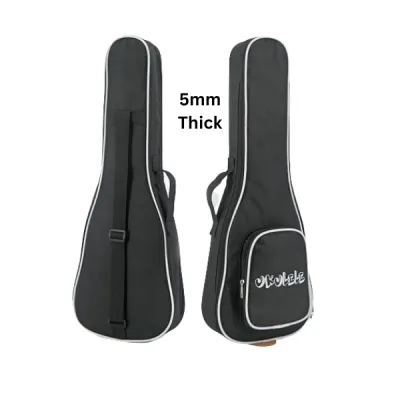
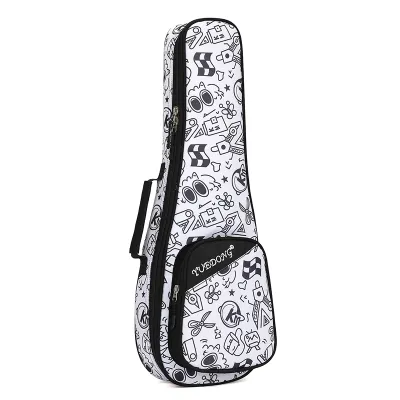
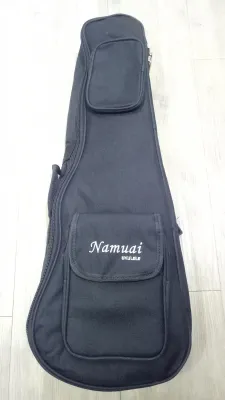
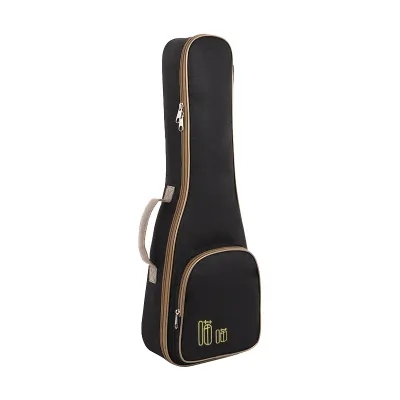
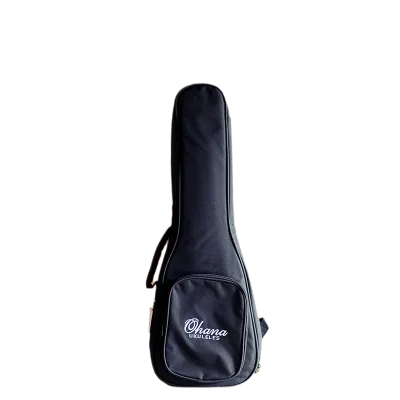
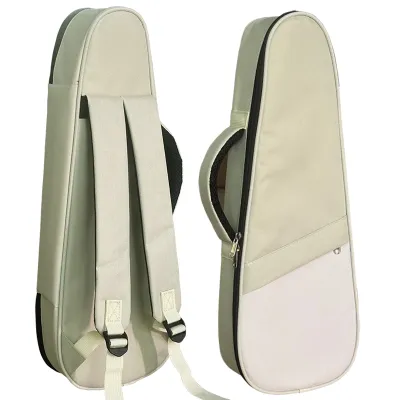
Prices are valid at publication and may change. Please refer to the product page for the latest price.
Match Your Ukalele Ordinary Bag Size to Your Instrument's Scale
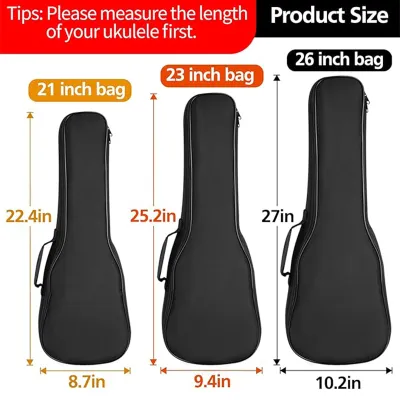
Ukuleles come in four primary sizes, and your bag must match your specific instrument type to provide proper protection. The standard sizes are soprano (typically 21 inches), concert (23 inches), tenor (26 inches), and baritone (30 inches). Because these instruments vary significantly in length, body width, and neck thickness, a bag designed for one scale will not safely accommodate another.
If you place a small soprano instrument into a larger tenor bag, the instrument will shift constantly during transport. This movement can cause the headstock to knock against the bag’s interior walls, potentially detuning the strings or damaging the delicate tuning pegs. Conversely, forcing a larger concert or tenor instrument into a soprano bag will strain the zippers, compress the wood, and potentially crack the body or bend the neck.
To find the correct fit, measure your instrument manually before browsing online or visiting a local retail shop. Use a flexible measuring tape to determine the total length from the very top of the headstock to the bottom edge of the body. You should also measure the widest part of the lower body (the lower bout) and the depth of the body side panels.
Never rely solely on generic size labels like “medium” or “standard,” as different manufacturers use slightly different design templates. Always compare your instrument’s physical measurements against the internal dimensions listed on the bag’s product specification sheet. A proper fit should allow you to slide the instrument in easily and zip the bag fully without applying pressure or forcing the fabric to stretch.
Evaluate Padding Thickness and Interior Lining Protection
The padding inside a gig bag is the primary barrier between your instrument and the outside world. Extremely cheap, unpadded bags—often referred to as dust covers—consist of a single layer of thin nylon. While these covers are suitable for keeping dust off an instrument stored on a shelf at home, they offer virtually zero protection against bumps, drops, or accidental impacts during travel.

For regular transport, look for a padded gig bag that features a minimum of 5mm to 10mm of high-density foam. If you plan to carry your instrument on public transit, such as the MRT or buses, a 10mm or 15mm foam layer is highly recommended to absorb sudden shocks from crowded spaces. High-density foam acts as a cushion, dispersing the energy of an impact before it can reach the wooden body of your instrument.
The material lining the inside of the bag is just as important as the thickness of the padding itself. Rough interior fabrics can act like sandpaper, slowly scratching the delicate satin or gloss finish of your instrument over time. Look for soft linings made of brushed cotton, smooth nylon, microfiber, or fleece that will glide gently over the wood and hardware.
When inspecting a bag in person, you can perform a simple physical test to gauge the quality of the protection. Press the padded sides firmly between your thumb and forefinger; if the foam collapses completely with little resistance, it is low-density and will offer minimal shock absorption. Additionally, check if the bag includes a dedicated neck strap or a padded block inside to cradle the neck and keep the headstock secure.
Check the Outer Fabric Durability and Weather Resistance
The exterior fabric of your bag must be tough enough to resist tearing, scuffing, and daily wear. Most ordinary bags utilize synthetic woven fabrics like polyester or nylon, which are categorized by their denier (D) rating. A higher denier rating, such as 600D, indicates a thicker, more tightly woven thread that provides excellent durability and puncture resistance.
While traditional canvas bags offer a classic aesthetic, they tend to be heavier and can absorb moisture more readily than synthetic alternatives. In Singapore’s highly humid environment, moisture absorption can encourage mold growth and warp the wood of your instrument. Synthetic fabrics like Oxford nylon or heavy-duty polyester are generally better suited for tropical climates because they dry quickly and resist mildew.
Zippers and stitching are the most common points of failure on any instrument bag. Inspect the zippers to ensure they have large, sturdy metal teeth and smooth-gliding pull tabs that do not catch on the fabric. The stitching around stress points, particularly where the straps and handles connect to the main body, should be reinforced with cross-stitching or heavy-duty nylon thread.
Sudden tropical downpours are a regular occurrence, making basic weather resistance a highly valuable feature. While an ordinary bag is rarely fully waterproof, many feature a water-repellent exterior coating that allows water droplets to bead up and roll off. Always check the manufacturer’s care instructions or product descriptions to verify if the fabric has been treated with a water-resistant layer to protect your instrument during a brief run through the rain.
Assess Carry Straps, Reinforced Handles, and Storage Pockets
A functional bag must be easy and comfortable to carry, whether you are walking to a music lesson, heading to a community jam session, or traveling. Look for adjustable backpack-style shoulder straps that allow you to carry the instrument hands-free. Ensure these straps are wide enough to distribute the weight evenly across your shoulders, and check for light padding to prevent the straps from digging in during longer walks.
The side carry handle is another essential feature, providing a quick way to lift and move the bag over short distances. This handle should be heavily reinforced with extra stitching or metal rivets to prevent it from tearing away under tension. A padded wrap around the handle will also make carrying the bag by hand significantly more comfortable.
Practical storage pockets are necessary for keeping your essential accessories organized and readily accessible. A standard bag should feature at least one large zippered pocket on the front of the body. This pocket should be spacious enough to hold a clip-on tuner, a spare set of strings, a capo, cleaning cloths, and perhaps a small notebook or chord sheet.
Avoid bags with excessively bulky or heavy multi-pocket designs, as these add unnecessary weight and defeat the purpose of a lightweight gig bag. The goal is to find a streamlined design that keeps your accessories secure without making the bag awkward to handle. Ensure the accessory pocket has a reliable zipper to prevent small items like picks or tuners from falling out during transit.
Balance Your Budget and Protection Requirements
As a beginner, you do not need to spend an excessive amount of money to get a high-quality, protective bag. In Singapore, a reliable, ordinary padded gig bag with 10mm of foam padding typically ranges from S$15 to S$35. Unpadded dust covers are often priced under S$10, but they do not offer enough protection for travel, while premium hard cases can easily exceed S$60 to S$100.
To get the best value, prioritize essential features over cosmetic upgrades or premium branding. Ensure the bag fits your instrument perfectly, has at least 10mm of padding, and features durable zippers and water-resistant fabric. You can easily compromise on luxury elements like leather trim, designer color schemes, or excessive storage compartments that do not actively improve protection.
Before making a final purchase, double-check your measurements and read customer feedback regarding zipper durability and seam strength on online marketplaces or local music store websites. If possible, visiting a physical music shop in Singapore allows you to test the fit and feel the padding density firsthand. This hands-on approach ensures you buy a cost-effective bag that will keep your instrument secure for years to come.
Frequently Asked Questions (FAQ)
Can I use a small guitar bag for my ukulele?
You should avoid using a guitar bag for a smaller instrument, even if it seems convenient. The excess space inside a guitar bag allows your instrument to slide around freely during transport. This movement can easily lead to structural damage, broken tuning pegs, or a cracked neck if the bag is bumped or dropped. Always use a dedicated, properly sized bag to ensure a snug and secure fit.
How do I clean a nylon ukulele bag?
To clean a nylon bag safely, spot-clean the exterior fabric using a damp cloth, lukewarm water, and a small amount of mild liquid soap. Gently rub the stained area, then wipe away any soap residue with a clean, damp cloth and allow the bag to air-dry completely in a shaded, well-ventilated area. Avoid machine washing or submerging the bag in water, as this can degrade the internal foam padding and rust the metal zippers.
Do I need a hard case instead of a basic gig bag?
For most beginners, a basic padded gig bag is perfectly adequate for daily storage, home use, and local commutes to lessons. A hard case is generally only necessary if you plan to travel by air, ship your instrument, or transport it in crowded environments where heavy objects might be stacked on top of it. If your routine consists of light travel and careful handling, a lightweight gig bag offers excellent, cost-effective protection.
Community discussion
Share your experience or ask a question. Comments are reviewed before publication.