
Selecting the perfect art or craft book is a highly personal decision that goes far beyond an eye-catching cover design. To find a book that truly elevates your practice, you must align the publication’s instructional depth with your current technical abilities and your ultimate creative aspirations. Whether you are carving out a quiet weekend hobby in a cozy apartment or building a professional portfolio for a competitive creative industry, matching the book’s format to your learning style ensures your time and materials are well spent.
An inappropriate book choice can quickly lead to frustration. A book that is too advanced may leave you confused by unexplained jargon, while a book that is too basic might fail to challenge you, leading to boredom. By taking a systematic approach to evaluating your skills, defining your goals, and inspecting book formats, you can build a personal library that inspires and instructs in equal measure.
Assess Your Current Skill Level and Experience
Before browsing the shelves of a local bookstore or scrolling through online catalogs, take an honest inventory of your current abilities in your chosen medium. Beginners typically require books that assume no prior knowledge, offering comprehensive introductions to basic tools, safety protocols, and material characteristics. If you are new to watercolor, for example, you need a book that explains paper weights, pigment transparency, and brush shapes before introducing complex painting techniques.
Products mentioned in this guide
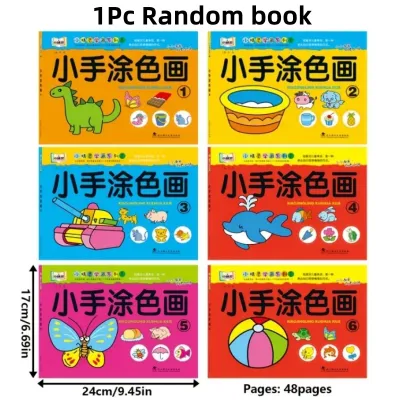
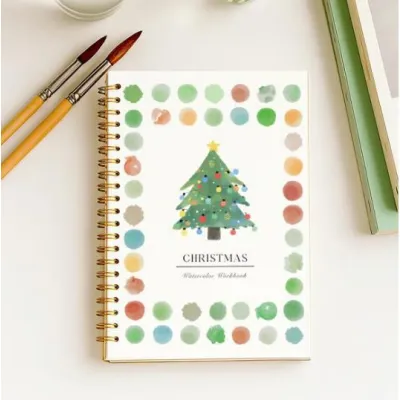
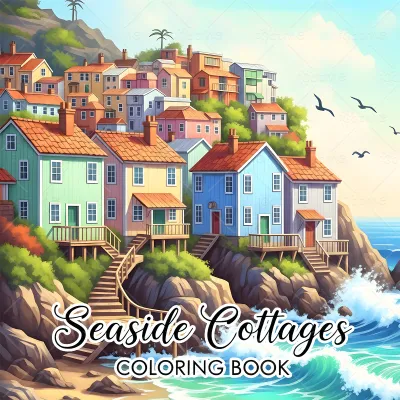
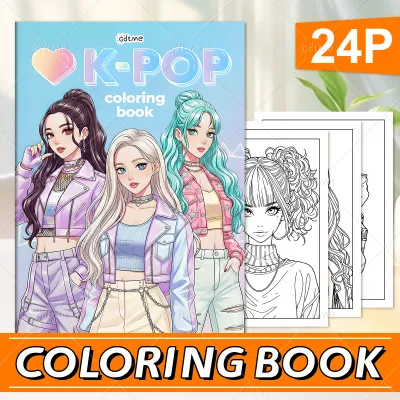
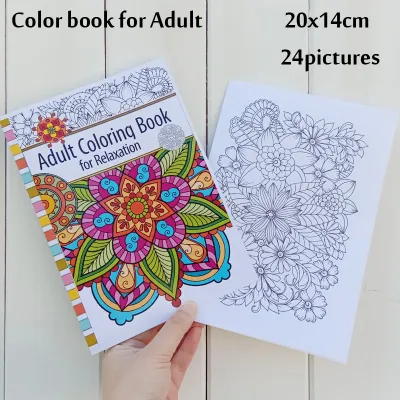
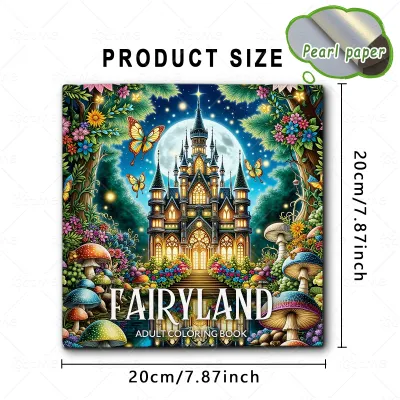
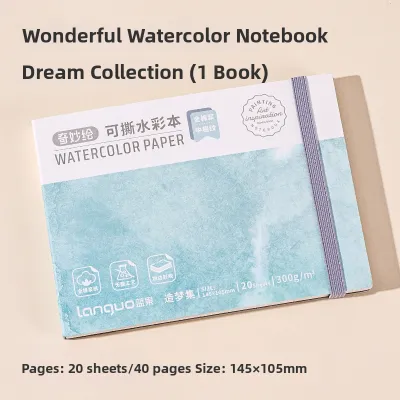
Prices are valid at publication and may change. Please refer to the product page for the latest price.
Intermediate creators usually understand the basic tools and can complete simple projects independently, but they often struggle with complex compositions, advanced assembly, or troubleshooting mistakes. At this stage, you should look for books that transition away from rigid project recipes and focus instead on refining your execution, understanding design principles, and mastering intermediate techniques like color theory or intricate joinery.
Advanced artists and crafters already possess strong technical control and are looking to develop a unique personal style, master highly specialized historical methods, or optimize professional workflows. If you fall into this category, general instructional guides will offer little value. Instead, seek out monographs by master artisans, advanced technical manuals, or books that explore the conceptual and philosophical aspects of your craft.
It is also important to evaluate your transferable skills when starting a new discipline. If you are an experienced sketch artist transitioning to oil painting, you already understand perspective, value, and composition, meaning you can likely bypass general drawing guides. However, because paint application and medium chemistry are entirely new to you, you will still need a beginner-level resource specifically focused on paint handling and safety.
Recognizing a skill plateau is another clear indicator of your current educational needs. If you find yourself repeating the same familiar patterns or feeling limited by your technical execution, your current library may no longer serve you. Recurring frustration with a specific process, such as achieving clean edges in pottery or neat tension in knitting, indicates that you need a highly technical, specialized resource to break through that specific barrier.
Define Your Creative Goals and Learning Style
Your creative goals dictate the type of book structure that will be most beneficial to your journey. If your primary objective is casual relaxation and stress relief, look for books that emphasize low-pressure, repetitive processes with minimal material requirements, such as basic embroidery, simple doodling, or introductory clay modeling. These books prioritize the therapeutic process of making over rigid technical perfection.

If your goal is structured skill mastery, you require a highly organized curriculum that guides you through progressive exercises. These books function like a self-paced course, where each chapter builds directly on the skills learned in the previous one, complete with practice prompts and self-assessment checklists. This structured approach keeps you accountable and ensures you do not skip crucial foundational steps.
For those aiming for professional development or portfolio building, the ideal book focuses on industry standards, advanced presentation, and commercial viability. These resources often include case studies, business advice, and technical specifications that help you transition from a skilled hobbyist to a working professional or commercial artisan.
Your preferred learning style also plays a critical role in how effectively you absorb written instruction. Visual learners should prioritize books filled with high-resolution, step-by-step photography, clear diagrams, and color-coded charts that show exact hand positions and tool angles. Analytical learners, on the other hand, may prefer text-heavy volumes that dive deep into the science of materials, historical context, and the underlying theory of the craft.
Finally, be realistic about your available time commitment and physical workspace. A book detailing complex woodcarving or large-scale oil painting may not be practical if you only have a small dining table and an hour of free time each week. Choose books that offer projects and techniques compatible with your lifestyle, ensuring you can actually apply what you read without feeling overwhelmed by space or time constraints.
Match Book Formats to Your Skill and Goal Profile
Once you understand your skill level and goals, you can match them to specific book formats. Project-driven guides are highly effective for beginners and casual hobbyists because they offer quick wins. By following a step-by-step recipe to create a specific item, such as a knitted scarf or a ceramic mug, you build immediate confidence and finish the process with a tangible product to show for your efforts.
Technique-heavy manuals are better suited for intermediate and advanced learners who want to move beyond copying other people’s designs. These books focus on teaching the core mechanics of a medium, such as how to draft your own sewing patterns, mix any color from a limited palette, or carve various wood joints. While they may not result in a finished project immediately, they empower you with the independence to design and execute your own unique creations.
Step-by-step visual tutorials bridge the gap between theory and practice, making them indispensable for hands-on execution. They allow you to compare your work-in-progress directly with the illustrations on the page, helping you identify errors in real time. These are particularly useful for physical crafts like origami, leatherworking, or calligraphy, where the precise movement of your hands is critical to the outcome.
Conceptual inspiration and theory books are designed for creative expansion rather than direct instruction. These volumes often showcase galleries of work by contemporary artists, explore the history of a movement, or discuss the creative philosophy behind a craft. They are excellent for advanced makers looking to find their unique voice, overcome creative blocks, or find fresh inspiration for their next major project.
When building your library, balance broad foundational encyclopedias with highly specialized niche books. A comprehensive encyclopedia of embroidery stitches serves as an excellent lifetime reference guide on your shelf. However, when you want to master a specific, intricate style like goldwork or stumpwork, you will need to supplement that general reference with a highly specialized book dedicated entirely to that single niche.
Inspect Book Quality and Format Before Purchase
Before investing your hard-earned S$ in a new addition to your studio, perform a thorough quality check. If you are shopping in a physical bookstore, flip through the pages to assess the layout, font size, and overall readability. If you are purchasing online, make full use of “look inside” previews to examine the table of contents and ensure the instructional progression feels logical and comprehensive.
Pay close attention to image clarity and printing quality. In detailed crafts like jewelry making, miniature painting, or lace knitting, blurry or poorly lit photographs can make instructions impossible to follow. Ensure that diagrams are clearly labeled and that the text references the images accurately, so you are never left guessing which step corresponds to which illustration.
Consider the physical binding of the book, as this directly impacts its usability in a hands-on studio environment. Books that refuse to stay open on your worktable are incredibly frustrating to use when your hands are covered in paint, clay, or glue. Prioritize spiral-bound or lay-flat designs that sit open naturally, or look for softcover books with flexible spines that can be easily weighted down without damaging the binding.
If you prefer digital, audio, or multimedia formats, verify all technical specifications before purchasing. Check for regional restrictions, file format compatibility with your specific e-reader or tablet, and whether the purchase includes access to downloadable templates or video links. Ensure the digital platform allows you to zoom in on high-resolution patterns and diagrams without losing image quality, which is essential for precise crafting work.
Frequently Asked Questions (FAQ)
Can I use a beginner book if I have experience in a different art medium?
Yes, but you should approach the book strategically. Your existing knowledge of core design principles, such as composition, color harmony, and balance, will give you a significant head start. However, the physical handling of new tools, material chemistry, and safety protocols must still be learned from the ground up.
To make the most of a beginner book without feeling bored, skim through the introductory chapters that cover basic design theory. Focus your attention heavily on the sections detailing tool maintenance, material preparation, and the unique physical techniques of the new medium, ensuring you build a safe and correct physical foundation.
Are digital art and craft books as effective as physical copies?
Digital art and craft books can be highly effective, but their utility depends on your working environment and personal preferences. Digital editions offer excellent portability, searchable text, and the ability to zoom in closely on intricate patterns or tiny details, which is incredibly helpful for complex crafts.
However, physical books remain highly popular because they eliminate the risk of getting messy materials like paint, clay, or water on expensive electronic screens. They also provide a tactile, glare-free reading experience under studio lighting. Before buying a digital version, ensure you have a safe way to mount your device in your workspace and check that the file format allows for easy offline access.
Community discussion
Share your experience or ask a question. Comments are reviewed before publication.