
Finding the right calligraphy practice book is the most critical step in your journey toward mastering beautiful lettering. A well-designed workbook does more than just provide empty lines; it guides your hand through the muscle memory needed to control line width, spacing, and slant. For beginners in Singapore, this choice requires careful consideration of paper quality, binding, and style compatibility to ensure your practice sessions are rewarding rather than frustrating.
With a vast array of workbooks available online and in local specialty shops, selecting the ideal starting point can feel overwhelming. By focusing on your specific lettering goals and understanding the physical characteristics of high-quality practice paper, you can easily find a book that matches your chosen tools and learning pace. This guide will walk you through the essential factors to evaluate before making your purchase.
Understanding Your Calligraphy Goals and Lettering Style
Before purchasing a practice book, you must decide which calligraphy style you want to learn, as each style requires entirely different tools, hand movements, and page layouts. Modern brush lettering is highly popular for its casual, expressive look and is characterized by thick downstrokes and thin upstrokes. Traditional copperplate calligraphy, on the other hand, is a classic, elegant script that relies on precise angles and delicate flourishes. Italic calligraphy uses a structured, slanted alphabet with a historical feel, relying on broad, flat edges rather than flexible tips.
Products mentioned in this guide
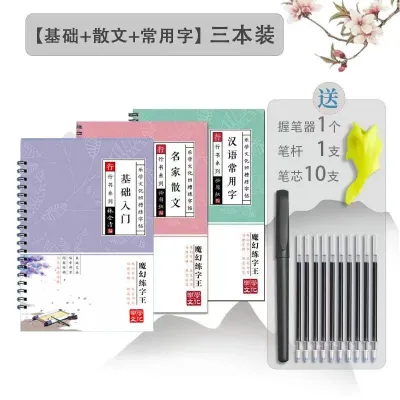
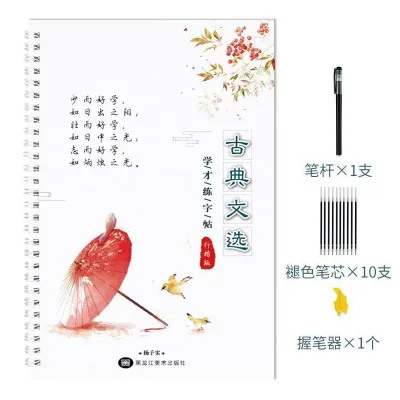
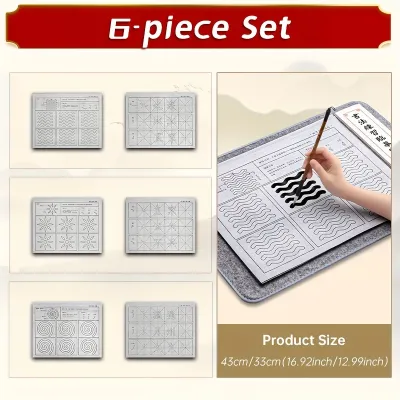
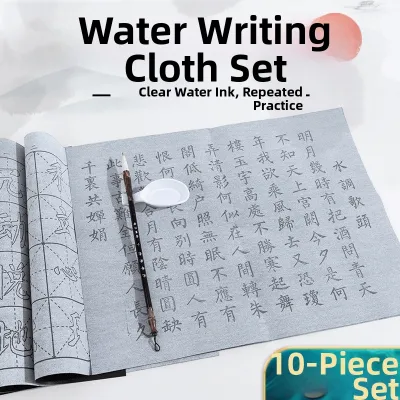
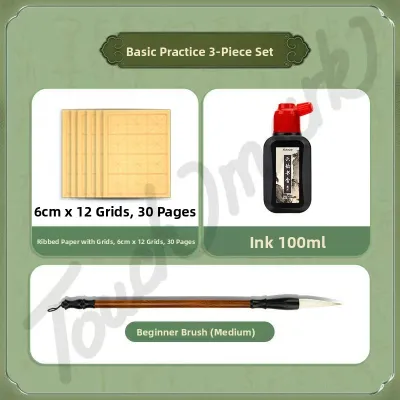
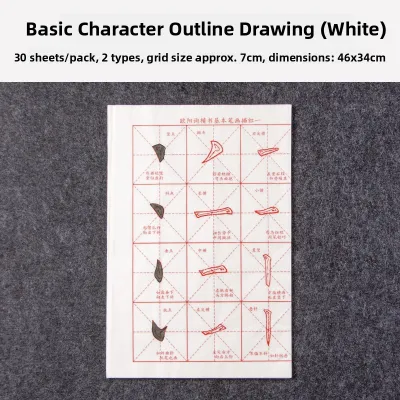
Prices are valid at publication and may change. Please refer to the product page for the latest price.
Your chosen style dictates the specific tools you will use, and your practice book must accommodate them. Modern brush lettering is typically practiced with flexible brush pens, which require smooth paper to prevent the delicate felt tips from fraying. Traditional copperplate requires a pointed metal nib attached to an oblique or straight pen holder, using liquid ink that can easily saturate thin paper. Italic calligraphy utilizes broad-edge fountain pens or parallel pens, which demand consistent ink absorption and structured grid lines.
Consider your personal learning preferences when looking at book layouts. Some beginners thrive on direct tracing, where you write directly over light gray letters to build immediate muscle memory. Others prefer guided drills that offer step-by-step directional arrows before transitioning into empty grid lines. If you prefer a highly structured approach, look for books that dedicate ample space to repetitive stroke practice before introducing full letters.
Alternatively, if you prefer a more creative and flexible path, look for workbooks that quickly transition from basic alphabet drills to complete words, phrases, and decorative projects. Many modern workbooks combine these approaches, offering a mix of strict technical drills and creative layout templates. Identifying your learning style early prevents you from buying a book that feels either too tedious or too advanced for your current skill level.
Key Features to Evaluate in a Beginner Practice Book
The physical construction of a practice book directly impacts how easily you can write and how well your tools perform. Paper quality and weight are the most critical specifications to check. Calligraphy inks and wet brush pens will easily bleed through thin, porous paper, ruining the reverse side of the page and causing “feathering,” where the ink spreads out into messy, spiderweb-like lines. Look for books that specify a paper weight of at least 100 gsm (grams per square meter) or higher, or those that explicitly state they use bleed-resistant, ultra-smooth paper.

In Singapore’s warm and humid climate, paper naturally absorbs moisture from the air over time. This ambient humidity can make standard paper even more prone to ink bleeding and feathering. Choosing a workbook with high-quality, coated, or heavy-weight paper ensures that your ink stays crisp and sharp on the page, regardless of seasonal humidity levels. Smoothness is also vital; rough paper fibers will catch on pointed metal nibs and cause ink splatters, while also wearing down the tips of expensive brush pens.
Guide sheets and grids are another essential feature of any effective practice book. A blank page is incredibly difficult for a beginner to navigate. A proper calligraphy workbook should feature clear, printed guidelines consisting of a baseline, a waistline (or x-height marker), and ascender and descender lines. For traditional styles like copperplate, the pages must also include slanted angle lines (usually set at 55 degrees) to help you maintain a consistent slope across all your letters.
Pay close attention to the binding of the book. Standard paperback books with tight, glued spines are notoriously difficult to use for calligraphy because they do not lie flat on your desk. You will constantly find yourself fighting the curve of the page, which distorts your hand angle and ruins your letter forms, especially when writing near the inner margin. Look for workbooks with spiral binding, wire-o binding, or lay-flat stitch binding, which allow the book to open completely flat so you can focus entirely on your pen control.
Finally, evaluate the content progression of the workbook. A high-quality beginner book should never start with full words or even complete letters. It must begin with the fundamental strokes—such as underturns, overturns, compound curves, and ascending loops. Mastering these basic shapes is the secret to consistent calligraphy, as every letter in the alphabet is simply a combination of these core strokes. Ensure the book guides you logically from these basic elements to lowercase letters, uppercase letters, and eventually word connections.
Building Your Shortlist and Buying in Singapore
When you are ready to purchase your calligraphy practice book, exploring a mix of local physical stores and online retailers will give you the best selection. Visiting brick-and-mortar art supply shops and bookstores in Singapore, particularly around cultural and arts hubs like Bras Basah Complex, offers a distinct advantage. It allows you to physically feel the paper texture, inspect the binding, and sometimes even test the paper thickness before committing to a purchase.
If you prefer the convenience of online shopping, local e-commerce platforms and international book retailers offer a massive selection of global calligraphy titles. When browsing online, pay close attention to the product descriptions to verify whether you are purchasing a physical, printed book or a digital download. Many independent calligraphers sell digital practice sheets as PDFs; while these are highly convenient, you will need to print them yourself on high-quality, calligraphy-friendly paper to get the best results.
To ensure the book’s paper can handle your specific pens, read user reviews thoroughly. Look for feedback from other buyers who mention the specific tools they used, such as “no bleeding with brush pens” or “holds up well to dip pen ink.” Reviews that complain about “ghosting” (where the writing is visible on the back of the page) or “fraying” are clear indicators that the paper quality may not be sufficient for wet media.
Always double-check the edition and language of the book before finalizing your order. Some popular calligraphy workbooks are published in multiple editions, with some designed specifically for left-handed writers or tailored to specific pen brands. Confirming these details ensures you receive a complete, physical workbook that perfectly matches your hand orientation and learning goals.
Essential Tools to Pair With Your Practice Book
To get the most out of your new practice book, you must pair it with the correct writing instruments. If your workbook focuses on modern brush lettering, start with small-tip brush pens rather than large-tip ones. Small-tip pens feature firmer, more resilient nylon nibs that are significantly easier for beginners to control, allowing you to create sharp contrasts between thin upstrokes and thick downstrokes without requiring extreme hand pressure.
If you are diving into traditional copperplate or italic calligraphy, you will need to select compatible inks and holders. For pointed pen work, a reliable oblique pen holder helps you achieve the necessary 55-degree angle without twisting your wrist uncomfortably. Pair this with a flexible metal nib and a high-quality, free-flowing calligraphy ink. Avoid thin, watery fountain pen inks, which tend to pool and bleed on practice paper; instead, opt for pigmented acrylic or sumi inks that dry to a crisp, opaque finish.
Regardless of the paper quality in your workbook, it is highly recommended to use a protective backing sheet or blotter. Placing a sheet of heavy cardstock, smooth watercolor paper, or a plastic writing board directly beneath the page you are working on serves two purposes. It prevents any accidental ink bleed-through from marking the clean pages underneath, and it cushions your pen strokes, providing a smoother, more consistent writing surface.
Frequently Asked Questions (FAQ)
Can I use regular printer paper for calligraphy practice?
Standard printer paper is generally not suitable for calligraphy practice, especially if you are using wet inks or brush pens. Typical copy paper has a weight of only 70 gsm to 80 gsm and is highly porous, which causes calligraphy ink to bleed through the page and feather rapidly. This makes it incredibly difficult to achieve the sharp, clean lines that define beautiful calligraphy.
If you want to use loose sheets for extra practice, look for specialized high-grade printer paper, such as ultra-smooth heavy-weight copy paper rated at 100 gsm or higher. Before committing to a long practice session on any new paper, always test a small corner with your chosen pen. If you observe any ink spreading or bleeding to the back, transition to a dedicated calligraphy practice pad or a higher-quality workbook.
How long does it take to see improvement using a practice book?
The time it takes to see noticeable improvement depends heavily on the consistency of your practice rather than the total number of hours logged. Practicing for 15 to 20 minutes every day is far more effective than attempting a single three-hour session once a week. Daily practice helps build the muscle memory and fine motor control required to execute smooth, steady strokes.
Most beginners who practice consistently for fifteen minutes a day will begin to see a noticeable improvement in their line consistency and letter shapes within two to three weeks. Focus your early sessions entirely on mastering the basic strokes before rushing into writing full words or sentences. Your progress will also vary depending on the complexity of your chosen style and your familiarity with holding drawing or writing instruments.
Community discussion
Share your experience or ask a question. Comments are reviewed before publication.