
Starting to learn Mandarin Chinese can feel overwhelming due to the unique writing system and tonal nature of the language. Choosing the right Chinese flash cards is one of the most effective ways to build a solid vocabulary foundation. To make an informed choice, you must evaluate how a deck presents characters, whether it supports your specific learning goals, and whether a physical or digital format fits your daily routine. By focusing on essential linguistic features and verifying product specifications before purchasing, you can select a tool that accelerates your path to fluency.
Core Features to Evaluate in Beginner Flash Cards
Mandarin is a tonal language where a change in pitch completely alters the meaning of a word. Beginner flash cards must feature clear Pinyin transcription accompanied by accurate tone marks, such as the macron, acute, caron, and grave accents. Look for cards that also include phonetic guides or spelling rules, especially for tone changes that occur when certain characters are paired together. Without these guides, you risk memorizing incorrect pronunciations that are difficult to unlearn later.
Chinese characters exist in two primary writing systems: Simplified and Traditional. Simplified characters are standard in mainland China and Singapore, while Traditional characters are used in Taiwan, Hong Kong, and many overseas communities. Before selecting a flash card set, determine which system aligns with your personal, professional, or travel goals. The most versatile beginner decks clearly label which system they use, and some sets even display both variants side-by-side to help you recognize the structural relationships between them.
Products mentioned in this guide
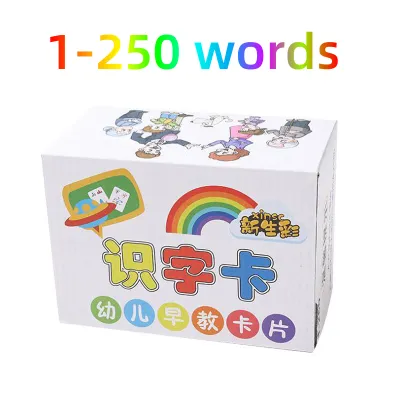
![[SG Stock] 1500 PCS Newest Chinese Words Learning Flash Card Kid Montessori Memory Game Educational Toy](https://img.lazcdn.com/g/p/79120c824ee0bf438aeb2da87f5a3f70.jpg_400x400q80.jpg_.webp)
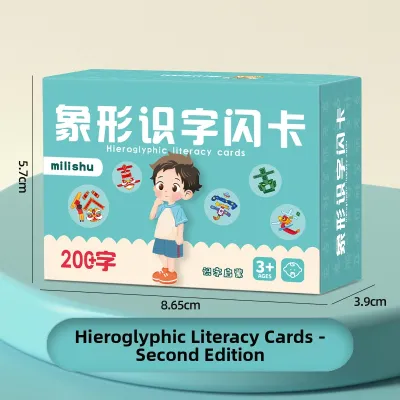
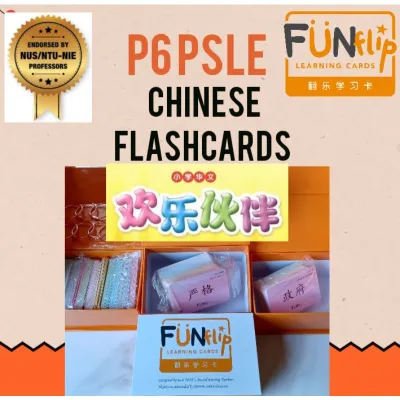
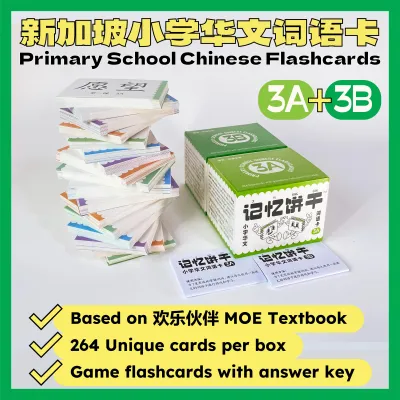
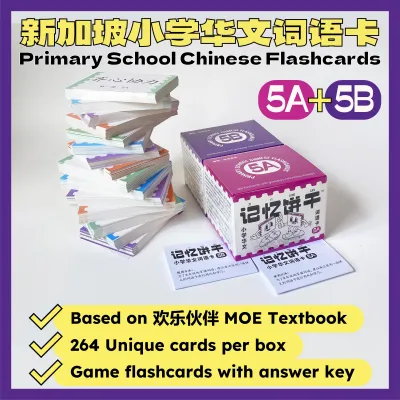
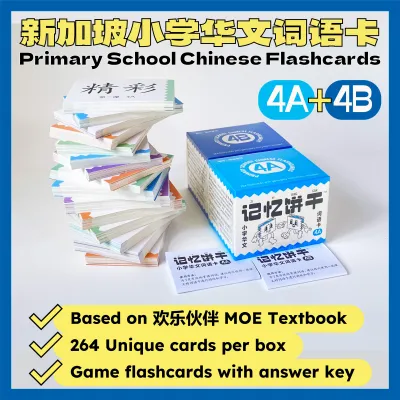
Prices are valid at publication and may change. Please refer to the product page for the latest price.
For beginners who want to write characters by hand, stroke order diagrams are indispensable. Writing Chinese characters requires a specific sequence, typically from top to bottom and left to right, to ensure correct proportions and legibility. Cards that feature numbered stroke-by-stroke guides or directional arrows help you build muscle memory. Additionally, look for decks that break down characters into their component radicals. Understanding radicals, which are the building blocks of Chinese characters, provides valuable clues about a word’s meaning or pronunciation, making long-term memorization much easier.
Memorizing isolated vocabulary words often leads to a common frustration: knowing what a word means but not knowing how to use it in a sentence. High-quality flash cards solve this by including at least one contextual example sentence on the back of the card. These sentences should use beginner-friendly grammar and vocabulary, allowing you to see how the target word functions alongside common verbs, particles, and measure words. This contextual exposure bridges the gap between passive recognition and active communication.
Physical Decks vs. Digital Systems: Choosing Your Format
Tangible paper flash cards offer distinct cognitive benefits that digital screens cannot replicate. The physical act of holding, sorting, and manually stacking cards engages tactile memory, which can enhance cognitive retention. Furthermore, physical cards provide a screen-free study environment, eliminating the constant distractions of social media notifications, emails, and text messages. They are ideal for dedicated study sessions at a desk, allowing you to physically separate cards you know from those that require more practice.

Digital flash card applications leverage technology to optimize the learning process. The primary advantage of digital systems is the integration of spaced repetition system algorithms. These algorithms track your performance and automatically schedule reviews for each card right before you are likely to forget it, maximizing study efficiency. Digital cards also frequently feature native audio pronunciation files, allowing you to hear the correct tones instantly. Additionally, built-in progress tracking provides visual feedback on your learning speed and retention rates over time.
Portability is a major factor when deciding between formats. Carrying a physical deck of several hundred cards can be bulky and inconvenient if you prefer to study during a daily commute or while waiting in line. Digital apps reside on your smartphone or tablet, making them highly portable and accessible for quick, five-minute study sessions throughout the day. However, digital systems require compatible devices, reliable battery life, and sometimes active internet connections or subscription fees, whereas physical cards require no technology and last indefinitely.
Aligning Flash Card Content With Your Learning Goals
If your primary goal is to pass official proficiency exams or follow a structured academic curriculum, look for flash card decks specifically aligned with the Hanyu Shuiping Kaoshi (HSK) syllabus. The HSK is the standardized test of Mandarin Chinese language proficiency for non-native speakers. Decks organized by HSK levels, starting at HSK 1 for absolute beginners, ensure you study the exact vocabulary, grammar points, and character sets required for the exams, preventing you from wasting time on obscure words that are not tested at your current level.
For travelers, business professionals, or casual learners who want to communicate quickly without diving deep into academic grammar, survival Mandarin decks are more appropriate. These sets prioritize practical, high-frequency vocabulary and phrases related to daily life, such as ordering food at a restaurant, asking for directions, shopping, and emergency situations. Survival decks often emphasize conversational fluency and listening comprehension over character writing, making them highly functional for short-term learning goals.
Your choice of flash cards should reflect whether you prioritize character writing or spoken fluency. If your goal is to write characters beautifully and accurately, you need cards that emphasize stroke order, radical breakdowns, and grid lines for practice. If you prioritize speaking and listening, look for decks that feature large Pinyin, clear phonetic breakdowns, and access to high-quality audio recordings. Some learners choose to use two different types of decks to balance these skills, while others focus entirely on oral communication before introducing character writing.
Essential Pre-Purchase Checks for Language Materials
Before purchasing any Chinese flash card set, carefully verify the exact language edition and character standard. Do not rely solely on the cover image or generic product titles, as these can sometimes be misleading or outdated. Check the product specifications to confirm whether the deck uses Simplified or Traditional characters. Additionally, ensure the audio materials or phonetic guides represent Standard Mandarin, known as Putonghua, rather than regional dialects, unless you have a specific reason to study a regional variation.
If you are purchasing a digital flash card system or a physical deck that includes companion digital access, verify the operating system requirements and compatibility. Ensure the companion app is compatible with your specific smartphone, tablet, or computer operating system version. Be aware of potential region locks or account restrictions that might prevent you from downloading or activating the digital content in your country. Reading user reviews on app stores or checking the publisher’s support page can help you avoid compatibility issues.
To ensure you receive a high-quality learning tool, verify the completeness of the flash card set before buying. Check if the deck includes an index, a user guide, or storage accessories like rings or boxes to keep the cards organized. Always purchase your language materials from authorized distribution sources, reputable bookstores, or official publisher storefronts on online marketplaces. Purchasing from unauthorized sellers increases the risk of receiving counterfeit products with low-quality printing, missing cards, or broken digital access codes.
Frequently Asked Questions (FAQ)
How many new flash cards should a beginner review per day?
For absolute beginners, a manageable starting point is to introduce 5 to 10 new flash cards per day. This low volume allows you to focus on mastering the pronunciation, tones, stroke order, and meaning of each character without feeling overwhelmed. It is important to assess your personal daily study time and attention span; consistency is far more valuable than trying to memorize a large volume of words in a single session.
As you establish a daily routine, adjust your daily volume based on your retention rates and feedback from your study sessions. If you find yourself forgetting previously learned cards during reviews, reduce the number of new cards you introduce each day. Conversely, if you are consistently retaining the vocabulary and have extra study time, you can gradually increase the number of new cards. Remember that the total number of cards you review each day will include both new cards and older cards that require reinforcement.
Do I need flash cards with English translations on the back?
Direct English translations on the back of flash cards are highly beneficial for absolute beginners. In the initial stages of learning Mandarin, having a clear, accurate English translation helps build confidence and establishes a basic vocabulary foundation quickly. It allows you to make immediate associations between the Chinese character and a concept you already understand, reducing the cognitive friction of learning a completely new language structure.
However, as your proficiency and context recognition grow, it is beneficial to transition away from direct English translations. Over-reliance on translation can slow down your processing speed, as your brain must translate from Chinese to English and back again. Over time, try to incorporate cards that use images, simple Chinese synonyms, or monolingual definitions on the back. This transition encourages you to think directly in Mandarin, fostering more natural and fluent communication.

Community discussion
Share your experience or ask a question. Comments are reviewed before publication.