
Choosing the right drum sticks for lion dance performances in Singapore is essential for delivering the powerful, resonant beats that define this traditional art form. Unlike standard Western drumsticks, which are designed for drum kits or marching snares, traditional lion dance beaters must withstand the immense physical impact of striking thick, tightly stretched cowhide drumheads. Selecting the ideal pair requires a careful balance of wood density, weight, thickness, and shock absorption to ensure maximum sound projection while protecting the performer from repetitive strain injuries.
In Singapore’s vibrant cultural landscape, lion dance performances are a staple of Chinese New Year celebrations, business openings, and temple festivals. The humid tropical climate and the demanding nature of outdoor performances mean that generic or poorly constructed sticks will quickly warp, splinter, or fail to project the necessary volume. By understanding the specific physical and acoustic requirements of traditional percussion, you can select a pair of drum sticks that enhances your performance, protects your instruments, and lasts through countless training sessions and public showcases.
Understanding the Demands of Lion Dance Drumming
The drum is the undisputed leader of the lion dance percussion ensemble, serving as the primary communication link between the musicians and the performers inside the lion costume. Every movement of the lion—from the subtle blinking of its eyes to dramatic, high-pole acrobatic leaps—is directly cued by the rhythm, tempo, and volume of the drum. Because there are no electronic amplifiers used during traditional street performances, the drummer must rely entirely on physical technique and the structural quality of their sticks to project sound over bustling crowds and traffic noise.
Products mentioned in this guide
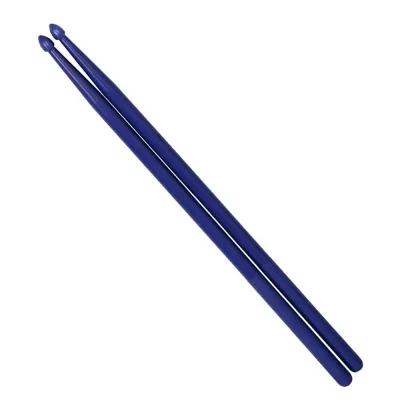
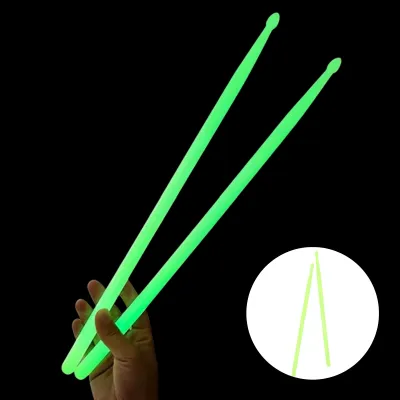
Prices are valid at publication and may change. Please refer to the product page for the latest price.
Striking a traditional lion dance drum requires a tremendous amount of physical force. These drums feature thick, heavy cowhide heads stretched tightly over large, hollow wooden barrels. The resistance of the drumhead is significantly higher than that of a modern synthetic drumhead, meaning the stick must absorb a massive amount of rebound shock. If a stick is too light or lacks the proper density, the shock of each blow travels directly up the drummer’s arms, leading to rapid muscle fatigue, joint pain, and potential long-term wrist injuries.
Furthermore, the acoustic environment of a typical Singapore performance demands exceptional sound projection. Whether performing in a highly reflective shopping mall atrium or a wide-open outdoor temple courtyard, the drum must cut through the loud, metallic clanging of the accompanying cymbals and gongs. The drum sticks must be dense enough to draw out the deep, low-frequency resonance of the wooden drum barrel while simultaneously producing a sharp, authoritative attack on the surface of the cowhide.
Key Selection Criteria for Lion Dance Drum Sticks
Wood Types and Density
The material composition of the drum stick is the most critical factor determining its durability, sound projection, and shock-absorption capabilities. Traditional lion dance beaters are almost exclusively crafted from dense hardwoods that can withstand repetitive, high-impact force without splitting.

- Chinese Oak: A highly popular choice among local troupes, Chinese oak offers an excellent balance of high density, heavy weight, and natural durability. It produces a bright, cutting attack and is highly resistant to denting.
- Ironwood: Known for its extreme density and dark coloration, ironwood is favored by advanced performers who require maximum volume and weight. Ironwood sticks are exceptionally durable but require significant forearm strength to control effectively.
- Heavy Maple: While lighter than oak or ironwood, premium heavy-grade maple provides superior shock absorption. It is an excellent option for younger performers or those recovering from wrist strain, though it may wear down faster under intense daily training.
- Boxwood: Often used for traditional instruments, boxwood provides a smooth, fine-grained texture that resists splintering and offers a comfortable, natural grip.
Length and Thickness
Lion dance drum sticks are noticeably shorter and thicker than standard drum kit sticks. While a typical drum kit stick is long and tapered to facilitate rapid rebounds on cymbals, a lion dance stick features a thick, cylindrical profile with minimal tapering. This design maximizes the mass of the stick, allowing gravity and leverage to do more of the work during heavy downward strikes.
Most traditional sticks range between 30 to 35 centimeters in length, with a diameter of 3 to 4 centimeters. A thicker stick allows the drummer to maintain a relaxed, full-hand grip, reducing the need to squeeze tightly to maintain control. This open-handed grip is essential for preventing cramping and maintaining fluid wrist motion during extended performance sets.
Tip Shape and Design
The tip of a lion dance drum stick is typically integrated seamlessly into the body, featuring a blunt, rounded, or gently tapered end rather than a distinct bead. This broad, rounded tip distributes the force of the impact over a larger surface area of the cowhide drumhead.
Using a stick with a broad, blunt tip prevents the wood from puncturing or creating deep, localized dents in the natural hide. Acoustically, a larger tip contact area coaxes a warmer, deeper, and more resonant tone from the drum barrel, whereas a pointed or narrow tip would produce a thin, overly harsh sound that fails to carry over long distances.
Weight Distribution and Balance
A well-balanced drum stick should feel like a natural extension of the arm. Because these sticks are heavy, the distribution of weight along the shaft determines how agile the stick feels in the hand. Drummers should look for sticks with a slight forward-weight bias, where the center of gravity sits just ahead of the midway point.
This forward balance assists the downward swing, utilizing the stick’s natural momentum to strike the drumhead with maximum force. Conversely, a stick that is too back-heavy requires the drummer to use excessive muscular effort to drive the stick downward, leading to premature fatigue and slower roll speeds during fast-tempo sequences.
Adapting Your Choice to Performance Roles and Environments
Lead Drummer versus Supporting Percussion
The lead drummer bears the responsibility of directing the entire performance, requiring a stick that offers both power and precision. For this role, a pair of medium-heavy Chinese oak or boxwood sticks is often ideal, as they provide the necessary volume to lead the troupe while remaining agile enough for rapid tempo changes, sudden stops, and intricate rhythmic variations.
In contrast, supporting percussionists who occasionally assist with secondary drumming duties or training sessions may opt for heavier ironwood sticks to build forearm strength and endurance. However, the primary focus remains on the lead drummer’s ability to maintain clear, distinct articulation that the lion dancers can easily hear and follow.
Beginner versus Advanced Performers
Beginners should avoid starting with the heaviest available sticks, such as thick ironwood, as their wrist muscles and grip technique are still developing. Using overly heavy sticks too early can lead to poor habits, such as gripping the stick too tightly, which limits wrist flexibility and increases the risk of joint strain. Beginners are encouraged to start with lighter maple or medium-weight oak sticks to master the fundamental striking motions.
Advanced performers, who have developed the necessary muscle memory, calluses, and forearm endurance, can transition to heavier, denser hardwood sticks. These experienced drummers can leverage the extra weight to produce the thunderous, commanding tones required for major competitions and high-profile festive events.
Indoor Stage Performances versus Outdoor Street Parades
Singapore’s diverse performance venues require drummers to adapt their gear to the surrounding acoustics. Indoor venues, such as hotel ballrooms, convention centers, and shopping mall atriums, feature highly reflective surfaces that amplify sound naturally. In these environments, using excessively heavy sticks can result in an overwhelming, deafening volume that drowns out the performance’s artistic nuances. A lighter pair of maple or thin oak sticks allows for better volume control and dynamic range.
For outdoor street parades, community block visits, and temple festivals, the sound quickly dissipates into the open air. To combat this, drummers must use heavy, dense oak or ironwood sticks. The added mass is essential for projecting the sound across wide areas, ensuring that both the audience and the lion dancers—who may be performing several meters away on high poles—can clearly hear every cue.
Pre-Purchase Inspection and Buying Considerations
Visual and Tactile Inspection
When shopping for lion dance drum sticks at local martial arts supply shops or specialized percussion stores in Singapore, always conduct a thorough physical inspection before making a purchase. Begin by examining the wood grain along the shaft of each stick. The grain should run straight and parallel from the butt to the tip; swirling, wavy, or diagonal grain patterns indicate structural weak points where the stick is highly likely to snap under heavy impact.
Next, roll each stick across a flat, level surface, such as a glass counter or a smooth table. Watch the tip closely as the stick rolls; if the tip wobbles or lifts off the surface, the stick is warped. Warped sticks will not strike the drumhead evenly, leading to inconsistent tones and unpredictable rebounds.
Weight and Balance Testing
Because wood is a natural, organic material, two sticks cut to the exact same dimensions can vary significantly in weight and density. Always hold the sticks as a pair and perform a few practice strokes in the air or on a practice pad. The sticks should feel identical in weight and balance in both your left and right hands.
An unbalanced pair, where one stick is noticeably heavier than the other, will disrupt your playing symmetry. This imbalance forces one hand to work harder than the other, leading to uneven volume distribution, sloppy rolls, and localized muscle fatigue in the dominant arm.
Verifying Specifications and Authenticity
Ensure that the sticks meet the traditional dimensions required for lion dance drumming rather than general percussion. Look for clean, smooth finishes without excessive varnish. A heavy lacquer or varnish finish can feel slick and slippery, especially when your hands begin to sweat during intense performances in Singapore’s humid weather. A light, natural oil or wax finish is highly preferred, as it provides a secure, slip-resistant grip.
Evaluating Return Policies and Warranties
If you are purchasing your drum sticks from online music stores or local ecommerce platforms, carefully review the seller’s return and exchange policies. Because natural wood can occasionally contain hidden internal flaws or hairline fractures that are invisible to the naked eye, a reputable seller should offer a reasonable exchange window if a stick splits or cracks during its very first use under normal playing conditions.
Maintenance and Care for Longevity
Proper Storage Conditions
Singapore’s high relative humidity poses a constant challenge for wooden instruments and accessories. Wood naturally absorbs moisture from the air, which can cause the drum sticks to swell, lose their balance, or warp over time. To prevent this, always store your drum sticks in a dry, well-ventilated environment.
Keep your sticks inside a padded stick bag when not in use, and consider adding a few silica gel packets to the bag to absorb excess moisture. Never leave your drum sticks in direct sunlight, near air conditioning vents, or inside a hot car trunk, as rapid shifts in temperature and humidity will dry out the wood rapidly, leading to deep structural cracks.
Inspecting for Splinters and Structural Damage
Regularly inspect your drum sticks before and after every training session or performance. Run your fingers gently along the shaft to feel for splinters, deep dents, or hairline cracks. Small, superficial splinters can be carefully sanded down using fine-grit sandpaper to prevent them from catching on your hands or damaging the drumhead.
However, if you detect a deep crack that runs along the grain or a significant split near the tip, the stick’s structural integrity has been compromised. You should retire the pair immediately. Continuing to use a cracked stick is highly dangerous, as it can shatter mid-strike, sending sharp wooden fragments toward the drummer, the lion dancers, or the audience.
Safe Cleaning Methods
Over time, sweat, dirt, and natural skin oils will accumulate on the surface of the wooden sticks, making them sticky or dirty. After every performance, wipe the sticks down thoroughly with a clean, dry microfiber cloth to remove moisture and surface grime.
Avoid using harsh chemical solvents, household detergents, or soaking the sticks in water, as these methods will strip the wood of its natural protective oils and accelerate drying and cracking. If the sticks require a deeper clean, use a slightly damp cloth with a tiny drop of mild soap, wipe the surface quickly, and dry the wood immediately with a clean towel.
Frequently Asked Questions (FAQ)
Can I use standard marching snare drum sticks for lion dance?
Functional differences: While marching snare drum sticks are thick and heavy, they are not suitable substitutes for traditional lion dance beaters. Marching sticks are designed to strike high-tension synthetic drumheads and feature a pronounced taper, a narrow neck, and a small wood or nylon bead tip.
Risks of substitution: Using marching sticks on a traditional lion dance drum concentrates the impact force into a very small area due to the small tip design. This high concentration of force risks puncturing, tearing, or permanently denting the expensive natural cowhide drumhead. Furthermore, the lack of proper shock absorption in marching sticks can cause severe wrist strain when striking a natural hide surface.
How often should lion dance drum sticks be replaced?
Observable signs of wear: You should replace your drum sticks as soon as they exhibit deep structural cracks, severe splintering, or a noticeable loss of balance. Another common indicator is a change in the acoustic pitch of the wood; if you tap the two sticks together and one produces a dull, hollow thud instead of a bright, clear ring, it indicates an internal fracture.
Lifespan factors: The lifespan of a pair of sticks depends heavily on your playing frequency, striking force, and the tension of the drumhead. Active troupes training multiple times a week in Singapore may need to replace their sticks every few months, whereas recreational performers or those who maintain a strict care routine may find a single high-quality pair of hardwood sticks lasts for several years.
Community discussion
Share your experience or ask a question. Comments are reviewed before publication.