
For anxious people seeking practical relief, the search for the right non-fiction book can feel overwhelming. The self-help market is flooded with titles promising quick fixes, but genuine management of anxiety requires evidence-based strategies tailored to your specific symptoms. Rather than relying solely on bestseller lists or social media trends, finding the most effective literature involves evaluating the author’s clinical credentials, understanding the therapeutic framework used, and choosing a format that fits your daily routine. By taking a structured approach to selecting these resources, you can find books that offer actionable tools rather than passive reading.
Using books as a tool for mental health—often referred to as bibliotherapy—is a well-established practice that can significantly aid in symptom management. However, the effectiveness of this approach depends heavily on the quality and scientific backing of the material you choose. A well-selected book acts as a structured guide, helping you demystify your experiences and develop a personalized toolkit for daily coping. To make an informed decision, it is essential to establish clear criteria for your selection, ensuring that the time and emotional energy you invest yield meaningful results.
Key Criteria for Evaluating Anxiety Management Books
When browsing the mental health section of a bookstore or online catalog, the first step is to verify the author’s professional qualifications. Prioritize books written by licensed clinical psychologists, psychiatrists, clinical social workers, or academic researchers who specialize in anxiety and related disorders. These professionals have years of clinical training and direct experience working with patients, ensuring that the strategies they present are safe, ethical, and scientifically sound. In contrast, general lifestyle influencers or motivational speakers may offer inspiring anecdotes, but they often lack the deep clinical understanding required to guide readers through complex psychological processes.
Products mentioned in this guide
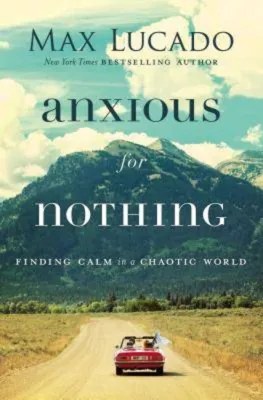

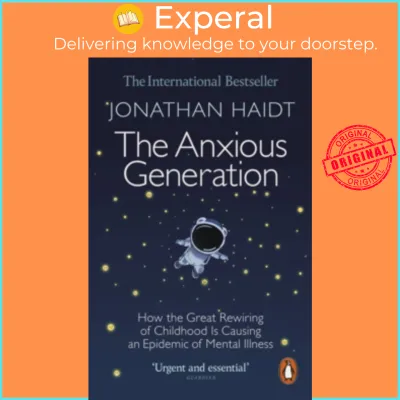
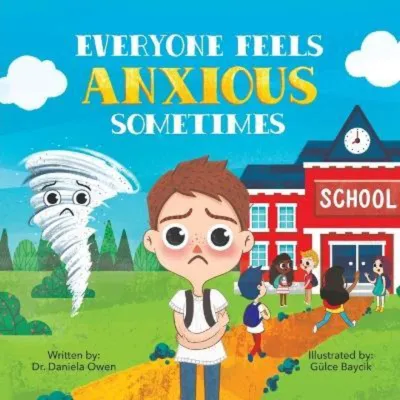
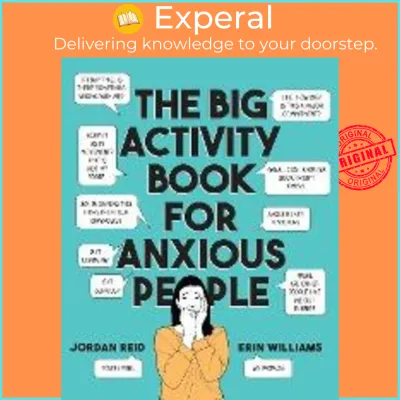
Prices are valid at publication and may change. Please refer to the product page for the latest price.
Next, identify the specific therapeutic framework that underpins the book’s content. Reputable non-fiction books for managing anxiety are grounded in established, evidence-based modalities. Cognitive Behavioral Therapy (CBT) is the most widely researched framework, focusing on identifying and challenging unhelpful thought patterns. Acceptance and Commitment Therapy (ACT) emphasizes psychological flexibility and mindfulness, helping you accept difficult emotions rather than fighting them. Dialectical Behavior Therapy (DBT) is highly effective for distress tolerance and emotional regulation. A quality book will explicitly state which of these frameworks it utilizes, allowing you to understand the scientific basis of the advice.
Another critical criterion is the balance between theoretical explanations and actionable, step-by-step exercises. While understanding the neurological and psychological mechanisms of anxiety is valuable, intellectual knowledge alone does not reduce symptoms. The best books provide practical tools—such as thought records, behavioral experiments, guided meditations, or mood trackers—that encourage active participation. Look for books that feature dedicated exercise sections, worksheets, or action plans, as these allow you to translate theoretical concepts into daily habits.
Finally, always check for clear disclaimers regarding the book’s scope and its distinction from professional medical or psychiatric treatment. Reputable mental health literature will always include a prominent notice stating that the book is an educational resource and not a substitute for personalized therapy or medical intervention. If a book claims to “cure” anxiety completely on its own, or if it lacks standard medical disclaimers, treat it with caution. A safe and reliable resource acknowledges its own limitations and actively encourages readers to seek professional care when symptoms are severe or persistent.
Matching Therapeutic Approaches to Specific Anxiety Needs
To narrow down your choices, it is helpful to match the therapeutic approach of a book to your specific anxiety triggers, symptoms, and preferred coping styles. If your anxiety primarily manifests as chronic overthinking, catastrophic worry, or persistent “what-if” scenarios, books based on Cognitive Behavioral Therapy (CBT) are highly suitable. These resources teach you how to identify cognitive distortions—such as mind-reading, fortune-telling, or black-and-white thinking—and challenge them with objective evidence. By learning to restructure these unhelpful thought patterns, you can gradually reduce the intensity of your anxious responses.

For those who find themselves locked in a constant struggle against their own thoughts, trying desperately to suppress or control anxiety, Acceptance and Mindfulness-Based Approaches offer a different path. Books utilizing Acceptance and Commitment Therapy (ACT) teach you to observe your thoughts and emotions without judgment, treating them as passing mental events rather than absolute truths. This approach helps you develop psychological flexibility, allowing you to coexist with uncomfortable feelings while redirecting your energy toward meaningful, value-aligned activities. This is particularly beneficial for generalized anxiety, where the struggle against worry often becomes a primary source of distress.
If your anxiety is highly physical—characterized by a racing heart, shallow breathing, muscle tension, or sudden panic sensations—look for books that focus on Somatic and Nervous System Regulation. These resources, often drawing from somatic experiencing or polyvagal theory, provide practical guidance on breathwork, progressive muscle relaxation, body scanning, and physiological grounding exercises. Because the mind and body are deeply interconnected, learning to soothe your physical nervous system sends safety signals back to your brain, effectively dampening the fight-or-flight response before cognitive strategies are even applied.
For individuals dealing with avoidance behaviors—such as avoiding crowded places, public transport, or difficult social interactions—books that guide you through Exposure and Habituation are invaluable. These guides help you construct a gradual exposure hierarchy, starting with low-anxiety scenarios and slowly working your way up to more challenging situations. Through systematic, safe exposure, your nervous system undergoes habituation, learning that the feared outcomes are unlikely to occur or are manageable. This structured approach is essential for overcoming panic disorder, agoraphobia, and targeted social anxieties.
Essential Checks Before Purchasing or Downloading
Before finalizing your purchase or download, there are several practical checks you should perform to ensure the book is accessible, complete, and optimized for your learning style. First, verify the edition, publication date, and language of the book. Psychological science and clinical practices evolve over time, so newer editions often incorporate updated guidelines, revised diagnostic criteria, and refined exercises based on recent research. If you are purchasing a translated version, ensure the translation is accurate and preserves the clinical nuances of the original text.
Next, carefully compare the available formats based on how you plan to interact with the material. Physical workbooks are highly recommended for books that require writing, drawing, or filling out worksheets, as they allow you to easily flip back and forth and keep a tangible record of your progress. E-books are convenient for reading on the go, such as during a daily commute, but filling out digital worksheets can be cumbersome unless you use a compatible tablet and stylus. Audiobooks are excellent for narrative non-fiction or guided mindfulness exercises, but they are less practical for structured, step-by-step cognitive exercises that require visual reference and active writing.
It is also important to check digital rights management (DRM), region restrictions, and device compatibility for e-books and audiobooks. Some digital formats may only be accessible through specific proprietary apps, which can be frustrating if you prefer to consolidate your library on a single device. Ensure that any supplementary materials, such as downloadable PDF worksheets or audio tracks, are fully accessible in your region and compatible with your devices without requiring additional paid subscriptions.
Finally, confirm the content completeness of the specific edition you are purchasing. When buying abridged editions, translated copies, or budget digital versions, verify that no critical chapters, references, or supplementary worksheets have been omitted. These omitted sections often contain the very tools and self-assessment scales that make the book practically useful. Investing in a complete, unabridged text—typically priced around S$15 to S$30 for a quality paperback—ensures you receive the full therapeutic program as intended by the author.
Setting Realistic Expectations and Safe Reading Boundaries
Integrating self-help strategies into your life requires patience, and it is crucial to set realistic expectations for your reading journey. Managing anxiety is a gradual process, and a book should be treated as a long-term practice rather than a quick fix. Pace your reading to avoid cognitive overwhelm; attempting to digest an entire therapeutic program in a few sittings can lead to frustration and burnout. Aim to read just one chapter or section at a time, allowing yourself several days to practice the exercises and integrate the concepts into your daily routine before moving forward.
As you engage with the material, monitor your emotional responses closely. Deep introspection and exposure exercises can sometimes bring uncomfortable emotions or physical sensations to the surface. If a particular exercise or topic causes severe distress, panic, or unmanageable anxiety, pause immediately. Give yourself permission to step away from the book, use grounding techniques to stabilize your nervous system, and return to the material only when you feel safe and regulated. Safe self-help is always self-paced.
Recognize the inherent limits of self-help literature and identify clear signals that indicate the need for professional support. Books are powerful educational tools, but they cannot diagnose mental health conditions, provide personalized clinical feedback, or intervene during an acute crisis. If your anxiety symptoms are severe enough to interfere with your ability to work, maintain relationships, or perform daily tasks, a book alone is insufficient. Transitioning from self-guided reading to working with a licensed therapist or medical professional is a courageous and necessary step when self-help strategies reach their limits.
Ultimately, view your chosen book as a supplementary tool to build healthy daily habits, rather than a standalone replacement for professional care. The strategies outlined in these books work best when integrated into a broader lifestyle that supports mental well-being, including regular physical activity, adequate sleep, and a strong social support network. Use the book to establish a consistent daily practice, tracking your progress over weeks and months to see sustainable improvements in your anxiety levels.
Frequently Asked Questions (FAQ)
Can reading about anxiety make symptoms temporarily worse?
Yes, it is common to experience a temporary increase in anxiety symptoms when you first begin reading about the topic. As you learn to identify your triggers, cognitive distortions, and physical sensations, your awareness of these symptoms naturally heightens. This increased focus can make it feel as though your anxiety is worsening, when in reality, you are simply becoming more conscious of patterns that were previously automatic. To manage this temporary discomfort, practice grounding techniques—such as the 5-4-3-2-1 sensory method or deep diaphragmatic breathing—and pace your reading to avoid becoming overwhelmed. If the distress remains consistently high or feels unmanageable, stop reading and consult a professional.
How should I use a workbook compared to a standard reading book?
A workbook requires an active, participatory approach, whereas a standard reading book can be read more passively. To get the most benefit from a workbook, you must commit to completing the written exercises, tracking your progress, and practicing the behavioral prompts in real-world scenarios. It is best to schedule dedicated, uninterrupted time blocks for workbook activities, rather than trying to read them casually before sleep when your cognitive energy is low. If you are using an e-book format or prefer not to write directly in a physical book, keep a dedicated journal or use digital note-taking templates to record your responses, ensuring you still engage fully with the practical components of the program.
Community discussion
Share your experience or ask a question. Comments are reviewed before publication.